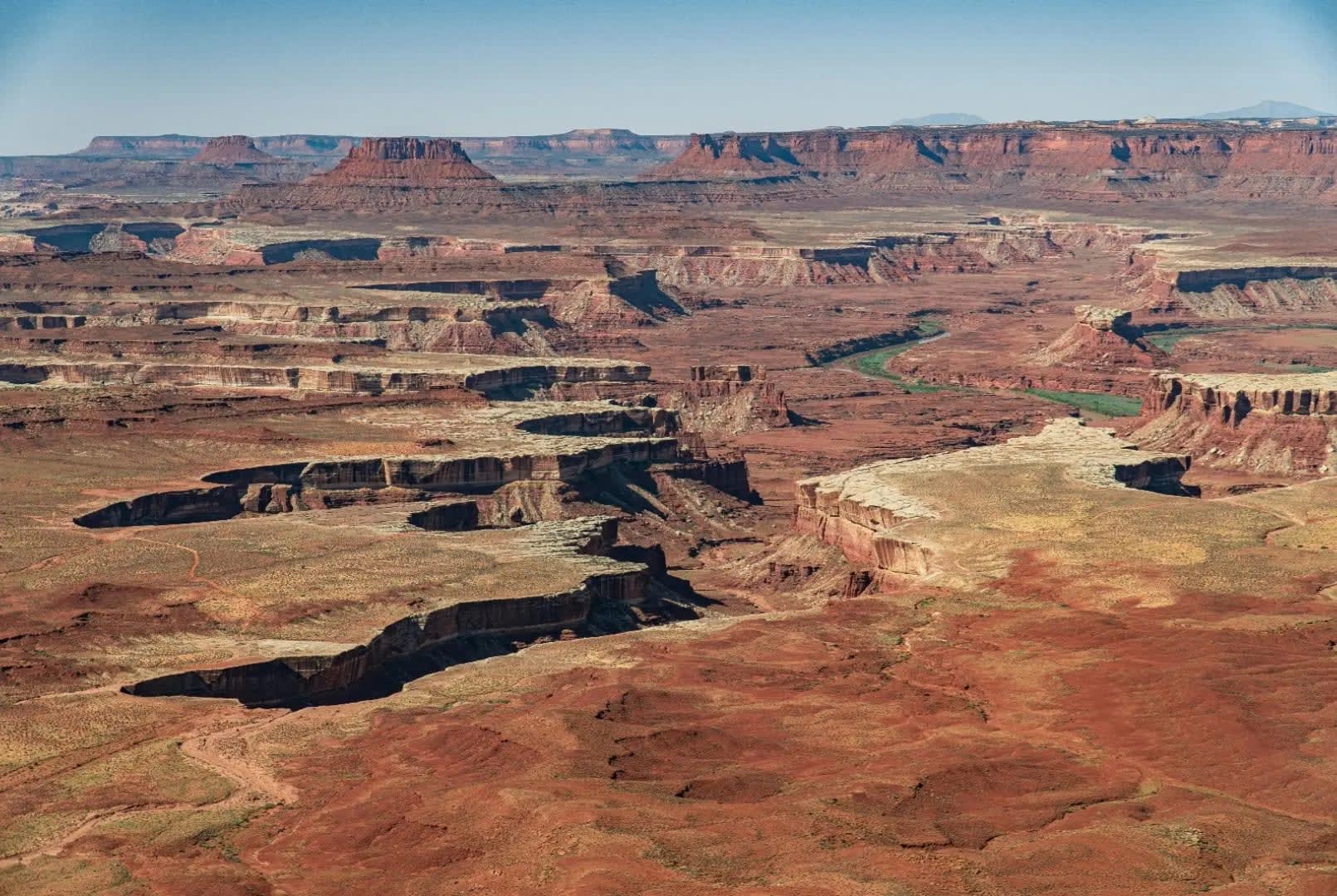


Zion National Park
Zion National Park, located in southern Utah, is renowned for its striking red rock formations, deep canyons, and diverse ecosystems. Established in 1919, Zion covers over 146,000 acres and is known for its dramatic landscapes, including towering sandstone cliffs, lush canyons, and scenic vistas. The park offers a range of outdoor activities, from challenging hikes to leisurely scenic drives, making it a premier destination for nature enthusiasts and adventure seekers alike.
🌍 Geography and Ecosystem
Zion National Park features a variety of geological formations and ecosystems shaped by its unique desert environment and ancient geological processes:
- Sandstone Cliffs: Zion is famous for its towering sandstone cliffs, including the iconic Zion Canyon and the striking cliffs of The Watchman. These cliffs were formed by millions of years of sedimentation and erosion.
- Canyons: The park's canyons, such as the Narrows and Kolob Canyons, are carved by the Virgin River and offer stunning views and unique hiking experiences.
- High Plateaus and Desert Landscapes: Zion's landscape transitions from lush canyon bottoms to high desert plateaus, providing a variety of ecosystems and habitats.
- Desert Flora and Fauna: The park is home to a diverse range of plant and animal species adapted to its arid environment, including desert wildflowers, pinyon pines, and various wildlife like mule deer and bighorn sheep.
📜 History and Cultural Significance
Zion National Park, located in southwestern Utah, boasts a rich cultural and historical heritage that reflects both the region’s indigenous history and the early conservation movement. The area has been inhabited for thousands of years by Native American tribes, including the Paiute and the Southern Paiute, who regarded the landscape as sacred. These tribes lived in harmony with the environment, relying on the land for hunting, gathering, and spiritual practices. Archaeological evidence, including petroglyphs, tools, and pottery, offers a glimpse into the lives of the people who once thrived here.
The Southern Paiute people, who lived near the canyon for generations, saw the towering cliffs, flowing rivers, and natural rock formations as spiritually significant. They believed that the land was protected by powerful spirits and that humans needed to maintain a respectful relationship with nature. Seasonal migrations allowed them to gather food such as pine nuts and hunt deer, rabbits, and other game, contributing to a sustainable way of life that preserved the delicate desert ecosystem.
European-American settlers arrived in the mid-19th century, with Mormon pioneers being among the first to establish permanent settlements in the surrounding region. These settlers were captivated by the area’s dramatic landscapes, but they also saw opportunities to farm the fertile valleys and graze livestock. The arrival of settlers led to tensions between indigenous peoples and newcomers, ultimately resulting in the displacement of many Southern Paiute communities.
The formal protection of the area began in 1909, when President William Howard Taft designated it as Mukuntuweap National Monument, recognizing the need to safeguard its unique landscape of red cliffs, deep canyons, and riparian habitats. However, the original name, derived from a Native American term, was not widely embraced by locals. In 1919, the park was renamed Zion National Park, reflecting the influence of early Mormon settlers who used the Hebrew word 'Zion,' meaning 'sanctuary' or 'refuge,' to describe the canyon’s serene beauty and spiritual atmosphere.
The park’s preservation was shaped by early conservationists and local residents who recognized the area’s ecological and aesthetic value. Naturalists, artists, and government officials, inspired by the grandeur of Zion Canyon, advocated for its protection as part of the burgeoning national park movement. Their efforts paralleled those of conservationists across the country, including John Muir, who sought to protect the American wilderness from unchecked development. The designation of Zion as a national park in 1919 reflected a growing national awareness of the importance of preserving natural landscapes for public enjoyment and future generations.
Since its establishment, Zion National Park has become one of the most iconic parks in the United States, attracting millions of visitors each year. The park’s dramatic cliffs, narrow slot canyons, and emerald pools offer opportunities for hiking, rock climbing, and exploration. Angel’s Landing, the Narrows, and Observation Point have become world-famous destinations for outdoor enthusiasts. The park is also a haven for wildlife, home to species such as mule deer, bighorn sheep, peregrine falcons, and endangered plants.
Zion has also become a hub for scientific research and ecological preservation. Ongoing efforts to protect the fragile desert ecosystems include habitat restoration projects and programs to manage invasive species. The Virgin River, which cuts through the park, is essential to the region’s biodiversity and supports riparian habitats crucial for many plants and animals. Researchers continue to study the park’s unique geology, climate, and wildlife, contributing to a deeper understanding of how these ecosystems function and respond to environmental changes.
Today, Zion National Park stands as a sanctuary for both nature and people, drawing millions of visitors seeking to experience its stunning landscapes and peaceful atmosphere. The park’s combination of natural beauty, cultural heritage, and opportunities for adventure ensures that it will remain a cherished destination for generations to come. The legacy of the Paiute tribes, along with the efforts of early settlers and conservationists, continues to shape Zion as a place where the natural world and human history intertwine.
The Southern Paiute people, who lived near the canyon for generations, saw the towering cliffs, flowing rivers, and natural rock formations as spiritually significant. They believed that the land was protected by powerful spirits and that humans needed to maintain a respectful relationship with nature. Seasonal migrations allowed them to gather food such as pine nuts and hunt deer, rabbits, and other game, contributing to a sustainable way of life that preserved the delicate desert ecosystem.
European-American settlers arrived in the mid-19th century, with Mormon pioneers being among the first to establish permanent settlements in the surrounding region. These settlers were captivated by the area’s dramatic landscapes, but they also saw opportunities to farm the fertile valleys and graze livestock. The arrival of settlers led to tensions between indigenous peoples and newcomers, ultimately resulting in the displacement of many Southern Paiute communities.
The formal protection of the area began in 1909, when President William Howard Taft designated it as Mukuntuweap National Monument, recognizing the need to safeguard its unique landscape of red cliffs, deep canyons, and riparian habitats. However, the original name, derived from a Native American term, was not widely embraced by locals. In 1919, the park was renamed Zion National Park, reflecting the influence of early Mormon settlers who used the Hebrew word 'Zion,' meaning 'sanctuary' or 'refuge,' to describe the canyon’s serene beauty and spiritual atmosphere.
The park’s preservation was shaped by early conservationists and local residents who recognized the area’s ecological and aesthetic value. Naturalists, artists, and government officials, inspired by the grandeur of Zion Canyon, advocated for its protection as part of the burgeoning national park movement. Their efforts paralleled those of conservationists across the country, including John Muir, who sought to protect the American wilderness from unchecked development. The designation of Zion as a national park in 1919 reflected a growing national awareness of the importance of preserving natural landscapes for public enjoyment and future generations.
Since its establishment, Zion National Park has become one of the most iconic parks in the United States, attracting millions of visitors each year. The park’s dramatic cliffs, narrow slot canyons, and emerald pools offer opportunities for hiking, rock climbing, and exploration. Angel’s Landing, the Narrows, and Observation Point have become world-famous destinations for outdoor enthusiasts. The park is also a haven for wildlife, home to species such as mule deer, bighorn sheep, peregrine falcons, and endangered plants.
Zion has also become a hub for scientific research and ecological preservation. Ongoing efforts to protect the fragile desert ecosystems include habitat restoration projects and programs to manage invasive species. The Virgin River, which cuts through the park, is essential to the region’s biodiversity and supports riparian habitats crucial for many plants and animals. Researchers continue to study the park’s unique geology, climate, and wildlife, contributing to a deeper understanding of how these ecosystems function and respond to environmental changes.
Today, Zion National Park stands as a sanctuary for both nature and people, drawing millions of visitors seeking to experience its stunning landscapes and peaceful atmosphere. The park’s combination of natural beauty, cultural heritage, and opportunities for adventure ensures that it will remain a cherished destination for generations to come. The legacy of the Paiute tribes, along with the efforts of early settlers and conservationists, continues to shape Zion as a place where the natural world and human history intertwine.
🏃 Activities and Attractions
Zion National Park offers a variety of activities and attractions that cater to different interests and skill levels:
- Hiking: The park features a range of hiking trails, from easy walks to challenging scrambles. Popular hikes include Angel's Landing, known for its thrilling ascent and panoramic views, The Narrows, a unique hike through a slot canyon, and the Observation Point Trail, which offers breathtaking views of Zion Canyon.
- Scenic Drives: The Zion Canyon Scenic Drive provides stunning views of the park's major landmarks and is a great way to see the canyon if you're not up for a hike. The Kolob Canyons Scenic Drive offers another perspective on the park's geology and landscape.
- Rock Climbing: Zion is renowned for its rock climbing opportunities, with routes ranging from beginner-friendly to expert-level. The park's sandstone walls offer a variety of climbing experiences, including traditional, sport, and multi-pitch climbing.
- Wildlife Viewing: Zion's diverse ecosystems support a variety of wildlife, including desert bighorn sheep, mule deer, and golden eagles. Wildlife viewing is best in the early morning or late afternoon, and visitors should observe animals from a respectful distance.
💡 Travel Tips
How to Get There: Zion National Park is located in southern Utah, approximately 30 miles east of St. George. The park can be accessed via Interstate 15 and State Route 9. The nearest major airport is in Las Vegas, Nevada, about a 2.5-hour drive from the park.
Best Time to Visit: Spring (March to May) and fall (September to November) offer mild temperatures and fewer crowds. Summer (June to August) can be hot and crowded, while winter provides cooler temperatures and opportunities for winter hiking and photography, though some trails may be snow-covered.
What to Bring: Bring layered clothing to handle temperature variations, especially if hiking at higher elevations. Essential items include water, sun protection, sturdy footwear, and a camera. If hiking The Narrows, consider bringing waterproof gear or renting equipment from a local outfitter.
Accommodation and Services: The park offers campgrounds, including the Watchman Campground, and nearby towns such as Springdale provide additional lodging, dining, and shopping options.
Best Time to Visit: Spring (March to May) and fall (September to November) offer mild temperatures and fewer crowds. Summer (June to August) can be hot and crowded, while winter provides cooler temperatures and opportunities for winter hiking and photography, though some trails may be snow-covered.
What to Bring: Bring layered clothing to handle temperature variations, especially if hiking at higher elevations. Essential items include water, sun protection, sturdy footwear, and a camera. If hiking The Narrows, consider bringing waterproof gear or renting equipment from a local outfitter.
Accommodation and Services: The park offers campgrounds, including the Watchman Campground, and nearby towns such as Springdale provide additional lodging, dining, and shopping options.
🌱 Conservation
Zion National Park is dedicated to preserving its natural landscapes and ecosystems. Visitors are encouraged to follow Leave No Trace principles by staying on designated trails, packing out all trash, and respecting wildlife. The park has regulations to protect its delicate desert environment and its flora and fauna, including guidelines for responsible hiking and climbing. By adhering to these practices, visitors help ensure that Zion remains a pristine and enjoyable destination for future generations.
✨ Conclusion
Zion National Park offers a captivating blend of dramatic landscapes, unique geological formations, and diverse ecosystems. From its towering sandstone cliffs and deep canyons to its scenic drives and exhilarating hikes, Zion provides an array of experiences that highlight the beauty and grandeur of the natural world. Whether you're climbing its iconic rock faces, exploring its slot canyons, or simply taking in the stunning vistas, Zion invites you to immerse yourself in its awe-inspiring scenery. As you explore this remarkable park, remember to respect its natural features and follow conservation practices to help preserve its beauty for future generations. Zion is not just a destination; it's a sanctuary of natural wonder and adventure.