


Canyonlands National Park
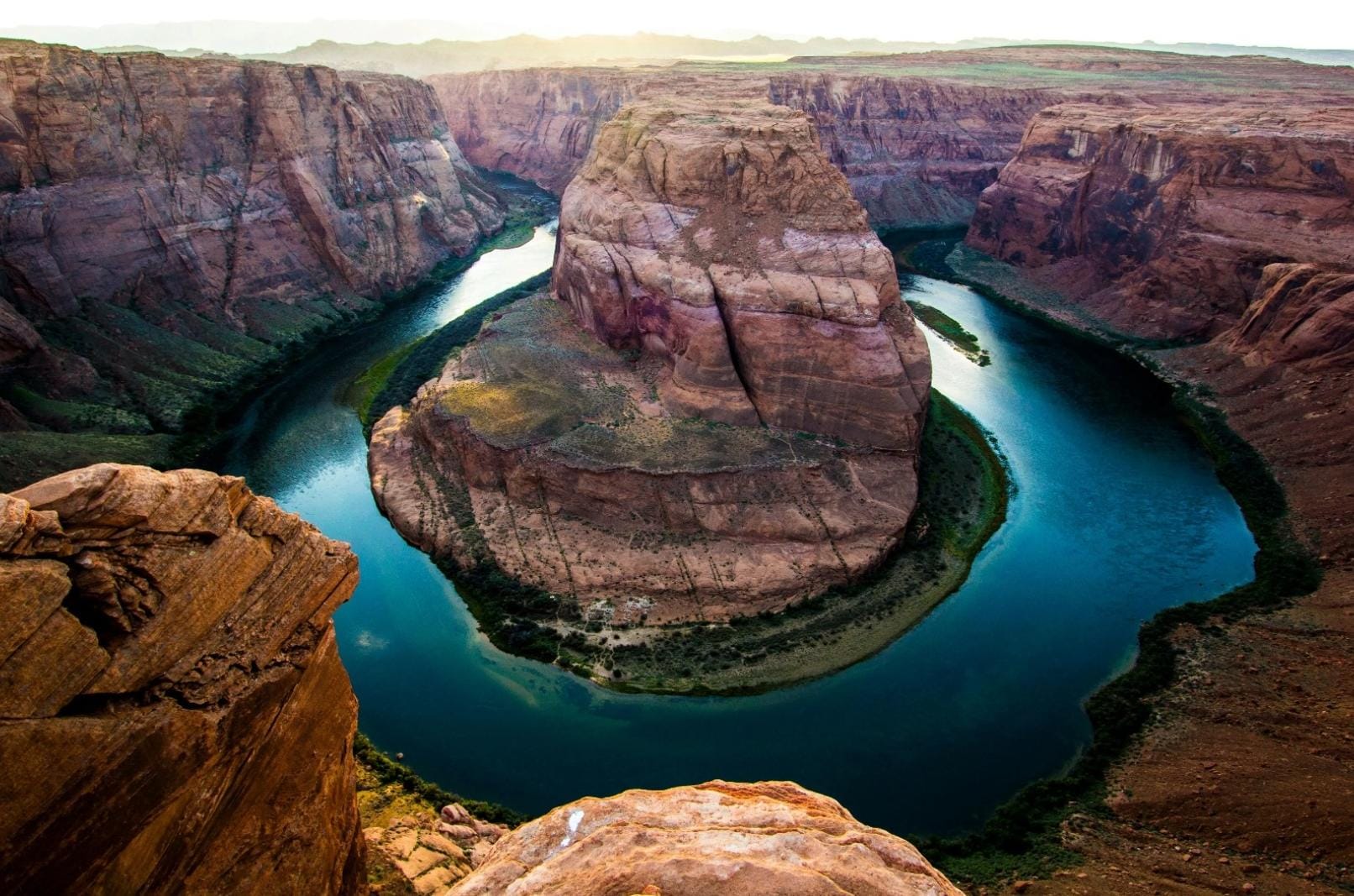
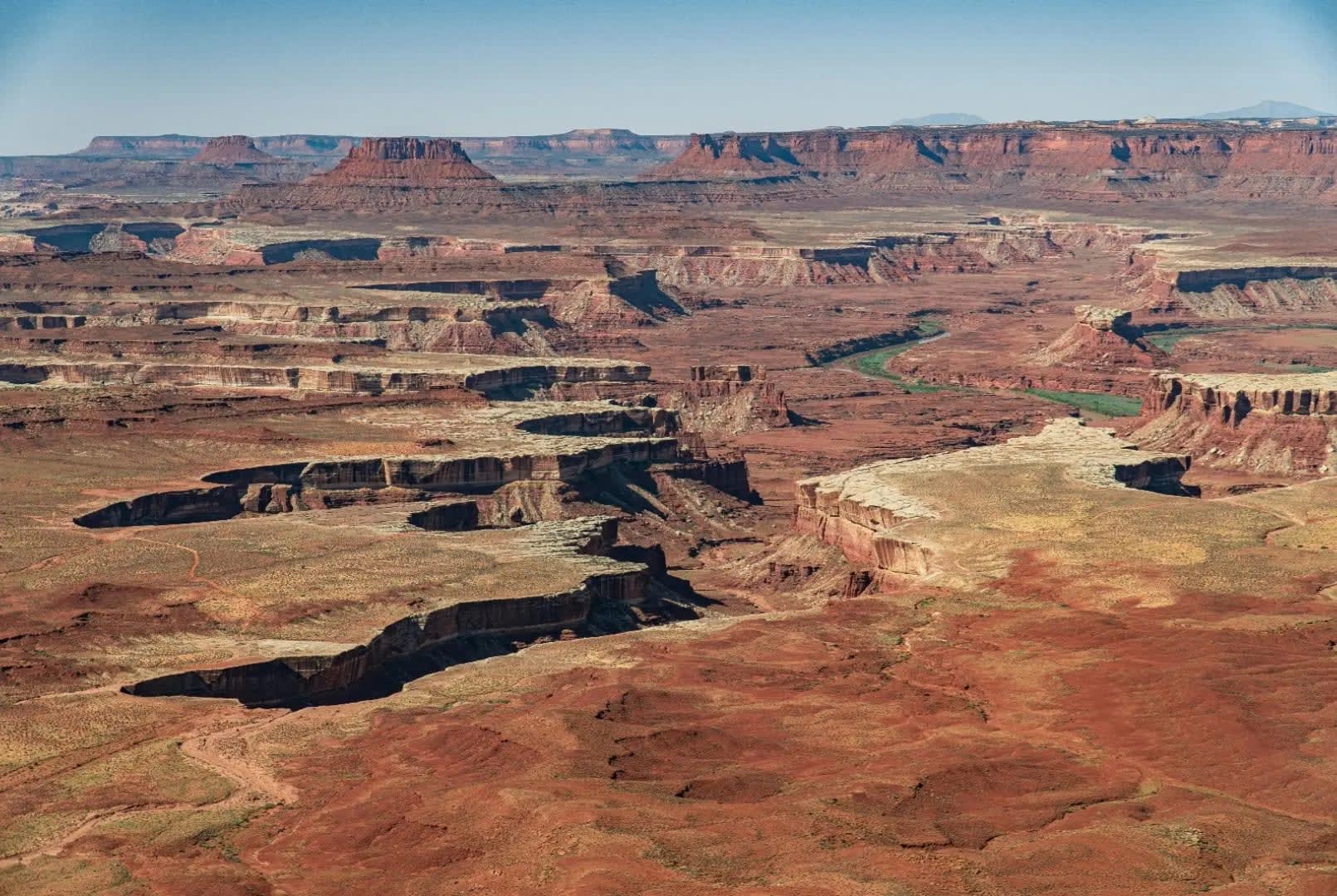
Located in southeastern Utah, Canyonlands National Park is a sprawling desert wonderland renowned for its dramatic landscapes and diverse geological formations. The park is divided into four distinct districts—Island in the Sky, The Needles, The Maze, and the Colorado River—each offering unique perspectives and experiences. With its vast canyons, towering rock formations, and expansive vistas, Canyonlands is a haven for outdoor enthusiasts and those seeking solitude in nature.
🌍 Geography and Ecosystem
Canyonlands covers over 337,000 acres and is part of the Colorado Plateau. The park's unique features include:
- Island in the Sky: This district offers panoramic views from a high mesa, providing a bird's-eye perspective of the surrounding canyons and buttes.
- The Needles: Known for its colorful spires and rock formations, this district features intricate canyons and diverse hiking opportunities.
- The Maze: A remote and rugged area characterized by its labyrinthine canyons and challenging terrain, ideal for experienced adventurers.
- Colorado River: The river winds through the park, offering opportunities for white-water rafting and scenic views from both the river and the canyon rims.
📜 History and Cultural Significance
Canyonlands National Park, located in southeastern Utah, was officially designated in 1964 to preserve its awe-inspiring scenery, complex geology, and ecological richness. However, the history of human presence in the region extends far beyond its modern establishment. For thousands of years, various Native American tribes have called this landscape home, including the Ancestral Puebloans (also known as the Anasazi) and the Ute people. These early inhabitants adapted to the rugged environment, leaving behind a wealth of cultural artifacts that survive to this day.
The petroglyphs, pictographs, pottery, and ancient tools scattered across the park reflect not only their survival techniques but also spiritual beliefs and storytelling traditions. Some of the most notable archaeological sites can be found in the Horseshoe Canyon area, where intricate rock art panels—such as the Great Gallery—depict human-like figures and mysterious symbols whose meanings remain the subject of debate among researchers. These remnants provide valuable insight into the complex lives of the indigenous peoples who thrived in this desert environment.
The history of Canyonlands also intertwines with European exploration and westward expansion in the 18th and 19th centuries. Early explorers and fur trappers, including members of the Dominguez-Escalante Expedition in 1776, were among the first outsiders to encounter the region. However, the sheer remoteness and rugged topography of the area slowed further exploration and settlement. The advent of cattle ranching in the late 19th century brought a new wave of settlers, but the unforgiving landscape proved challenging for large-scale agriculture. Remnants of old cowboy camps and trails are still visible within the park, offering a glimpse into the hardships faced by these pioneers.
In the 20th century, Canyonlands became a hub for geological exploration as scientists and surveyors sought to understand the region's dramatic rock formations, including the towering mesas, buttes, and deep canyons carved by the Green and Colorado Rivers. The park's unique topography and rich deposits of sandstone, shale, and limestone also attracted uranium prospectors during the post-World War II mining boom, though efforts to extract these resources ultimately waned due to environmental concerns.
Today, Canyonlands National Park stands as a testament to the dynamic interaction between humans and nature over millennia. From the ancient tribes who left their mark on the canyon walls to the early explorers who dared to navigate its rugged terrain, every corner of the park tells a story of survival, adaptation, and exploration.
The petroglyphs, pictographs, pottery, and ancient tools scattered across the park reflect not only their survival techniques but also spiritual beliefs and storytelling traditions. Some of the most notable archaeological sites can be found in the Horseshoe Canyon area, where intricate rock art panels—such as the Great Gallery—depict human-like figures and mysterious symbols whose meanings remain the subject of debate among researchers. These remnants provide valuable insight into the complex lives of the indigenous peoples who thrived in this desert environment.
The history of Canyonlands also intertwines with European exploration and westward expansion in the 18th and 19th centuries. Early explorers and fur trappers, including members of the Dominguez-Escalante Expedition in 1776, were among the first outsiders to encounter the region. However, the sheer remoteness and rugged topography of the area slowed further exploration and settlement. The advent of cattle ranching in the late 19th century brought a new wave of settlers, but the unforgiving landscape proved challenging for large-scale agriculture. Remnants of old cowboy camps and trails are still visible within the park, offering a glimpse into the hardships faced by these pioneers.
In the 20th century, Canyonlands became a hub for geological exploration as scientists and surveyors sought to understand the region's dramatic rock formations, including the towering mesas, buttes, and deep canyons carved by the Green and Colorado Rivers. The park's unique topography and rich deposits of sandstone, shale, and limestone also attracted uranium prospectors during the post-World War II mining boom, though efforts to extract these resources ultimately waned due to environmental concerns.
Today, Canyonlands National Park stands as a testament to the dynamic interaction between humans and nature over millennia. From the ancient tribes who left their mark on the canyon walls to the early explorers who dared to navigate its rugged terrain, every corner of the park tells a story of survival, adaptation, and exploration.
🏃 Activities and Attractions
Canyonlands offers a range of activities that cater to various interests and levels of adventure:
- Hiking: The park boasts numerous hiking trails that range from easy walks to strenuous hikes. Popular trails include the Delicate Arch Viewpoint in the Island in the Sky district and the Chesler Park Loop in The Needles.
- Mountain Biking: The park's rugged terrain offers excellent opportunities for mountain biking, particularly in The Needles and Island in the Sky districts.
- Rafting: The Colorado River provides thrilling white-water rafting opportunities, with trips that range from half-day excursions to multi-day adventures.
- Scenic Drives: Several scenic drives, including the Island in the Sky Road and the Needles Scenic Drive, offer breathtaking views of the park's landscapes without the need for extensive hiking.
💡 Travel Tips
How to Get There: Canyonlands National Park is located in southeastern Utah, approximately 30 miles from Moab. The nearest major airport is in Grand Junction, Colorado, about a 2-hour drive away. Moab is also served by a regional airport with connections to larger hubs.
Best Time to Visit: Spring and fall are the best times to visit Canyonlands, offering mild temperatures and fewer crowds. Summer temperatures can be extremely hot, especially in the lower elevations, while winter can bring cold temperatures and snow.
What to Bring: Bring plenty of water, sun protection, and layers of clothing to accommodate temperature changes. Hiking boots and a good map are essential for exploring the park's trails and canyons.
Accommodation and Services: The nearby town of Moab offers a variety of lodging, dining, and shopping options. Within the park, there are campgrounds available on a first-come, first-served basis, but reservations are recommended for peak seasons.
Best Time to Visit: Spring and fall are the best times to visit Canyonlands, offering mild temperatures and fewer crowds. Summer temperatures can be extremely hot, especially in the lower elevations, while winter can bring cold temperatures and snow.
What to Bring: Bring plenty of water, sun protection, and layers of clothing to accommodate temperature changes. Hiking boots and a good map are essential for exploring the park's trails and canyons.
Accommodation and Services: The nearby town of Moab offers a variety of lodging, dining, and shopping options. Within the park, there are campgrounds available on a first-come, first-served basis, but reservations are recommended for peak seasons.
🌱 Conservation
Canyonlands National Park is committed to preserving its unique landscapes and ecosystems. Visitors are encouraged to follow the Leave No Trace principles, which include staying on established trails, packing out all trash, and minimizing your impact on the environment. The park also has regulations to protect its fragile desert environment, including restrictions on off-road driving and camping. Respecting wildlife and observing from a distance helps ensure that these natural wonders remain intact for future generations.
✨ Conclusion
Canyonlands National Park offers a diverse and awe-inspiring natural landscape that captivates visitors with its expansive vistas and intricate rock formations. Whether you're exploring the high mesas of Island in the Sky, navigating the labyrinthine canyons of The Maze, or marveling at the colorful spires of The Needles, the park provides endless opportunities for adventure and discovery. Its remote beauty and challenging terrain make it a haven for those seeking both solitude and excitement in nature. As you explore Canyonlands, remember to respect its delicate environment and practice conservation to ensure that this remarkable landscape can be enjoyed by future generations. Canyonlands National Park is more than just a destination; it's a journey into the heart of the American West's rugged beauty.