

Acadia National Park
Located on the rugged coast of Maine, Acadia National Park is an impressive natural destination that attracts millions of visitors each year. With its unique combination of mountains, rocky shores, dense forests, and serene lakes, Acadia is a paradise for nature lovers and adventurers. The park is not only a place of stunning beauty but also a site of significant ecological importance. Visitors often find themselves captivated by the park's diverse landscapes and the sense of peace that comes from being immersed in nature.
🌍 Geography and Ecosystem
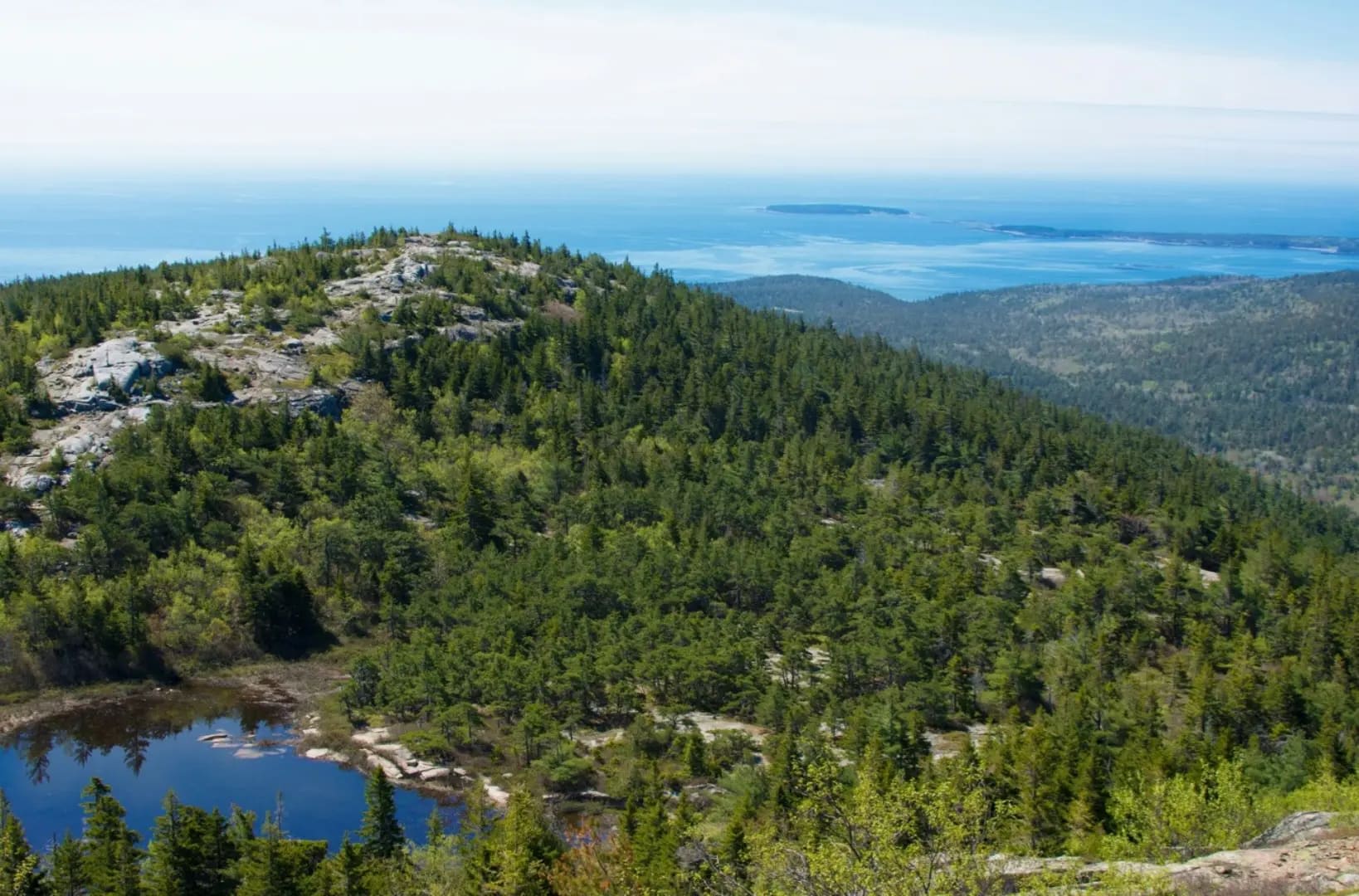
Acadia National Park covers over 49,000 acres, primarily on Mount Desert Island, but also includes smaller islands and a section of the Schoodic Peninsula. This diverse landscape features a rich tapestry of natural environments that support a wide variety of plant and animal life. The park's topography is characterized by rugged mountains, rolling hills, and steep cliffs that plunge into the Atlantic Ocean. The interplay of geological forces over millennia has created a landscape that is as challenging as it is beautiful.
- Mountains: Cadillac Mountain, the highest point on the U.S. Atlantic coast, offers breathtaking panoramic views, especially at sunrise. The mountain is composed of pink granite, a striking feature that glows warmly in the early morning light. It's not just a popular spot for tourists; it's also a vital habitat for several rare plant species.
- Rocky Coasts: The rugged cliffs and pebble beaches are iconic features, creating a dramatic coastal landscape. These rocky shores are shaped by the relentless power of the ocean, and they provide a unique habitat for tidepool organisms, as well as nesting sites for seabirds.
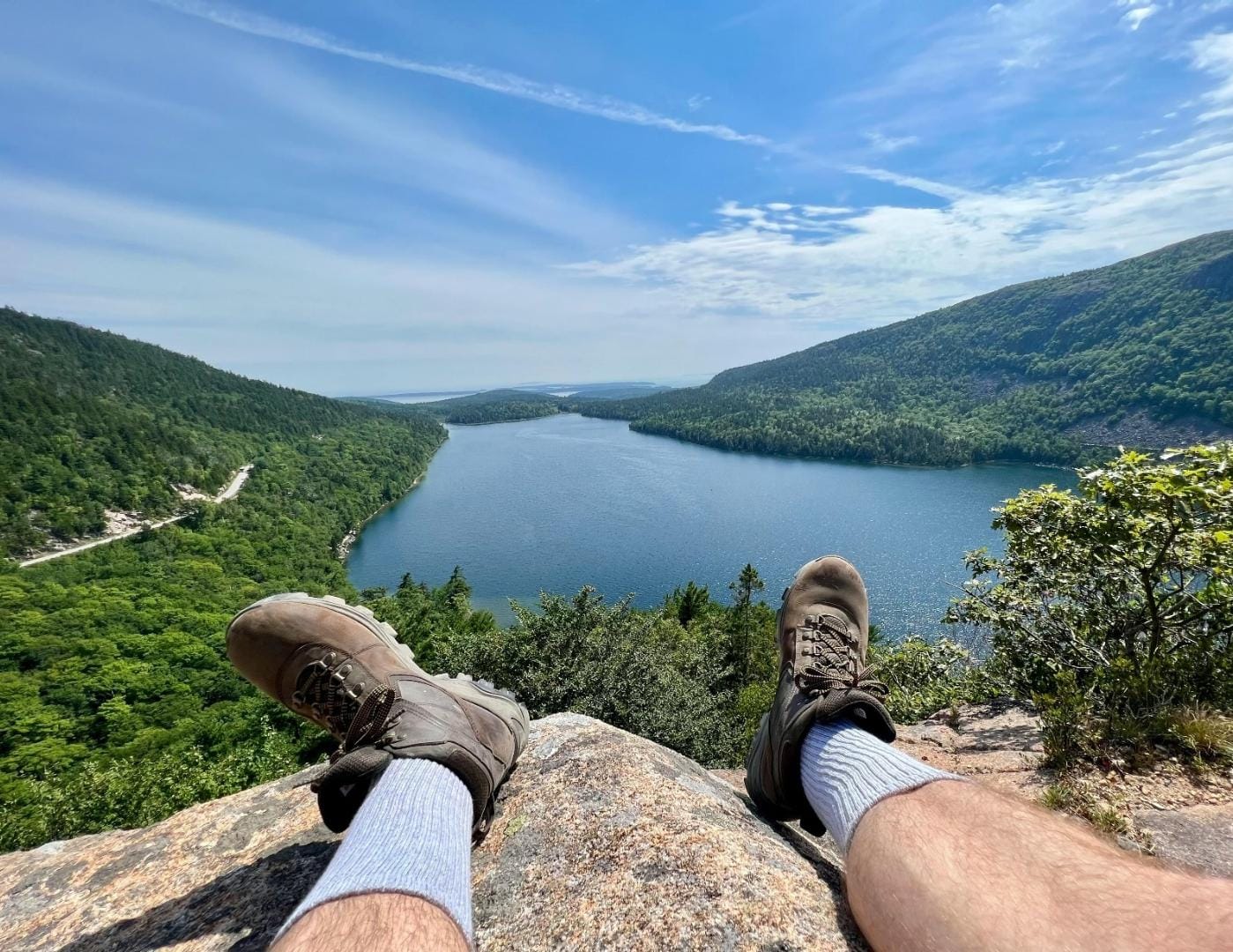
- Forests and Lakes: The dense vegetation and tranquil bodies of water, like Jordan Pond, are home to a rich variety of flora and fauna. The forests are dominated by spruce and fir trees, but you'll also find pockets of deciduous trees that add vibrant colors to the landscape in autumn. The lakes and ponds are crucial for maintaining the park's biodiversity, providing habitat for fish, amphibians, and a multitude of bird species.
- Wetlands: Acadia also includes a number of wetlands, which are essential for maintaining the park's ecological balance. These areas serve as nurseries for many aquatic species and provide food and shelter for a wide range of wildlife.
- Island Ecosystems: The smaller islands within the park are often overlooked, but they host unique ecosystems with rare and endemic species. These islands are critical for nesting seabirds and are often protected from human disturbance to preserve their fragile environments.
📜 History and Cultural Significance
Established in 1916, Acadia National Park was the first national park east of the Mississippi River. Originally known as Lafayette National Park, it was renamed Acadia in 1929 in honor of the historical region of Acadie, a former French colony. This park has been a natural refuge for centuries, first inhabited by the Wabanaki Native American tribes who considered these lands sacred. The park's history is a rich tapestry of human interaction with the natural environment, from the early Native American presence to the colonial settlers and later, the wealthy summer residents who played a pivotal role in the park's creation.
The Role of the Rockefeller Family: One of the most influential figures in the development of Acadia National Park was John D. Rockefeller Jr., who donated significant tracts of land and funded the construction of the famous Carriage Roads. These roads, built between 1913 and 1940, are a testament to Rockefeller's vision of creating a park that would be accessible to the public while preserving its natural beauty. The Carriage Roads are now a beloved feature of the park, offering visitors a peaceful way to explore Acadia's landscapes.
The Wabanaki people, who have lived in the region for thousands of years, have a deep spiritual connection to the land that is now Acadia National Park. Their knowledge of the natural world, passed down through generations, has contributed to the park's conservation practices. The Wabanaki continue to play a role in the park's management, and their cultural heritage is recognized and celebrated through various educational programs and exhibits.
The Role of the Rockefeller Family: One of the most influential figures in the development of Acadia National Park was John D. Rockefeller Jr., who donated significant tracts of land and funded the construction of the famous Carriage Roads. These roads, built between 1913 and 1940, are a testament to Rockefeller's vision of creating a park that would be accessible to the public while preserving its natural beauty. The Carriage Roads are now a beloved feature of the park, offering visitors a peaceful way to explore Acadia's landscapes.
The Wabanaki people, who have lived in the region for thousands of years, have a deep spiritual connection to the land that is now Acadia National Park. Their knowledge of the natural world, passed down through generations, has contributed to the park's conservation practices. The Wabanaki continue to play a role in the park's management, and their cultural heritage is recognized and celebrated through various educational programs and exhibits.
🏃 Activities and Attractions
Acadia is a paradise for adventurers, with activities for everyone. Whether you're looking for a challenging hike, a leisurely bike ride, or simply a place to relax and enjoy nature, Acadia has something to offer. The park's varied terrain means that there are opportunities for a wide range of outdoor activities.
- Hiking: With over 120 miles of trails, Acadia offers routes for all levels. The Precipice Trail, though challenging, rewards with spectacular views, while the Ocean Path trail is more accessible and follows the picturesque coast. Each trail offers a different perspective on the park's landscapes, from the dense forests to the open vistas atop the mountains.
- Cycling: The park features 45 miles of Carriage Roads, perfect for cycling, built by philanthropist John D. Rockefeller Jr. These roads are meticulously maintained and provide a smooth, scenic ride through the park's interior. The Carriage Roads are also popular for horseback riding and walking.
- Stargazing: Acadia is known for its clear night skies, ideal for stargazing, especially on the Schoodic Peninsula. The park is far from major urban areas, resulting in minimal light pollution and some of the best night sky views on the East Coast. The annual Acadia Night Sky Festival celebrates this natural wonder with events and activities that highlight the importance of dark sky conservation.
- Kayaking and Canoeing: The park's numerous lakes and coastal waters provide excellent opportunities for kayaking and canoeing. Paddling through the serene waters of Jordan Pond or along the rugged coastline offers a unique way to experience Acadia's natural beauty.
- Wildlife Watching: Acadia is home to a variety of wildlife, including moose, black bears, foxes, and numerous bird species. Birdwatchers flock to the park, especially during migration seasons, to observe species like the peregrine falcon, bald eagle, and various warblers.
💡 Travel Tips
How to Get There: The park is located on the coast of Maine, about three hours by car from Portland. The nearest airport is Hancock County-Bar Harbor Airport, which offers seasonal flights. Coordinates: 44.3386° N, 68.2733° W. If you're driving, it's important to plan your route in advance, as traffic can be heavy during peak seasons.
Best Time to Visit: The most popular seasons are summer and fall, when the weather is pleasant and the fall colors transform the landscape. However, each season offers its charm. Spring brings blooming wildflowers, and winter, while quieter, offers opportunities for cross-country skiing and snowshoeing.
What to Bring: Comfortable hiking clothes, a camera, binoculars for bird watching, and a park map. Don't forget to bring enough water and snacks, as some trails are long and challenging. It's also advisable to bring layers, as the weather can change quickly, especially at higher elevations.
Accommodation and Services: Bar Harbor, adjacent to the park, offers a variety of accommodation options, from hotels to campgrounds. Within the park, Jordan Pond House is famous for its popovers and tea, with spectacular views of the pond and mountains. For those looking for a more rustic experience, the park has several campgrounds, including Blackwoods and Seawall, which offer a closer connection to nature.
Best Time to Visit: The most popular seasons are summer and fall, when the weather is pleasant and the fall colors transform the landscape. However, each season offers its charm. Spring brings blooming wildflowers, and winter, while quieter, offers opportunities for cross-country skiing and snowshoeing.
What to Bring: Comfortable hiking clothes, a camera, binoculars for bird watching, and a park map. Don't forget to bring enough water and snacks, as some trails are long and challenging. It's also advisable to bring layers, as the weather can change quickly, especially at higher elevations.
Accommodation and Services: Bar Harbor, adjacent to the park, offers a variety of accommodation options, from hotels to campgrounds. Within the park, Jordan Pond House is famous for its popovers and tea, with spectacular views of the pond and mountains. For those looking for a more rustic experience, the park has several campgrounds, including Blackwoods and Seawall, which offer a closer connection to nature.
🌱 Conservation
Acadia National Park is a protected area where conservation is key. Visitors must follow 'Leave No Trace' principles to minimize their environmental impact. It’s vital to respect the flora and fauna, stay on trails, and not leave any trash. The park also has specific regulations, such as no open fires outside designated areas and following camping permit rules. The park's management works closely with local and national organizations to monitor the health of its ecosystems and to implement conservation strategies that address challenges like climate change, invasive species, and increasing visitor numbers.
Volunteer Programs: Acadia offers numerous opportunities for visitors to get involved in conservation efforts. The park's volunteer programs allow participants to help with trail maintenance, habitat restoration, and educational outreach. These programs are a great way to give back and ensure that Acadia remains a pristine environment for future generations.
Research and Monitoring: The park is also a site for ongoing scientific research. Studies on wildlife populations, plant communities, and climate change impacts are conducted regularly. This research is crucial for developing effective management strategies that protect the park's natural resources. Visitors may encounter researchers in the field and are encouraged to learn about the science behind the park's conservation efforts.
Volunteer Programs: Acadia offers numerous opportunities for visitors to get involved in conservation efforts. The park's volunteer programs allow participants to help with trail maintenance, habitat restoration, and educational outreach. These programs are a great way to give back and ensure that Acadia remains a pristine environment for future generations.
Research and Monitoring: The park is also a site for ongoing scientific research. Studies on wildlife populations, plant communities, and climate change impacts are conducted regularly. This research is crucial for developing effective management strategies that protect the park's natural resources. Visitors may encounter researchers in the field and are encouraged to learn about the science behind the park's conservation efforts.
✨ Conclusion
Acadia National Park is more than just a beautiful destination; it's a place where visitors can connect with nature, learn about history, and contribute to conservation efforts. Whether you're exploring the rugged coastline, hiking the mountain trails, or simply relaxing by a quiet pond, Acadia offers a sense of peace and wonder that is hard to find elsewhere. This park is a testament to the importance of preserving our natural spaces, not only for their ecological value but also for the inspiration and joy they bring to all who visit.