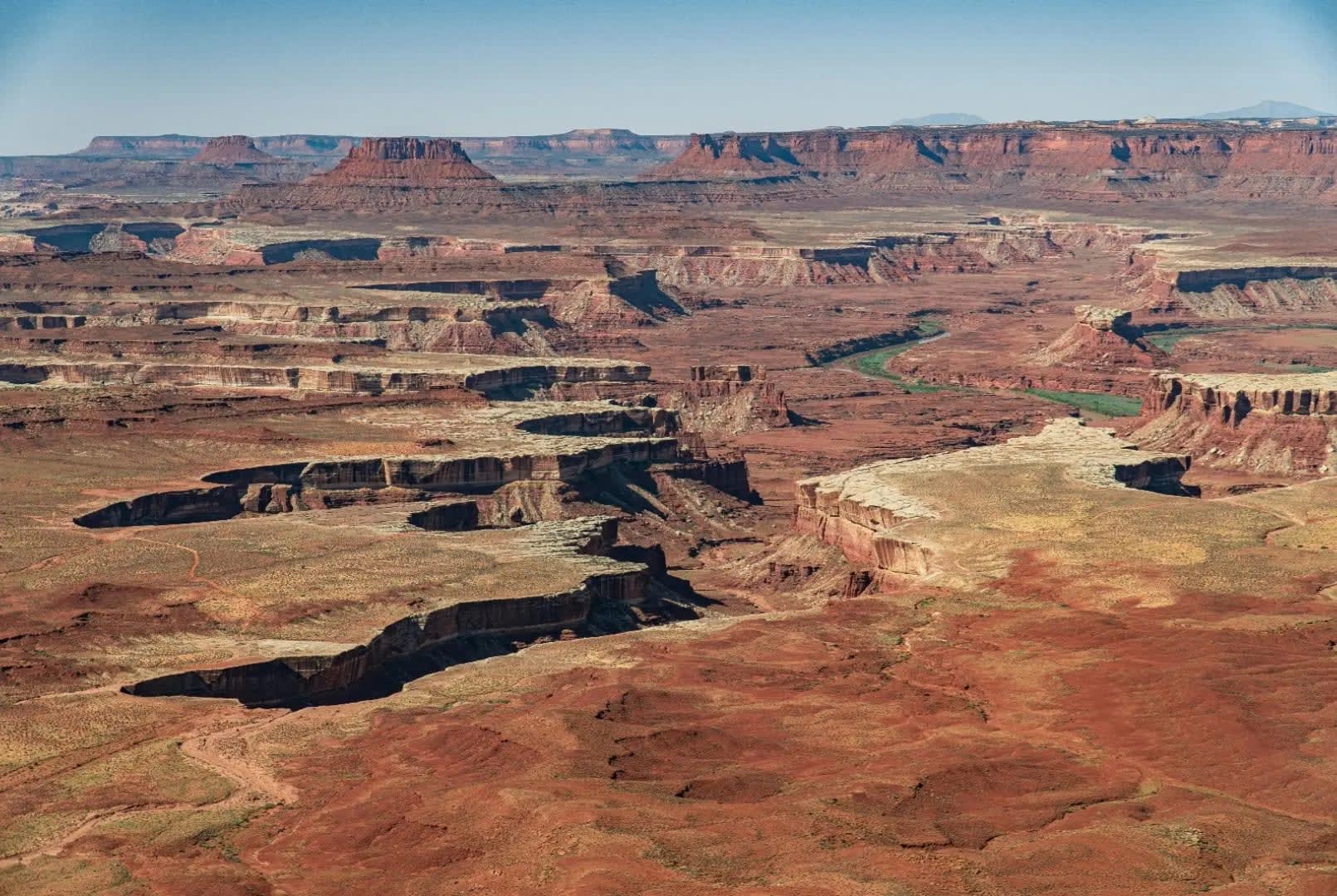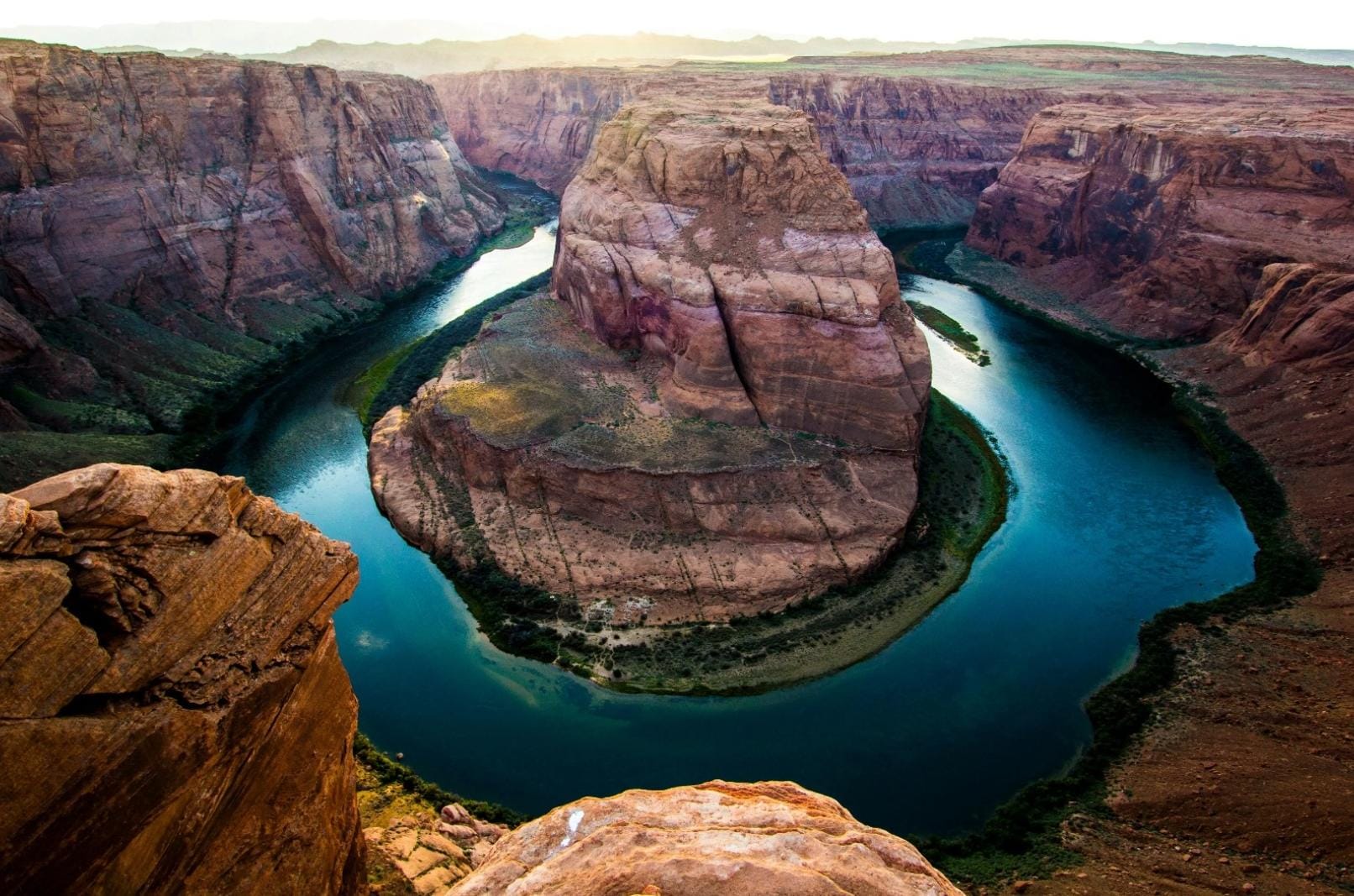


Bryce Canyon
Located in southern Utah, Bryce Canyon National Park is famous for its unique geological formations, particularly the hoodoos, which are spire-shaped rock formations that dot the landscape. The park offers stunning vistas, especially at sunrise and sunset.
🌍 Geography and Ecosystem
Bryce Canyon encompasses more than 35,000 acres and is situated within the Colorado Plateau region. The park is a geological treasure trove with various fascinating features:
- Hoodoos: These striking rock formations, also known as 'fairy chimneys,' are formed through a combination of frost-wedging and erosion. The hoodoos are the most recognizable aspect of Bryce Canyon's landscape, with their tall, slender columns of rock reaching heights of up to 150 feet.
- Natural Bridges: Bryce Canyon is home to several natural arches and bridges, which are formed through the process of erosion. These formations add to the park's dramatic scenery and offer excellent photo opportunities.
- Plateaus and Canyons: The park's landscape is characterized by a series of plateaus that are divided by deep, rugged canyons. The erosion processes have sculpted these features into a mesmerizing array of shapes and colors, creating a landscape that seems almost otherworldly.
📜 History and Cultural Significance
Bryce Canyon National Park was officially designated as a national park in 1928, though it had been recognized as a notable area of natural beauty long before that. The region has been inhabited by Native American tribes for thousands of years, with the Paiute people being the most recent inhabitants. The Paiute have a rich oral tradition, and they refer to the hoodoos as 'Legend People,' believing that these rock formations are ancient beings transformed into stone. The cultural and spiritual significance of the land is deeply rooted in the history of its native people, adding layers of meaning to the park's stunning geological features.
🏃 Activities and Attractions
Bryce Canyon offers a wide range of activities for visitors of all interests and skill levels. Whether you're a seasoned adventurer or simply looking to enjoy the natural beauty, there's something for everyone:
- Hiking: The park boasts a variety of hiking trails that cater to different levels of experience. Popular trails include the Queen's Garden Trail and the Navajo Loop Trail, both of which offer spectacular views of the hoodoos and other geological formations. These trails provide a chance to immerse yourself in the park's unique landscape and experience its beauty up close.
- Stargazing: Due to its remote location and minimal light pollution, Bryce Canyon is renowned as one of the best stargazing destinations in the United States. The park offers crystal-clear night skies that are ideal for observing celestial phenomena, making it a favorite spot for amateur and professional astronomers alike.
- Ranger Programs: The park offers a variety of ranger-led programs designed to enhance visitors' understanding of the park's natural and cultural history. These programs include informative talks about the night sky, geology walks, and educational tours that provide deeper insights into the park's features and conservation efforts.
💡 Travel Tips
How to Get There: Bryce Canyon is located in southern Utah, approximately 4 hours by car from Las Vegas. The nearest airport is Cedar City Regional Airport, which is about 1.5 hours away. From the airport, you can rent a car or take a shuttle service to reach the park.
Best Time to Visit: The ideal times to visit Bryce Canyon are during the spring and fall when the weather is mild and the crowds are smaller. Summer is the peak tourist season, offering warmer weather and longer daylight hours. Winter, while colder, provides a unique experience with the possibility of snow-covered hoodoos, adding a magical touch to the landscape.
What to Bring: Be prepared for varying temperatures by dressing in layers. Bring a camera to capture the park's breathtaking views, sunscreen to protect against sun exposure, and plenty of water to stay hydrated. Additionally, comfortable hiking shoes are essential if you plan to explore the park's trails.
Accommodation and Services: Bryce Canyon City, located just outside the park's entrance, offers a range of lodging and dining options. For a more immersive experience, consider staying at the Bryce Canyon Lodge, which is situated within the park and provides historic accommodations close to the main attractions.
Best Time to Visit: The ideal times to visit Bryce Canyon are during the spring and fall when the weather is mild and the crowds are smaller. Summer is the peak tourist season, offering warmer weather and longer daylight hours. Winter, while colder, provides a unique experience with the possibility of snow-covered hoodoos, adding a magical touch to the landscape.
What to Bring: Be prepared for varying temperatures by dressing in layers. Bring a camera to capture the park's breathtaking views, sunscreen to protect against sun exposure, and plenty of water to stay hydrated. Additionally, comfortable hiking shoes are essential if you plan to explore the park's trails.
Accommodation and Services: Bryce Canyon City, located just outside the park's entrance, offers a range of lodging and dining options. For a more immersive experience, consider staying at the Bryce Canyon Lodge, which is situated within the park and provides historic accommodations close to the main attractions.
🌱 Conservation
Bryce Canyon National Park is dedicated to preserving its natural beauty and ensuring that future generations can enjoy its wonders. Visitors are encouraged to follow the Leave No Trace principles, which include staying on designated trails, packing out all trash, and minimizing your impact on the environment. Respecting wildlife by observing from a distance and not feeding animals is crucial for their safety and well-being. Additionally, the park has strict regulations regarding fires and camping, so make sure to adhere to these rules to help protect the park's delicate ecosystem.
✨ Conclusion
Bryce Canyon National Park stands as a testament to the grandeur of nature's artistry. With its unparalleled geological formations, diverse ecosystems, and rich cultural history, the park offers an experience that is both visually stunning and profoundly educational. From the surreal hoodoos that dominate the landscape to the serene starlit skies, Bryce Canyon provides a unique opportunity to connect with nature in a way that few other places can. Whether you're hiking through its trails, marveling at its rock formations, or simply enjoying the tranquility of the night sky, Bryce Canyon promises an unforgettable adventure. As you explore this natural wonder, remember to respect its delicate environment and follow conservation practices to help preserve its beauty for future generations. Visiting Bryce Canyon is not just a trip; it’s an immersion into one of the most captivating landscapes on Earth.