


Yosemite National Park
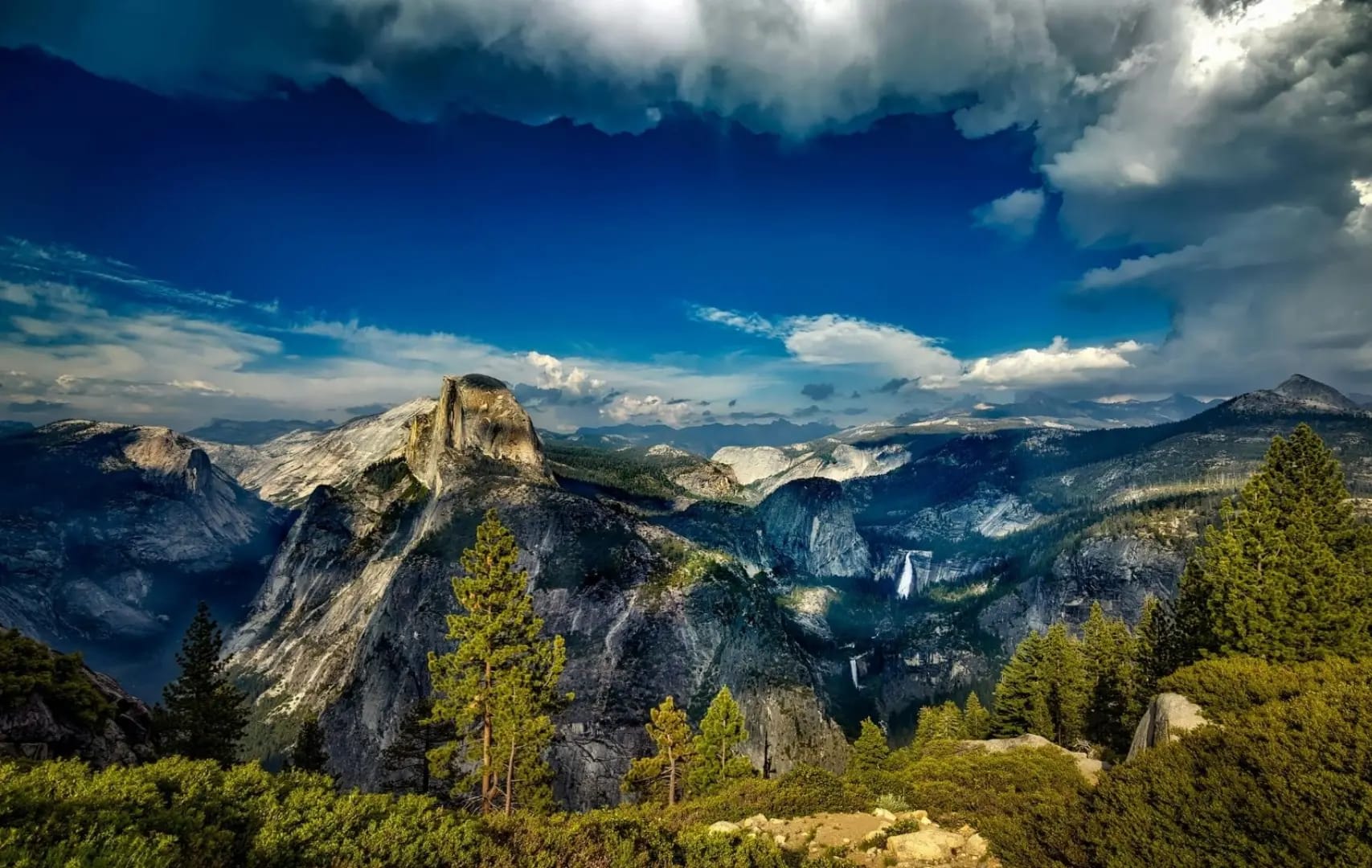
Yosemite National Park, located in California's Sierra Nevada mountains, is renowned for its stunning natural beauty, including majestic waterfalls, towering granite cliffs, and ancient giant sequoias. Established in 1890, Yosemite covers over 750,000 acres and is celebrated for its iconic landmarks like El Capitan, Half Dome, and Yosemite Falls. The park's diverse landscapes offer unparalleled opportunities for outdoor activities, making it a premier destination for nature lovers and adventure seekers alike.
🌍 Geography and Ecosystem
Yosemite National Park features a range of dramatic landscapes and ecosystems, shaped by glacial activity and diverse climates:
- Granite Cliffs: The park is famous for its imposing granite formations, including El Capitan and Half Dome. These sheer rock faces are popular among climbers and offer breathtaking views.
- Waterfalls: Yosemite is home to some of the tallest waterfalls in North America, including Yosemite Falls, which consists of three separate falls with a total drop of 2,425 feet.
- Giant Sequoias: The park contains several groves of giant sequoias, including the famous Mariposa Grove. These ancient trees are among the largest and oldest living organisms on Earth.
- Alpine Meadows and Forests: At higher elevations, the park features alpine meadows and forests of pine, fir, and cedar, providing habitats for diverse wildlife and scenic beauty.
📜 History and Cultural Significance
Yosemite National Park, located in the Sierra Nevada mountains of California, has a long and rich history, encompassing both cultural heritage and environmental conservation. Long before its designation as a national park, the region was home to the Miwok and Paiute tribes, who inhabited the area for thousands of years. For these indigenous groups, the land was sacred, and they developed sustainable practices to use its resources without depleting them. They fished in the rivers, hunted game, and gathered acorns from the oak woodlands, all while living in harmony with the environment. Many features of the park, such as El Capitan and Half Dome, hold deep spiritual significance and are central to their oral histories and traditions.
Evidence of their presence, including grinding stones, petroglyphs, and basketry, remains within the park today. Some of the trails that visitors hike today were originally used by these tribes as trade routes. The Ahwahneechee, a band of Miwok people, lived in Yosemite Valley and passed down legends of the valley’s creation, adding cultural depth to the awe-inspiring landscapes.
The modern history of Yosemite’s conservation began in the mid-19th century. The California Gold Rush of the 1840s and 1850s brought an influx of settlers, prospectors, and explorers to the region, which led to conflicts with Native American tribes and the displacement of indigenous people from their ancestral lands. As more settlers arrived, naturalists and early conservationists recognized the need to protect Yosemite’s unique environment from development and exploitation.
John Muir, one of the most influential figures in the conservation movement, played a pivotal role in advocating for the protection of Yosemite. In the 1860s, Muir lived in the Yosemite Valley and became deeply connected to the landscape, describing it as 'the grandest of all special temples of nature.' Through his writings and activism, Muir helped convince political leaders, including President Theodore Roosevelt, to protect the area as a national treasure. Roosevelt himself visited Yosemite in 1903, camping with Muir under the stars and becoming a lifelong advocate for conservation.
The park was officially established in 1890, making Yosemite one of the earliest national parks in the United States. Its designation as a national park was a key moment in the development of the national park system, inspiring future efforts to preserve America’s natural landscapes. In fact, the idea of national parks as “public land for public good” took root in places like Yosemite, setting a precedent for future conservation efforts around the world.
In addition to its cultural and historical significance, Yosemite is renowned for its breathtaking natural features, including granite cliffs, waterfalls, sequoia groves, and diverse ecosystems. Landmarks like Yosemite Falls, Half Dome, and El Capitan attract climbers, photographers, and nature enthusiasts from all over the world, making the park a symbol of both adventure and natural beauty.
The preservation of Yosemite continues to be a balancing act between conservation and public access. As visitor numbers have grown over the decades, the park has faced challenges related to overcrowding and environmental impact. Nevertheless, it remains a hub for scientific research, ecological restoration, and sustainable tourism efforts. Researchers study the park’s ecosystems, tracking changes in wildlife populations and the effects of climate change on the glaciers, meadows, and rivers within the park.
Today, Yosemite National Park stands as an enduring symbol of natural preservation, cultural heritage, and environmental stewardship. It is visited by millions each year, offering opportunities for hiking, camping, rock climbing, and reflection in one of the most iconic landscapes in the world. The legacy of the Miwok and Paiute tribes, combined with the efforts of conservationists like John Muir, ensures that Yosemite remains a place of inspiration and natural wonder for future generations.
Evidence of their presence, including grinding stones, petroglyphs, and basketry, remains within the park today. Some of the trails that visitors hike today were originally used by these tribes as trade routes. The Ahwahneechee, a band of Miwok people, lived in Yosemite Valley and passed down legends of the valley’s creation, adding cultural depth to the awe-inspiring landscapes.
The modern history of Yosemite’s conservation began in the mid-19th century. The California Gold Rush of the 1840s and 1850s brought an influx of settlers, prospectors, and explorers to the region, which led to conflicts with Native American tribes and the displacement of indigenous people from their ancestral lands. As more settlers arrived, naturalists and early conservationists recognized the need to protect Yosemite’s unique environment from development and exploitation.
John Muir, one of the most influential figures in the conservation movement, played a pivotal role in advocating for the protection of Yosemite. In the 1860s, Muir lived in the Yosemite Valley and became deeply connected to the landscape, describing it as 'the grandest of all special temples of nature.' Through his writings and activism, Muir helped convince political leaders, including President Theodore Roosevelt, to protect the area as a national treasure. Roosevelt himself visited Yosemite in 1903, camping with Muir under the stars and becoming a lifelong advocate for conservation.
The park was officially established in 1890, making Yosemite one of the earliest national parks in the United States. Its designation as a national park was a key moment in the development of the national park system, inspiring future efforts to preserve America’s natural landscapes. In fact, the idea of national parks as “public land for public good” took root in places like Yosemite, setting a precedent for future conservation efforts around the world.
In addition to its cultural and historical significance, Yosemite is renowned for its breathtaking natural features, including granite cliffs, waterfalls, sequoia groves, and diverse ecosystems. Landmarks like Yosemite Falls, Half Dome, and El Capitan attract climbers, photographers, and nature enthusiasts from all over the world, making the park a symbol of both adventure and natural beauty.
The preservation of Yosemite continues to be a balancing act between conservation and public access. As visitor numbers have grown over the decades, the park has faced challenges related to overcrowding and environmental impact. Nevertheless, it remains a hub for scientific research, ecological restoration, and sustainable tourism efforts. Researchers study the park’s ecosystems, tracking changes in wildlife populations and the effects of climate change on the glaciers, meadows, and rivers within the park.
Today, Yosemite National Park stands as an enduring symbol of natural preservation, cultural heritage, and environmental stewardship. It is visited by millions each year, offering opportunities for hiking, camping, rock climbing, and reflection in one of the most iconic landscapes in the world. The legacy of the Miwok and Paiute tribes, combined with the efforts of conservationists like John Muir, ensures that Yosemite remains a place of inspiration and natural wonder for future generations.
🏃 Activities and Attractions
Yosemite National Park offers a wide range of activities and attractions for visitors of all interests and skill levels:
- Hiking: The park features over 750 miles of hiking trails, from easy walks to challenging climbs. Popular hikes include the Mist Trail to Vernal Fall, the John Muir Trail to the summit of Half Dome, and the Yosemite Valley Loop Trail.
- Rock Climbing: Yosemite is renowned for its world-class climbing opportunities, particularly on El Capitan. Climbers of all skill levels can find routes ranging from beginner-friendly to expert-level challenges.
- Wildlife Viewing: The park is home to diverse wildlife, including black bears, mule deer, and bobcats. Wildlife viewing is best during early morning or late evening, and visitors should observe animals from a safe distance.
- Scenic Drives: Yosemite's scenic drives, such as the Tioga Road and the Glacier Point Road, offer stunning views of the park's landscapes and access to key viewpoints and trailheads.
💡 Travel Tips
How to Get There: Yosemite National Park is located in central California, approximately 80 miles from Fresno. The park can be accessed via several entrances, including the Big Oak Flat Entrance, the South Entrance, and the Tioga Pass Entrance. The nearest major airports are in Fresno and Sacramento.
Best Time to Visit: The summer months (June to August) are the most popular due to favorable weather and full access to park facilities. Spring and fall offer cooler temperatures and fewer crowds, while winter provides opportunities for snow sports and fewer visitors. Note that some park areas may be closed during winter due to snow.
What to Bring: Bring layered clothing to accommodate variable weather conditions, especially if hiking or camping. Essential items include water, sun protection, and sturdy footwear. A camera is also recommended to capture the park's stunning scenery.
Accommodation and Services: The park offers a range of lodging options, including campgrounds and historic lodges. Nearby towns, such as Mariposa and Groveland, provide additional accommodation, dining, and shopping options.
Best Time to Visit: The summer months (June to August) are the most popular due to favorable weather and full access to park facilities. Spring and fall offer cooler temperatures and fewer crowds, while winter provides opportunities for snow sports and fewer visitors. Note that some park areas may be closed during winter due to snow.
What to Bring: Bring layered clothing to accommodate variable weather conditions, especially if hiking or camping. Essential items include water, sun protection, and sturdy footwear. A camera is also recommended to capture the park's stunning scenery.
Accommodation and Services: The park offers a range of lodging options, including campgrounds and historic lodges. Nearby towns, such as Mariposa and Groveland, provide additional accommodation, dining, and shopping options.
🌱 Conservation
Yosemite National Park is dedicated to preserving its natural beauty and protecting its diverse ecosystems. Visitors are encouraged to follow Leave No Trace principles by staying on designated trails, packing out all trash, and respecting wildlife. The park also has regulations to protect its fragile environments and wildlife, including restrictions on feeding animals and guidelines for safe and responsible recreation. By adhering to these practices, visitors help ensure that Yosemite's stunning landscapes and natural heritage remain intact for future generations.
✨ Conclusion
Yosemite National Park stands as a testament to the beauty and power of nature, offering a diverse array of landscapes, from its iconic granite cliffs to its ancient giant sequoias. As the jewel of the Sierra Nevada, Yosemite provides an exceptional experience for outdoor enthusiasts, photographers, and anyone seeking to connect with the natural world. Whether you're hiking its trails, climbing its cliffs, or simply taking in the stunning views, Yosemite invites you to immerse yourself in its splendor. As you explore this remarkable park, remember to respect its natural environments and follow conservation practices to help preserve its beauty for future generations. Yosemite is not just a destination; it's a celebration of nature's grandeur and a reminder of our responsibility to protect and cherish it.