
Yellowstone
Yellowstone National Park, established in 1872, is the world's first national park and is located primarily in the U.S. state of Wyoming, although it also extends into Montana and Idaho. The park is renowned for its geothermal features, including geysers, hot springs, and fumaroles, as well as its diverse wildlife and stunning landscapes. Yellowstone encompasses over 2.2 million acres of wilderness, offering visitors a chance to experience some of the most remarkable natural phenomena on the planet.
🌍 Geography and Ecosystem
Yellowstone National Park features a diverse range of geological formations and ecosystems, shaped by its unique volcanic activity and varying elevations:
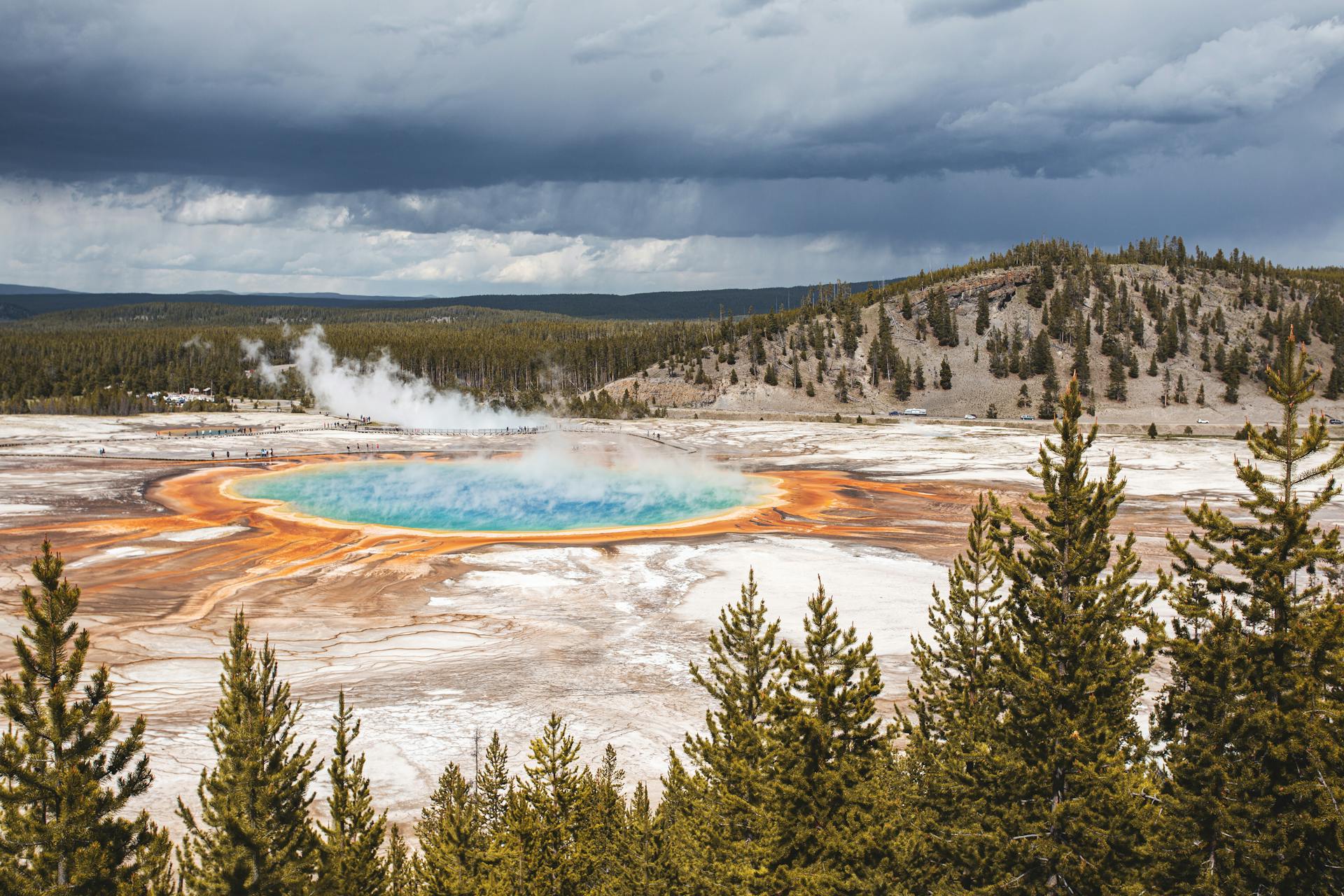
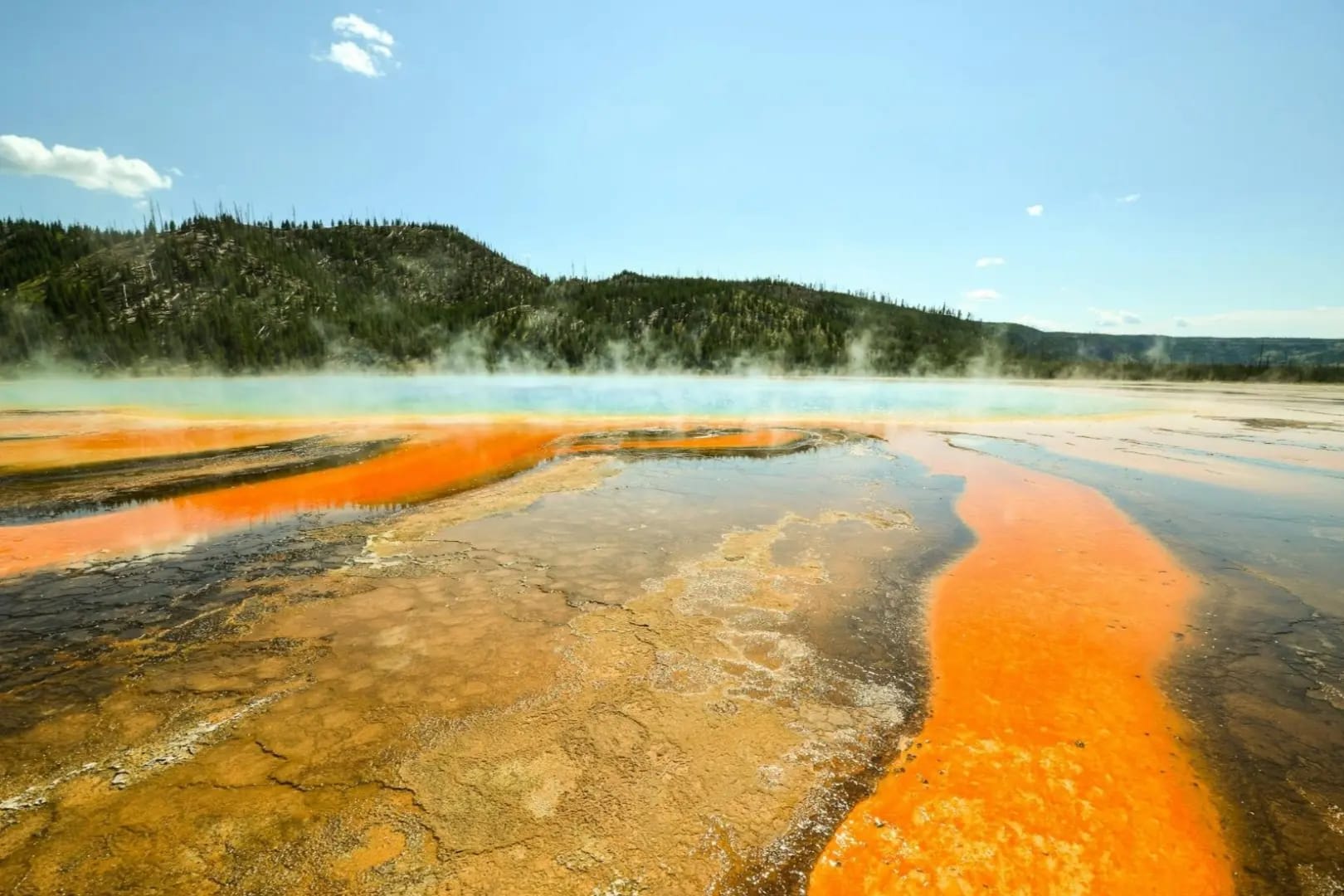
- Geothermal Features: Yellowstone is famous for its geothermal activity, which includes over 10,000 thermal features. Key highlights include the Old Faithful geyser, which erupts approximately every 90 minutes, and the Grand Prismatic Spring, known for its vibrant, multi-colored waters.
- Volcanic Caldera: The park sits atop a supervolcano, and the caldera created by past eruptions contributes to its geothermal activity. The caldera is a massive depression resulting from a volcanic eruption.
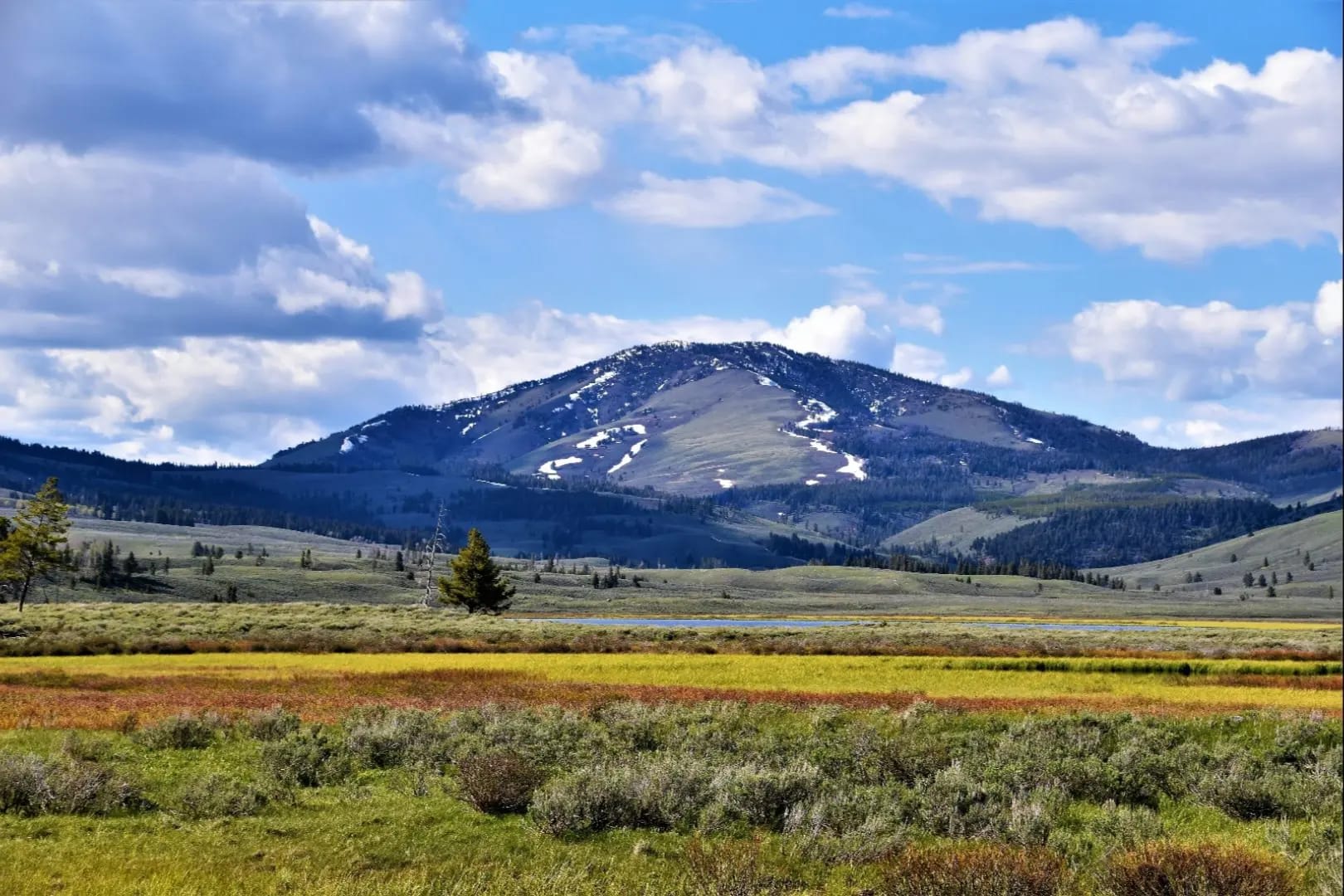
- Mountain Ranges: The park is surrounded by mountain ranges, including the Absaroka Range to the east and the Teton Range to the south. These ranges add to the park's dramatic topography.
- Lakes and Rivers: Yellowstone contains several large lakes, such as Yellowstone Lake, and is drained by major rivers including the Yellowstone River, which flows northward through the park and into the Missouri River system.
📜 History and Cultural Significance
Yellowstone National Park, located primarily in Wyoming with parts extending into Montana and Idaho, was established on March 1, 1872, becoming the first national park in the world. The park’s creation reflected a groundbreaking commitment to preserving natural landscapes for public enjoyment, scientific research, and future generations. It marked the beginning of the national park movement, which later inspired the establishment of protected areas across the globe. Today, Yellowstone remains a symbol of the power of conservation, recognized for both its ecological importance and its status as a UNESCO World Heritage Site.
Long before European explorers set foot in the region, Native American tribes, including the Crow, Shoshone, and Nez Perce, lived in and traveled through the area. These tribes revered the land and its unique geothermal features, such as geysers and hot springs, seeing them as both spiritually significant and valuable for practical uses. Archaeological evidence suggests that indigenous people have inhabited Yellowstone for at least 11,000 years, using the area for hunting, gathering, and ceremonial practices. Obsidian from Yellowstone's volcanic deposits was a prized resource, traded widely across North America and used by Native Americans to make tools and weapons.
The geothermal features that Yellowstone is famous for—such as Old Faithful Geyser, Mammoth Hot Springs, and the Grand Prismatic Spring—are intertwined with indigenous oral traditions and spiritual beliefs. The land was seen not only as a place of sustenance but also as one of deep cultural meaning. Even today, Native American groups continue to advocate for the protection of their ancestral lands within the park’s boundaries and seek recognition of their historical connections to this extraordinary landscape.
European exploration of Yellowstone began in the early 19th century, with fur trappers and mountain men venturing into the area. However, their accounts of boiling mud pots, erupting geysers, and rainbow-colored springs were often met with skepticism. It wasn’t until the 1869-1871 Hayden Expedition, led by geologist Ferdinand V. Hayden, that scientific documentation of the park's geothermal wonders began to convince the public and government officials of its significance. Accompanied by photographers and artists, including painter Thomas Moran, the expedition’s findings captured the imagination of the American public and helped galvanize support for the creation of Yellowstone National Park.
The formal establishment of Yellowstone in 1872 marked the beginning of a revolutionary approach to land management, prioritizing conservation and public access over exploitation. Unlike other parts of the American West, Yellowstone was spared from development pressures like mining, logging, and large-scale settlement. Instead, it was managed as a public trust, setting the precedent for the creation of future national parks in the United States and beyond.
In the early years, however, managing the park posed challenges, including conflicts with Native American groups. Some tribes were displaced or restricted from accessing traditional hunting grounds within the park’s boundaries as tourism and park policies expanded. Additionally, early park managers struggled to protect the wildlife from poaching and over-hunting, as buffalo, elk, and other species were heavily targeted by hunters. Over time, conservation efforts improved, leading to the reintroduction of species like the bison and the establishment of protections for endangered animals such as the gray wolf.
Today, Yellowstone is celebrated not only for its geothermal features but also for its biodiversity and dynamic ecosystems. The park supports a variety of wildlife, including bison, grizzly bears, wolves, and elk, all of which thrive within the park’s vast wilderness. Scientific research remains a key aspect of Yellowstone’s mission, with ongoing studies focused on geology, wildlife conservation, and the effects of climate change.
Each year, millions of visitors from around the world come to Yellowstone to experience its natural wonders, contributing to the park’s reputation as one of the most iconic protected areas on the planet. Its influence extends far beyond the boundaries of the United States, inspiring the creation of other national parks and protected areas worldwide. The legacy of Yellowstone National Park serves as a reminder of the importance of preserving the natural and cultural heritage of our planet for future generations.
Long before European explorers set foot in the region, Native American tribes, including the Crow, Shoshone, and Nez Perce, lived in and traveled through the area. These tribes revered the land and its unique geothermal features, such as geysers and hot springs, seeing them as both spiritually significant and valuable for practical uses. Archaeological evidence suggests that indigenous people have inhabited Yellowstone for at least 11,000 years, using the area for hunting, gathering, and ceremonial practices. Obsidian from Yellowstone's volcanic deposits was a prized resource, traded widely across North America and used by Native Americans to make tools and weapons.
The geothermal features that Yellowstone is famous for—such as Old Faithful Geyser, Mammoth Hot Springs, and the Grand Prismatic Spring—are intertwined with indigenous oral traditions and spiritual beliefs. The land was seen not only as a place of sustenance but also as one of deep cultural meaning. Even today, Native American groups continue to advocate for the protection of their ancestral lands within the park’s boundaries and seek recognition of their historical connections to this extraordinary landscape.
European exploration of Yellowstone began in the early 19th century, with fur trappers and mountain men venturing into the area. However, their accounts of boiling mud pots, erupting geysers, and rainbow-colored springs were often met with skepticism. It wasn’t until the 1869-1871 Hayden Expedition, led by geologist Ferdinand V. Hayden, that scientific documentation of the park's geothermal wonders began to convince the public and government officials of its significance. Accompanied by photographers and artists, including painter Thomas Moran, the expedition’s findings captured the imagination of the American public and helped galvanize support for the creation of Yellowstone National Park.
The formal establishment of Yellowstone in 1872 marked the beginning of a revolutionary approach to land management, prioritizing conservation and public access over exploitation. Unlike other parts of the American West, Yellowstone was spared from development pressures like mining, logging, and large-scale settlement. Instead, it was managed as a public trust, setting the precedent for the creation of future national parks in the United States and beyond.
In the early years, however, managing the park posed challenges, including conflicts with Native American groups. Some tribes were displaced or restricted from accessing traditional hunting grounds within the park’s boundaries as tourism and park policies expanded. Additionally, early park managers struggled to protect the wildlife from poaching and over-hunting, as buffalo, elk, and other species were heavily targeted by hunters. Over time, conservation efforts improved, leading to the reintroduction of species like the bison and the establishment of protections for endangered animals such as the gray wolf.
Today, Yellowstone is celebrated not only for its geothermal features but also for its biodiversity and dynamic ecosystems. The park supports a variety of wildlife, including bison, grizzly bears, wolves, and elk, all of which thrive within the park’s vast wilderness. Scientific research remains a key aspect of Yellowstone’s mission, with ongoing studies focused on geology, wildlife conservation, and the effects of climate change.
Each year, millions of visitors from around the world come to Yellowstone to experience its natural wonders, contributing to the park’s reputation as one of the most iconic protected areas on the planet. Its influence extends far beyond the boundaries of the United States, inspiring the creation of other national parks and protected areas worldwide. The legacy of Yellowstone National Park serves as a reminder of the importance of preserving the natural and cultural heritage of our planet for future generations.
🏃 Activities and Attractions
Yellowstone National Park offers a wide range of activities and attractions for visitors to enjoy:
- Geothermal Exploration: Visitors can explore a variety of geothermal features, including geysers, hot springs, and mud pots. Popular spots include Old Faithful, the Grand Prismatic Spring, and the Norris Geyser Basin.
- Wildlife Viewing: The park is home to diverse wildlife, including bison, elk, grizzly bears, and wolves. Wildlife viewing is best during early morning and late evening hours, with key areas for sightings including Lamar Valley and Hayden Valley.
- Hiking: Yellowstone features over 900 miles of hiking trails, ranging from easy walks to challenging backcountry hikes. Popular trails include the hike to Mount Washburn, the Yellowstone Canyon Rim Trail, and the Fairy Falls Trail.
- Scenic Drives: The park's scenic drives, such as the Grand Loop Road, offer stunning views of the park's diverse landscapes and geothermal features. The road network connects major attractions and provides access to various viewpoints.
💡 Travel Tips
How to Get There: Yellowstone National Park is located in the U.S. states of Wyoming, Montana, and Idaho. The park can be accessed from several entrances, including the North Entrance (Gardiner, MT), the West Entrance (West Yellowstone, MT), the South Entrance (Jackson, WY), and the East Entrance (Cody, WY). The nearest major airport is in Bozeman, Montana, about 90 miles from the park's north entrance.
Best Time to Visit: The summer months (June to August) are the most popular time to visit due to favorable weather and open facilities. Spring and fall offer cooler temperatures and fewer crowds, while winter provides opportunities for snowshoeing and cross-country skiing, though some areas of the park may be closed due to snow.
What to Bring: Bring layered clothing to accommodate changing temperatures, especially if exploring geothermal areas or hiking at high elevations. Essential items include water, sun protection, a camera, and bear spray for safety in wildlife areas.
Accommodation and Services: The park offers a variety of lodging options, including campgrounds and historic lodges. Nearby towns, such as Jackson, Cody, and West Yellowstone, provide additional accommodations, dining, and shopping options.
Best Time to Visit: The summer months (June to August) are the most popular time to visit due to favorable weather and open facilities. Spring and fall offer cooler temperatures and fewer crowds, while winter provides opportunities for snowshoeing and cross-country skiing, though some areas of the park may be closed due to snow.
What to Bring: Bring layered clothing to accommodate changing temperatures, especially if exploring geothermal areas or hiking at high elevations. Essential items include water, sun protection, a camera, and bear spray for safety in wildlife areas.
Accommodation and Services: The park offers a variety of lodging options, including campgrounds and historic lodges. Nearby towns, such as Jackson, Cody, and West Yellowstone, provide additional accommodations, dining, and shopping options.
🌱 Conservation
Yellowstone National Park is dedicated to preserving its natural landscapes and unique geothermal features. Visitors are encouraged to follow Leave No Trace principles by staying on designated trails, packing out all trash, and respecting wildlife. The park also has regulations to protect its geothermal features and wildlife, including restrictions on approaching geothermal features and guidelines for safe wildlife viewing. Adhering to these practices helps ensure that Yellowstone remains a pristine and inspiring destination for future generations.
✨ Conclusion
Yellowstone National Park stands as a testament to the wonders of the natural world, offering an unparalleled experience of geothermal activity, diverse wildlife, and stunning landscapes. As the world's first national park, Yellowstone has set the standard for conservation and outdoor recreation. Whether you're marveling at the explosive eruptions of Old Faithful, gazing at the vibrant colors of the Grand Prismatic Spring, or exploring the park's vast wilderness, Yellowstone provides an unforgettable journey into the heart of nature's power and beauty. As you explore this iconic destination, remember to respect its unique features and follow conservation practices to help preserve its splendor for future generations. Yellowstone is more than just a park; it’s a living legacy of our natural heritage.