
Sequoia and Kings Canyon
Sequoia and Kings Canyon National Parks, located in the southern Sierra Nevada mountains of California, are renowned for their awe-inspiring giant sequoia trees and dramatic landscapes. Covering over 1.3 million acres, these adjacent parks offer a unique combination of towering trees, rugged mountains, and deep canyons. From the iconic General Sherman Tree to the stunning vistas of Kings Canyon, these parks provide an unparalleled opportunity to connect with nature’s grandeur and experience the majesty of some of the world's largest trees.
🌍 Geography and Ecosystem
Sequoia and Kings Canyon National Parks encompass a diverse range of landscapes and ecosystems, shaped by their mountainous terrain and unique flora:
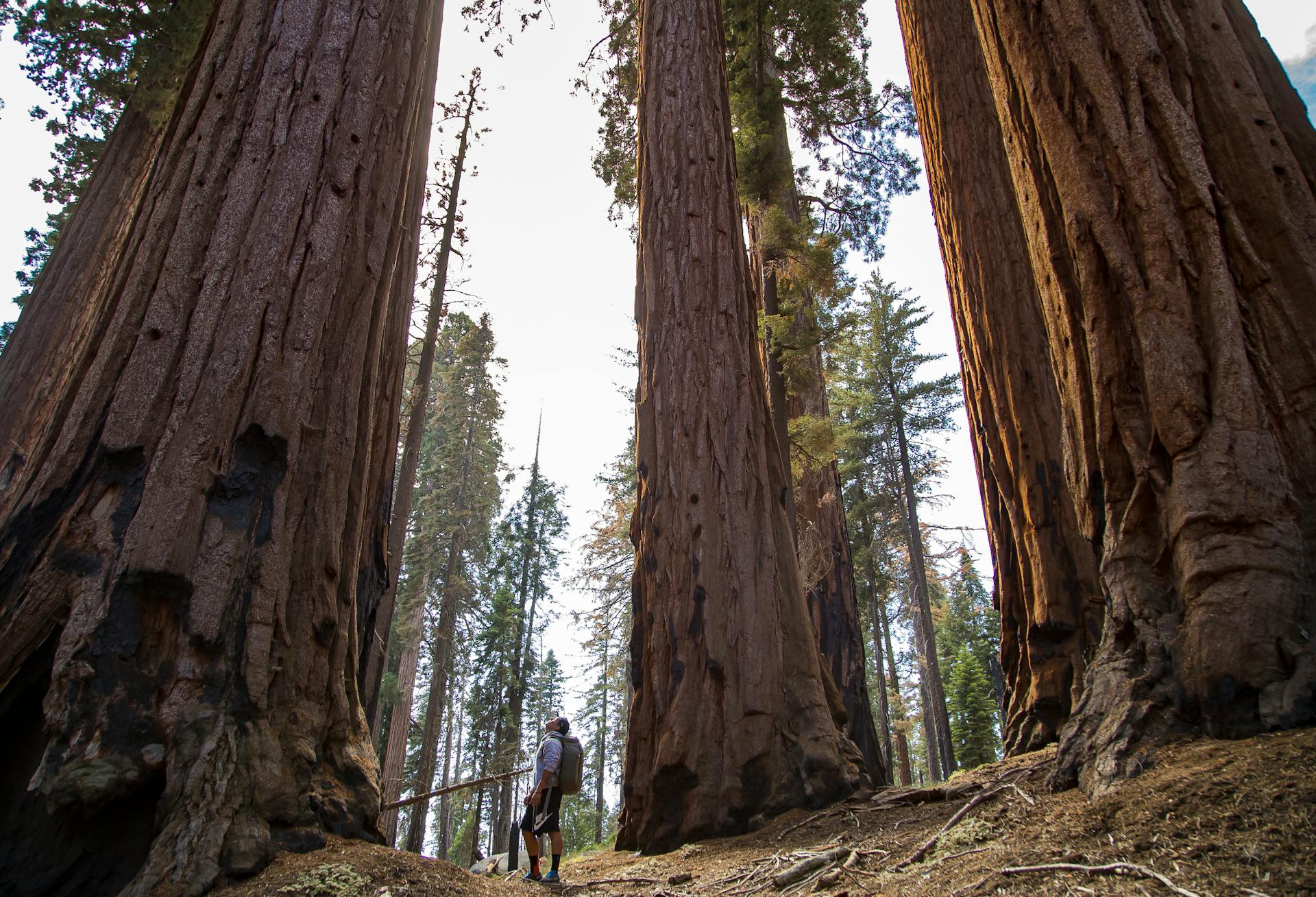
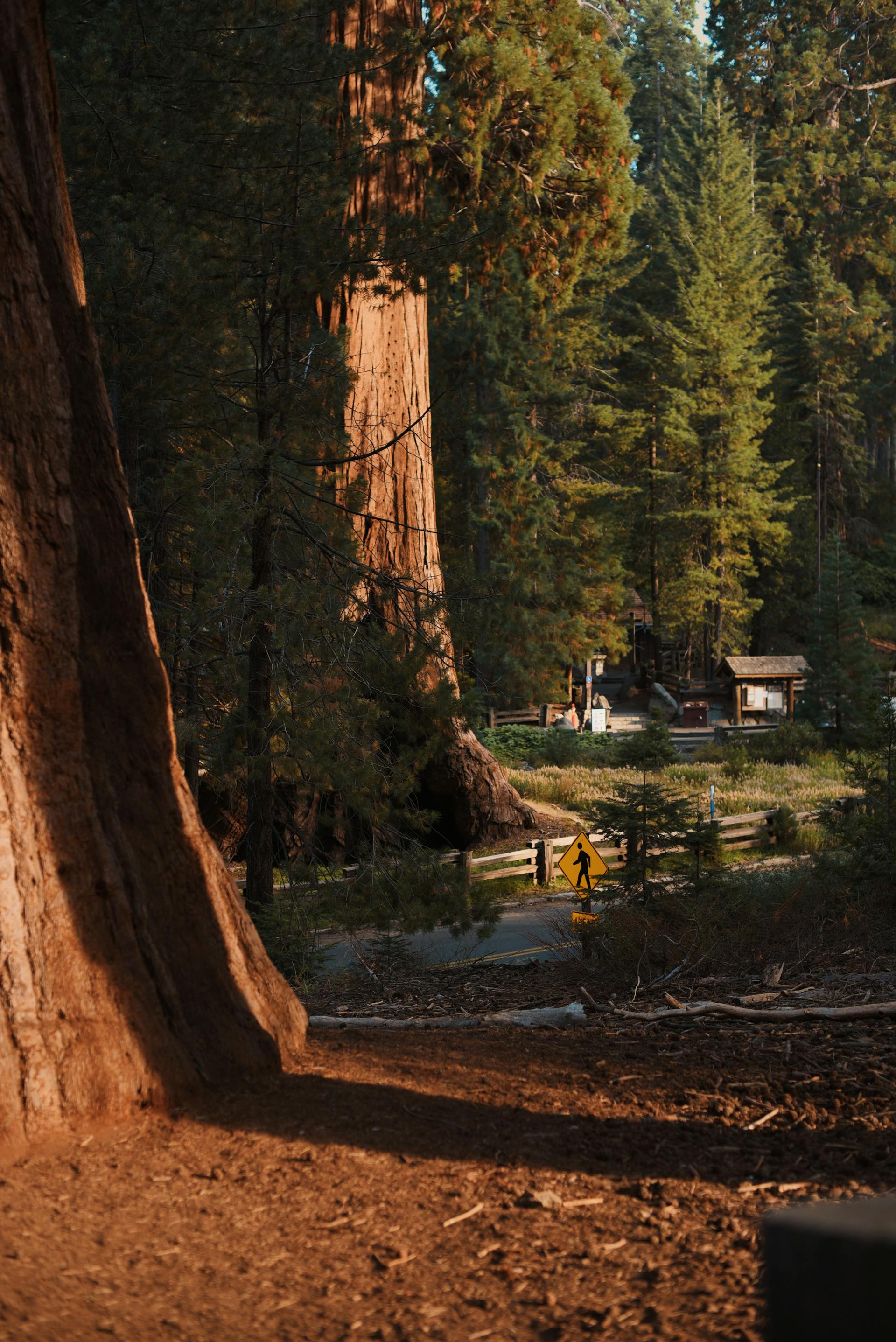
- Giant Sequoias: The parks are home to the largest trees on Earth, including the General Sherman Tree, which stands over 275 feet tall and is estimated to be over 2,000 years old.
- Mountain Peaks: The parks feature dramatic mountain peaks, such as Mount Whitney, the highest point in the contiguous United States, located just outside the parks' eastern boundary.
- Canyons and Valleys: Deep canyons, including Kings Canyon and the Kern Canyon, offer breathtaking views and opportunities for exploration. These canyons are carved by rivers and provide a variety of hiking and sightseeing experiences.
- Subalpine and Alpine Environments: At higher elevations, the parks' environments shift to subalpine and alpine ecosystems, characterized by alpine meadows, tundra, and snow-capped peaks.
📜 History and Cultural Significance
Sequoia and Kings Canyon National Parks, located in California’s southern Sierra Nevada, boast a rich cultural and natural history that spans thousands of years. Long before these parks were officially established, the region was home to several Native American tribes, including the Western Mono, Yokuts, and others. For these tribes, the towering giant sequoias and surrounding landscapes held deep cultural and spiritual significance. The sequoias, with their immense size and age, were revered as symbols of longevity and wisdom. Indigenous peoples used the land not only for seasonal hunting and gathering but also for ceremonies, storytelling, and community traditions that honored the natural world.
Archaeological evidence, such as grinding stones, petroglyphs, and ancient trails, offers a glimpse into the long-standing relationship between these tribes and the environment. The Western Mono and Yokuts made practical use of the landscape’s resources, collecting acorns, pine nuts, and medicinal plants, while carefully managing the environment through practices like controlled burns to promote plant growth. These traditional ecological practices contributed to the health of the forest ecosystems long before European settlers arrived.
The push to formally protect the area began in the late 19th century, spurred by a growing awareness of the need to preserve the natural beauty and biodiversity of the Sierra Nevada. Sequoia National Park was officially designated in 1890, becoming the second national park in the United States after Yellowstone. Its primary purpose was to protect the giant sequoia groves, which were increasingly threatened by logging. The park is home to General Sherman, the largest known tree on Earth by volume, and several other iconic sequoias, some of which are over 2,000 years old. The park’s creation marked a significant milestone in the American conservation movement, ensuring that these ancient giants would be safeguarded for generations to come.
Kings Canyon National Park, which lies to the north of Sequoia, was added later, receiving its designation in 1940. Early explorers and naturalists, such as John Muir, played a crucial role in advocating for the protection of this area, praising its dramatic canyons, high alpine meadows, and giant sequoia groves. Muir described Kings Canyon as a rival to Yosemite, calling it 'a rival in beauty and grandeur.' The establishment of Kings Canyon National Park further expanded the protected areas of the Sierra Nevada, creating a continuous stretch of preserved wilderness.
Throughout the 20th century, these parks became a destination for scientific research, outdoor recreation, and environmental education. Scientists and conservationists have studied the delicate ecosystems within the parks, focusing on the role of fire in maintaining healthy forests. Prescribed burns and fire management programs have been essential tools in mimicking the natural fire cycles that giant sequoias need for seed dispersal and regeneration.
Today, Sequoia and Kings Canyon National Parks stand as a testament to the importance of conservation and cultural heritage. In addition to preserving the ancient sequoia groves, the parks protect a diverse array of wildlife, from black bears and mountain lions to marmots and endangered Sierra Nevada bighorn sheep. Visitors are also able to experience the legacy of Native American tribes through interpretive programs that highlight the historical connections between indigenous peoples and the land.
The preservation of these parks ensures that the giant sequoias and their ecosystems remain a natural and cultural treasure. Millions of people from around the world visit each year, drawn by the breathtaking scenery, towering trees, and opportunities for hiking, camping, and reflection. Sequoia and Kings Canyon National Parks continue to remind us of the importance of safeguarding not only natural wonders but also the cultural traditions and histories intertwined with these landscapes.
Archaeological evidence, such as grinding stones, petroglyphs, and ancient trails, offers a glimpse into the long-standing relationship between these tribes and the environment. The Western Mono and Yokuts made practical use of the landscape’s resources, collecting acorns, pine nuts, and medicinal plants, while carefully managing the environment through practices like controlled burns to promote plant growth. These traditional ecological practices contributed to the health of the forest ecosystems long before European settlers arrived.
The push to formally protect the area began in the late 19th century, spurred by a growing awareness of the need to preserve the natural beauty and biodiversity of the Sierra Nevada. Sequoia National Park was officially designated in 1890, becoming the second national park in the United States after Yellowstone. Its primary purpose was to protect the giant sequoia groves, which were increasingly threatened by logging. The park is home to General Sherman, the largest known tree on Earth by volume, and several other iconic sequoias, some of which are over 2,000 years old. The park’s creation marked a significant milestone in the American conservation movement, ensuring that these ancient giants would be safeguarded for generations to come.
Kings Canyon National Park, which lies to the north of Sequoia, was added later, receiving its designation in 1940. Early explorers and naturalists, such as John Muir, played a crucial role in advocating for the protection of this area, praising its dramatic canyons, high alpine meadows, and giant sequoia groves. Muir described Kings Canyon as a rival to Yosemite, calling it 'a rival in beauty and grandeur.' The establishment of Kings Canyon National Park further expanded the protected areas of the Sierra Nevada, creating a continuous stretch of preserved wilderness.
Throughout the 20th century, these parks became a destination for scientific research, outdoor recreation, and environmental education. Scientists and conservationists have studied the delicate ecosystems within the parks, focusing on the role of fire in maintaining healthy forests. Prescribed burns and fire management programs have been essential tools in mimicking the natural fire cycles that giant sequoias need for seed dispersal and regeneration.
Today, Sequoia and Kings Canyon National Parks stand as a testament to the importance of conservation and cultural heritage. In addition to preserving the ancient sequoia groves, the parks protect a diverse array of wildlife, from black bears and mountain lions to marmots and endangered Sierra Nevada bighorn sheep. Visitors are also able to experience the legacy of Native American tribes through interpretive programs that highlight the historical connections between indigenous peoples and the land.
The preservation of these parks ensures that the giant sequoias and their ecosystems remain a natural and cultural treasure. Millions of people from around the world visit each year, drawn by the breathtaking scenery, towering trees, and opportunities for hiking, camping, and reflection. Sequoia and Kings Canyon National Parks continue to remind us of the importance of safeguarding not only natural wonders but also the cultural traditions and histories intertwined with these landscapes.
🏃 Activities and Attractions
Sequoia and Kings Canyon National Parks offer a range of activities and attractions that cater to different interests and levels of adventure:
- Hiking: The parks feature numerous hiking trails, from easy walks to challenging backcountry routes. Popular hikes include the Congress Trail to see the giant sequoias, the Mist Falls Trail in Kings Canyon, and the challenging ascent of Mount Whitney.
- Scenic Drives: The Generals Highway connects the two parks and offers scenic views of the giant sequoias and surrounding landscapes. The road provides access to key points of interest, including the General Sherman Tree and Moro Rock.
- Wildlife Viewing: The parks are home to a variety of wildlife, including black bears, mule deer, and mountain lions. Wildlife viewing is best early in the morning or late in the evening, and visitors should observe animals from a safe distance.
- Camping: Several campgrounds are available within the parks, offering opportunities to stay overnight and experience the parks' natural beauty. Popular campgrounds include Lodgepole Campground and Grant Grove Campground.
💡 Travel Tips
How to Get There: Sequoia and Kings Canyon National Parks are located in southern California, approximately 200 miles east of Fresno. The parks can be accessed via Highway 198. The nearest major airport is in Fresno, which is about a 2.5-hour drive from the parks.
Best Time to Visit: Summer (June to August) is the peak season, offering the best weather for hiking and sightseeing. Spring and fall provide cooler temperatures and fewer crowds, while winter brings snow and opportunities for winter sports. Note that some areas may be closed due to snow during the winter months.
What to Bring: Bring layered clothing to accommodate temperature changes, especially if hiking at high elevations. Essentials include water, sun protection, and sturdy footwear. A camera is also recommended to capture the park's stunning scenery.
Accommodation and Services: The parks offer campgrounds with varying amenities. Nearby towns, such as Three Rivers and Grant Grove, provide additional lodging, dining, and shopping options.
Best Time to Visit: Summer (June to August) is the peak season, offering the best weather for hiking and sightseeing. Spring and fall provide cooler temperatures and fewer crowds, while winter brings snow and opportunities for winter sports. Note that some areas may be closed due to snow during the winter months.
What to Bring: Bring layered clothing to accommodate temperature changes, especially if hiking at high elevations. Essentials include water, sun protection, and sturdy footwear. A camera is also recommended to capture the park's stunning scenery.
Accommodation and Services: The parks offer campgrounds with varying amenities. Nearby towns, such as Three Rivers and Grant Grove, provide additional lodging, dining, and shopping options.
🌱 Conservation
Sequoia and Kings Canyon National Parks are committed to preserving their natural beauty and protecting the giant sequoias and their ecosystems. Visitors are encouraged to follow Leave No Trace principles by staying on designated trails, packing out all trash, and minimizing impact on the environment. The parks also have regulations to protect wildlife and their habitats, including restrictions on feeding animals and maintaining a safe distance. Adhering to these guidelines helps ensure that the parks remain pristine and enjoyable for future generations.
✨ Conclusion
Sequoia and Kings Canyon National Parks offer a profound connection to nature through their magnificent giant sequoias, rugged landscapes, and rich cultural history. The parks provide a unique opportunity to explore some of the largest trees on Earth, experience dramatic canyons, and immerse yourself in the beauty of the Sierra Nevada mountains. Whether you're hiking among the giants, enjoying the scenic drives, or camping under the stars, these parks promise an enriching and unforgettable experience. As you explore Sequoia and Kings Canyon, remember to respect the natural environment and follow conservation practices to help preserve this extraordinary landscape for future generations. These parks are not just destinations; they are living symbols of nature's grandeur and resilience.