
Rocky Mountain
Located in northern Colorado, Rocky Mountain National Park is a majestic expanse of high-altitude wilderness that captivates visitors with its stunning alpine scenery and diverse ecosystems. Spanning over 265,000 acres, the park features rugged mountain peaks, lush valleys, pristine lakes, and a wealth of wildlife. With elevations ranging from 7,500 to over 14,000 feet, Rocky Mountain National Park offers a wide array of outdoor activities and breathtaking vistas that make it a premier destination for nature enthusiasts and adventurers.
🌍 Geography and Ecosystem
Rocky Mountain National Park encompasses a diverse range of landscapes and ecosystems, shaped by its dramatic topography and varying elevations:
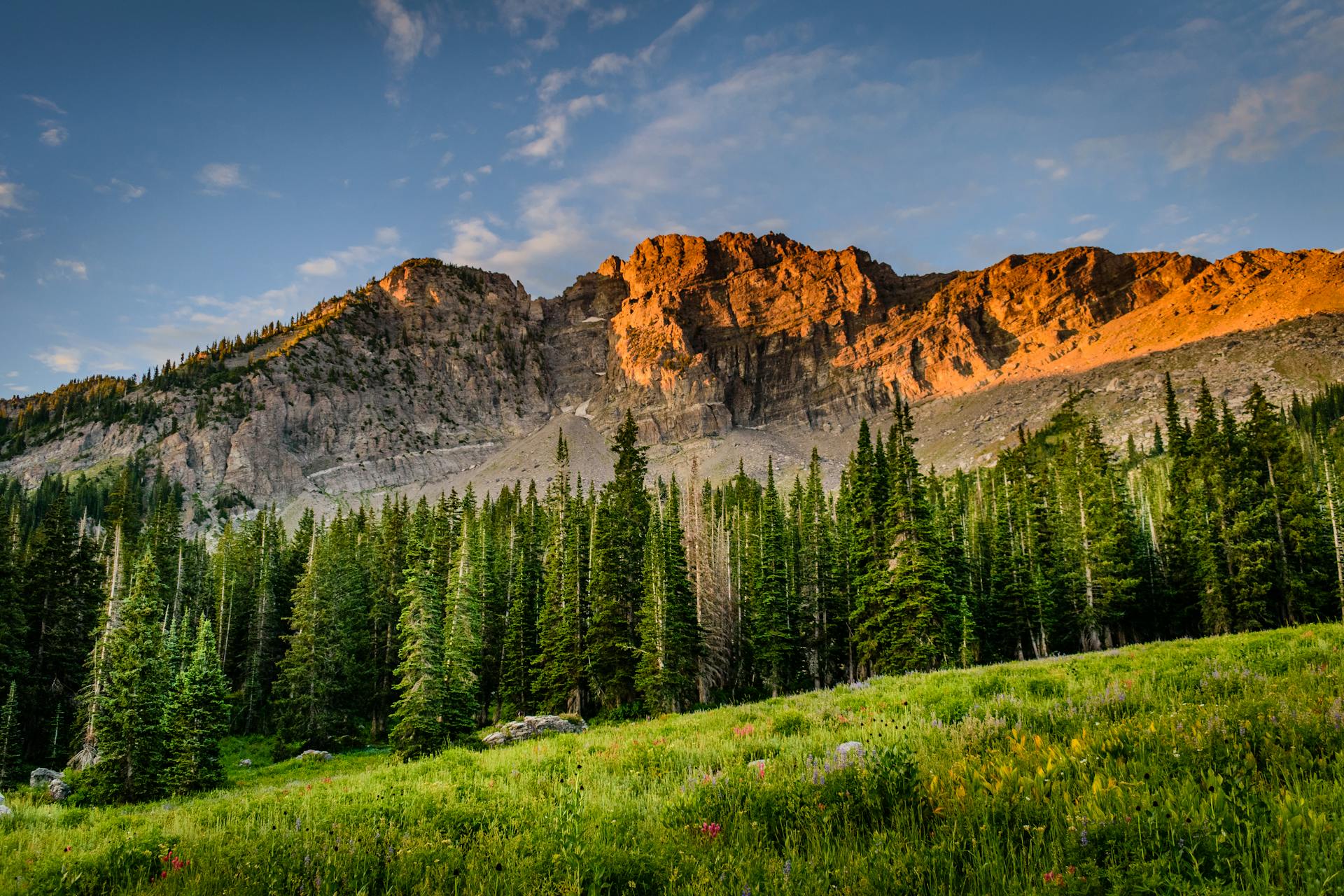
- Mountain Peaks: The park is home to several towering peaks, including Longs Peak, which rises to 14,259 feet. These high-altitude mountains provide a striking backdrop and numerous opportunities for climbing and hiking.
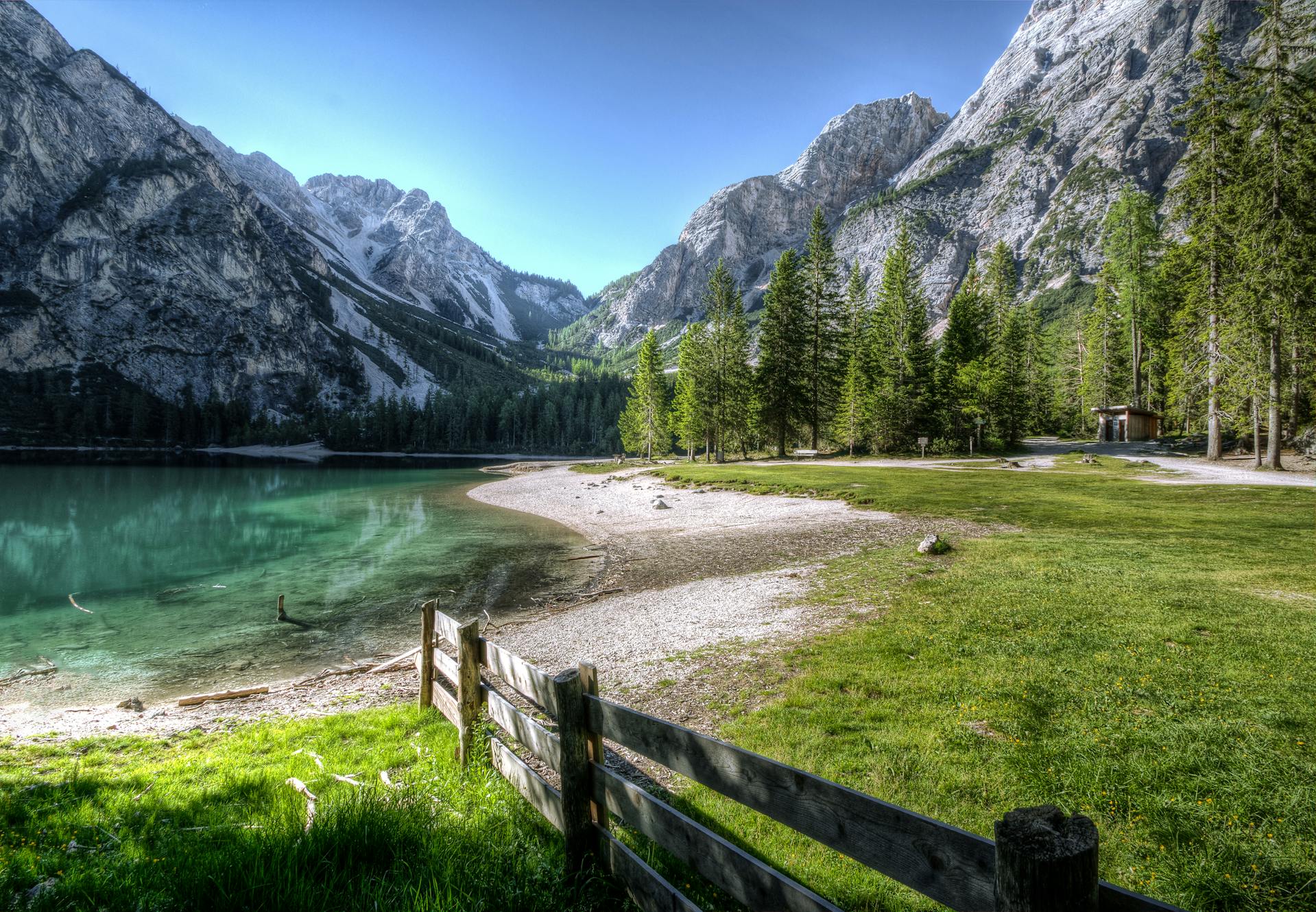
- Alpine Lakes: The park features a number of pristine alpine lakes, such as Bear Lake and Dream Lake. These serene bodies of water reflect the surrounding peaks and offer scenic views and recreational opportunities.
- Subalpine Forests: At lower elevations, the park's forests are characterized by stands of Engelmann spruce and lodgepole pine, creating a lush and verdant environment that supports diverse wildlife.
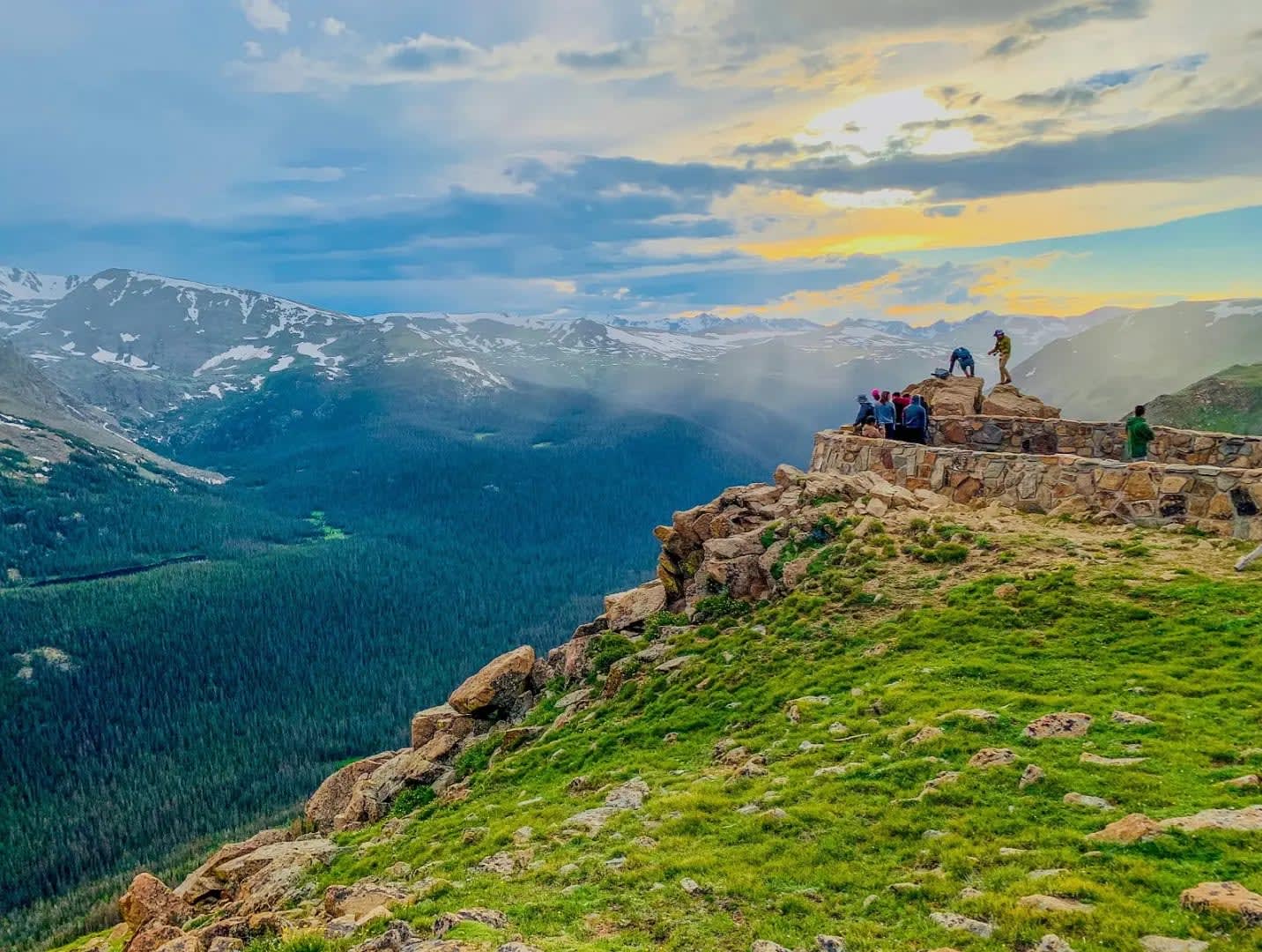
- Meadows and Tundra: The park's high-altitude tundra areas, such as those found along the Alpine Visitor Center, showcase unique plant species adapted to the harsh conditions of the high mountains.
📜 History and Cultural Significance
Rocky Mountain National Park, located in northern Colorado, was officially established in 1915 to safeguard its extraordinary natural beauty and unmatched recreational opportunities. However, the human history of this region stretches back thousands of years. The park’s landscapes were home to indigenous peoples long before its establishment, with the Ute and Arapaho tribes having deep-rooted connections to the area. These tribes utilized the rugged mountain environment for essential activities like hunting game, gathering medicinal plants, and performing spiritual ceremonies. The Ute people, in particular, regarded the mountains as sacred spaces, places of guidance, healing, and reflection, while the Arapaho used the area as part of their seasonal migration routes.
The region's history with indigenous cultures is still evident today through artifacts, oral traditions, and place names that reflect Native American heritage. For example, Trail Ridge Road, which now offers visitors panoramic views of the Rockies, was once a significant travel route for Native tribes moving across the mountains.
European-American exploration and settlement began in the mid-19th century, when fur trappers, miners, and surveyors entered the region in search of resources. By the 1860s, homesteaders were establishing farms and ranches in the surrounding valleys. However, early explorers like Stephen H. Long and John Wesley Powell also noted the beauty of the region and the importance of conserving it. Their surveys and reports fueled interest in the area, drawing attention to its potential as a natural refuge.
In the 1880s and 1890s, the expansion of railroads into Colorado facilitated tourism, bringing visitors eager to experience the wild beauty of the Rocky Mountains. Entrepreneurs like Enos Mills, often called the “father of Rocky Mountain National Park,” championed the idea of protecting the region for public enjoyment and environmental preservation. Mills, who operated a lodge near the park, lobbied for the creation of the national park and emphasized the importance of educating visitors about the value of conservation.
The establishment of Rocky Mountain National Park in 1915 marked a turning point in American conservation efforts. It reflected a growing commitment to preserving wild landscapes in the face of increasing development. From the very beginning, the park has served as a destination for outdoor recreation, offering activities such as hiking, fishing, and camping. During the early 20th century, visitors flocked to the park to enjoy its scenic views and alpine environments, with Trail Ridge Road, completed in 1932, becoming one of the park’s most popular attractions. At an elevation of over 12,000 feet, it remains the highest continuous paved road in North America, offering unparalleled access to the park’s majestic landscapes.
Over the years, Rocky Mountain National Park has also become a hub for scientific research and environmental conservation, contributing to the study of alpine ecosystems, wildlife management, and climate change. The park’s varied habitats support a diverse array of plant and animal species, including elk, bighorn sheep, black bears, and rare alpine wildflowers. The area remains a living laboratory, providing insight into how mountain environments evolve and adapt over time.
Today, Rocky Mountain National Park attracts millions of visitors each year, all drawn by the same sense of awe and wonder that captivated early explorers and conservationists. Its protected landscapes serve as a reminder of the importance of balancing recreation with preservation, ensuring that future generations can continue to experience the grandeur of the Rocky Mountains.
The region's history with indigenous cultures is still evident today through artifacts, oral traditions, and place names that reflect Native American heritage. For example, Trail Ridge Road, which now offers visitors panoramic views of the Rockies, was once a significant travel route for Native tribes moving across the mountains.
European-American exploration and settlement began in the mid-19th century, when fur trappers, miners, and surveyors entered the region in search of resources. By the 1860s, homesteaders were establishing farms and ranches in the surrounding valleys. However, early explorers like Stephen H. Long and John Wesley Powell also noted the beauty of the region and the importance of conserving it. Their surveys and reports fueled interest in the area, drawing attention to its potential as a natural refuge.
In the 1880s and 1890s, the expansion of railroads into Colorado facilitated tourism, bringing visitors eager to experience the wild beauty of the Rocky Mountains. Entrepreneurs like Enos Mills, often called the “father of Rocky Mountain National Park,” championed the idea of protecting the region for public enjoyment and environmental preservation. Mills, who operated a lodge near the park, lobbied for the creation of the national park and emphasized the importance of educating visitors about the value of conservation.
The establishment of Rocky Mountain National Park in 1915 marked a turning point in American conservation efforts. It reflected a growing commitment to preserving wild landscapes in the face of increasing development. From the very beginning, the park has served as a destination for outdoor recreation, offering activities such as hiking, fishing, and camping. During the early 20th century, visitors flocked to the park to enjoy its scenic views and alpine environments, with Trail Ridge Road, completed in 1932, becoming one of the park’s most popular attractions. At an elevation of over 12,000 feet, it remains the highest continuous paved road in North America, offering unparalleled access to the park’s majestic landscapes.
Over the years, Rocky Mountain National Park has also become a hub for scientific research and environmental conservation, contributing to the study of alpine ecosystems, wildlife management, and climate change. The park’s varied habitats support a diverse array of plant and animal species, including elk, bighorn sheep, black bears, and rare alpine wildflowers. The area remains a living laboratory, providing insight into how mountain environments evolve and adapt over time.
Today, Rocky Mountain National Park attracts millions of visitors each year, all drawn by the same sense of awe and wonder that captivated early explorers and conservationists. Its protected landscapes serve as a reminder of the importance of balancing recreation with preservation, ensuring that future generations can continue to experience the grandeur of the Rocky Mountains.
🏃 Activities and Attractions
Rocky Mountain National Park offers a wealth of activities for visitors of all interests and skill levels:
- Hiking: The park boasts over 350 miles of hiking trails, ranging from easy walks to challenging backcountry routes. Popular hikes include the Emerald Lake Trail, the Bear Lake Loop, and the Longs Peak Summit Trail.
- Wildlife Viewing: The park is home to a diverse range of wildlife, including elk, bighorn sheep, moose, and black bears. Wildlife viewing is particularly rewarding during the early morning and late evening hours.
- Scenic Drives: The park's scenic drives, such as the Trail Ridge Road, offer stunning views of the surrounding mountains, meadows, and alpine lakes. Trail Ridge Road is one of the highest paved roads in North America and provides access to some of the park's most scenic vistas.
- Camping: The park offers several campgrounds, including those at Moraine Park and Glacier Basin, providing a chance to experience the park's natural beauty overnight. Reservations are recommended, especially during peak season.
💡 Travel Tips
How to Get There: Rocky Mountain National Park is located in northern Colorado, approximately 70 miles from Denver. The park can be reached by car from Denver via U.S. Highway 36 or U.S. Highway 34. The nearest major airport is Denver International Airport.
Best Time to Visit: The summer months (June to August) offer the most favorable weather for hiking and other outdoor activities, though it is also the busiest time. Spring and fall provide cooler temperatures and fewer crowds, while winter offers opportunities for snowshoeing and cross-country skiing.
What to Bring: Bring layered clothing to adjust to temperature changes, especially if hiking or camping. High-altitude conditions can lead to rapid weather changes. Essential items include water, sun protection, and sturdy footwear.
Accommodation and Services: The park has several campgrounds that offer a range of amenities. Nearby towns, such as Estes Park and Grand Lake, provide additional lodging, dining, and shopping options.
Best Time to Visit: The summer months (June to August) offer the most favorable weather for hiking and other outdoor activities, though it is also the busiest time. Spring and fall provide cooler temperatures and fewer crowds, while winter offers opportunities for snowshoeing and cross-country skiing.
What to Bring: Bring layered clothing to adjust to temperature changes, especially if hiking or camping. High-altitude conditions can lead to rapid weather changes. Essential items include water, sun protection, and sturdy footwear.
Accommodation and Services: The park has several campgrounds that offer a range of amenities. Nearby towns, such as Estes Park and Grand Lake, provide additional lodging, dining, and shopping options.
🌱 Conservation
Rocky Mountain National Park is dedicated to preserving its natural landscapes and ecosystems. Visitors are encouraged to follow Leave No Trace principles by staying on established trails, packing out all trash, and minimizing impact on the environment. The park also has guidelines to protect wildlife and their habitats, including restrictions on feeding animals and maintaining a safe distance. Following these practices helps ensure the park remains a pristine and vibrant environment for future generations.
✨ Conclusion
Rocky Mountain National Park stands as a testament to the stunning beauty and diverse landscapes of the Colorado Rockies. With its high peaks, serene lakes, and expansive meadows, the park offers an unparalleled experience for those seeking adventure and natural wonder. Whether you're hiking its trails, taking in the panoramic views from scenic drives, or camping under the stars, Rocky Mountain National Park promises an unforgettable journey into the heart of America's mountain wilderness. As you explore this high-altitude paradise, remember to respect its natural environment and follow conservation practices to help preserve its beauty for future generations. Rocky Mountain National Park is more than just a destination; it’s a celebration of nature's grandeur and a sanctuary for the adventurous spirit.