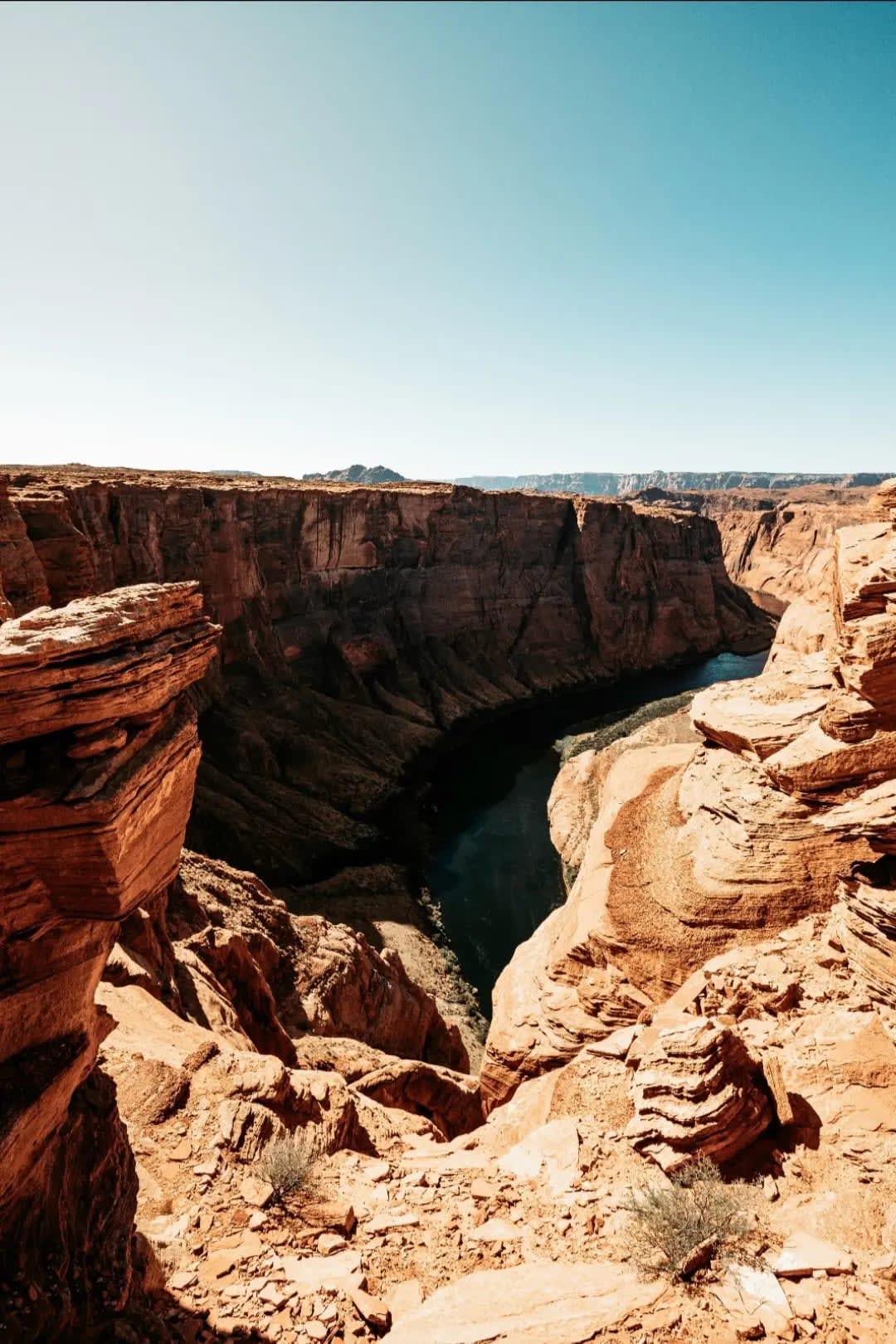
Grand Canyon
Grand Canyon National Park, located in northern Arizona, is one of the most iconic natural landmarks in the United States. Renowned for its immense size and intricate, colorful landscape, the Grand Canyon stretches over 277 miles in length and reaches depths of over a mile. This immense chasm carved by the Colorado River offers visitors breathtaking vistas, a variety of outdoor activities, and a chance to connect with the timeless beauty of nature.
🌍 Geography and Ecosystem
Grand Canyon encompasses approximately 1.2 million acres and is part of the Colorado Plateau. The park's diverse geological features include:
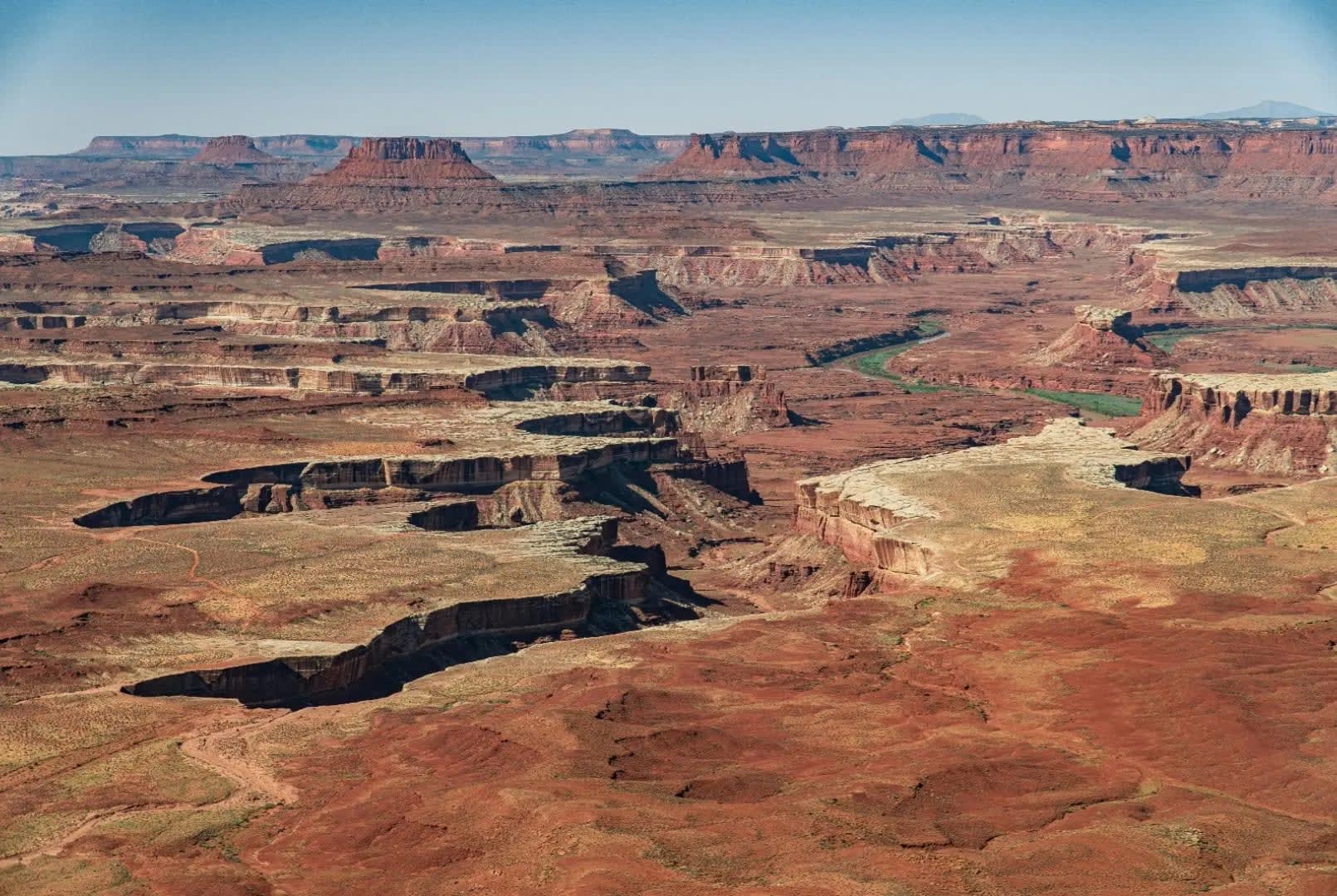
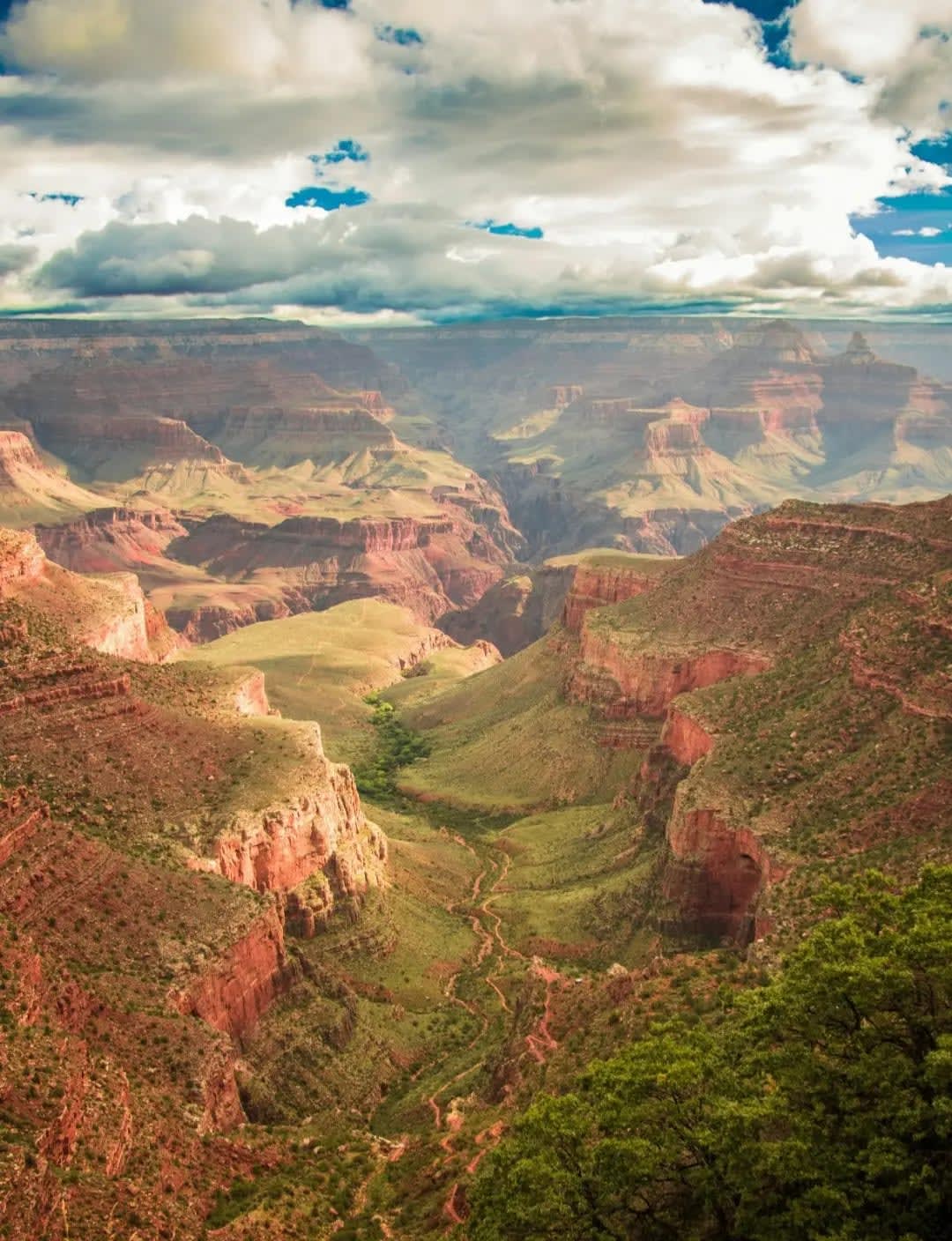
- Grand Canyon: The park's primary feature, the canyon itself, is a vast chasm carved by the Colorado River. Its layers of rock expose nearly 2 billion years of Earth's geological history, offering a visual record of the planet's past.
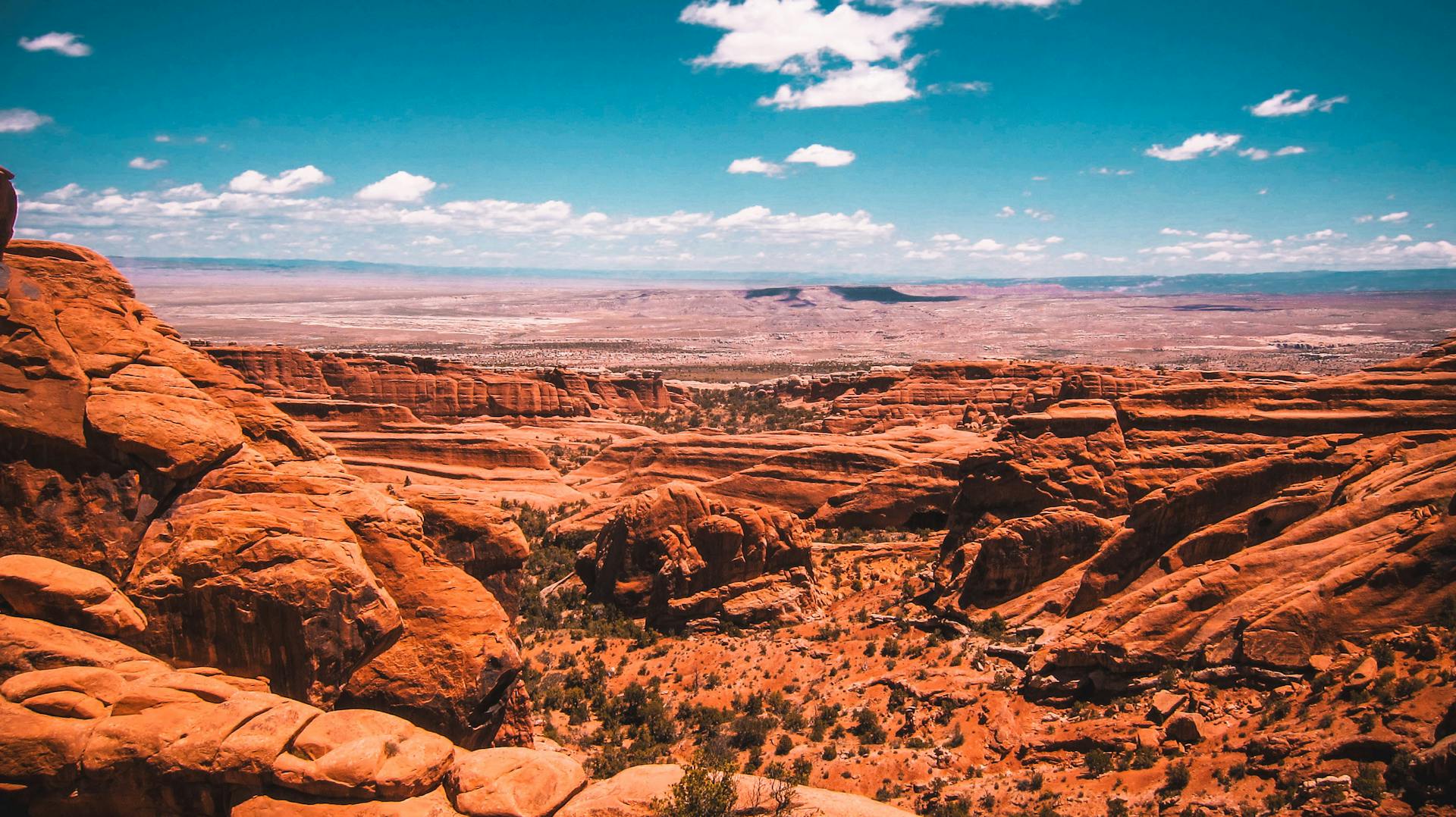
- Plateaus and Buttes: The surrounding landscape is characterized by flat-topped plateaus and isolated buttes, which rise dramatically from the canyon floor. These features contribute to the park's diverse topography.
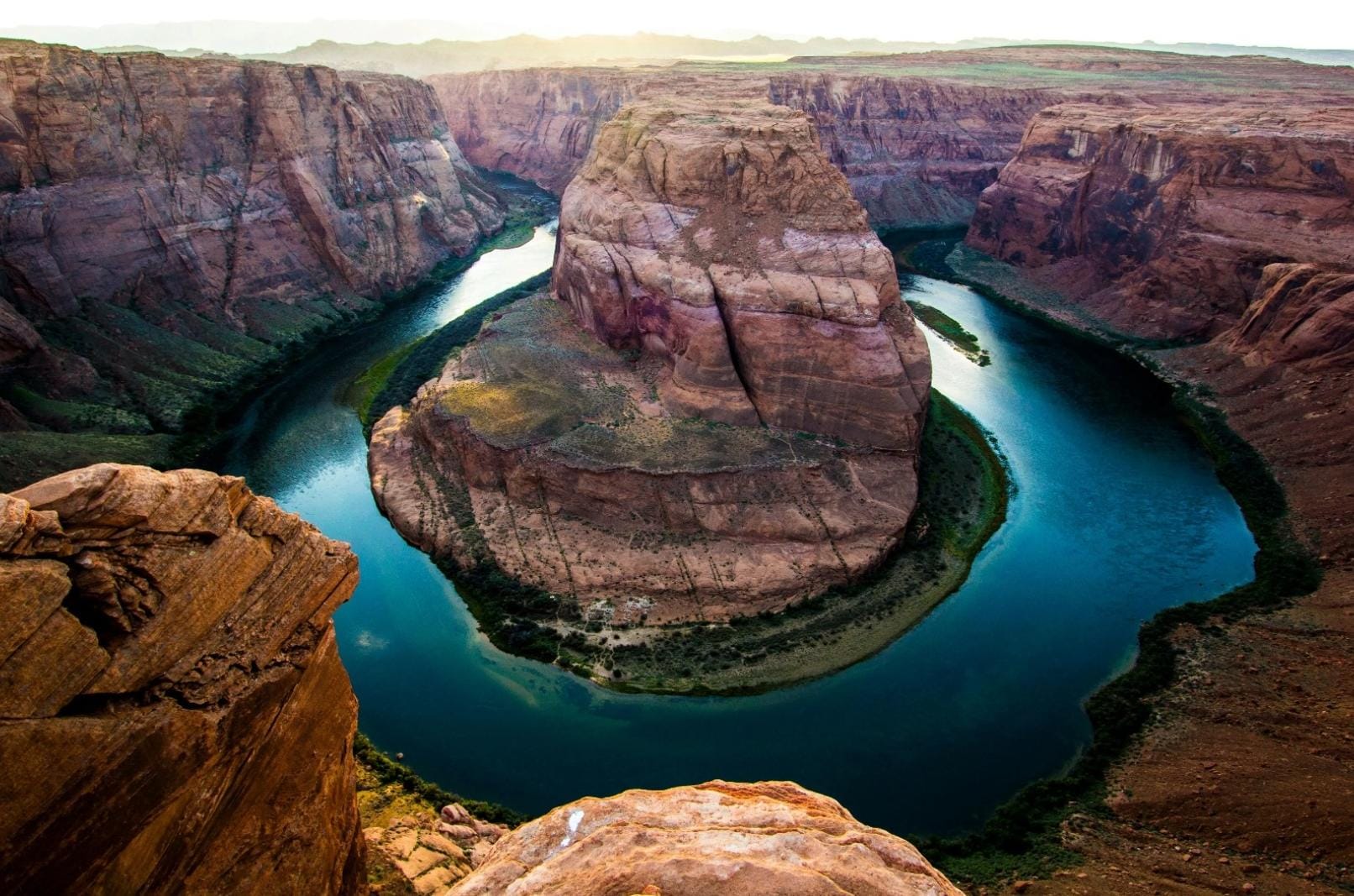
- Colorado River: Flowing through the base of the canyon, the Colorado River has played a crucial role in shaping the canyon's structure. The river offers opportunities for white-water rafting and scenic river trips.
📜 History and Cultural Significance
Grand Canyon National Park, located in northern Arizona, was officially designated as a national park in 1919, though the significance of the region stretches back thousands of years. Long before modern conservation efforts, the area was recognized as a vital cultural and spiritual site by several Native American tribes, including the Havasupai, Hopi, Navajo, and Hualapai peoples. For these tribes, the Grand Canyon is not just a geographic marvel but a sacred place central to their history, religion, and way of life. Many tribal traditions describe the canyon as the origin of life or as a powerful connection to the spirit world. This enduring cultural importance has made the Grand Canyon a living legacy of indigenous heritage.
Throughout the canyon, traces of ancient life are visible in the form of cliff dwellings, pottery, tools, and intricate rock art. Some archaeological finds suggest that early Paleo-Indians inhabited the region more than 12,000 years ago. As time progressed, different groups settled in or traveled through the area, taking advantage of the natural resources and the life-giving waters of the Colorado River. The Havasupai people still reside within the canyon today, maintaining a connection to the land despite the challenges brought by tourism and park management policies. Their name, meaning 'People of the Blue-Green Waters,' reflects the significance of the waterfalls and streams that run through their home in the canyon.
The Grand Canyon also played a pivotal role in the exploration of the American Southwest. Spanish explorers, including members of the Dominguez-Escalante expedition in the 16th century, were some of the earliest Europeans to encounter the canyon, though they could not traverse its vast expanse. It wasn’t until the late 19th century that scientists, adventurers, and surveyors began to map and document the region more thoroughly. One of the most famous expeditions was led by John Wesley Powell in 1869, who journeyed down the Colorado River by boat, chronicling the canyon’s breathtaking geology and natural features. His daring expedition captured the imagination of the American public and cemented the Grand Canyon’s place in national consciousness.
Over the years, the park has been at the center of numerous scientific studies, from geology to archaeology, as well as ecological conservation efforts. Researchers have examined the canyon’s layered rock formations, which provide a timeline of Earth’s history spanning over two billion years. The park has also been instrumental in studying ecosystems and environmental changes, as its vast network of plateaus, gorges, and rivers hosts a variety of plant and animal species that have adapted to the arid conditions.
The establishment of the park in 1919 was the culmination of conservation efforts led by activists such as Teddy Roosevelt, who visited the canyon multiple times and famously declared it 'one of the great sights every American should see.' Roosevelt’s passion for preserving the landscape paved the way for formal protection, ensuring that future generations could experience the Grand Canyon’s grandeur.
Today, Grand Canyon National Park attracts millions of visitors annually, drawn by the awe-inspiring vistas and the profound sense of history embedded in the landscape. The enduring legacy of Native American tribes, the pioneering spirit of early explorers, and the park’s geological wonders make it one of the most iconic natural landmarks in the world.
Throughout the canyon, traces of ancient life are visible in the form of cliff dwellings, pottery, tools, and intricate rock art. Some archaeological finds suggest that early Paleo-Indians inhabited the region more than 12,000 years ago. As time progressed, different groups settled in or traveled through the area, taking advantage of the natural resources and the life-giving waters of the Colorado River. The Havasupai people still reside within the canyon today, maintaining a connection to the land despite the challenges brought by tourism and park management policies. Their name, meaning 'People of the Blue-Green Waters,' reflects the significance of the waterfalls and streams that run through their home in the canyon.
The Grand Canyon also played a pivotal role in the exploration of the American Southwest. Spanish explorers, including members of the Dominguez-Escalante expedition in the 16th century, were some of the earliest Europeans to encounter the canyon, though they could not traverse its vast expanse. It wasn’t until the late 19th century that scientists, adventurers, and surveyors began to map and document the region more thoroughly. One of the most famous expeditions was led by John Wesley Powell in 1869, who journeyed down the Colorado River by boat, chronicling the canyon’s breathtaking geology and natural features. His daring expedition captured the imagination of the American public and cemented the Grand Canyon’s place in national consciousness.
Over the years, the park has been at the center of numerous scientific studies, from geology to archaeology, as well as ecological conservation efforts. Researchers have examined the canyon’s layered rock formations, which provide a timeline of Earth’s history spanning over two billion years. The park has also been instrumental in studying ecosystems and environmental changes, as its vast network of plateaus, gorges, and rivers hosts a variety of plant and animal species that have adapted to the arid conditions.
The establishment of the park in 1919 was the culmination of conservation efforts led by activists such as Teddy Roosevelt, who visited the canyon multiple times and famously declared it 'one of the great sights every American should see.' Roosevelt’s passion for preserving the landscape paved the way for formal protection, ensuring that future generations could experience the Grand Canyon’s grandeur.
Today, Grand Canyon National Park attracts millions of visitors annually, drawn by the awe-inspiring vistas and the profound sense of history embedded in the landscape. The enduring legacy of Native American tribes, the pioneering spirit of early explorers, and the park’s geological wonders make it one of the most iconic natural landmarks in the world.
🏃 Activities and Attractions
Grand Canyon offers a wide range of activities to suit various interests and levels of adventure:
- Hiking: The park features numerous hiking trails, including the popular Bright Angel Trail and South Kaibab Trail. These trails offer spectacular views and access to the canyon's depths, providing an immersive experience of its grandeur.
- Scenic Views: The South Rim and North Rim offer breathtaking viewpoints where visitors can take in the expansive vistas of the canyon. Popular spots include Mather Point, Yavapai Point, and Grandview Point.
- Rafting: White-water rafting on the Colorado River provides an exhilarating way to experience the canyon's rugged beauty. Rafting trips range from half-day excursions to multi-day adventures through the heart of the canyon.
- Helicopter Tours: For a unique perspective, helicopter tours offer panoramic views of the Grand Canyon's vast expanse and intricate rock formations, providing an unforgettable aerial experience.
💡 Travel Tips
How to Get There: Grand Canyon National Park is located in northern Arizona. The South Rim, the most visited area, is accessible by car from Flagstaff, which is about a 1.5-hour drive away. The North Rim is more remote and requires a longer drive from either Kanab, Utah, or Page, Arizona.
Best Time to Visit: Spring and fall are ideal times to visit, offering mild temperatures and fewer crowds. Summer is peak season with warmer temperatures, especially at lower elevations, while winter brings snow to the South Rim and fewer visitors.
What to Bring: Bring layered clothing to accommodate varying temperatures, especially if hiking into the canyon. Water, sun protection, and sturdy hiking shoes are essential. A camera is also a must to capture the canyon's breathtaking scenery.
Accommodation and Services: The park offers several lodging options, including campgrounds and the historic Grand Canyon Village. Nearby towns such as Tusayan provide additional accommodations, dining, and shopping options.
Best Time to Visit: Spring and fall are ideal times to visit, offering mild temperatures and fewer crowds. Summer is peak season with warmer temperatures, especially at lower elevations, while winter brings snow to the South Rim and fewer visitors.
What to Bring: Bring layered clothing to accommodate varying temperatures, especially if hiking into the canyon. Water, sun protection, and sturdy hiking shoes are essential. A camera is also a must to capture the canyon's breathtaking scenery.
Accommodation and Services: The park offers several lodging options, including campgrounds and the historic Grand Canyon Village. Nearby towns such as Tusayan provide additional accommodations, dining, and shopping options.
🌱 Conservation
Grand Canyon National Park is committed to preserving its natural beauty and ecological integrity. Visitors are encouraged to follow the Leave No Trace principles by staying on designated trails, packing out all trash, and minimizing impact on the environment. The park also has regulations to protect its wildlife and natural resources, including restrictions on off-road driving and camping. Respecting these guidelines helps ensure that the Grand Canyon remains a pristine and awe-inspiring destination for future generations.
✨ Conclusion
Grand Canyon National Park stands as one of the most extraordinary natural wonders in the world, offering visitors a chance to experience its immense beauty and profound geological significance. With its vast chasm, striking rock formations, and the winding Colorado River, the Grand Canyon captivates and inspires awe. Whether you're hiking its trails, gazing from its viewpoints, or exploring its depths by raft or helicopter, the Grand Canyon provides an unforgettable adventure. As you explore this iconic landmark, remember to respect its natural environment and follow conservation practices to help preserve its grandeur for generations to come. The Grand Canyon is more than just a destination; it's a testament to the power and beauty of nature.