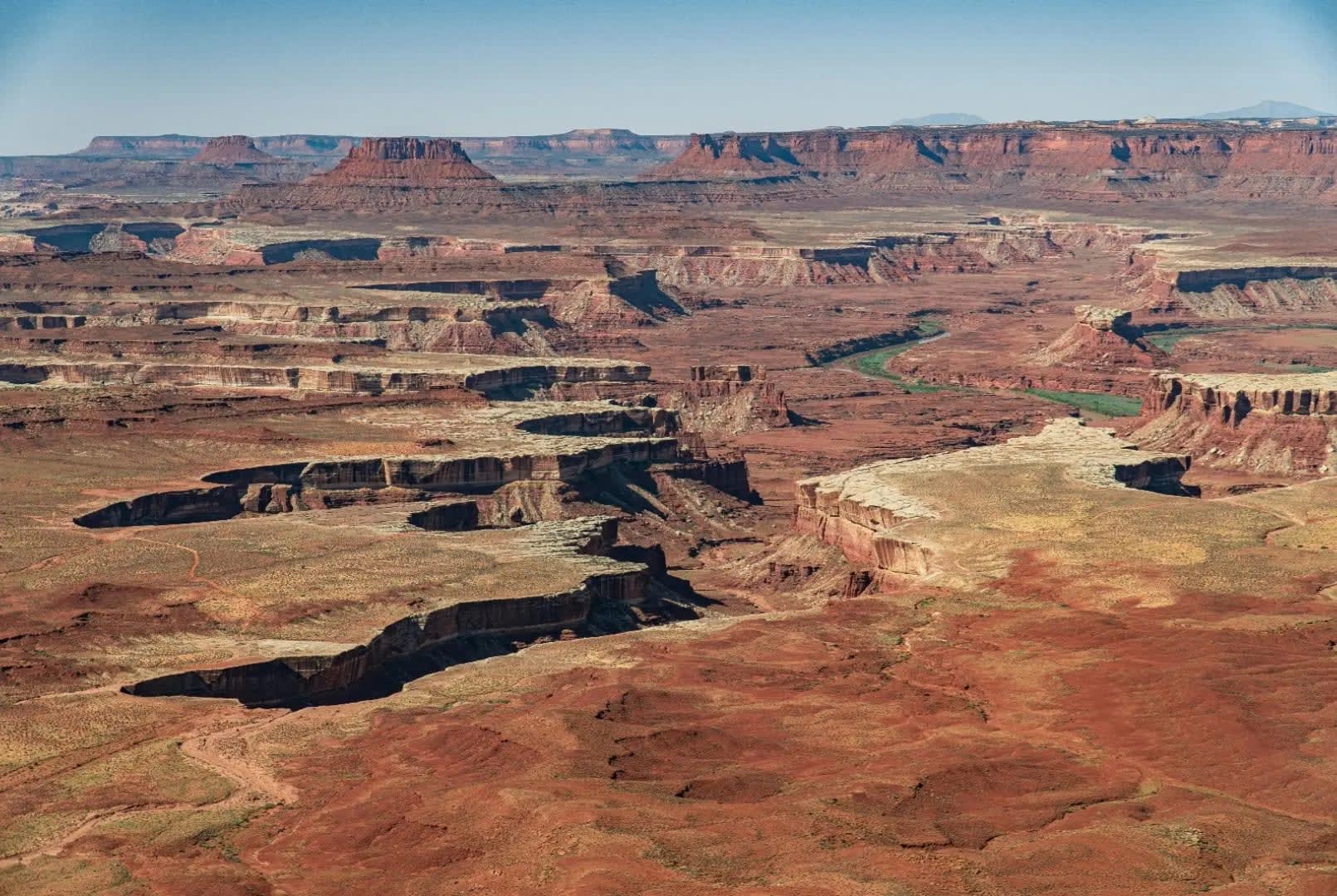




Great Smoky Mountains
Straddling the border between North Carolina and Tennessee, the Great Smoky Mountains National Park is a natural treasure trove known for its mist-covered mountains, rich biodiversity, and ancient forests. Designated a UNESCO World Heritage Site, the park offers a sanctuary for nature lovers, with opportunities to explore its trails, observe wildlife, and connect with the natural world. Whether you're a seasoned adventurer or a first-time visitor, the Great Smoky Mountains provide an unforgettable experience that blends awe-inspiring landscapes with deep cultural heritage.
🌍 Geography and Ecosystem
The Great Smoky Mountains National Park covers over 500,000 acres of rugged terrain, making it one of the largest protected areas in the eastern United States. The park is situated within the Appalachian mountain range, and its landscape is characterized by a series of rolling, mist-shrouded ridges and deep, forested valleys. The unique climatic conditions of the Smokies create an environment where the natural release of water vapor from the dense vegetation gives rise to the park's iconic 'smoky' appearance.
- Misty Ridges: The name 'Smoky' comes from the blue mist that seems to float above the mountain peaks. This phenomenon is the result of the vast quantities of moisture that the forests release into the atmosphere, which combine with volatile organic compounds produced by the vegetation to create the haze.
- Forested Valleys: The park is home to one of the most diverse temperate forests in the world. The forests are primarily composed of deciduous hardwood trees, such as oaks, maples, and hickories, as well as a rich understory of shrubs, ferns, and wildflowers. Many of these forests have remained undisturbed for centuries, with some trees exceeding 500 years of age.
- Waterways: Numerous streams, creeks, and rivers crisscross the park, providing vital water sources for the ecosystem. Many of these waterways are fed by the park’s high rainfall levels and contribute to the formation of waterfalls, such as Laurel Falls and Rainbow Falls, which are among the most popular attractions for visitors.
- Wildlife Habitat: The park’s diverse habitats support an astonishing array of wildlife. Black bears, white-tailed deer, and wild turkeys are common sightings, while more elusive species like the red wolf and the bobcat roam in the more remote areas. The park is also home to over 200 species of birds and more than 1,600 species of flowering plants.
- Elevation Variance: The park's topography varies dramatically, with elevations ranging from around 875 feet to 6,643 feet at the summit of Clingmans Dome, the highest peak in the Smokies. This elevation change creates multiple microclimates and a range of ecological zones, from lowland cove forests to high-altitude spruce-fir forests, offering diverse habitats for plant and animal life.
📜 History and Cultural Significance
TThe Great Smoky Mountains, straddling the border between North Carolina and Tennessee, are steeped in rich history that stretches back thousands of years. Before the arrival of European settlers, this majestic landscape was home to various Native American tribes, with the Cherokee being the most prominent. The Cherokee referred to this region as 'Shaconage,' which translates to 'place of the blue smoke,' a name that reflects the ethereal mist that often envelops the mountains, creating a mystical atmosphere.
The Cherokee people have a profound and enduring connection to the Great Smoky Mountains, and their history is woven into the very fabric of the land. They inhabited the region for centuries, relying on its abundant resources for sustenance, shelter, and spiritual practices. The mountains provided them with game for hunting, streams teeming with fish, and a variety of plants for food and medicinal purposes. This sustainable lifestyle allowed the Cherokee to live in harmony with nature, maintaining a deep respect for the land that sustained them.
Oral traditions and legends play a crucial role in Cherokee culture, and many of these stories center around the Great Smoky Mountains. These tales often feature significant natural features of the landscape, attributing spiritual meanings to the rivers, trees, and mountains themselves. One famous legend speaks of the creation of the Smokies, describing how the Creator formed the mountains as a refuge for the animals and a sacred place for the Cherokee. The stories passed down through generations serve not only to educate but also to reinforce the tribe's spiritual relationship with the land.
As European settlers began to arrive in the 18th century, the Cherokee faced increasing pressure on their land. Settlers, drawn by the promise of fertile valleys and abundant resources, encroached on Cherokee territory, leading to conflicts over land rights. By the early 19th century, this tension culminated in the forced removal of the Cherokee people along the infamous Trail of Tears. Many Cherokee were relocated to reservations far from their ancestral homeland, causing immense suffering and loss of life.
Despite this tragic history, the Great Smoky Mountains have remained a symbol of resilience and natural beauty. In the early 20th century, conservationists recognized the need to protect the region's unique ecosystems and cultural heritage. In 1934, the area was designated as Great Smoky Mountains National Park, marking a significant step in the establishment of America’s national park system. The park was created to preserve the diverse wildlife, rich biodiversity, and scenic beauty of the Smokies, while also honoring the cultural history of the Cherokee and other indigenous tribes.
Today, Great Smoky Mountains National Park is the most visited national park in the United States, attracting millions of visitors each year. The park features a stunning array of ecosystems, from lush deciduous forests to alpine meadows, making it a haven for outdoor enthusiasts. Hiking trails wind through ancient forests, leading to breathtaking viewpoints, cascading waterfalls, and historic sites that tell the story of the region’s past.
Efforts to preserve the cultural heritage of the Cherokee people continue within the park. Interpretive programs, cultural demonstrations, and educational exhibits help share the stories and traditions of the Cherokee with visitors. These initiatives not only celebrate the rich history of the indigenous peoples but also promote understanding and respect for their enduring connection to the land.
The Great Smoky Mountains serve as a testament to the resilience of nature and culture. As a UNESCO World Heritage Site, the park stands as a reminder of the importance of preserving both natural landscapes and cultural histories for future generations. Visitors to the Smokies can explore a landscape rich in beauty and history, where the echoes of the Cherokee people resonate alongside the songs of the mountains.
In this way, the Great Smoky Mountains remain a place of reflection, adventure, and connection, inviting all who enter to appreciate the profound stories etched into the very heart of this remarkable landscape.
The Cherokee people have a profound and enduring connection to the Great Smoky Mountains, and their history is woven into the very fabric of the land. They inhabited the region for centuries, relying on its abundant resources for sustenance, shelter, and spiritual practices. The mountains provided them with game for hunting, streams teeming with fish, and a variety of plants for food and medicinal purposes. This sustainable lifestyle allowed the Cherokee to live in harmony with nature, maintaining a deep respect for the land that sustained them.
Oral traditions and legends play a crucial role in Cherokee culture, and many of these stories center around the Great Smoky Mountains. These tales often feature significant natural features of the landscape, attributing spiritual meanings to the rivers, trees, and mountains themselves. One famous legend speaks of the creation of the Smokies, describing how the Creator formed the mountains as a refuge for the animals and a sacred place for the Cherokee. The stories passed down through generations serve not only to educate but also to reinforce the tribe's spiritual relationship with the land.
As European settlers began to arrive in the 18th century, the Cherokee faced increasing pressure on their land. Settlers, drawn by the promise of fertile valleys and abundant resources, encroached on Cherokee territory, leading to conflicts over land rights. By the early 19th century, this tension culminated in the forced removal of the Cherokee people along the infamous Trail of Tears. Many Cherokee were relocated to reservations far from their ancestral homeland, causing immense suffering and loss of life.
Despite this tragic history, the Great Smoky Mountains have remained a symbol of resilience and natural beauty. In the early 20th century, conservationists recognized the need to protect the region's unique ecosystems and cultural heritage. In 1934, the area was designated as Great Smoky Mountains National Park, marking a significant step in the establishment of America’s national park system. The park was created to preserve the diverse wildlife, rich biodiversity, and scenic beauty of the Smokies, while also honoring the cultural history of the Cherokee and other indigenous tribes.
Today, Great Smoky Mountains National Park is the most visited national park in the United States, attracting millions of visitors each year. The park features a stunning array of ecosystems, from lush deciduous forests to alpine meadows, making it a haven for outdoor enthusiasts. Hiking trails wind through ancient forests, leading to breathtaking viewpoints, cascading waterfalls, and historic sites that tell the story of the region’s past.
Efforts to preserve the cultural heritage of the Cherokee people continue within the park. Interpretive programs, cultural demonstrations, and educational exhibits help share the stories and traditions of the Cherokee with visitors. These initiatives not only celebrate the rich history of the indigenous peoples but also promote understanding and respect for their enduring connection to the land.
The Great Smoky Mountains serve as a testament to the resilience of nature and culture. As a UNESCO World Heritage Site, the park stands as a reminder of the importance of preserving both natural landscapes and cultural histories for future generations. Visitors to the Smokies can explore a landscape rich in beauty and history, where the echoes of the Cherokee people resonate alongside the songs of the mountains.
In this way, the Great Smoky Mountains remain a place of reflection, adventure, and connection, inviting all who enter to appreciate the profound stories etched into the very heart of this remarkable landscape.
🏃 Activities and Attractions
Great Smoky Mountains National Park offers a wide range of activities for visitors of all ages and interests. From hiking to wildlife viewing, the park is a haven for outdoor enthusiasts and nature lovers. Whether you’re looking to embark on a challenging backcountry trek or simply enjoy a scenic drive, there’s something for everyone in the Smokies.
- Hiking: With over 850 miles of hiking trails, the Smokies offer endless opportunities for exploration. Some of the most popular hikes include the Alum Cave Trail, which leads to stunning views of the mountains, and the Chimney Tops Trail, known for its challenging ascent and panoramic vistas. For a more relaxed hike, the Cades Cove Loop provides an easy walk through one of the park’s most picturesque valleys.
- Wildlife Viewing: The park is home to a variety of wildlife, and visitors often have the chance to see animals such as black bears, elk, and white-tailed deer. Cades Cove is one of the best areas for wildlife viewing, particularly in the early morning or late evening when animals are most active.
- Scenic Drives: For those who prefer to take in the beauty of the Smokies from the comfort of their car, the park offers several scenic drives. The Newfound Gap Road is a popular route that traverses the park from north to south, offering breathtaking views of the mountains along the way. The Roaring Fork Motor Nature Trail is another excellent option, providing a leisurely drive through a dense forested area with opportunities to stop and explore historic cabins and waterfalls.
- Waterfalls: The Great Smoky Mountains are home to numerous beautiful waterfalls, many of which can be accessed via short hikes. Laurel Falls, one of the most popular, features a 2.6-mile round-trip hike to a stunning 80-foot waterfall. Abrams Falls and Grotto Falls are also popular destinations for waterfall lovers.
- Clingmans Dome: As the highest point in the park, Clingmans Dome offers unparalleled views of the Smoky Mountains. On clear days, visitors can see for miles in every direction from the observation tower at the summit. The hike to the top is short but steep, making it accessible to most visitors.
- Historical Sites: The Smokies are home to several historic sites that provide insight into the region’s cultural history. The preserved cabins and churches of Cades Cove offer a glimpse into the lives of early European settlers, while the Mountain Farm Museum showcases the agricultural traditions of the region.
- Fishing: Anglers will find plenty of opportunities to fish in the park’s streams and rivers, which are home to a variety of fish species, including brook trout, the only trout species native to the southern Appalachians. Fishing in the park is regulated, so be sure to check local rules and obtain the necessary permits before casting your line.
- Backpacking: For those seeking a more rugged experience, the park offers numerous backcountry camping opportunities. The Appalachian Trail, which runs through the park, is a popular destination for long-distance hikers, while other backcountry trails provide more secluded experiences for those looking to escape the crowds.
🌱 Conservation and Sustainability
The Great Smoky Mountains National Park places a strong emphasis on conservation and sustainability. As one of the most visited national parks in the United States, the Smokies face significant challenges related to visitor impact, climate change, and the introduction of invasive species. To address these challenges, the park has implemented a range of conservation initiatives aimed at preserving its natural and cultural resources for future generations.
Leave No Trace: Visitors are encouraged to follow Leave No Trace principles to minimize their impact on the park’s fragile ecosystems. This includes staying on designated trails, packing out all trash, and respecting wildlife by maintaining a safe distance.
Restoration Projects: The park has undertaken several restoration projects to protect its ecosystems, including efforts to restore native plant species and combat invasive species like the hemlock woolly adelgid, which has devastated the park’s hemlock forests.
Climate Change Mitigation: Climate change poses a significant threat to the park’s ecosystems, particularly at higher elevations, where species like the Fraser fir are vulnerable to rising temperatures. The park is working to mitigate the effects of climate change through research, education, and adaptive management strategies.
Wildlife Conservation: The park’s diverse wildlife is a key focus of conservation efforts. Park officials work to monitor and protect species like the black bear, elk, and the endangered Indiana bat. The park is also involved in efforts to reintroduce native species, such as the brook trout and the red wolf, to their natural habitats.
Leave No Trace: Visitors are encouraged to follow Leave No Trace principles to minimize their impact on the park’s fragile ecosystems. This includes staying on designated trails, packing out all trash, and respecting wildlife by maintaining a safe distance.
Restoration Projects: The park has undertaken several restoration projects to protect its ecosystems, including efforts to restore native plant species and combat invasive species like the hemlock woolly adelgid, which has devastated the park’s hemlock forests.
Climate Change Mitigation: Climate change poses a significant threat to the park’s ecosystems, particularly at higher elevations, where species like the Fraser fir are vulnerable to rising temperatures. The park is working to mitigate the effects of climate change through research, education, and adaptive management strategies.
Wildlife Conservation: The park’s diverse wildlife is a key focus of conservation efforts. Park officials work to monitor and protect species like the black bear, elk, and the endangered Indiana bat. The park is also involved in efforts to reintroduce native species, such as the brook trout and the red wolf, to their natural habitats.
💡 Travel Tips for Visiting the Great Smoky Mountains
How to Get There: The Great Smoky Mountains National Park is easily accessible from several major cities. The park’s main entrances are located in Gatlinburg, Tennessee, and Cherokee, North Carolina. The nearest airport is McGhee Tyson Airport in Knoxville, Tennessee, which is about an hour’s drive from the park. Other nearby airports include Asheville Regional Airport in North Carolina and Hartsfield-Jackson Atlanta International Airport in Georgia.
Best Time to Visit: The park is open year-round, but the best time to visit depends on your interests. Fall is a particularly popular time to visit, as the park’s forests explode with vibrant colors. Spring is another great season, with blooming wildflowers and pleasant temperatures. Summer is ideal for hiking and camping, while winter offers the opportunity to see the park’s snow-covered peaks and frozen waterfalls.
What to Bring: When visiting the Smokies, it’s important to come prepared. Be sure to bring comfortable hiking shoes, layered clothing to accommodate the park’s variable weather, and a camera to capture the park’s stunning scenery. If you plan to hike, bring plenty of water and snacks, as well as a map or GPS device, as cell service is limited in many areas of the park. Binoculars are also a great addition for wildlife viewing.
Best Time to Visit: The park is open year-round, but the best time to visit depends on your interests. Fall is a particularly popular time to visit, as the park’s forests explode with vibrant colors. Spring is another great season, with blooming wildflowers and pleasant temperatures. Summer is ideal for hiking and camping, while winter offers the opportunity to see the park’s snow-covered peaks and frozen waterfalls.
What to Bring: When visiting the Smokies, it’s important to come prepared. Be sure to bring comfortable hiking shoes, layered clothing to accommodate the park’s variable weather, and a camera to capture the park’s stunning scenery. If you plan to hike, bring plenty of water and snacks, as well as a map or GPS device, as cell service is limited in many areas of the park. Binoculars are also a great addition for wildlife viewing.
✨ Conclusion
The Great Smoky Mountains National Park is a place of unparalleled natural beauty and biodiversity. Whether you’re hiking through ancient forests, spotting wildlife in Cades Cove, or taking in the views from Clingmans Dome, the park offers endless opportunities for adventure and exploration. As one of the most visited national parks in the country, it’s important for visitors to be mindful of their impact and to follow conservation practices to ensure that this incredible natural wonder is preserved for future generations. The Smokies are more than just a destination—they are a testament to the power of nature and the importance of protecting our planet’s wild places.