
Zanzibar Archipelago
Welcome to the Zanzibar Archipelago, a destination like no other with its mesmerizing beaches, crystal-clear waters, and rich cultural heritage. Whether you’re exploring historic Stone Town, diving in coral reefs, or soaking in the sun on a secluded beach, Zanzibar offers a mix of relaxation and adventure. This tropical paradise, with its unique blend of African, Arab, and Indian influences, is perfect for those looking to experience a vibrant culture set against a backdrop of natural beauty.
🌍 Geography and Natural Features
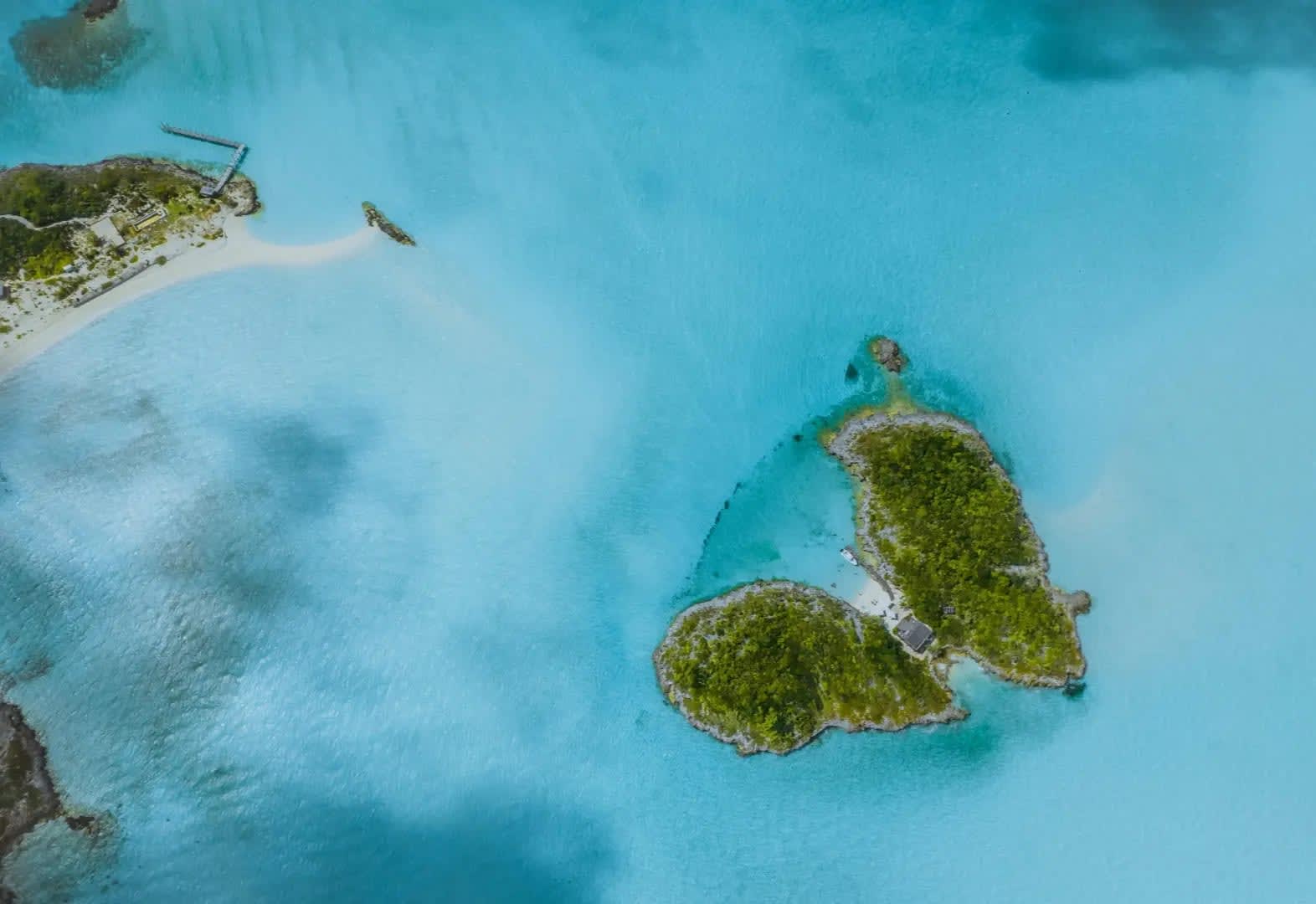
The Zanzibar Archipelago, situated off the east coast of Tanzania, consists of several islands, the largest being Unguja (Zanzibar) and Pemba. Known for its coral reefs, mangrove forests, and sandy beaches, Zanzibar is a biodiverse region with a variety of ecosystems that support marine life, tropical flora, and fauna. The surrounding waters teem with colorful fish, dolphins, and sea turtles, making it a popular destination for snorkeling and diving.
- Unguja (Zanzibar) : The main island, home to historic Stone Town and many beautiful beaches, as well as spice plantations that give Zanzibar its nickname, the ‘Spice Island.’
- Pemba Island : Known for its lush greenery and hilly terrain, Pemba offers a more secluded and rural experience with excellent diving spots and dense mangrove forests.
- Coral Reefs : Zanzibar’s reefs are rich in marine life, with vibrant corals and a diversity of fish species, making it a world-class destination for snorkeling and diving.
- Mangrove Ecosystems : The mangrove forests along the coast provide a habitat for fish and birds, playing a crucial role in maintaining the area’s biodiversity and protecting the shoreline from erosion.
- Spice Plantations : Spice farms across the islands grow cloves, nutmeg, cinnamon, and pepper, which are not only a key part of the local economy but also a popular attraction for visitors.
📜 History and Cultural Significance
The Zanzibar Archipelago has a rich cultural and historical background as a major trading center for centuries. Stone Town, a UNESCO World Heritage site, reflects a unique blend of African, Arab, and European influences, with historic buildings, narrow streets, and bustling markets. Zanzibar’s history includes influences from Persian, Omani, and Indian cultures, and it was once a hub for the spice and slave trades.
Stone Town : Known for its labyrinthine streets and intricate architecture, Stone Town is home to historic sites like the Old Fort, House of Wonders, and the Sultan’s Palace.
Spice Trade Legacy : Zanzibar’s spice trade history is evident in its lush plantations, where visitors can learn about the island’s role in global spice production and enjoy tours that showcase traditional methods of harvesting.
Swahili Culture : The islands are a center of Swahili culture, where music, dance, and cuisine reflect a fusion of cultural influences, creating a unique identity for Zanzibar.
Stone Town : Known for its labyrinthine streets and intricate architecture, Stone Town is home to historic sites like the Old Fort, House of Wonders, and the Sultan’s Palace.
Spice Trade Legacy : Zanzibar’s spice trade history is evident in its lush plantations, where visitors can learn about the island’s role in global spice production and enjoy tours that showcase traditional methods of harvesting.
Swahili Culture : The islands are a center of Swahili culture, where music, dance, and cuisine reflect a fusion of cultural influences, creating a unique identity for Zanzibar.
🏃 Activities and Attractions
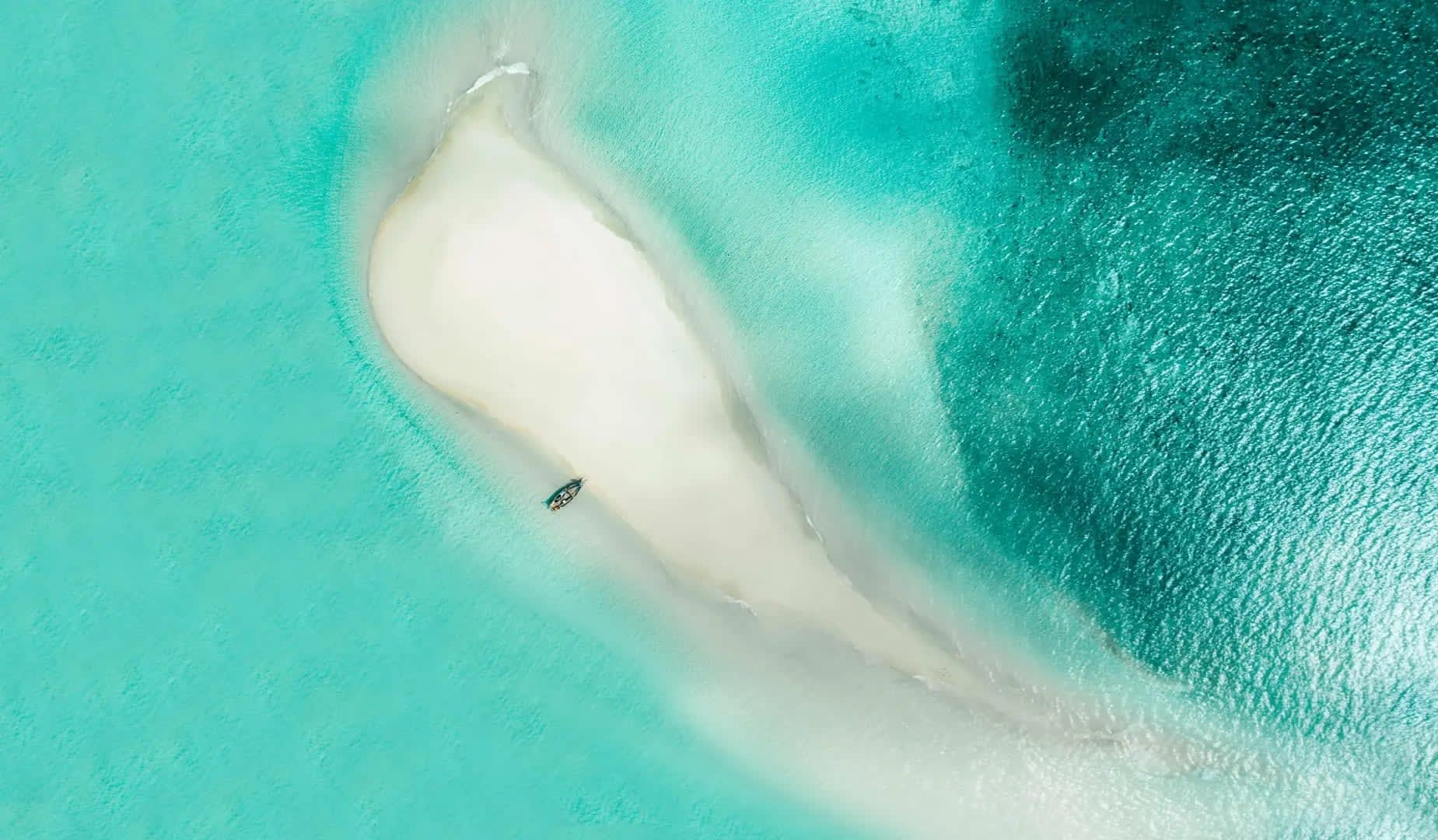
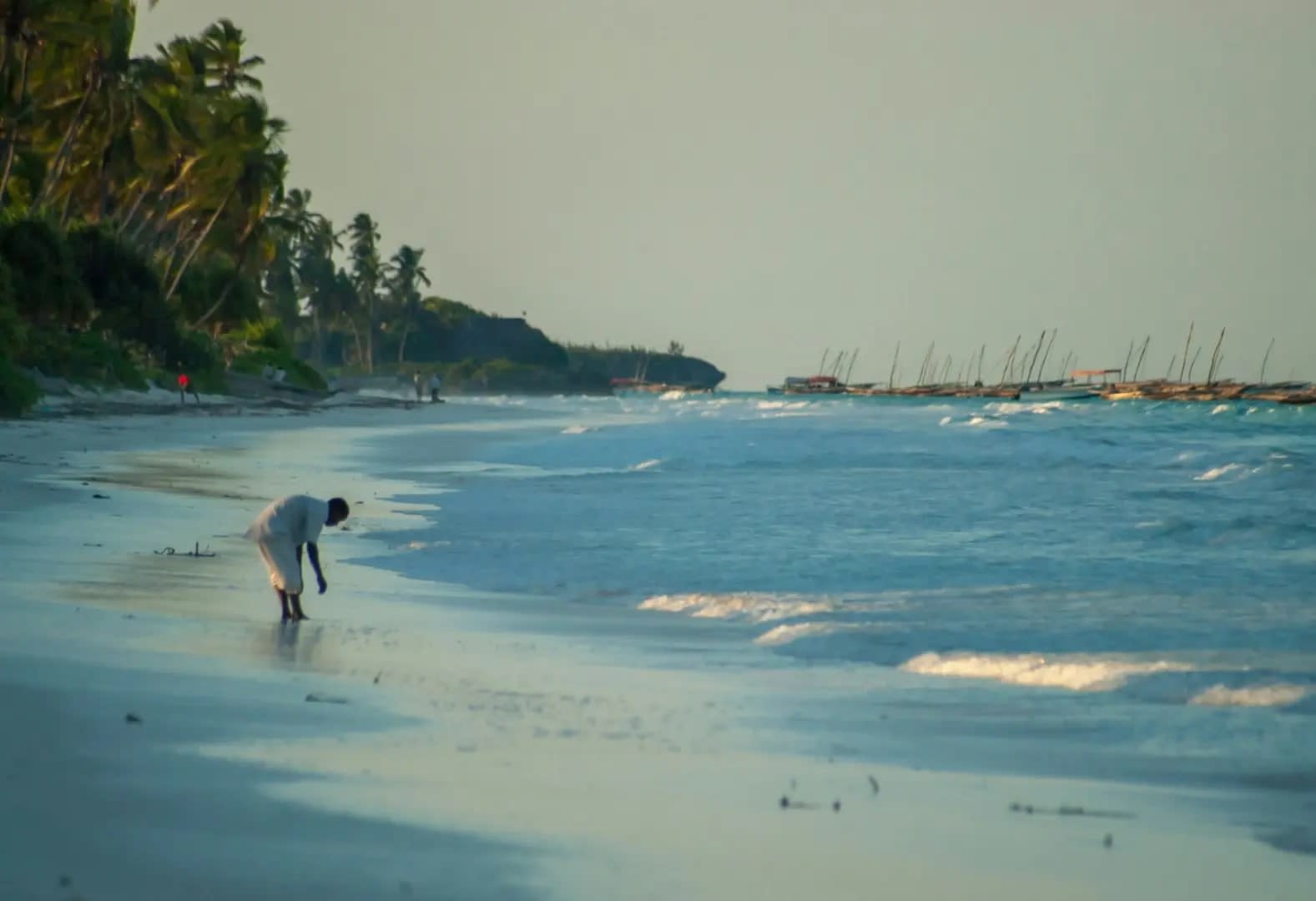
- Beach Relaxation : Zanzibar’s beaches are some of the most beautiful in the world, with powdery white sand and clear turquoise waters, perfect for unwinding and enjoying the scenery.
- Diving and Snorkeling : The coral reefs surrounding Zanzibar are home to a variety of marine life, offering incredible snorkeling and diving opportunities, particularly around Mnemba Atoll and Pemba Island.
- Stone Town Tour : Explore the winding streets of Stone Town, visiting landmarks such as the Old Fort, the House of Wonders, and the Sultan’s Palace, while learning about the island’s history and cultural heritage.
- Spice Tours : Discover Zanzibar’s spice plantations, where you can see, smell, and taste a variety of spices, and learn about their history and importance to the island.
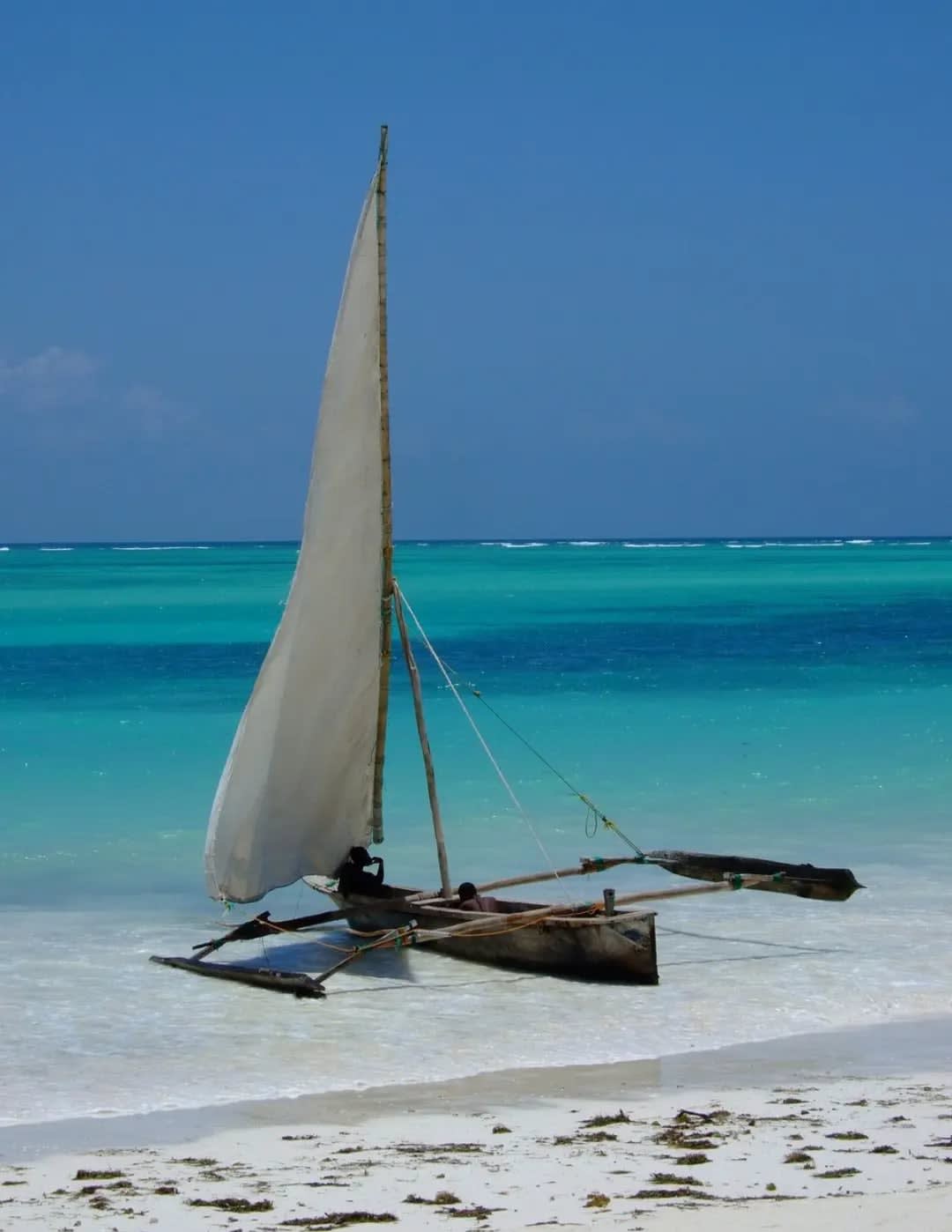
- Dhow Sailing : Enjoy a sunset dhow cruise along the coast, experiencing the beauty of the Indian Ocean from a traditional wooden boat.
💡 Travel Tips
How to Get There : Zanzibar can be accessed by flights from Dar es Salaam or direct international flights to Abeid Amani Karume International Airport. Ferries from Dar es Salaam also provide transportation to the islands.
Best Time to Visit : The best time to visit Zanzibar is during the dry seasons from June to October and December to February, when the weather is warm and ideal for beach activities.
What to Bring : Essentials include lightweight beachwear, sunscreen, swimwear, and a hat. If planning to explore Stone Town, comfortable walking shoes are recommended. Bring snorkeling or diving equipment if desired.
Accommodation : Zanzibar offers a range of accommodations from luxury resorts and boutique hotels to guesthouses, catering to various budgets and providing a unique experience close to the beach or within the historic center of Stone Town.
Best Time to Visit : The best time to visit Zanzibar is during the dry seasons from June to October and December to February, when the weather is warm and ideal for beach activities.
What to Bring : Essentials include lightweight beachwear, sunscreen, swimwear, and a hat. If planning to explore Stone Town, comfortable walking shoes are recommended. Bring snorkeling or diving equipment if desired.
Accommodation : Zanzibar offers a range of accommodations from luxury resorts and boutique hotels to guesthouses, catering to various budgets and providing a unique experience close to the beach or within the historic center of Stone Town.
🌱 Conservation Efforts
Conservation is essential to preserving the natural beauty and biodiversity of Zanzibar. Marine conservation efforts help protect coral reefs, while initiatives to promote sustainable tourism ensure that the islands’ ecosystems remain healthy. Visitors are encouraged to respect the environment by minimizing waste, using reef-safe sunscreen, and participating in eco-friendly activities.
Marine Protected Areas : Zanzibar has established several marine conservation areas to protect its coral reefs and marine life. Visitors can support these efforts by respecting guidelines, such as avoiding contact with coral and refraining from littering.
Community-Based Tourism : Local communities are involved in eco-tourism initiatives that emphasize sustainable practices and cultural preservation, providing an authentic experience while supporting local livelihoods.
Marine Protected Areas : Zanzibar has established several marine conservation areas to protect its coral reefs and marine life. Visitors can support these efforts by respecting guidelines, such as avoiding contact with coral and refraining from littering.
Community-Based Tourism : Local communities are involved in eco-tourism initiatives that emphasize sustainable practices and cultural preservation, providing an authentic experience while supporting local livelihoods.
✨ Conclusion
The Zanzibar Archipelago is a tropical paradise where visitors can immerse themselves in the beauty of the Indian Ocean, explore vibrant Swahili culture, and relax on pristine beaches. With its rich history, unique cultural heritage, and stunning natural landscapes, Zanzibar offers an unforgettable experience that combines adventure and relaxation. This destination is a true gem of East Africa, showcasing the importance of preserving its natural and cultural heritage for future generations.


