
Lake Manyara
Welcome to Lake Manyara National Park, one of Tanzania’s most captivating safari destinations. Nestled between the Great Rift Valley escarpment and the shimmering Lake Manyara, this park is celebrated for its diverse landscapes and unique wildlife experiences. Visitors can witness tree-climbing lions lounging on branches, encounter large herds of elephants, and marvel at vast flocks of pink flamingos gathered on the alkaline shores of the lake. From dense forests to open savannahs, Lake Manyara National Park offers an unforgettable adventure, perfect for nature lovers, birdwatchers, and anyone looking to experience the magic of African wildlife up close.
🌍 Geography and Natural Features
Lake Manyara National Park, located in northern Tanzania, spans approximately 330 square kilometers and sits at the base of the Great Rift Valley. This diverse ecosystem includes alkaline lakes, dense woodlands, acacia-dotted savannahs, and steep rift escarpments. The unique geography and varied habitats of the park support a rich array of wildlife, from large mammals to vibrant bird species. The park's blend of landscapes offers both dramatic scenery and ecological richness, making it a prime destination for safari enthusiasts and nature lovers.
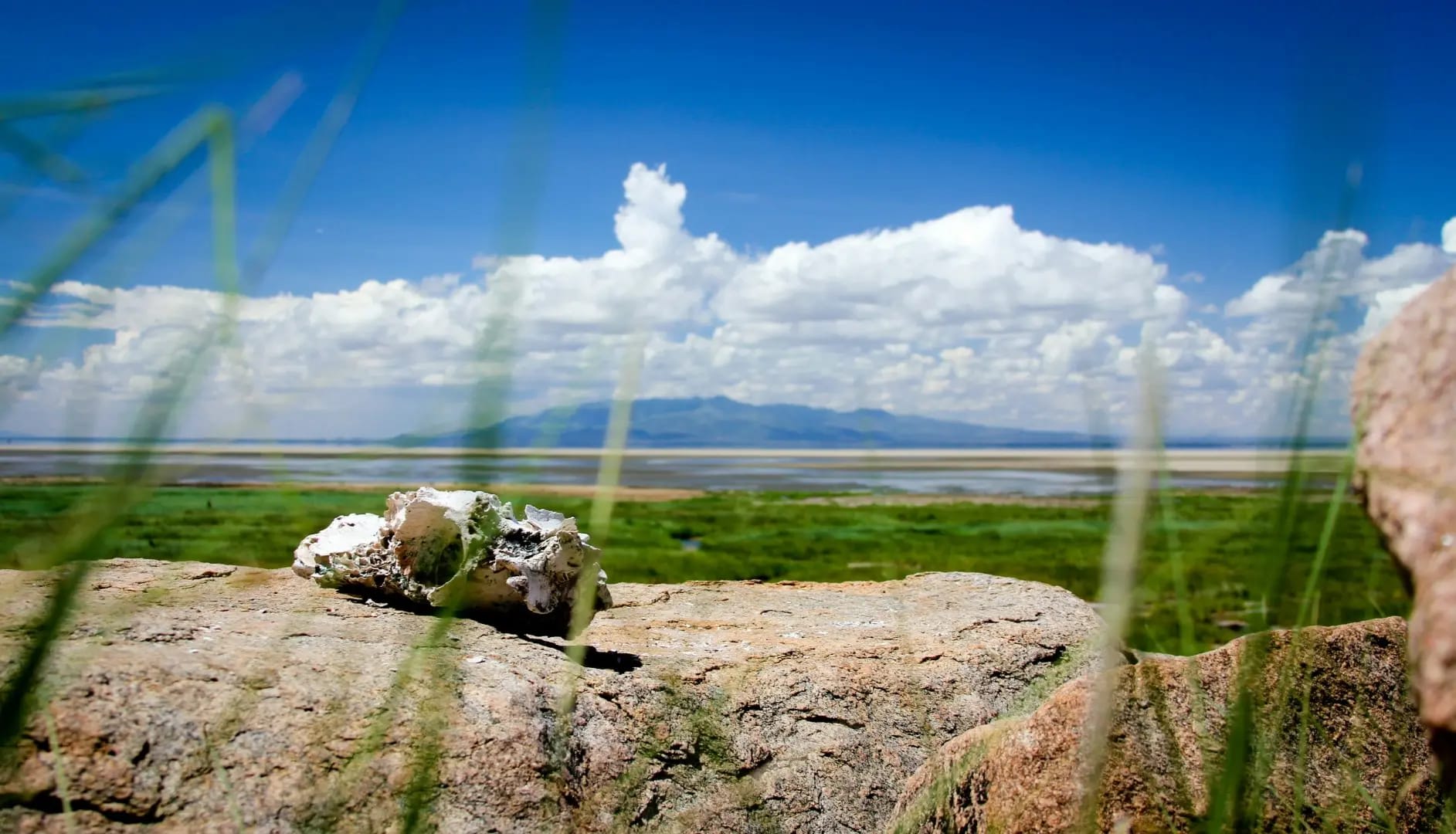
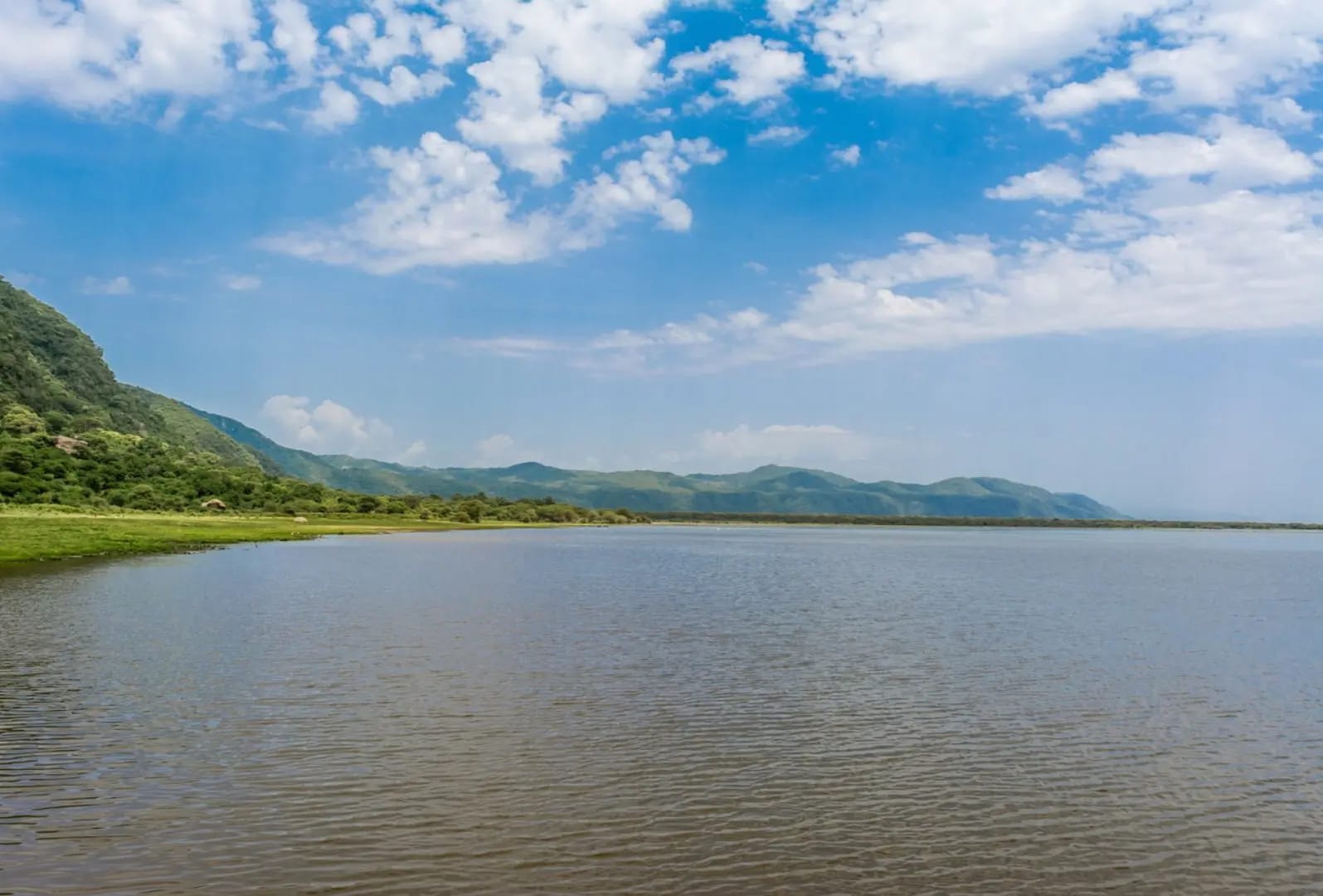
- Lake Manyara: A shallow, alkaline lake that stretches over 200 square kilometers during the rainy season, attracting thousands of pink flamingos and over 400 other bird species. The lake's saline waters create a rich feeding ground for these birds, making it a globally recognized birdwatching destination.
- Groundwater Forest: Located near the park's entrance, this dense, lush forest is nourished by underground springs and supports diverse wildlife, including elephants, baboons, and blue monkeys. The forest provides a cool contrast to the open plains, with tall mahogany and fig trees creating a canopy overhead.
- Rift Valley Escarpment: The western boundary of the park is marked by the towering Great Rift Valley escarpment, which rises sharply and offers dramatic views of the landscape below. This natural backdrop provides shelter for wildlife and creates a stunning visual boundary.
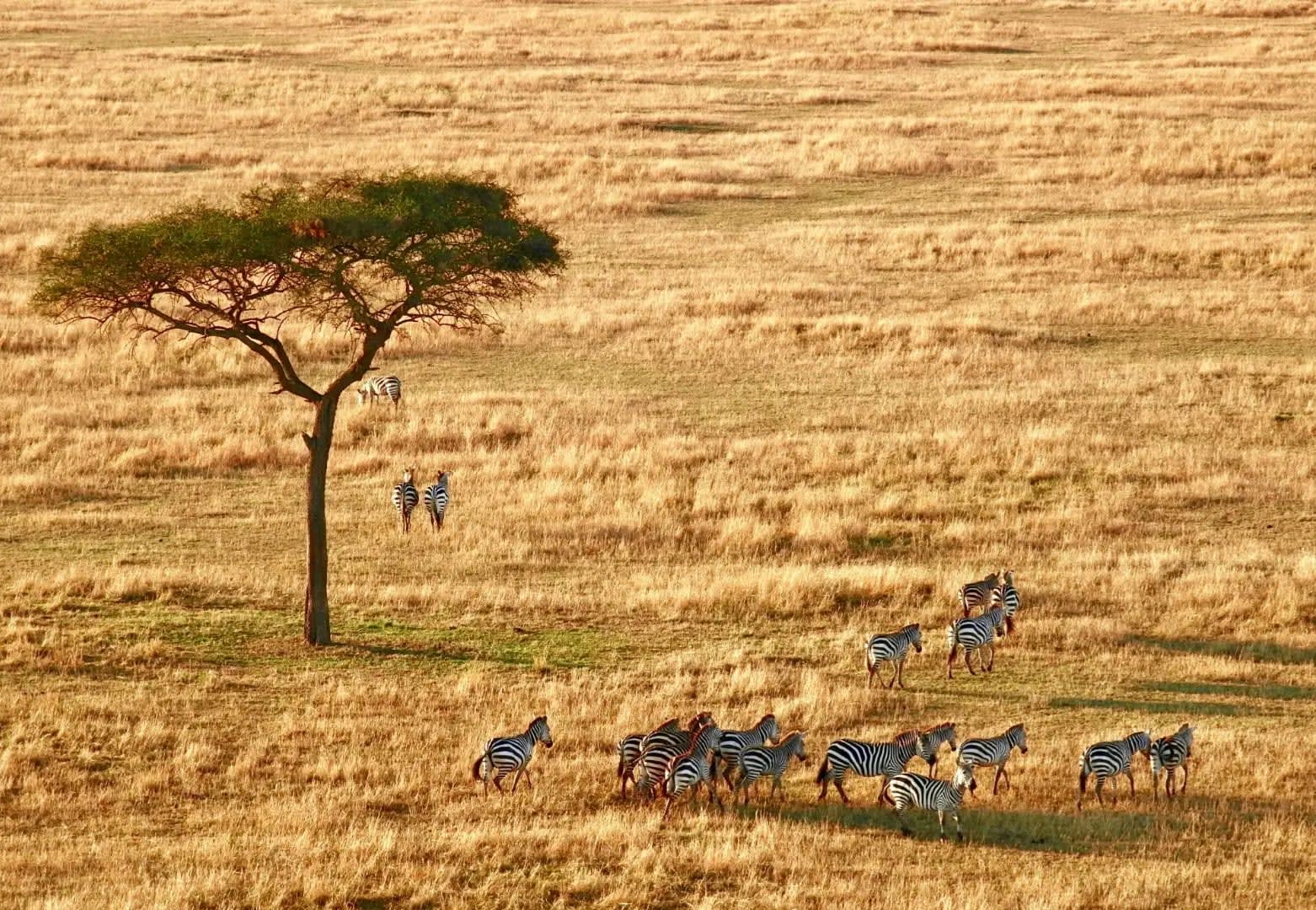
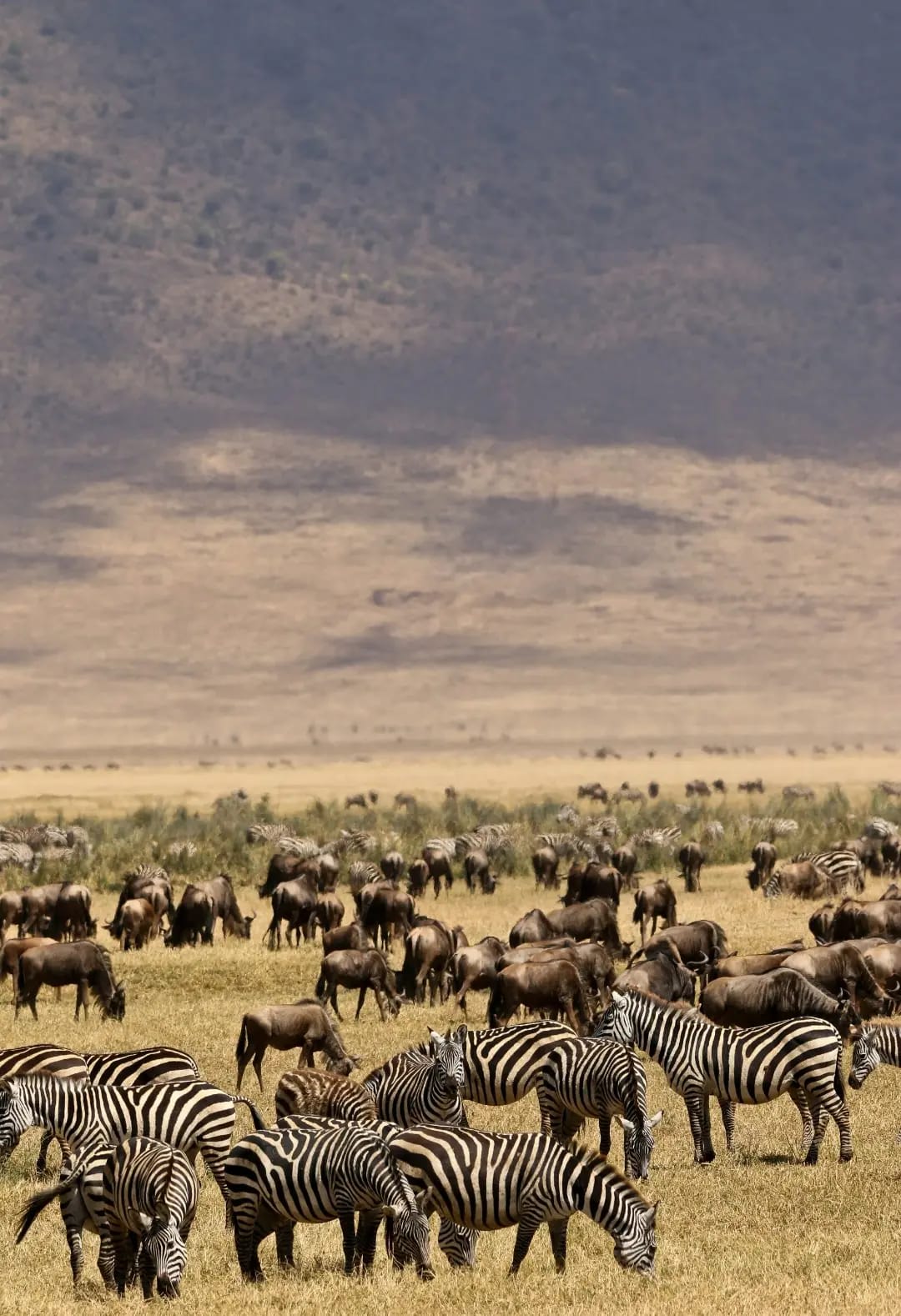
- Savannah and Grasslands: Open acacia woodlands and savannah plains cover much of the park, supporting herds of herbivores such as zebras, wildebeests, and giraffes. These grasslands are also home to Lake Manyara’s famous tree-climbing lions, which can often be seen lounging in the branches.
- Wetlands: Seasonal wetlands and marshes within the park play a crucial role in supporting biodiversity. These areas act as nurseries for fish and provide habitat for hippos and wading birds, contributing to the overall ecological balance of the park.
📜 History and Cultural Significance
Lake Manyara National Park, established in 1960, has a rich cultural and environmental significance within Tanzania. The land and its resources have long been essential to the surrounding communities, including the Maasai, who have lived in the region for centuries. The Maasai have a strong cultural and spiritual connection to the land, which they consider sacred and integral to their pastoralist lifestyle. The park was originally protected to conserve the area's unique ecosystems and diverse wildlife, which were under threat from expanding agricultural development and hunting.
Early Conservation Efforts: The idea of protecting Lake Manyara and its wildlife was proposed in the early 20th century, with growing concerns over the impact of human activity on the region’s ecosystems. The establishment of the park aimed to protect habitats critical for both animal migration and birdlife, especially around the lake.
The Role of Local Communities: The Maasai people, who live in areas surrounding the park, maintain cultural traditions that include livestock grazing and seasonal migrations. In recent years, efforts have been made to involve local communities in conservation programs, ensuring sustainable tourism practices and protecting the natural resources. Community-led initiatives and partnerships help balance ecological preservation with the cultural significance of Lake Manyara National Park.
Early Conservation Efforts: The idea of protecting Lake Manyara and its wildlife was proposed in the early 20th century, with growing concerns over the impact of human activity on the region’s ecosystems. The establishment of the park aimed to protect habitats critical for both animal migration and birdlife, especially around the lake.
The Role of Local Communities: The Maasai people, who live in areas surrounding the park, maintain cultural traditions that include livestock grazing and seasonal migrations. In recent years, efforts have been made to involve local communities in conservation programs, ensuring sustainable tourism practices and protecting the natural resources. Community-led initiatives and partnerships help balance ecological preservation with the cultural significance of Lake Manyara National Park.
🏃 Activities and Attractions
Lake Manyara National Park offers an unforgettable experience for nature lovers and adventurers alike. With diverse ecosystems and breathtaking scenery, the park is a haven for outdoor activities and wildlife viewing. From thrilling game drives to serene canoeing, visitors have a wide range of options to explore the beauty of this unique landscape.
- Game Drives: Lake Manyara is famous for its unique tree-climbing lions and abundant wildlife, including elephants, buffalo, giraffes, and hippos. Game drives are the best way to explore the park and observe these animals in their natural habitat, offering close-up views and memorable photo opportunities.
- Bird Watching: The park is a paradise for bird enthusiasts, with over 400 bird species recorded, including pink flamingos, pelicans, and hornbills. The lake's shores are often teeming with water birds, creating an impressive spectacle, especially during migration season.
- Guided Nature Walks: Guided walks allow visitors to explore the park’s diverse landscapes on foot, from dense groundwater forests to open savannahs. Knowledgeable guides provide insights into the local flora and fauna, making it a perfect way to experience the park’s natural wonders up close.
- Canoeing: For a unique perspective, canoeing on Lake Manyara offers an opportunity to view wildlife from the water. Paddling through the lake allows for close encounters with hippos, water birds, and other animals, all set against the backdrop of the Great Rift Valley escarpment.
- Photographic Safaris: With its dramatic landscapes, lush greenery, and rich wildlife, Lake Manyara National Park is a photographer’s dream. Specialized photographic safaris are available to capture the park’s beauty at its best, including opportunities to photograph the elusive tree-climbing lions and large flocks of flamingos.
💡 Travel Tips
How to Get There: Lake Manyara National Park is located in northern Tanzania, near the town of Mto wa Mbu, and can be accessed by road or air. The nearest airport is Kilimanjaro International Airport, about a two-hour drive, and many visitors also travel through Arusha. If driving, plan your route carefully, as some roads may require a 4x4 vehicle, especially during the rainy season.
Best Time to Visit: The best time to visit is during the dry season, from June to October, when animals gather around water sources, making wildlife viewing easier. However, the wet season (November to May) is also a beautiful time to visit, with lush landscapes and migratory birds, including large flocks of flamingos.
What to Bring: Essentials include lightweight, breathable clothing, a good pair of binoculars, a camera, and sun protection (sunscreen, hat, sunglasses). Don't forget insect repellent and plenty of water. If visiting during the rainy season, bring waterproof gear and extra layers, as temperatures can vary.
Accommodation and Services: A range of lodges, camps, and guesthouses are available near the park and in Mto wa Mbu. Options vary from budget to luxury, offering a unique safari experience. Some lodges are located right near the park's entrance, providing easy access and views over the lake and surrounding savannas.
Best Time to Visit: The best time to visit is during the dry season, from June to October, when animals gather around water sources, making wildlife viewing easier. However, the wet season (November to May) is also a beautiful time to visit, with lush landscapes and migratory birds, including large flocks of flamingos.
What to Bring: Essentials include lightweight, breathable clothing, a good pair of binoculars, a camera, and sun protection (sunscreen, hat, sunglasses). Don't forget insect repellent and plenty of water. If visiting during the rainy season, bring waterproof gear and extra layers, as temperatures can vary.
Accommodation and Services: A range of lodges, camps, and guesthouses are available near the park and in Mto wa Mbu. Options vary from budget to luxury, offering a unique safari experience. Some lodges are located right near the park's entrance, providing easy access and views over the lake and surrounding savannas.
🌱 Conservation Efforts
Lake Manyara National Park places a strong emphasis on conservation to protect its unique ecosystems and wildlife. Visitors are encouraged to follow ‘Leave No Trace’ principles, respecting the environment by staying on marked trails and properly disposing of waste. The park has strict regulations, including no off-road driving and no open fires outside designated camping areas.
Community Involvement and Conservation Initiatives: Local communities are actively involved in conservation efforts. Programs focus on promoting eco-friendly practices and sustainable tourism, helping to protect the park’s natural resources while supporting local livelihoods. Community initiatives include educating locals on wildlife protection and eco-tourism benefits.
Research and Wildlife Monitoring: Lake Manyara is also a site for scientific research, including studies on the unique behaviors of its tree-climbing lions and the migratory patterns of flamingos. Research helps inform the park’s conservation strategies and provides valuable data on the health of its ecosystems. Visitors may see researchers in the field and are encouraged to learn more about the park’s conservation efforts.
Community Involvement and Conservation Initiatives: Local communities are actively involved in conservation efforts. Programs focus on promoting eco-friendly practices and sustainable tourism, helping to protect the park’s natural resources while supporting local livelihoods. Community initiatives include educating locals on wildlife protection and eco-tourism benefits.
Research and Wildlife Monitoring: Lake Manyara is also a site for scientific research, including studies on the unique behaviors of its tree-climbing lions and the migratory patterns of flamingos. Research helps inform the park’s conservation strategies and provides valuable data on the health of its ecosystems. Visitors may see researchers in the field and are encouraged to learn more about the park’s conservation efforts.
✨ Conclusion
Lake Manyara National Park is more than just a safari destination; it’s a sanctuary where visitors can immerse themselves in the beauty of Tanzania’s diverse landscapes and wildlife. From witnessing the spectacle of tree-climbing lions to enjoying serene moments by the lake’s edge, Lake Manyara offers an unforgettable experience that celebrates the harmony of nature. This park highlights the importance of protecting our natural heritage, ensuring that future generations can experience the same awe and inspiration in this remarkable place.