
Ngorongoro Crater
Welcome to the Ngorongoro Crater, one of Tanzania’s most breathtaking destinations and a geological marvel. Located within the Ngorongoro Conservation Area, this massive volcanic caldera is often referred to as the ‘Garden of Eden’ due to its rich biodiversity and dramatic scenery. The crater floor is home to an incredible variety of wildlife, while its highland forests and grassy plains create a paradise for photographers and nature enthusiasts. Visitors can witness everything from large predators to the rare black rhino in this unique natural environment.
🌍 Geography and Natural Features
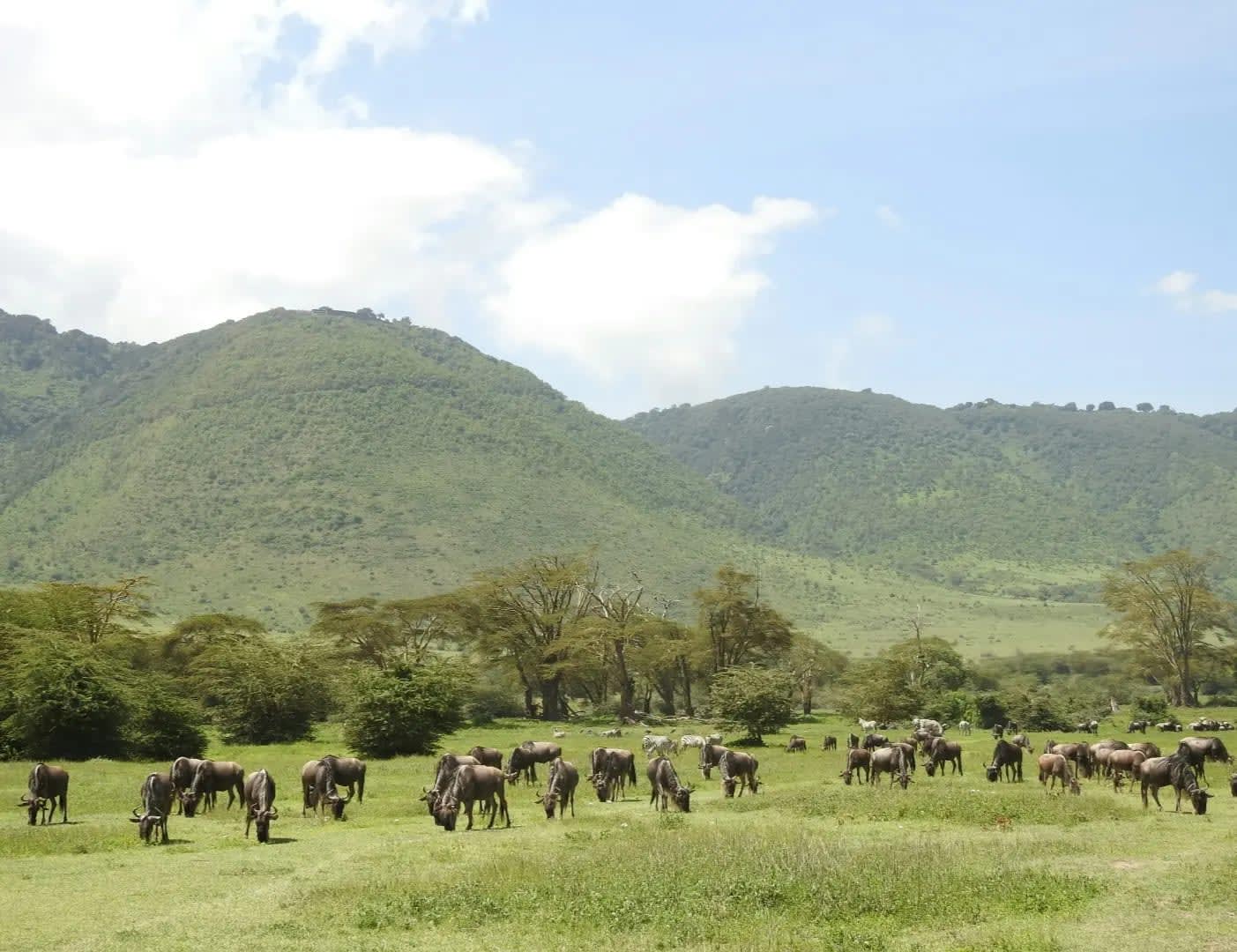
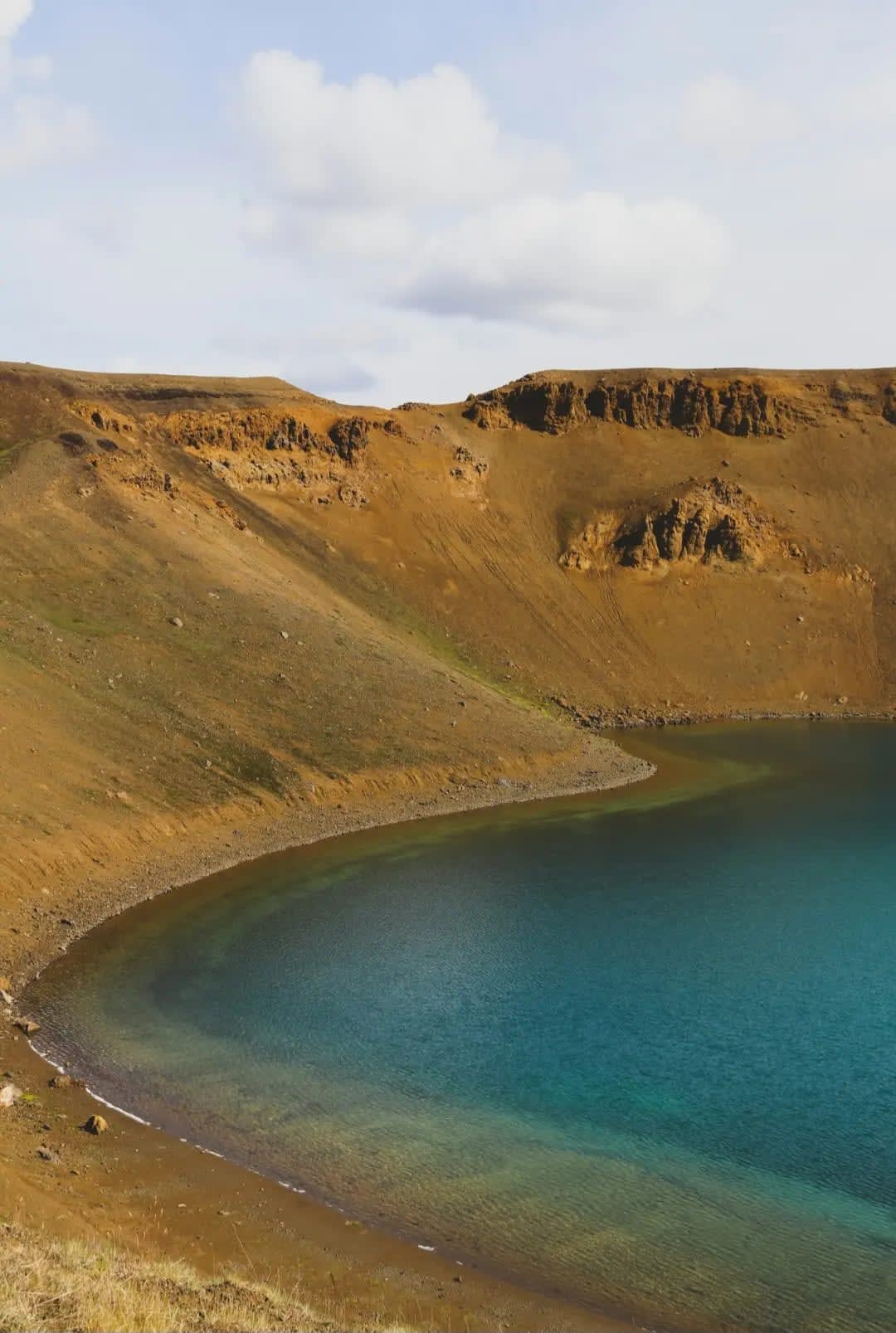
Ngorongoro Crater, located in northern Tanzania, spans about 260 square kilometers and is 610 meters deep. Formed over two million years ago, this volcanic caldera is one of the largest in the world and supports diverse ecosystems, including forests, grasslands, swamps, and an alkaline lake known as Lake Magadi. The crater's geography creates a self-contained habitat that supports one of the densest populations of large animals in Africa, including lions, elephants, zebras, and hippos.
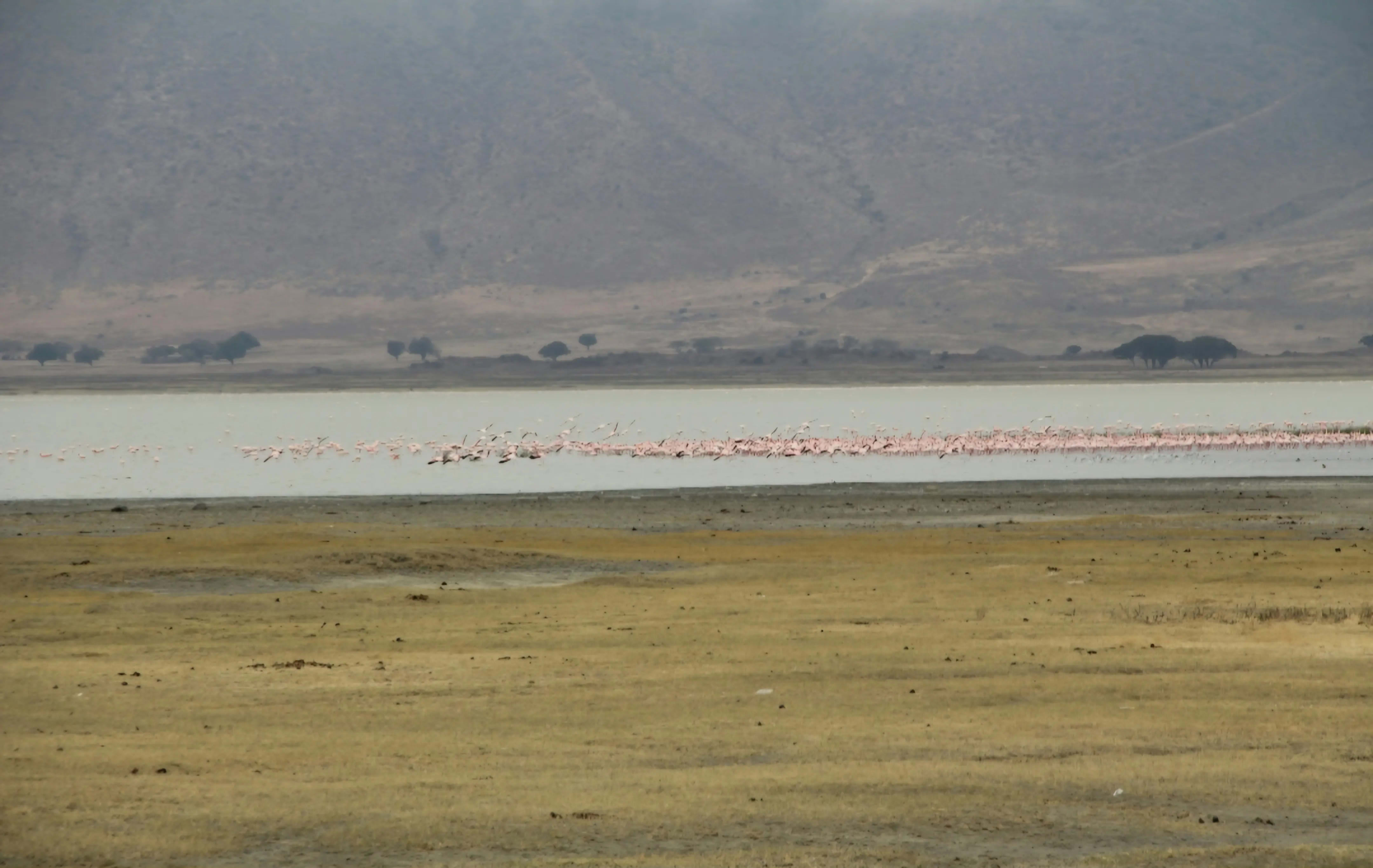
- Lake Magadi: Located on the crater floor, this shallow, alkaline lake attracts flocks of flamingos, pelicans, and other waterbirds, making it a prime spot for birdwatching.
- Lerai Forest: A dense, lush forest located near the crater’s edge, home to large elephants, monkeys, and various bird species. This area provides a cool, shaded environment that contrasts with the open plains.
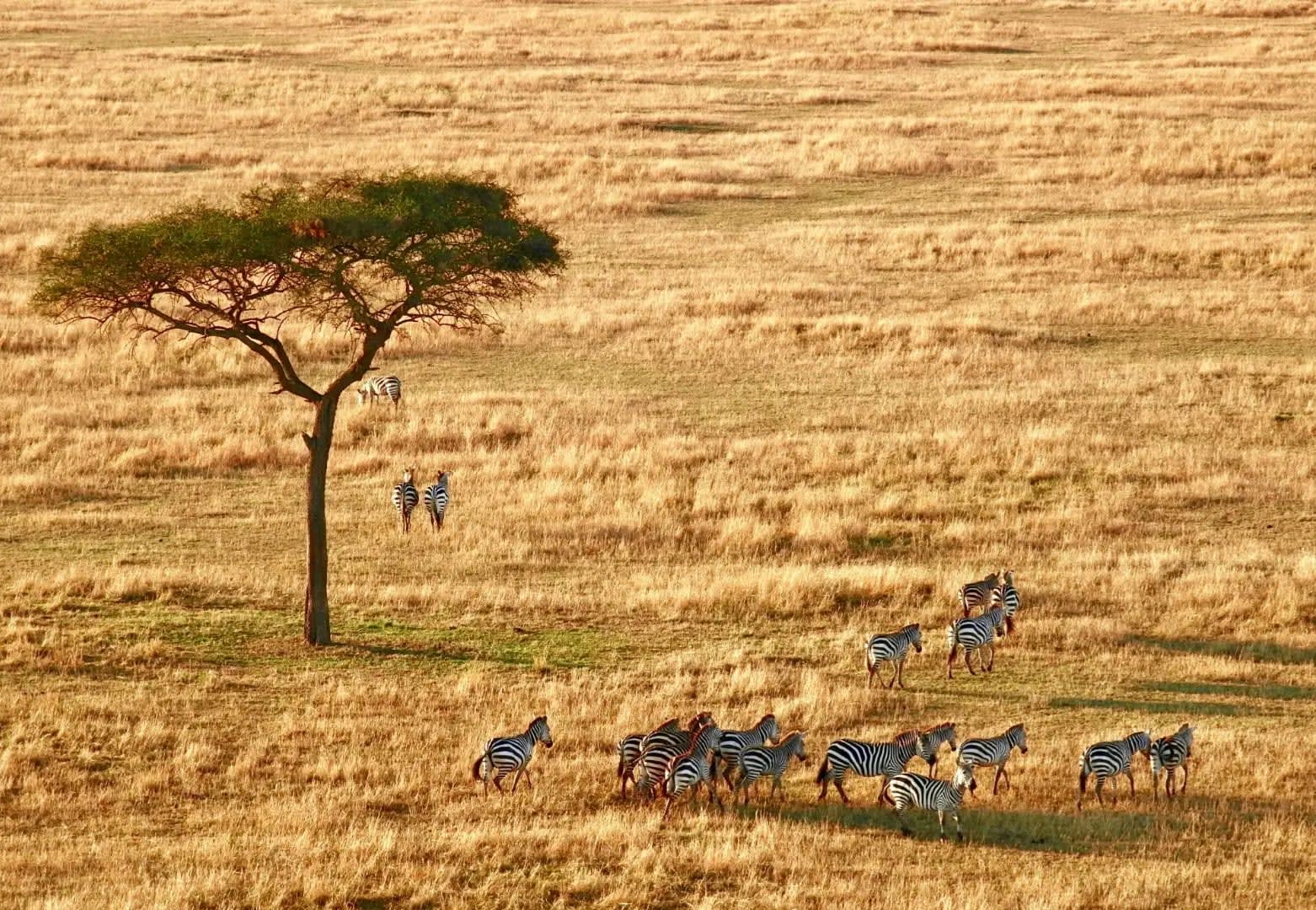
- Grasslands: Vast grassy plains cover much of the crater floor, supporting herds of wildebeest, zebras, and gazelles, which in turn attract predators such as lions and hyenas.
- Swamps and Marshes: Seasonal wetlands within the crater are essential for supporting biodiversity. They provide a habitat for hippos, as well as a water source for other animals during dry seasons.
- Highland Forests: The surrounding crater rim is covered in lush highland forests, which offer panoramic views and shelter unique flora and fauna adapted to the higher altitude.
📜 History and Cultural Significance
Ngorongoro Crater holds a deep cultural significance, particularly for the Maasai people who have lived in the area for centuries and regard it as a sacred place. The Ngorongoro Conservation Area was established in 1959 to protect both the natural habitat and the Maasai’s pastoralist lifestyle. This area reflects a unique balance between conservation and local culture, as Maasai communities still live and graze livestock in parts of the conservation area. The crater is a symbol of Tanzania's rich heritage, both natural and cultural.
Early Human Inhabitants: Archaeological findings in the Olduvai Gorge, located nearby, reveal that humans have lived in this region for over 2 million years, making it one of the world’s most important prehistoric sites.
Conservation Efforts: The Ngorongoro Conservation Area was designed to conserve wildlife while allowing for human habitation, creating a model for community-led conservation. Today, local communities and conservation organizations work together to ensure sustainable tourism and habitat protection.
Early Human Inhabitants: Archaeological findings in the Olduvai Gorge, located nearby, reveal that humans have lived in this region for over 2 million years, making it one of the world’s most important prehistoric sites.
Conservation Efforts: The Ngorongoro Conservation Area was designed to conserve wildlife while allowing for human habitation, creating a model for community-led conservation. Today, local communities and conservation organizations work together to ensure sustainable tourism and habitat protection.
🏃 Activities and Attractions
The Ngorongoro Crater offers a range of activities for nature lovers and adventurers, with opportunities for wildlife viewing, cultural experiences, and breathtaking photography. Here, visitors can explore the beauty of the crater and learn about its cultural heritage.
- Game Drives: Safari drives on the crater floor provide close encounters with a variety of animals, including lions, elephants, and rhinos. The high concentration of wildlife makes game drives an unforgettable experience.
- Bird Watching: The crater is home to over 500 bird species, including flamingos and eagles. Birdwatchers will find the alkaline Lake Magadi especially rewarding.
- Maasai Cultural Tours: Visitors can meet the Maasai people and learn about their traditional way of life, including livestock herding and unique customs.
- Photography: The dramatic landscapes and abundant wildlife make the Ngorongoro Crater ideal for photography, with many opportunities to capture the beauty of the area.
- Guided Nature Walks: Walks along the crater rim offer scenic views and insights into the local flora and fauna. Experienced guides provide a deeper understanding of the area’s natural and cultural history.
💡 Travel Tips
How to Get There: The Ngorongoro Crater is accessible by road from Arusha, which is about a 3-hour drive. Many visitors arrive through Kilimanjaro International Airport or Arusha Airport and then travel to the crater as part of a safari tour.
Best Time to Visit: The best time for wildlife viewing is during the dry season, from June to October. However, the crater is a year-round destination with excellent wildlife sightings even in the wet season, when the landscape is lush and green.
What to Bring: Essentials include comfortable, breathable clothing, binoculars, a camera, and sun protection (sunscreen, hat, sunglasses). A warm jacket is also recommended, as temperatures can drop in the early morning and evening.
Accommodation: A variety of lodges and camps are available around the crater rim and in nearby towns. Options range from budget to luxury, many of which offer stunning views over the crater.
Best Time to Visit: The best time for wildlife viewing is during the dry season, from June to October. However, the crater is a year-round destination with excellent wildlife sightings even in the wet season, when the landscape is lush and green.
What to Bring: Essentials include comfortable, breathable clothing, binoculars, a camera, and sun protection (sunscreen, hat, sunglasses). A warm jacket is also recommended, as temperatures can drop in the early morning and evening.
Accommodation: A variety of lodges and camps are available around the crater rim and in nearby towns. Options range from budget to luxury, many of which offer stunning views over the crater.
🌱 Conservation Efforts
The Ngorongoro Conservation Area focuses on the sustainable coexistence of wildlife and local communities. Conservation initiatives are aimed at preserving the crater’s ecosystems and supporting the Maasai people who live in the region. Tourists are encouraged to follow sustainable tourism practices, including minimizing waste and respecting wildlife.
Community Involvement: The Maasai play a vital role in conservation efforts. Programs that promote eco-friendly practices and sustainable tourism help protect the area's natural resources while benefiting local communities.
Wildlife Monitoring and Research: Conservation organizations conduct ongoing research in the crater, studying animal populations, ecological health, and the impacts of tourism. These efforts are essential for ensuring the long-term preservation of this unique ecosystem.
Community Involvement: The Maasai play a vital role in conservation efforts. Programs that promote eco-friendly practices and sustainable tourism help protect the area's natural resources while benefiting local communities.
Wildlife Monitoring and Research: Conservation organizations conduct ongoing research in the crater, studying animal populations, ecological health, and the impacts of tourism. These efforts are essential for ensuring the long-term preservation of this unique ecosystem.
✨ Conclusion
Ngorongoro Crater is more than just a wildlife destination; it is a place of remarkable beauty, cultural heritage, and ecological importance. From the scenic crater floor to the highland forests, Ngorongoro offers an unparalleled experience in Tanzania’s natural landscape. Visitors have the chance to witness one of the densest wildlife populations in Africa while learning about the Maasai people and their connection to the land. The Ngorongoro Conservation Area exemplifies a harmonious balance between nature and culture, making it a must-visit for anyone exploring Tanzania.