
Serengeti National Park
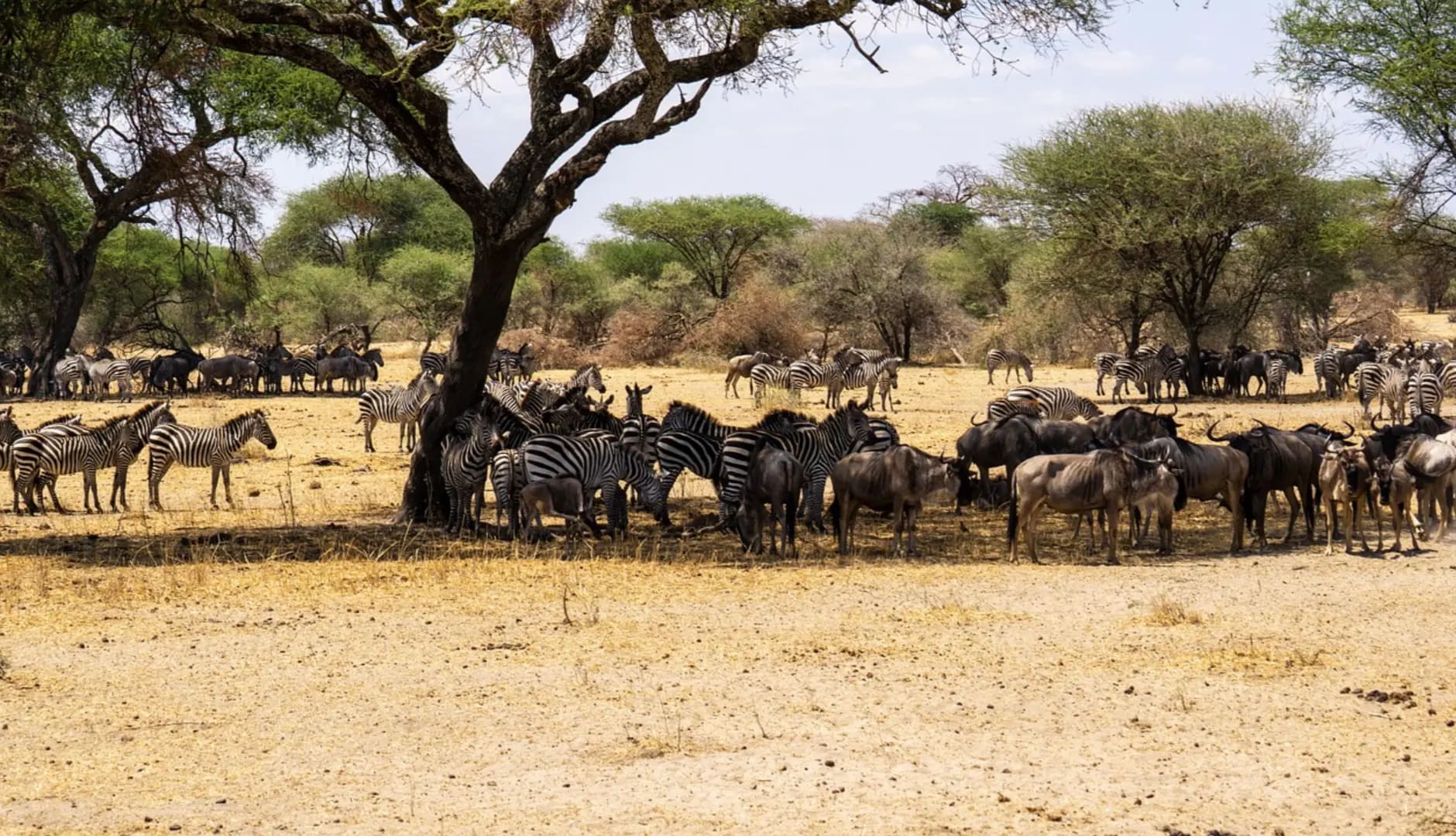
Welcome to Serengeti National Park, a jewel of Tanzania and one of the world’s premier safari destinations. Known for its sweeping grasslands, Serengeti hosts the world-renowned Great Migration, where millions of wildebeests, zebras, and gazelles traverse the plains in search of water and grazing. This ancient land is a sanctuary for Africa’s iconic wildlife, from big cats like lions and leopards to vast herds of antelopes and elephants. Serengeti offers an unforgettable experience for anyone looking to witness the raw beauty of African wildlife.
🌍 Geography and Natural Features
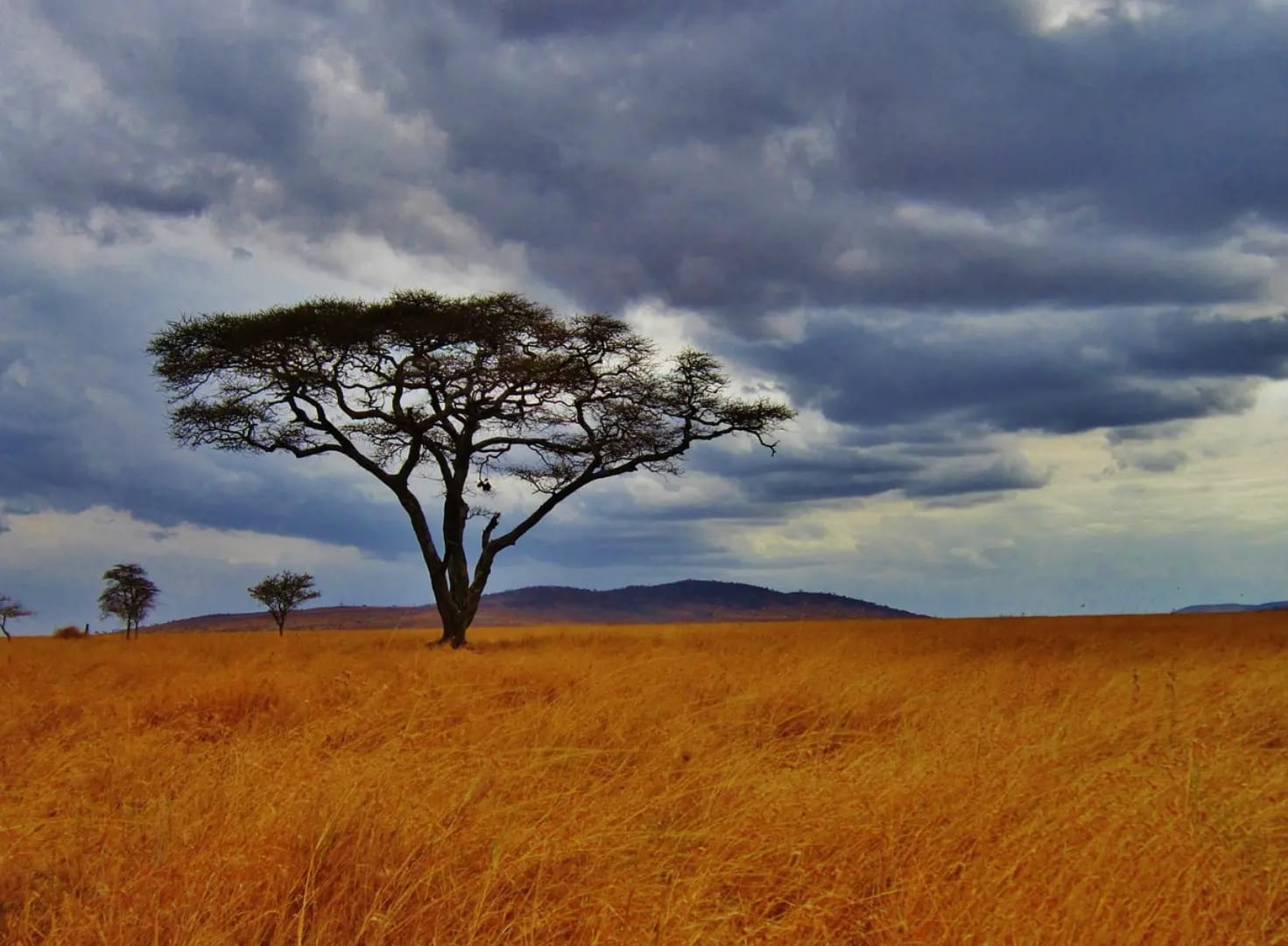
Located in northern Tanzania, Serengeti National Park spans nearly 15,000 square kilometers and connects with Kenya’s Maasai Mara. The park’s ecosystems vary from grassy plains and rocky kopjes to riverine forests and woodlands, supporting a diverse range of wildlife and bird species. Serengeti’s seasonal rains and fertile soil create an ideal environment for grazing animals, which in turn sustain one of the highest predator densities in Africa.
- Endless Plains : The Serengeti plains are the park’s defining feature, stretching for miles and providing an open habitat that supports large herds of wildebeests, zebras, and antelopes.
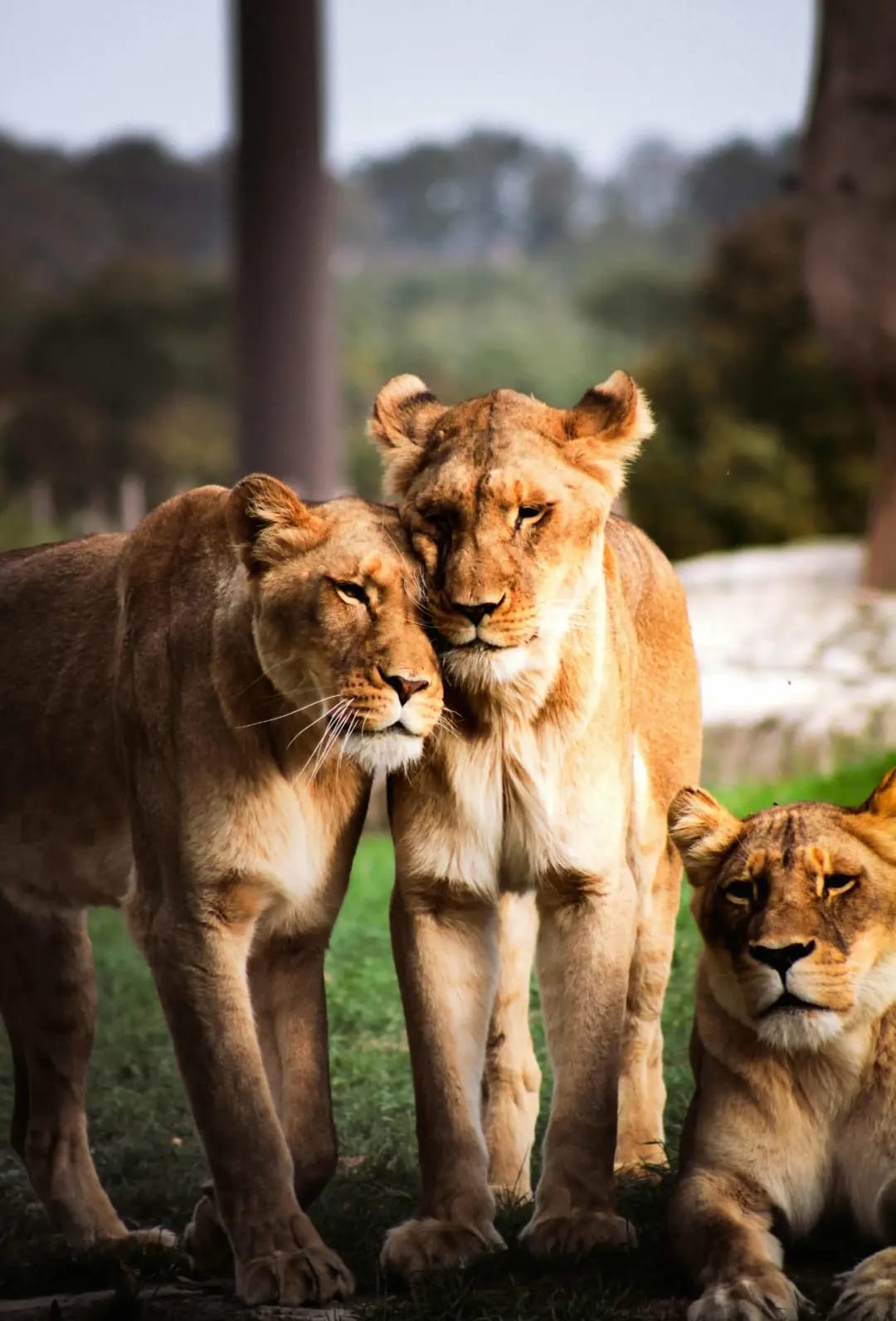
- Rocky Kopjes : Granite outcrops or kopjes are scattered throughout the Serengeti, offering shelter and hunting grounds for predators like lions and leopards.
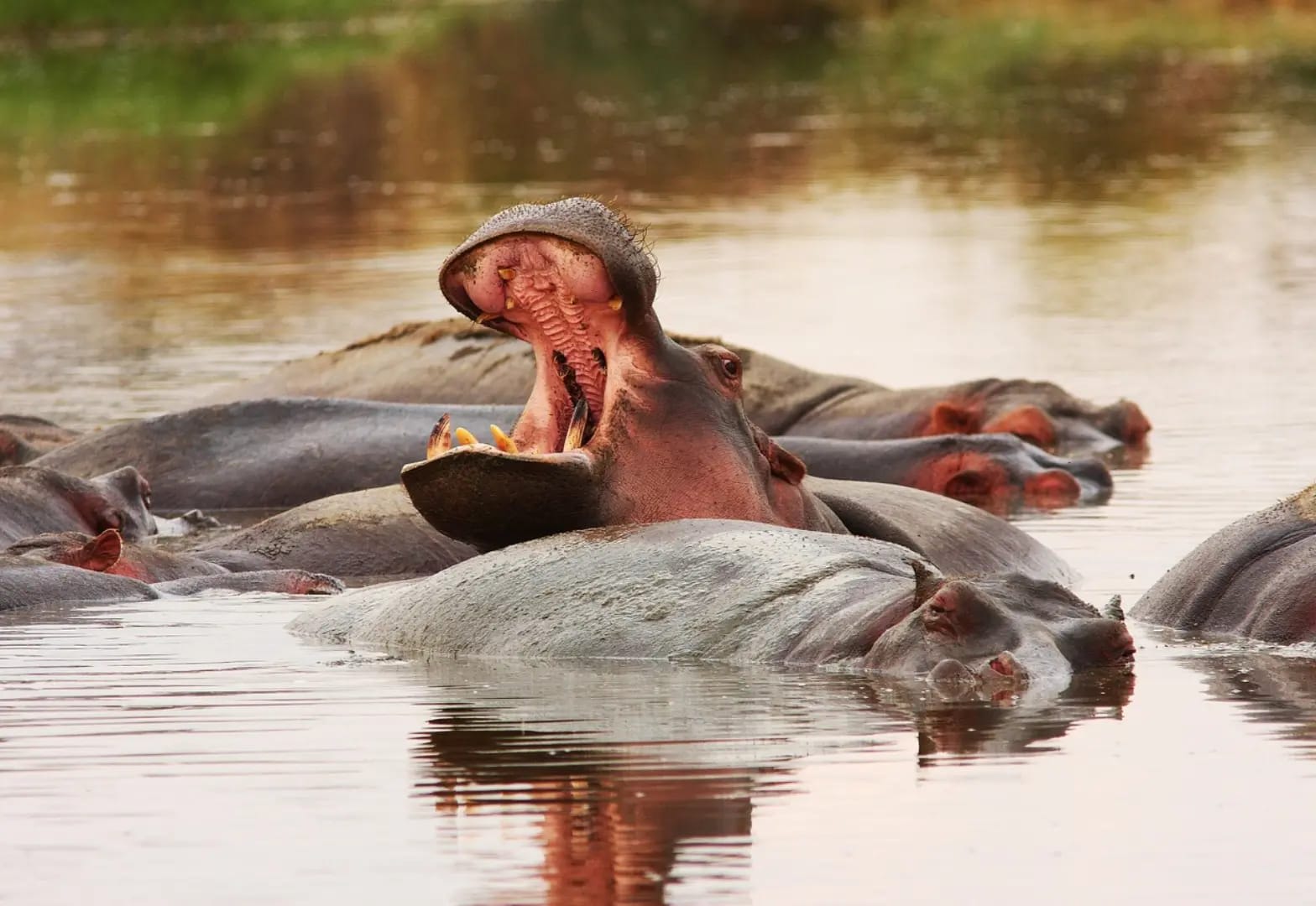
- Grumeti River : Flowing through the western corridor, the Grumeti River attracts wildlife year-round and is famous for hosting Nile crocodiles and hippos.
- Woodlands and Riverine Forests : These wooded areas provide habitat for giraffes, elephants, and various bird species, as well as shade and cover for predators.
- Western Corridor : Known for its dense wildlife concentrations, the Western Corridor is a critical passageway during the Great Migration, especially in the wet season.
📜 History and Cultural Significance
Serengeti National Park was established in 1951 to protect its unique landscapes and diverse wildlife, particularly from poaching and human encroachment. The Serengeti region has long been inhabited by the Maasai people, who have coexisted with wildlife for centuries. Their cultural traditions, including pastoralism and a deep respect for nature, have contributed to the conservation of this land.
Conservation Efforts : Serengeti plays a leading role in global conservation, with extensive programs focused on anti-poaching, wildlife monitoring, and sustainable tourism. Initiatives include efforts to protect endangered species and preserve the ecological balance of the park.
Conservation Efforts : Serengeti plays a leading role in global conservation, with extensive programs focused on anti-poaching, wildlife monitoring, and sustainable tourism. Initiatives include efforts to protect endangered species and preserve the ecological balance of the park.
🏃 Activities and Attractions
Serengeti National Park offers an array of activities, making it a premier destination for adventure and wildlife enthusiasts. From witnessing the Great Migration to exploring diverse landscapes, visitors can experience the magic of the Serengeti.
- Game Drives : Game drives in the Serengeti provide an opportunity to see big cats, elephants, giraffes, and more. During the Great Migration, the plains are alive with herds moving across the park.
- Hot Air Balloon Safaris : Floating over the Serengeti at dawn offers a breathtaking view of the wildlife and landscapes below. Balloon safaris offer a unique vantage point for capturing the vastness of the Serengeti.
- Bird Watching : With over 500 bird species, including ostriches, eagles, and flamingos, Serengeti is a paradise for bird watchers.
- Guided Nature Walks : Available in designated areas, guided walks allow visitors to explore the Serengeti on foot, with a focus on plants, smaller wildlife, and bird species.
- Photographic Safaris : Specialized photographic safaris allow visitors to capture the iconic landscapes and wildlife of the Serengeti, with the possibility of photographing the Great Migration, big cats, and sweeping savannahs.
💡 Travel Tips
How to Get There : Serengeti National Park is accessible via several airstrips and can also be reached by road from Arusha. Many visitors fly into Kilimanjaro International Airport or Arusha Airport, and then travel to the park by road or domestic flight.
Best Time to Visit : The dry season from June to October is ideal for game viewing, as animals are concentrated around water sources. However, the Great Migration occurs year-round, with river crossings often seen in July and August.
What to Bring : Essentials include light clothing, a hat, sunscreen, binoculars, insect repellent, and a camera. During cooler months, pack warm clothing for early mornings and evenings.
Accommodation : Serengeti offers a range of accommodations, from luxury lodges and mobile camps to budget-friendly tented camps, allowing visitors to stay close to the wildlife action.
Best Time to Visit : The dry season from June to October is ideal for game viewing, as animals are concentrated around water sources. However, the Great Migration occurs year-round, with river crossings often seen in July and August.
What to Bring : Essentials include light clothing, a hat, sunscreen, binoculars, insect repellent, and a camera. During cooler months, pack warm clothing for early mornings and evenings.
Accommodation : Serengeti offers a range of accommodations, from luxury lodges and mobile camps to budget-friendly tented camps, allowing visitors to stay close to the wildlife action.
🌱 Conservation Efforts
Conservation is central to Serengeti National Park, with a focus on protecting its wildlife and habitats from poaching and habitat loss. Programs include efforts to safeguard migratory corridors, monitor predator populations, and support anti-poaching initiatives. Visitors are encouraged to practice eco-friendly tourism by staying on marked trails and minimizing waste.
Community Involvement : Conservation efforts include working with local communities to reduce human-wildlife conflicts and promote sustainable land use. Eco-tourism initiatives provide economic support to local Maasai communities, helping to preserve cultural heritage and natural resources.
Research and Monitoring : Serengeti serves as a site for scientific research, focusing on species behavior, migration patterns, and predator-prey dynamics. This research helps inform conservation strategies and supports the long-term health of the park’s ecosystems.
Community Involvement : Conservation efforts include working with local communities to reduce human-wildlife conflicts and promote sustainable land use. Eco-tourism initiatives provide economic support to local Maasai communities, helping to preserve cultural heritage and natural resources.
Research and Monitoring : Serengeti serves as a site for scientific research, focusing on species behavior, migration patterns, and predator-prey dynamics. This research helps inform conservation strategies and supports the long-term health of the park’s ecosystems.
✨ Conclusion
Serengeti National Park offers an unparalleled safari experience, combining vast landscapes with a rich diversity of wildlife. From witnessing the awe-inspiring Great Migration to encountering iconic species like lions and elephants, Serengeti captures the essence of African wilderness. As a symbol of nature’s beauty and resilience, Serengeti underscores the importance of conserving our planet’s wild places for future generations.


