
Ruaha National Park
Welcome to Ruaha National Park, a hidden gem of Tanzania’s wilderness that offers a truly wild and remote safari experience. Known for its diverse habitats and dramatic landscapes, Ruaha is a haven for wildlife, including a notable population of lions, one of the largest elephant herds in East Africa, and rare species like the African wild dog. With fewer visitors than other parks, Ruaha provides an intimate and serene environment for observing Africa’s iconic wildlife and connecting with nature.
🌍 Geography and Natural Features
Located in southern Tanzania, Ruaha National Park spans approximately 20,226 square kilometers, making it Tanzania’s largest national park. This expansive area encompasses river valleys, rocky outcrops, and savannahs, creating a diverse ecosystem that supports various wildlife. The Great Ruaha River flows through the park, providing a vital water source that attracts large concentrations of animals, especially during the dry season.
- Great Ruaha River : This river is the park’s lifeline, drawing animals from across the park, especially during the dry season. Hippos, crocodiles, and a variety of birds can be seen along the riverbanks, and it’s a hotspot for predators.
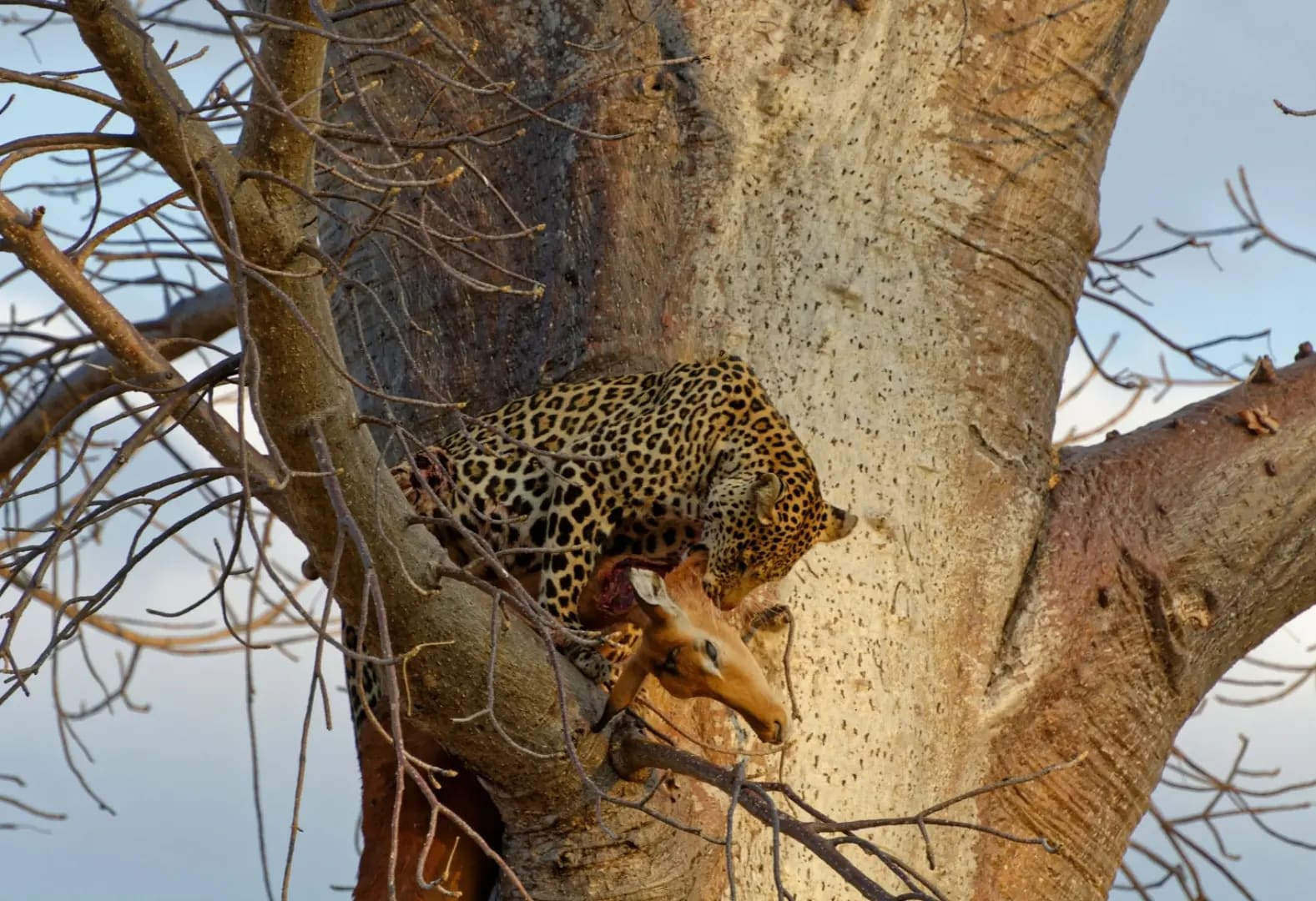
- Baobab Forests : Iconic baobab trees are scattered throughout the park, adding a unique charm to the landscape. These trees also provide shelter and food for birds and smaller wildlife.
- Rolling Hills and Rocky Outcrops : The park’s rugged terrain includes rocky kopjes and rolling hills, where you can spot lions and leopards lounging in the sun.
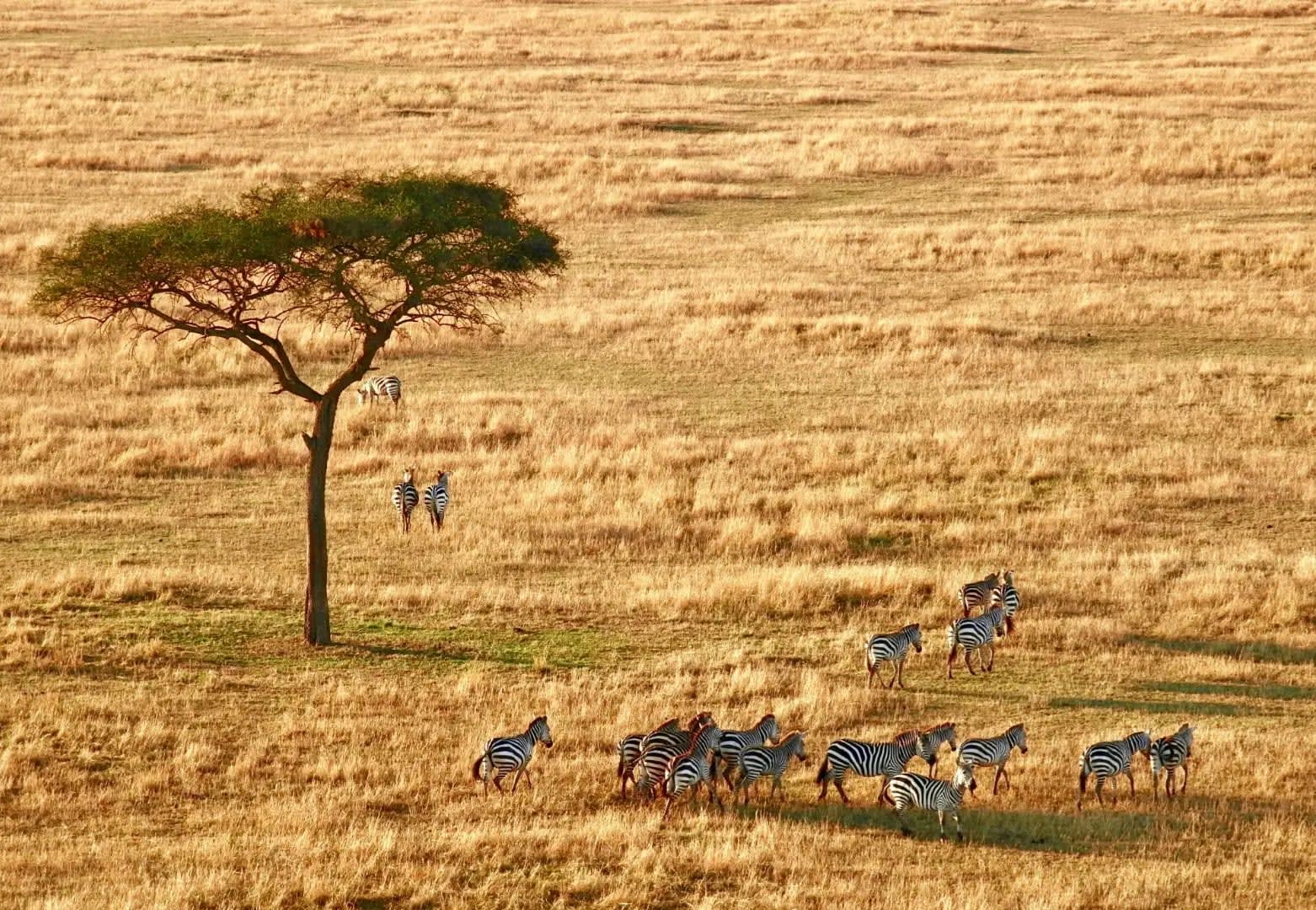
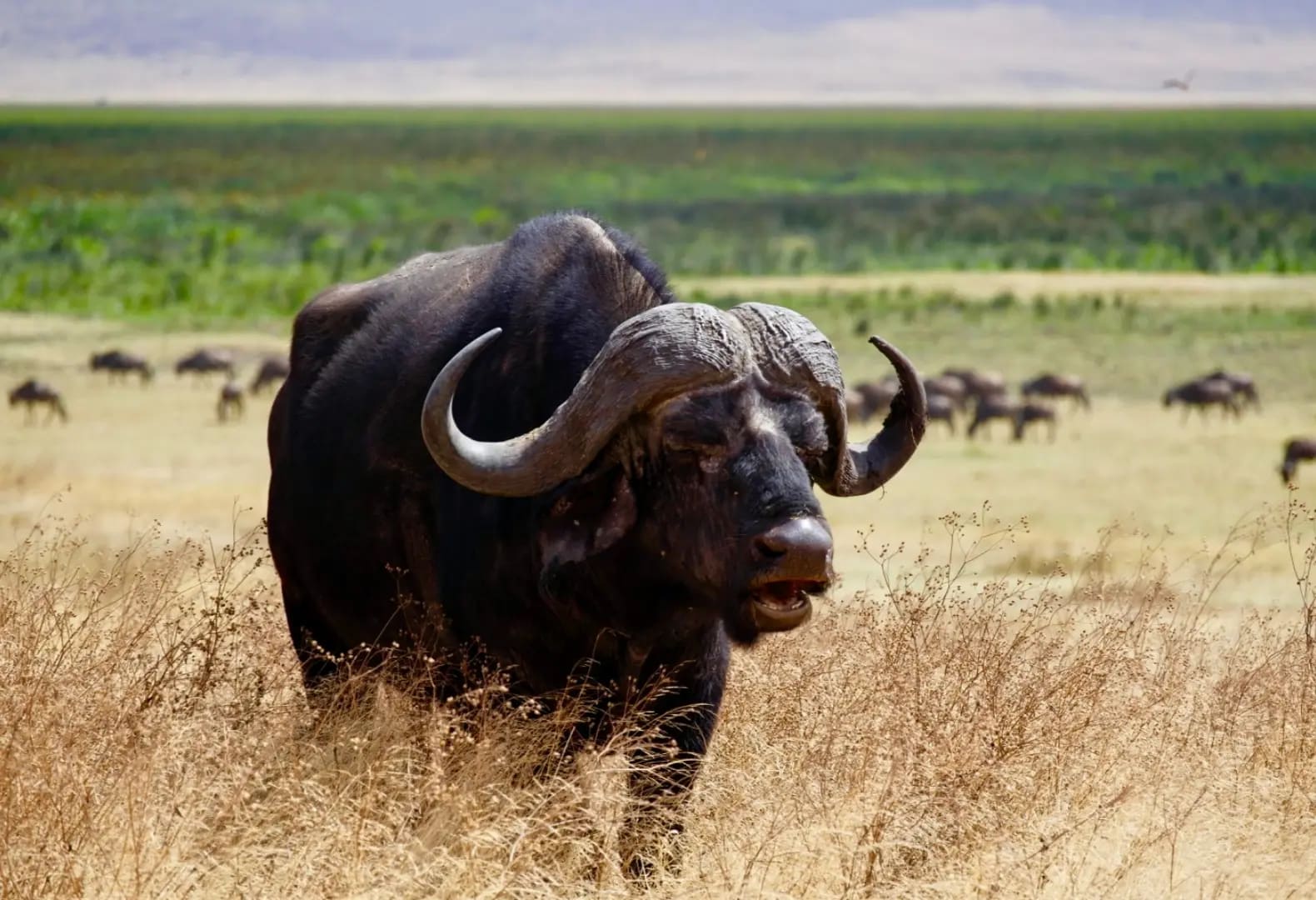
- Grasslands and Savannahs : Open plains and grassy savannahs are home to herds of antelopes, zebras, and buffalo, as well as the predators that follow them.
- Miombo Woodlands : Dense woodlands cover parts of the park and support species adapted to forested areas, including sable and roan antelope, making Ruaha one of the few parks in Tanzania where these species can be seen.
📜 History and Cultural Significance
Ruaha National Park was established in 1964 and later expanded to protect the ecosystems and wildlife along the Great Ruaha River. Historically, the area has been inhabited by various indigenous groups, including the Hehe people, who have a long-standing connection to the land and its natural resources. Ruaha’s cultural heritage includes ancient rock paintings found in nearby areas, reflecting the deep history and importance of this land to local communities.
Conservation Efforts : Conservation initiatives focus on protecting the unique ecosystems of Ruaha, including programs to monitor and protect its predator populations and reduce human-wildlife conflict. The park is also involved in research to understand and support the needs of its large elephant population.
Conservation Efforts : Conservation initiatives focus on protecting the unique ecosystems of Ruaha, including programs to monitor and protect its predator populations and reduce human-wildlife conflict. The park is also involved in research to understand and support the needs of its large elephant population.
🏃 Activities and Attractions
Ruaha National Park offers a variety of activities for those looking to experience Tanzania’s wilderness up close. Known for its unspoiled landscapes and diverse wildlife, Ruaha is a perfect destination for nature lovers and adventurous travelers.
- Game Drives : Game drives in Ruaha allow visitors to explore different habitats and spot animals such as lions, elephants, giraffes, and cheetahs. With fewer visitors, game drives here are exclusive and immersive.
- Walking Safaris : Ruaha is one of the few parks in Tanzania where walking safaris are permitted, providing an exhilarating way to experience the wild with trained guides. Walking through the bush offers a unique perspective on the park’s flora and fauna.
- Bird Watching : With over 570 bird species, Ruaha is a paradise for bird enthusiasts. Species include colorful bee-eaters, fish eagles, and the rare Ruaha red-billed hornbill.
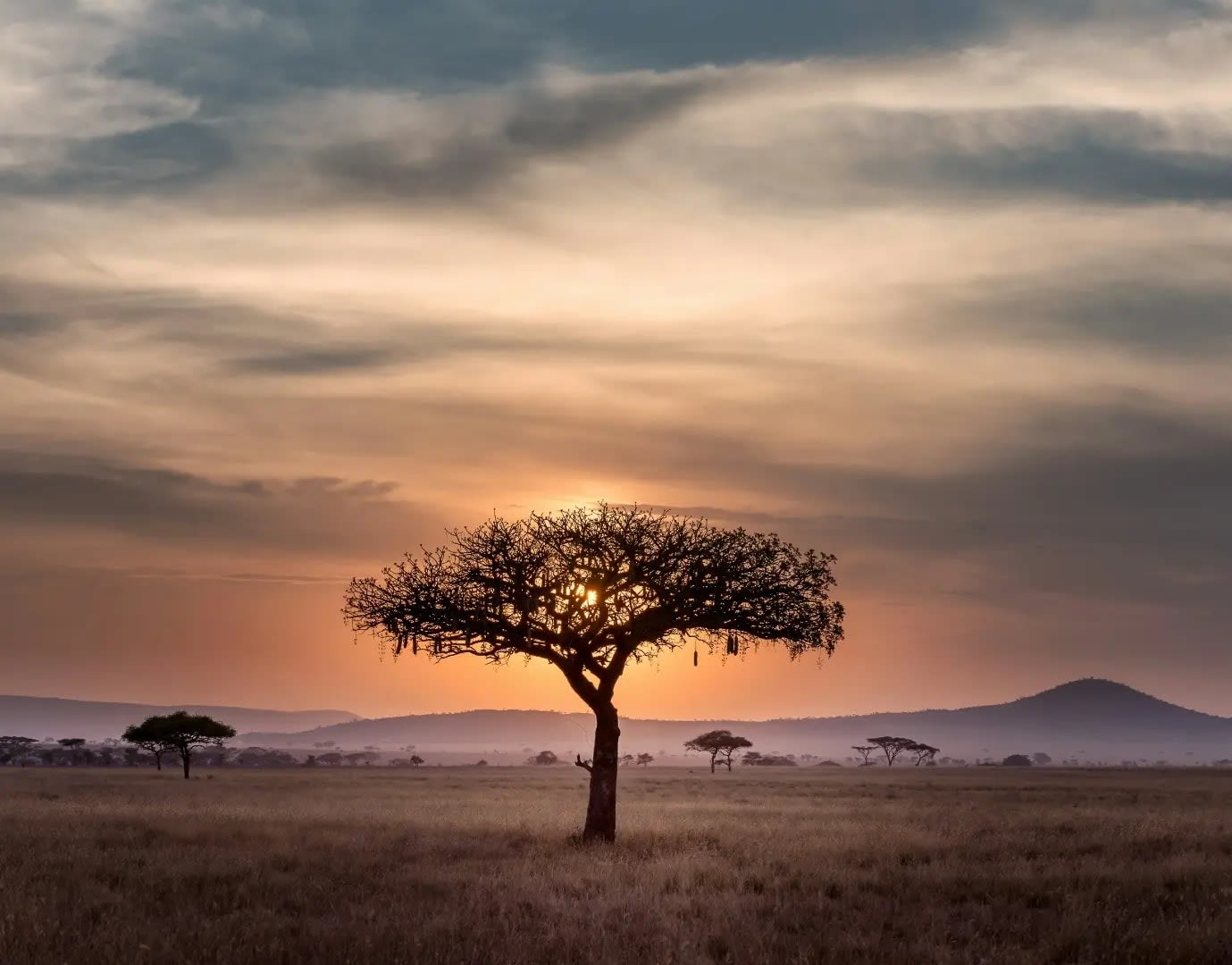
- Photographic Safaris : Ruaha’s varied landscapes and dramatic lighting make it an ideal place for photography, with opportunities to capture both wide panoramas and close-ups of wildlife.
- Night Drives : Some lodges offer night drives, where visitors can spot nocturnal animals such as bush babies, civets, and hyenas, providing a different view of the park’s wildlife.
💡 Travel Tips
How to Get There : Ruaha National Park is located in southern Tanzania, accessible by both road and air. The nearest town is Iringa, and there are daily flights from Dar es Salaam and Arusha to Ruaha’s airstrips.
Best Time to Visit : The dry season, from June to October, is ideal for game viewing as animals gather near water sources. The wet season (November to April) brings lush landscapes and is perfect for birdwatching, with migratory birds arriving in the park.
What to Bring : Essentials include light clothing, a hat, sunscreen, binoculars, insect repellent, and sturdy shoes. During the cooler months, warm clothing is recommended for early mornings and evenings.
Accommodation : There are several lodges and tented camps within and around the park, ranging from basic to luxury options. These accommodations often include activities like game drives and nature walks.
Best Time to Visit : The dry season, from June to October, is ideal for game viewing as animals gather near water sources. The wet season (November to April) brings lush landscapes and is perfect for birdwatching, with migratory birds arriving in the park.
What to Bring : Essentials include light clothing, a hat, sunscreen, binoculars, insect repellent, and sturdy shoes. During the cooler months, warm clothing is recommended for early mornings and evenings.
Accommodation : There are several lodges and tented camps within and around the park, ranging from basic to luxury options. These accommodations often include activities like game drives and nature walks.
🌱 Conservation Efforts
Ruaha National Park places a strong focus on wildlife conservation, particularly for its predator and elephant populations. Conservation initiatives aim to protect the park’s unique ecosystems while minimizing human impact. Visitors are encouraged to follow eco-friendly practices, such as staying on designated paths and avoiding littering.
Community Involvement : Conservation efforts include collaboration with local communities to reduce human-wildlife conflicts, especially concerning elephants and predators. Education programs and eco-tourism support local livelihoods while promoting the protection of natural resources.
Research and Monitoring : Ruaha serves as a research site for studying predator dynamics, especially the interactions between lions and wild dogs. Ongoing research contributes to sustainable management and conservation strategies.
Community Involvement : Conservation efforts include collaboration with local communities to reduce human-wildlife conflicts, especially concerning elephants and predators. Education programs and eco-tourism support local livelihoods while promoting the protection of natural resources.
Research and Monitoring : Ruaha serves as a research site for studying predator dynamics, especially the interactions between lions and wild dogs. Ongoing research contributes to sustainable management and conservation strategies.
✨ Conclusion
Ruaha National Park offers a remote and unspoiled safari experience, ideal for those seeking to connect with nature in an untamed setting. The park’s stunning landscapes, diverse wildlife, and commitment to conservation make it a must-visit destination in Tanzania. With opportunities for close encounters with rare species and a serene atmosphere away from crowds, Ruaha highlights the beauty and importance of Tanzania’s natural heritage.


