


Table Mountain
Welcome to Table Mountain, a symbol of Cape Town and one of the most recognized natural wonders in South Africa. This majestic mountain, with its flat summit and awe-inspiring views, offers visitors a chance to experience South Africa’s natural beauty from an unforgettable vantage point. Discover unique plant species, spot native wildlife, and enjoy activities like hiking and sightseeing on Table Mountain.
🌍 Geography and Natural Features
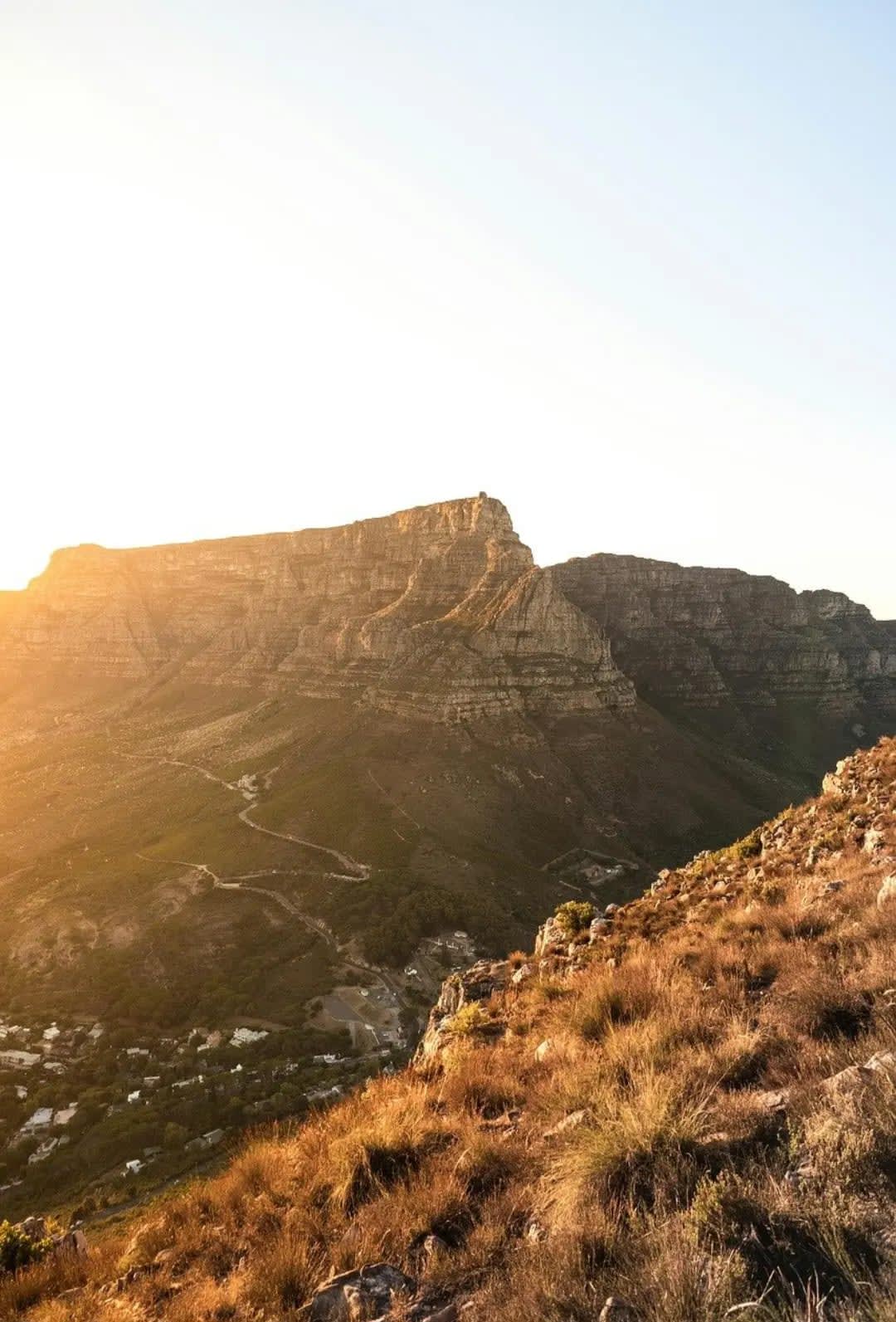
Table Mountain is part of the Table Mountain National Park and forms a distinctive feature in Cape Town’s skyline. It is home to diverse landscapes and ecosystems, including rare plant species and unique geology.
- Flat Summit : The mountain’s iconic flat top stretches approximately 3 kilometers, providing a panoramic platform for stunning views of Cape Town, the Atlantic Ocean, and the surrounding mountains.
- Fynbos Region : Table Mountain is part of the Cape Floral Kingdom, one of the world’s smallest yet richest floral regions, with thousands of plant species found nowhere else.
- Gorges and Ravines : Deep ravines, such as Platteklip Gorge, cut through the mountain, creating dramatic landscapes and pathways for adventurous hikers.
- Tafelberg Sandstone : The mountain’s unique sandstone formation dates back millions of years, contributing to its distinct look and providing a home for specialized plants.
- Cliffs and Rock Formations : The mountain’s cliffs and outcrops offer shelter to native wildlife and create breathtaking geological formations that make the landscape truly unique.
📜 History and Cultural Significance
Table Mountain has significant historical and cultural value for both locals and international visitors. Its presence has influenced the culture, history, and spirit of Cape Town.
Indigenous Heritage : The mountain holds cultural significance for the indigenous Khoisan people, who have regarded it as a sacred place for centuries.
Early Exploration : The mountain has attracted explorers and naturalists since the 17th century, with early records from sailors and settlers drawn to its unique flora and geography.
National Park Status : In 1998, Table Mountain was included in the Table Mountain National Park to protect its natural beauty, biodiversity, and cultural heritage, attracting millions of visitors each year.
Indigenous Heritage : The mountain holds cultural significance for the indigenous Khoisan people, who have regarded it as a sacred place for centuries.
Early Exploration : The mountain has attracted explorers and naturalists since the 17th century, with early records from sailors and settlers drawn to its unique flora and geography.
National Park Status : In 1998, Table Mountain was included in the Table Mountain National Park to protect its natural beauty, biodiversity, and cultural heritage, attracting millions of visitors each year.
🏃 Activities and Attractions
Table Mountain offers a variety of activities for outdoor enthusiasts and sightseers, allowing visitors to experience its beauty and views through different perspectives.
- Cable Car Rides : The Table Mountain Aerial Cableway transports visitors to the summit, providing a scenic and effortless way to enjoy panoramic views of Cape Town and the Atlantic coast.
- Hiking Trails : Table Mountain features several hiking trails, including the popular Platteklip Gorge route. Trails vary in difficulty and length, allowing hikers to experience the mountain’s diverse terrain and flora.
- Rock Climbing : The mountain’s rugged cliffs and rock faces offer excellent climbing opportunities, attracting climbers from around the world.
- Photography : With its stunning landscapes and views, Table Mountain is a popular spot for photographers looking to capture Cape Town’s iconic scenery.
- Flora and Fauna Observation : Table Mountain’s rich biodiversity includes rare plant species and animals like dassies (rock hyrax), creating a unique experience for nature enthusiasts.
💡 Travel Tips
How to Get There : Table Mountain is located within Cape Town and can be reached by car, public transport, or hiking from nearby locations. The lower cable car station is accessible by taxi or shuttle from the city center.
Best Time to Visit : Visiting in the early morning or late afternoon is recommended for fewer crowds and cooler weather. Clear days with little wind are ideal for cable car rides and panoramic views.
What to Bring : Essentials include water, sunscreen, a hat, and sturdy shoes if hiking. Dress in layers, as temperatures on the mountain can change quickly.
Accessibility : The cableway offers facilities for people with limited mobility, including wheelchair access. The summit also has a restaurant and viewing platforms.
Best Time to Visit : Visiting in the early morning or late afternoon is recommended for fewer crowds and cooler weather. Clear days with little wind are ideal for cable car rides and panoramic views.
What to Bring : Essentials include water, sunscreen, a hat, and sturdy shoes if hiking. Dress in layers, as temperatures on the mountain can change quickly.
Accessibility : The cableway offers facilities for people with limited mobility, including wheelchair access. The summit also has a restaurant and viewing platforms.
🌱 Conservation Efforts
As part of the Table Mountain National Park, conservation efforts focus on preserving the mountain’s unique biodiversity and landscapes.
Protection of Endemic Flora : Conservation programs focus on protecting the mountain’s rare plant species, many of which are part of the unique fynbos biome.
Invasive Species Management : Efforts are ongoing to manage invasive plant species that threaten the indigenous flora.
Responsible Tourism : Visitors are encouraged to follow guidelines, such as staying on marked trails and respecting wildlife, to minimize their environmental impact and preserve the mountain’s beauty.
Protection of Endemic Flora : Conservation programs focus on protecting the mountain’s rare plant species, many of which are part of the unique fynbos biome.
Invasive Species Management : Efforts are ongoing to manage invasive plant species that threaten the indigenous flora.
Responsible Tourism : Visitors are encouraged to follow guidelines, such as staying on marked trails and respecting wildlife, to minimize their environmental impact and preserve the mountain’s beauty.
✨ Conclusion
Table Mountain stands as an iconic symbol of Cape Town, offering breathtaking views, unique biodiversity, and unforgettable experiences for visitors. Whether taking the cable car or hiking to the top, exploring Table Mountain is a must-do for anyone visiting South Africa. Its stunning landscapes, rich flora and fauna, and cultural significance make it a place of wonder and inspiration, worthy of preservation for generations to come.