
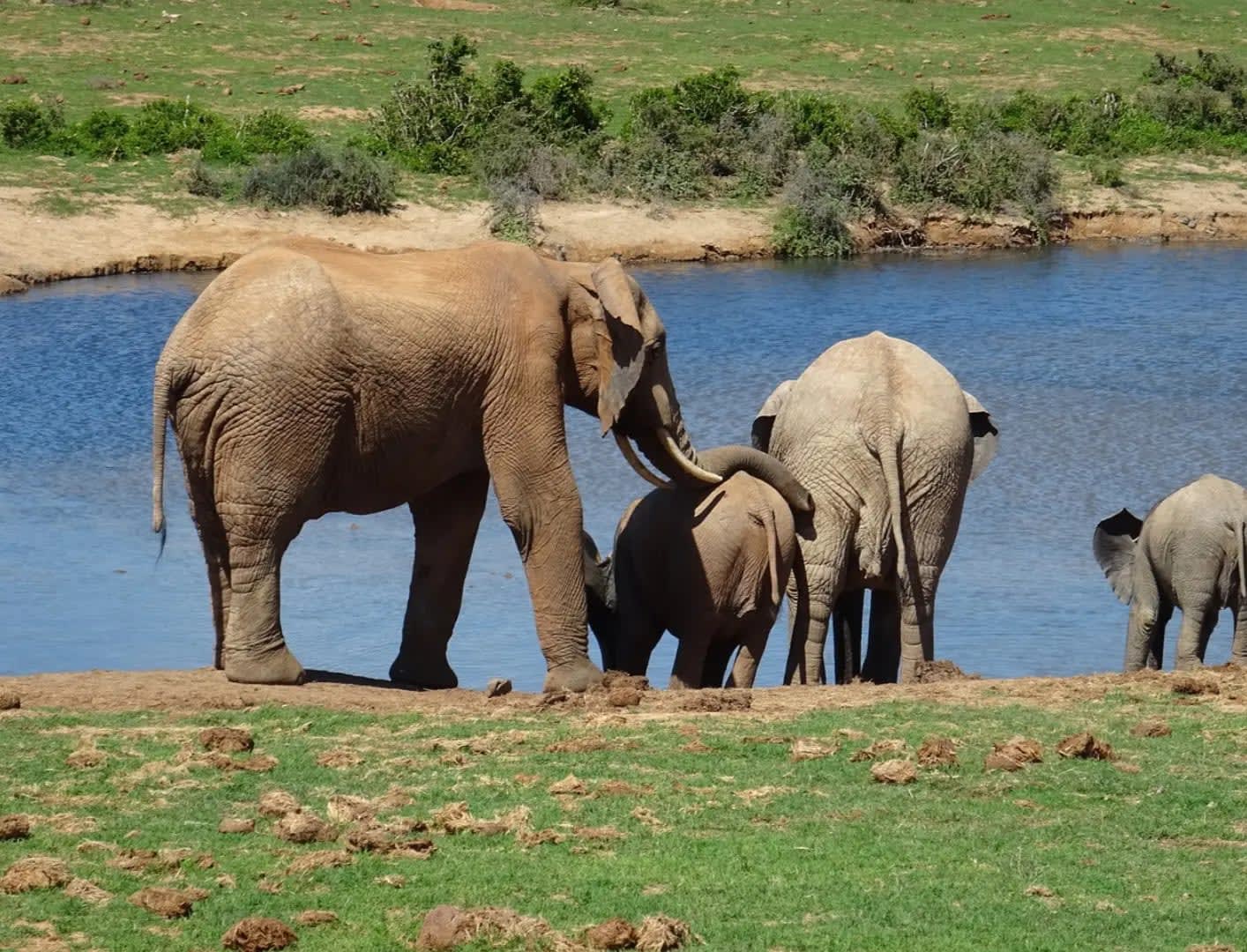
Addo Elephant
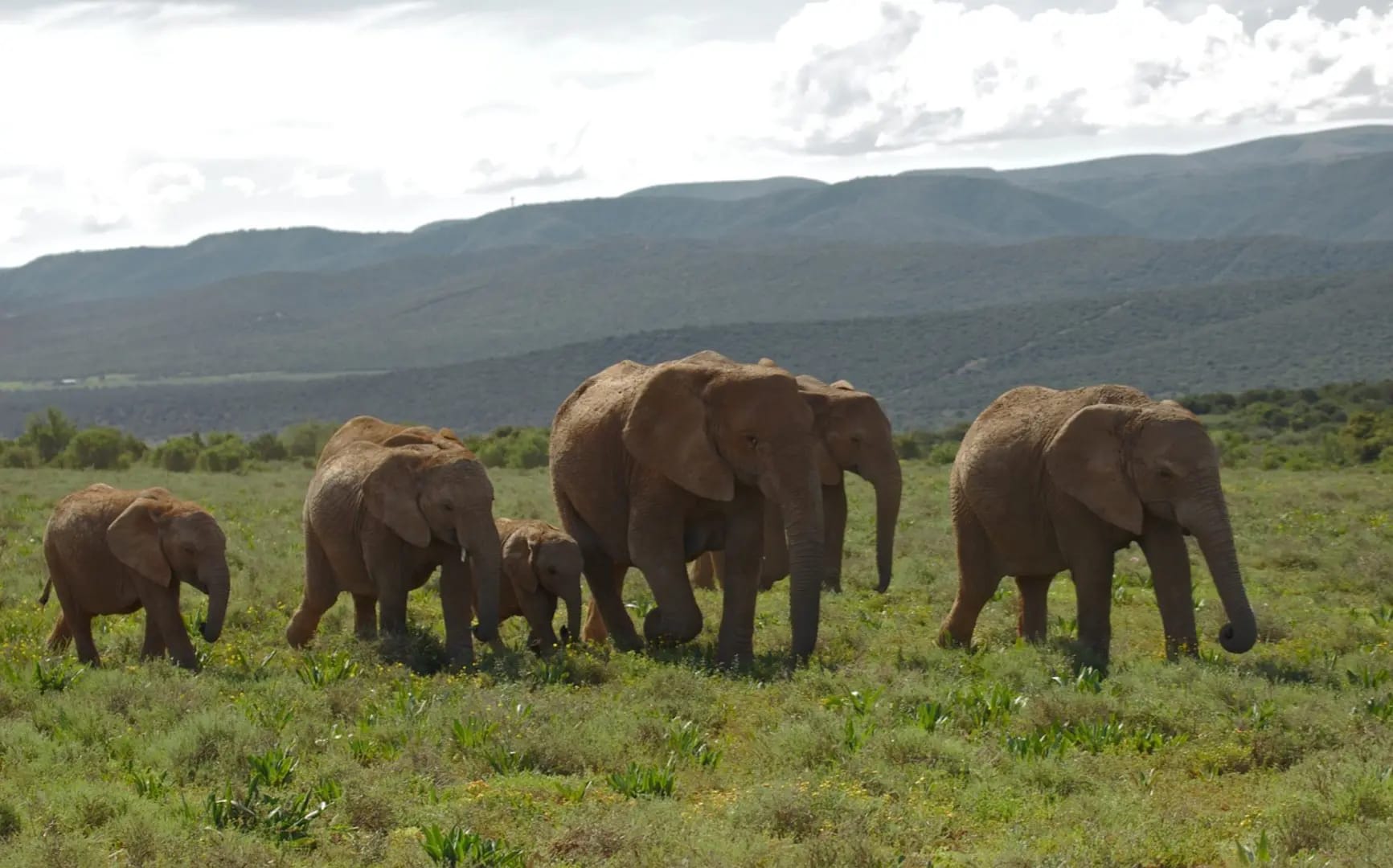
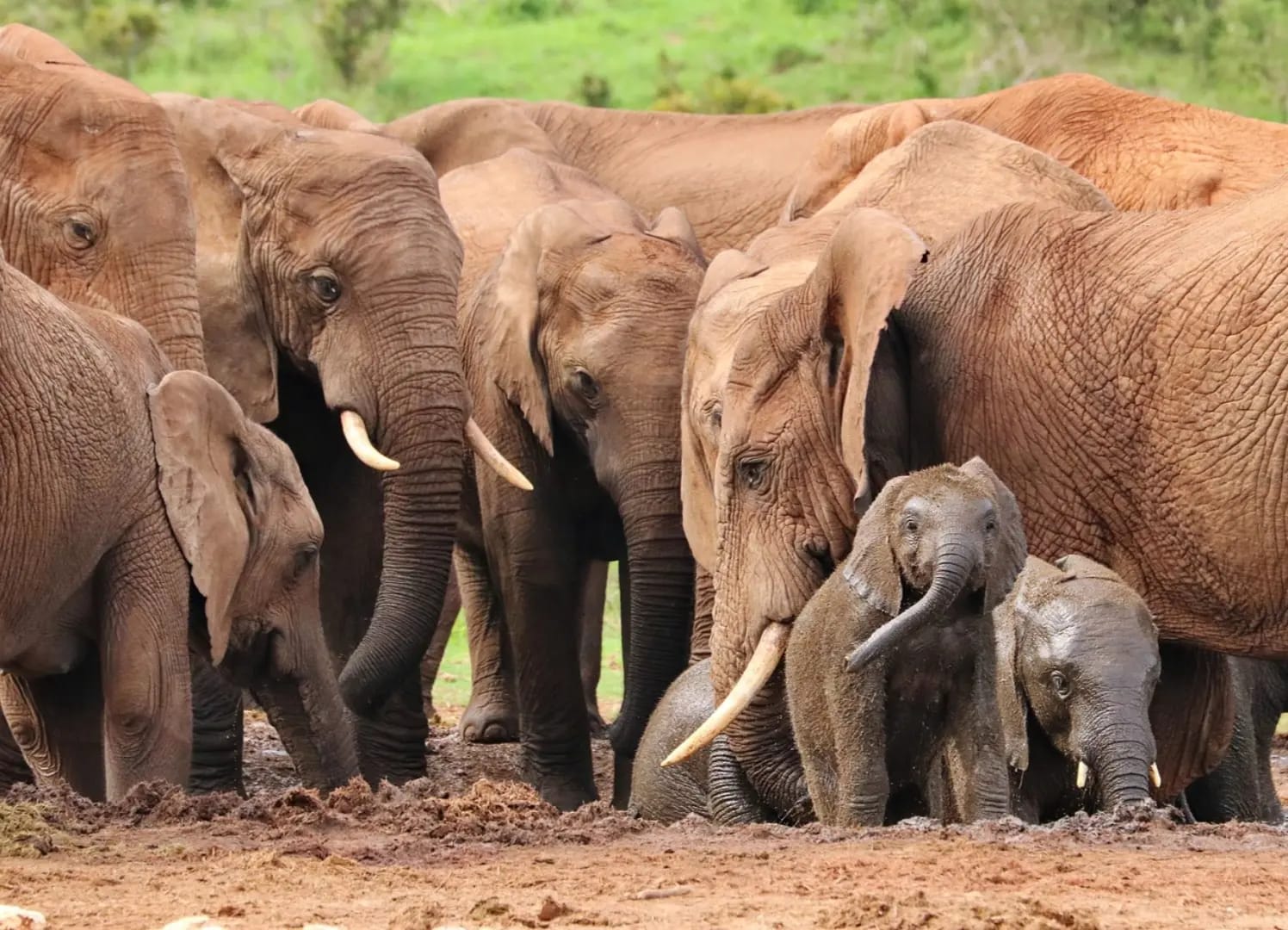
Welcome to Addo Elephant National Park, a renowned sanctuary where elephants roam freely among breathtaking landscapes. Located near Port Elizabeth, this park is a haven for wildlife, including members of the ‘Big Five’ and an impressive variety of bird species. Established initially to protect elephants, Addo has grown into a vast conservation area that offers visitors a truly immersive safari experience, where they can explore diverse ecosystems and witness animals in their natural habitat.
🌍 Geography and Natural Features
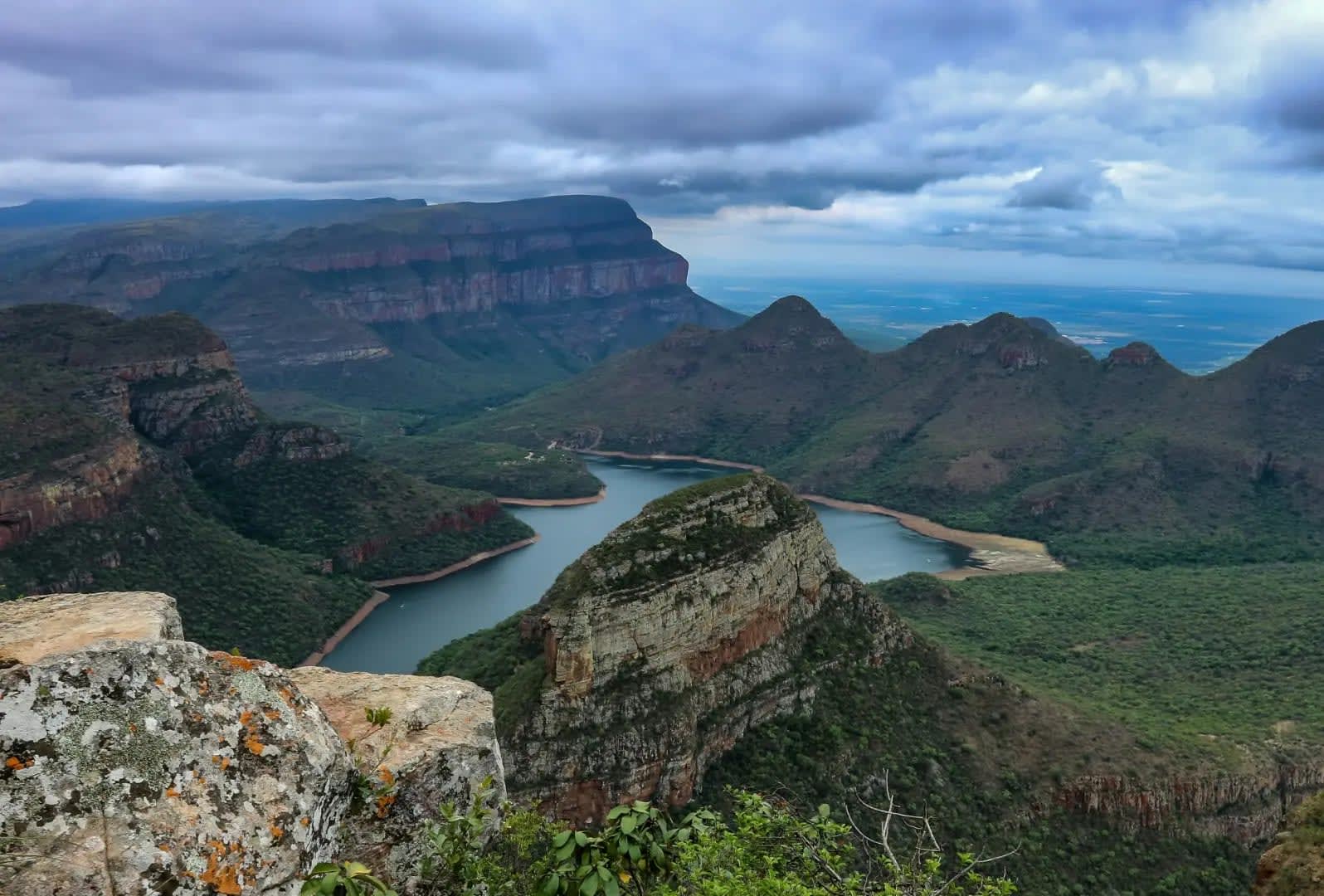
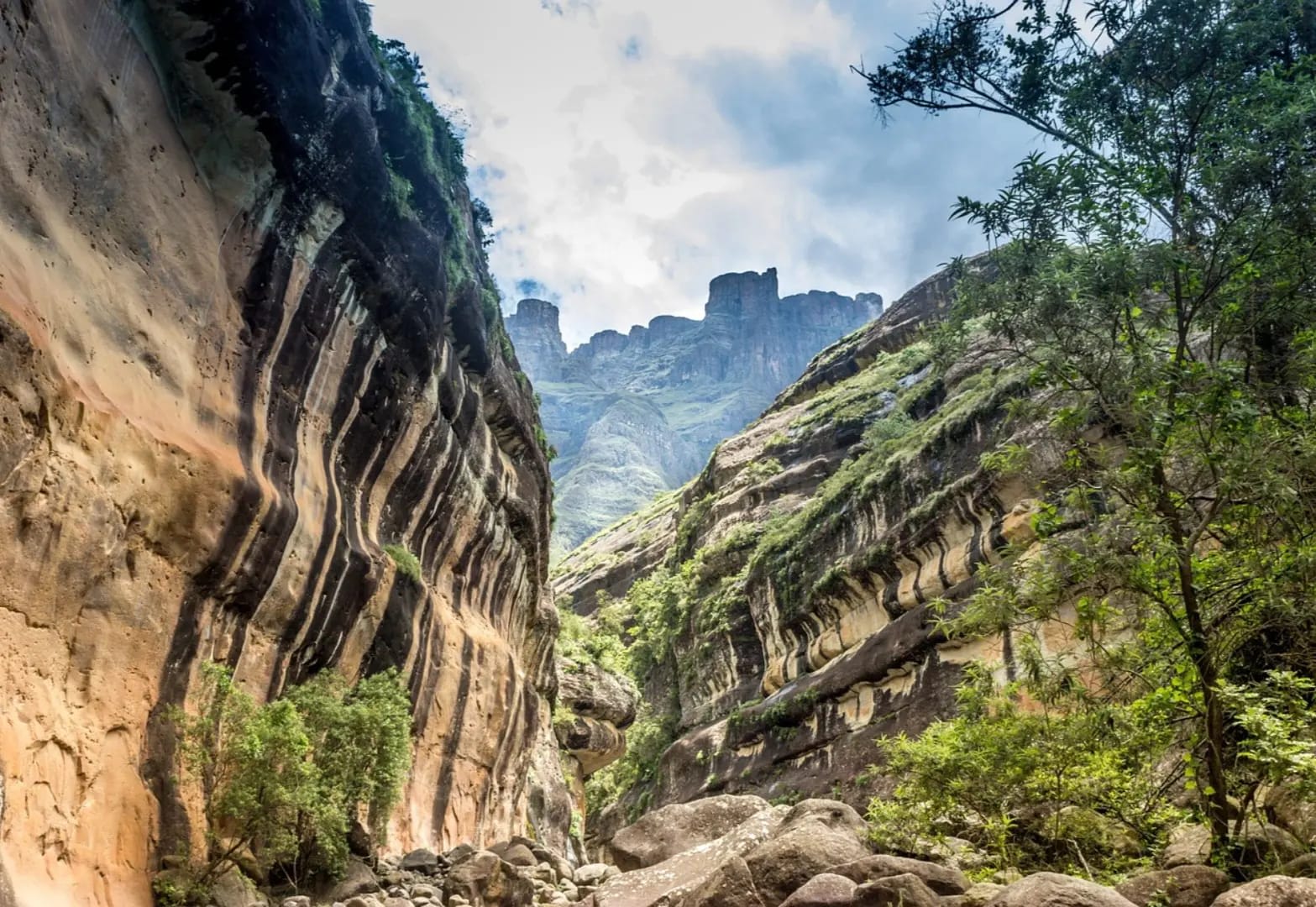
Addo Elephant National Park spans over 1,640 square kilometers and is known for its unique geographical diversity, which includes coastal areas, dense thickets, savannah plains, and rugged mountain terrain. The park’s diverse landscapes support a wide variety of plant and animal species, making it one of South Africa’s most ecologically rich national parks.
- Main Game Area : This central part of the park is home to a significant population of elephants, as well as other large mammals like lions, buffalo, and hyenas. Visitors can enjoy excellent game-viewing opportunities here.
- Zuurberg Mountains : A rugged mountain range within the park, offering hiking trails and panoramic views over the landscapes below.
- Coastal Dune Habitats : The coastal section of Addo includes pristine beaches and sand dunes, which are home to various seabirds, as well as the endangered African penguin and great white sharks.
- Riverine Forests : Dense forests along riverbanks provide shelter for a variety of bird species and small mammals, adding to the park’s biodiversity.
- Marine Protected Area : Addo extends to the Indian Ocean, where the park protects marine life, including whales, dolphins, and the endangered great white shark, making it the only national park in the world to cover both land and sea.
📜 History and Cultural Significance
Established in 1931 to protect the last remaining elephants in the Eastern Cape, Addo Elephant National Park has a significant history of conservation. Starting with only 11 elephants, the park has grown and expanded to include diverse ecosystems and other key wildlife species.
Early Conservation Efforts : The park was initially created to protect elephants from poaching and habitat loss. Since its inception, the park’s conservation efforts have been successful, and today Addo is home to over 600 elephants.
Expansion and Growth : Over the years, Addo has expanded its borders to include other regions, creating a diverse sanctuary for numerous species. Conservation initiatives have helped reintroduce lions and other predators, restoring ecological balance to the park.
Indigenous Heritage : The area has a rich cultural history, with evidence of Khoi and San tribes who once inhabited the region. Local communities are actively involved in the park’s conservation, contributing to its sustainable development.
Early Conservation Efforts : The park was initially created to protect elephants from poaching and habitat loss. Since its inception, the park’s conservation efforts have been successful, and today Addo is home to over 600 elephants.
Expansion and Growth : Over the years, Addo has expanded its borders to include other regions, creating a diverse sanctuary for numerous species. Conservation initiatives have helped reintroduce lions and other predators, restoring ecological balance to the park.
Indigenous Heritage : The area has a rich cultural history, with evidence of Khoi and San tribes who once inhabited the region. Local communities are actively involved in the park’s conservation, contributing to its sustainable development.
🏃 Activities and Attractions
Addo Elephant National Park offers a range of activities for visitors to explore its rich landscapes and diverse wildlife. From thrilling game drives to scenic hiking trails, there is something for everyone to enjoy in this spectacular park.
- Game Drives : Guided or self-drive safari options allow visitors to observe elephants, lions, rhinos, and other wildlife up close. The park’s well-maintained roads make game drives a rewarding experience.
- Bird Watching : With over 400 bird species, including the rare Knysna turaco, Addo is a paradise for birdwatchers, particularly in the riverine and coastal areas.
- « Hiking Trails : Trails in the Zuurberg Mountains offer opportunities to explore the park on foot, providing scenic views and encounters with smaller wildlife and native flora.
- Horseback Safaris : Horseback riding is available in designated areas of the park, offering a unique way to experience Addo’s landscapes and wildlife.
- Marine Safaris : In the coastal section, visitors can enjoy boat tours to spot marine wildlife such as whales, dolphins, and the iconic great white shark.
💡 Travel Tips
How to Get There : Addo Elephant National Park is accessible by road from Port Elizabeth, located approximately 72 kilometers away. Visitors can fly into Port Elizabeth International Airport and then drive to the park.
Best Time to Visit : The best time to visit is during the dry season, from May to September, when animals gather around water sources, making wildlife viewing easier.
What to Bring : Essentials include binoculars, a camera, sunscreen, and comfortable clothing for game drives. If hiking, bring sturdy shoes and water. Don’t forget insect repellent, especially in summer.
Accommodation and Services : The park offers a range of accommodation options, from basic camping facilities to comfortable lodges and guesthouses. Some lodges offer panoramic views over the park, enhancing the safari experience.
Best Time to Visit : The best time to visit is during the dry season, from May to September, when animals gather around water sources, making wildlife viewing easier.
What to Bring : Essentials include binoculars, a camera, sunscreen, and comfortable clothing for game drives. If hiking, bring sturdy shoes and water. Don’t forget insect repellent, especially in summer.
Accommodation and Services : The park offers a range of accommodation options, from basic camping facilities to comfortable lodges and guesthouses. Some lodges offer panoramic views over the park, enhancing the safari experience.
🌱 Conservation Efforts
Addo Elephant National Park emphasizes the importance of conservation and sustainable tourism. Strict regulations are in place to protect the park’s natural environment, including guidelines for waste disposal and restrictions on off-road driving.
Community Involvement : Local communities are engaged in conservation efforts, benefiting from eco-tourism and participating in programs that protect wildlife and natural resources.
Research and Wildlife Monitoring : Addo is a hub for research, with studies focused on elephant behavior, predator-prey dynamics, and ecosystem management. Visitors may see researchers in the park and are encouraged to learn about ongoing conservation initiatives.
Community Involvement : Local communities are engaged in conservation efforts, benefiting from eco-tourism and participating in programs that protect wildlife and natural resources.
Research and Wildlife Monitoring : Addo is a hub for research, with studies focused on elephant behavior, predator-prey dynamics, and ecosystem management. Visitors may see researchers in the park and are encouraged to learn about ongoing conservation initiatives.
✨ Conclusion
Addo Elephant National Park is a remarkable destination where visitors can experience the beauty and diversity of South African wildlife and landscapes. From observing elephants in their natural habitat to exploring coastal dunes and rugged mountains, Addo offers an unforgettable safari experience that highlights the importance of conservation and sustainable tourism. This park is a testament to the success of wildlife protection efforts and is a must-visit for nature enthusiasts looking to connect with the wonders of the African wilderness.