

Cape of Good Hope
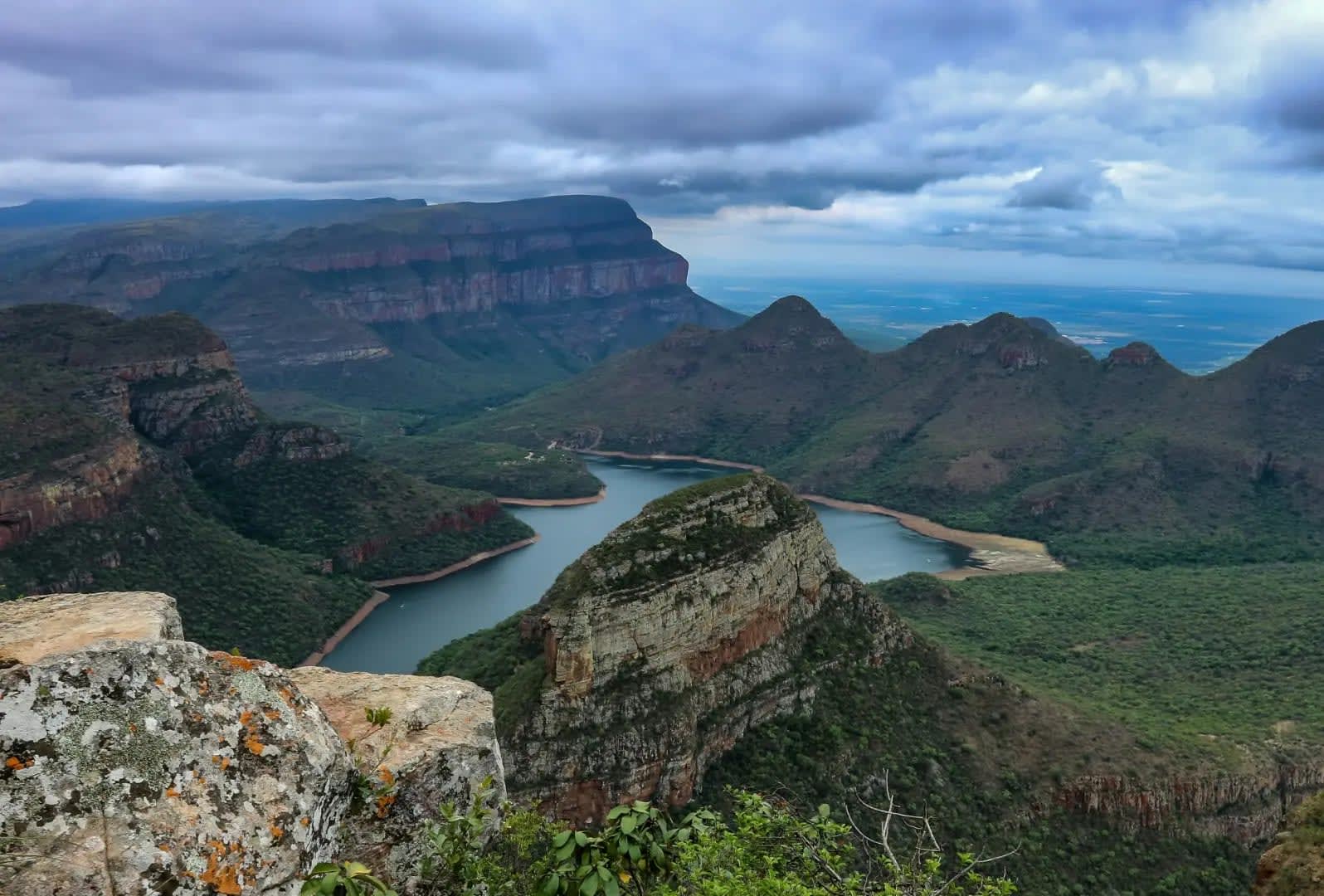
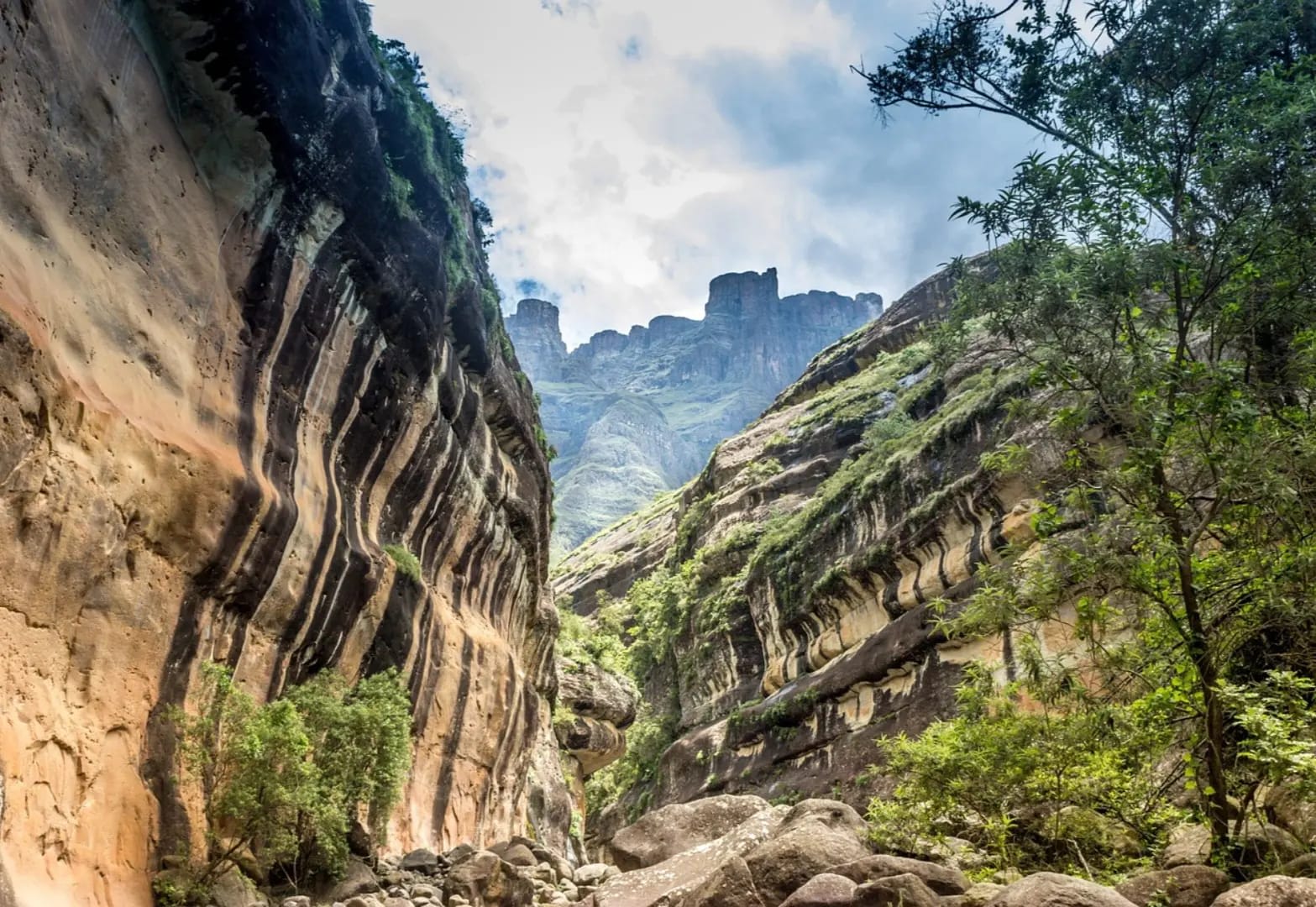
Welcome to the Cape of Good Hope, a legendary destination at the tip of the Cape Peninsula. With its dramatic cliffs, pristine beaches, and unique biodiversity, the Cape of Good Hope is an iconic spot for nature and history enthusiasts. Located in an ecologically important region, visitors can walk along trails that traverse breathtaking landscapes, enjoy panoramic views of the Atlantic Ocean, and explore areas rich in endemic flora and fauna. It’s a perfect destination for those looking to immerse themselves in the wild beauty of South Africa.
🌍 Geography and Natural Features
Cape of Good Hope lies in the southern region of the Cape Peninsula and is part of the Cape Floral Region, a UNESCO World Heritage site. Its granite cliffs and rugged mountains rise dramatically over the Atlantic Ocean, with its beaches and rock formations creating a unique and diverse ecosystem.
- Cliffs and Views : The cape’s cliffs offer spectacular views of the ocean and coastline, creating an awe-inspiring atmosphere for visitors.
- Endemic Flora : The region is part of the Fynbos floral kingdom, one of the world’s most diverse vegetation systems, featuring unique plant species such as proteas, ericas, and restios.
- Local Wildlife : The area is home to a variety of wildlife, including antelope, ostriches, and jackals, and is also an excellent place for seabird watching, with cormorants and gannets flying over the coast.
- Bays and Beaches : The Cape of Good Hope boasts secluded beaches and bays with crystal-clear waters, ideal for those wishing to enjoy nature in a peaceful setting.
- Viewpoints : Several viewpoints, such as the famous ‘Cape Point,’ offer panoramic views of the coast and where the Atlantic and Indian Oceans appear to meet visually.
📜 History and Cultural Significance
The Cape of Good Hope has a rich and fascinating history. It has been an important landmark for sailors and explorers since the 15th century and is today considered a place of great cultural and natural significance in South Africa.
European Discovery : In 1488, Portuguese navigator Bartolomeu Dias was the first European to round the cape, naming it the ‘Cape of Storms’ due to its rough seas. It was later renamed the Cape of Good Hope to symbolize the opening of a sea route to the East.
Local Mythology and Culture : For indigenous communities, the area is sacred and steeped in mythology. The mountains and ocean are considered spiritual elements, filled with symbolism.
Exploration and Navigation : The cape was crucial to the maritime route between Europe and Asia, and has been a place of great interest to explorers and travelers worldwide.
European Discovery : In 1488, Portuguese navigator Bartolomeu Dias was the first European to round the cape, naming it the ‘Cape of Storms’ due to its rough seas. It was later renamed the Cape of Good Hope to symbolize the opening of a sea route to the East.
Local Mythology and Culture : For indigenous communities, the area is sacred and steeped in mythology. The mountains and ocean are considered spiritual elements, filled with symbolism.
Exploration and Navigation : The cape was crucial to the maritime route between Europe and Asia, and has been a place of great interest to explorers and travelers worldwide.
🏃 Activities and Attractions
The Cape of Good Hope offers activities that allow visitors to experience the natural beauty of this region. From hiking to wildlife watching and photography, there’s something for everyone in this stunning environment.
- Hiking : There are numerous trails for visitors to explore the cliffs and coasts of the cape. The paths offer spectacular views and the chance to enjoy the region’s unique biodiversity.
- Wildlife Viewing : The Cape of Good Hope is an excellent spot to see antelope, ostriches, jackals, and a range of seabirds in their natural habitat.
- Visits to Cape Point : A funicular takes visitors to the lookout point at Cape Point, offering unparalleled views of the ocean and coastline.
- Landscape Photography : The cape’s dramatic landscapes and rock formations are ideal for photography, especially at sunrise and sunset.
- Coastal Exploration : The bays and beaches of the cape allow visitors to relax in a pristine natural environment, enjoying the peace of the coast and the sound of the ocean.
💡 Travel Tips
How to Get There : Cape of Good Hope is about 60 kilometers from Cape Town and accessible by car via the scenic Chapman’s Peak Drive. Tours from Cape Town are also available.
Best Time to Visit : The best time to visit is from October to March, during the dry season when the weather is ideal for exploring and temperatures are comfortable.
What to Bring : Bring comfortable footwear, sun protection, a camera, and wind-appropriate clothing, as this is an exposed area. Also, consider bringing water and light snacks, as amenities at the cape are limited.
Accommodation and Services : While there’s no accommodation at Cape of Good Hope itself, Cape Town and nearby towns offer numerous options, from hotels to guesthouses, with easy access to the peninsula.
Best Time to Visit : The best time to visit is from October to March, during the dry season when the weather is ideal for exploring and temperatures are comfortable.
What to Bring : Bring comfortable footwear, sun protection, a camera, and wind-appropriate clothing, as this is an exposed area. Also, consider bringing water and light snacks, as amenities at the cape are limited.
Accommodation and Services : While there’s no accommodation at Cape of Good Hope itself, Cape Town and nearby towns offer numerous options, from hotels to guesthouses, with easy access to the peninsula.
🌱 Conservation Efforts
Conservation is essential at the Cape of Good Hope, which is part of Table Mountain National Park. Measures are taken to protect the unique flora and fauna of the region and to preserve its natural beauty.
Conservation Rules : Visitors must follow park rules, such as staying on marked trails, not feeding animals, and respecting protected areas.
Conservation Programs : Native vegetation restoration and endangered species conservation efforts are in place, especially to preserve the Fynbos plant habitat.
Education and Environmental Awareness : The park hosts educational programs and awareness activities for visitors, promoting the importance of conserving this iconic site for future generations.
Conservation Rules : Visitors must follow park rules, such as staying on marked trails, not feeding animals, and respecting protected areas.
Conservation Programs : Native vegetation restoration and endangered species conservation efforts are in place, especially to preserve the Fynbos plant habitat.
Education and Environmental Awareness : The park hosts educational programs and awareness activities for visitors, promoting the importance of conserving this iconic site for future generations.
✨ Conclusion
Cape of Good Hope is a spectacular destination that combines history, nature, and adventure. With its towering cliffs, unique flora and fauna, and cultural significance, it’s a place that invites reflection and admiration for nature. Whether walking its trails, enjoying views from Cape Point, or exploring the wildlife, a visit to the Cape of Good Hope is an unforgettable experience that allows a connection with the essence of South Africa and its rich biodiversity.