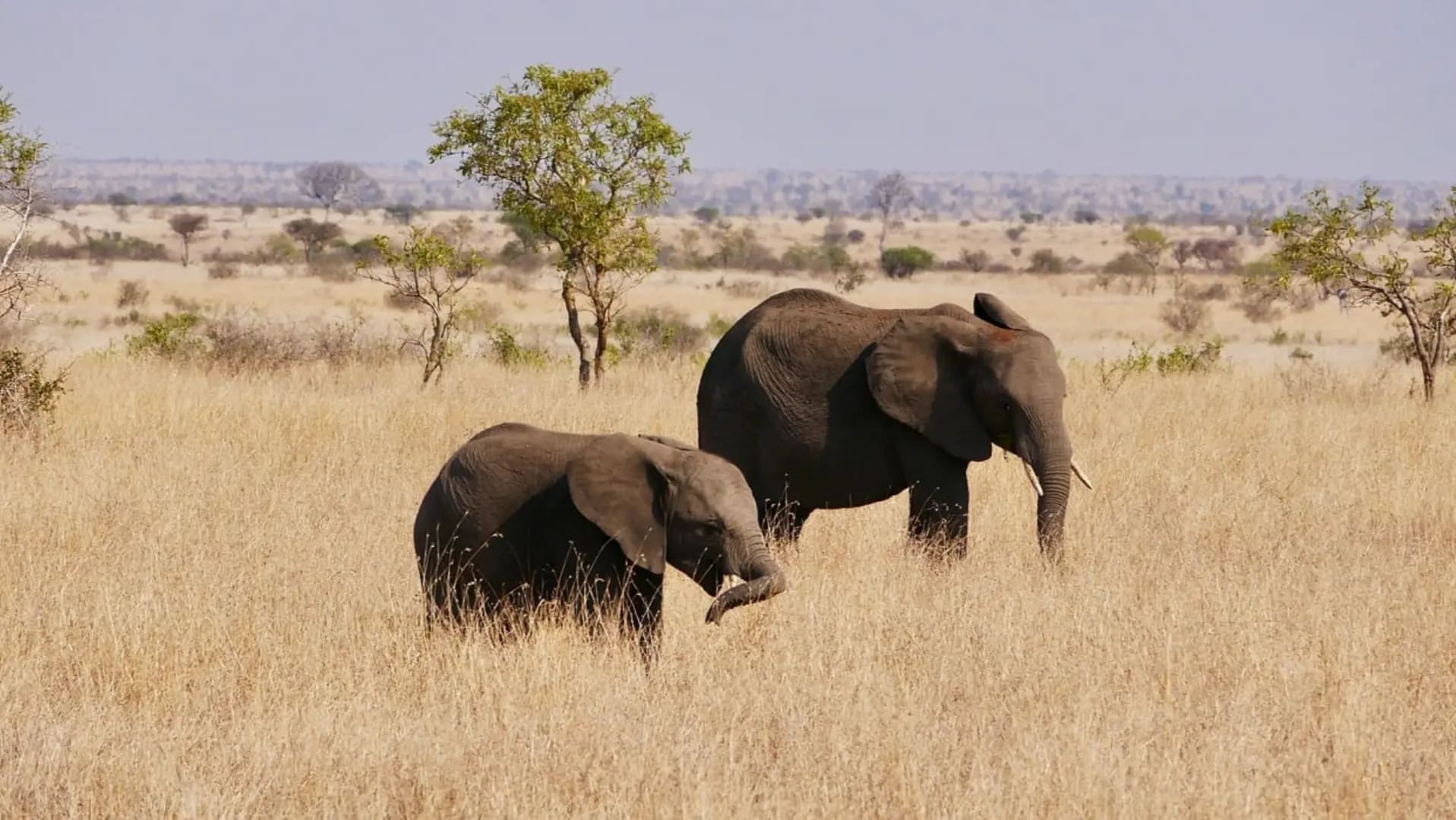
Kruger National Park
Welcome to Kruger National Park, a South African gem and a premier safari destination. With its breathtaking landscapes and extraordinary wildlife, Kruger is a true haven for nature lovers. From thrilling Big Five sightings to serene landscapes, Kruger National Park promises an unforgettable adventure for every visitor.
🌍 Geography and Natural Features
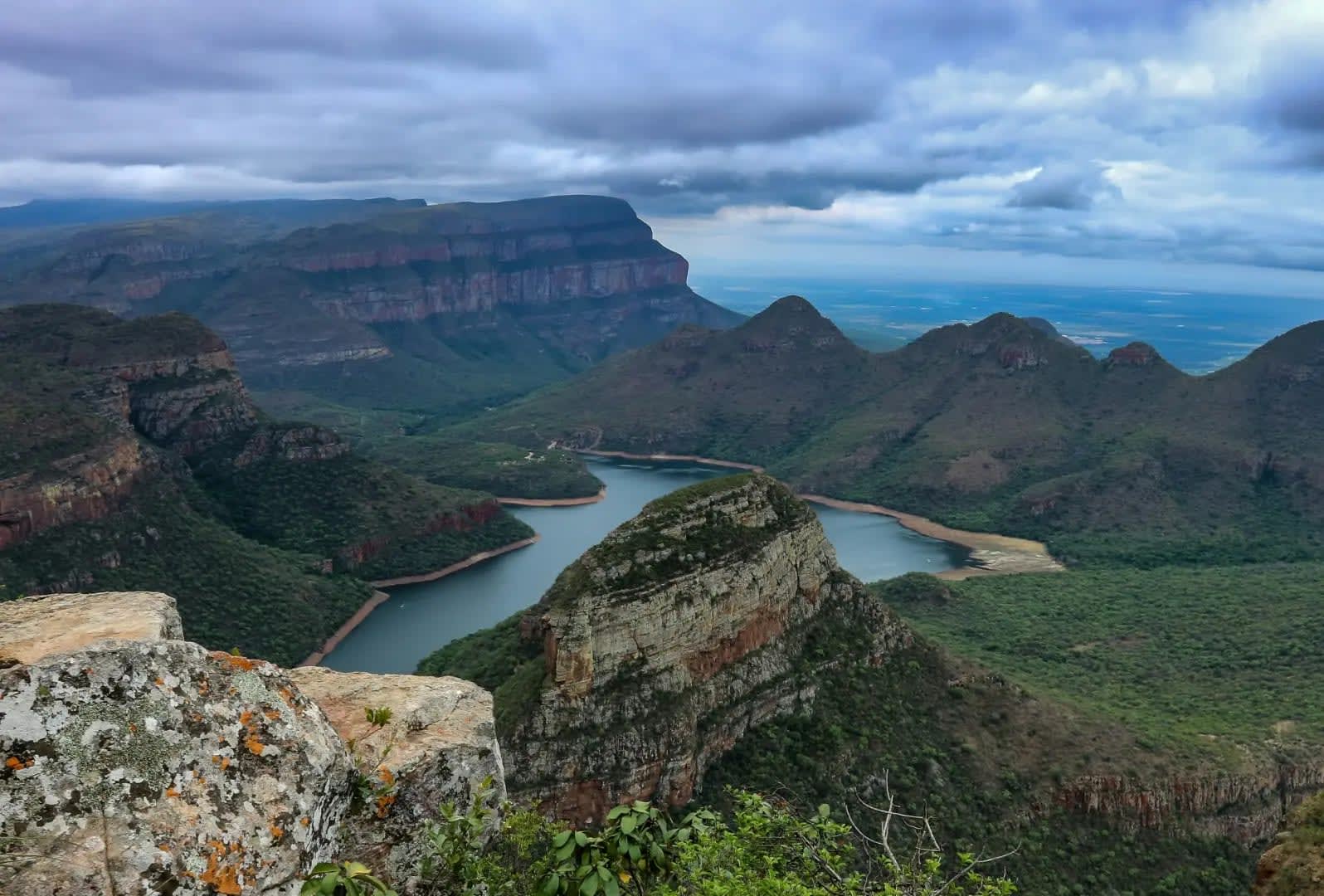
Kruger National Park covers a diverse range of landscapes, from rolling grasslands and acacia woodlands to riverine forests and rocky outcrops. Each ecosystem supports a unique blend of wildlife, creating a vibrant mosaic of flora and fauna.
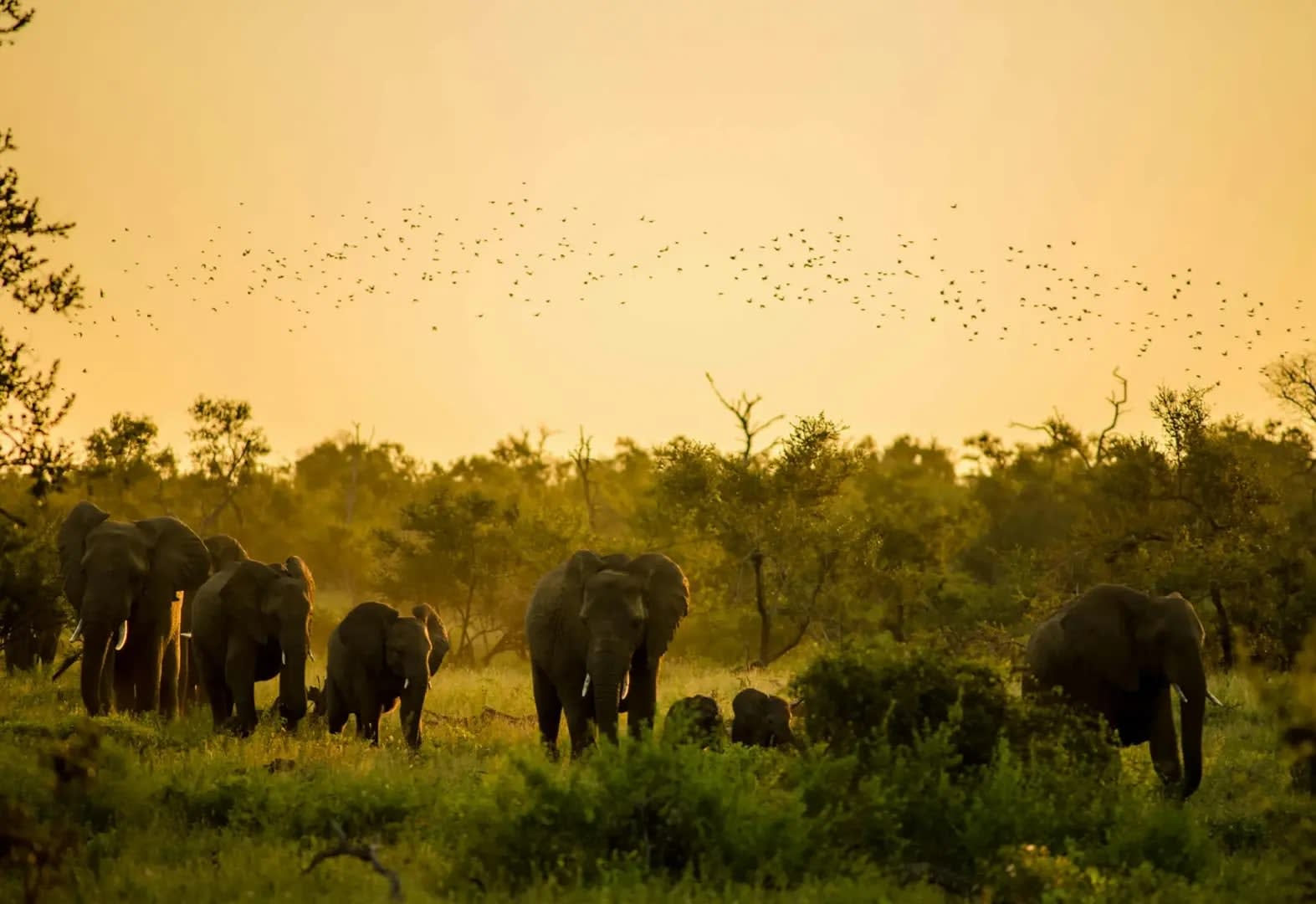
- Southern Region : Known for its dense populations of wildlife, including lions, elephants, and buffalo, the southern area is popular among visitors for Big Five sightings and scenic drives.
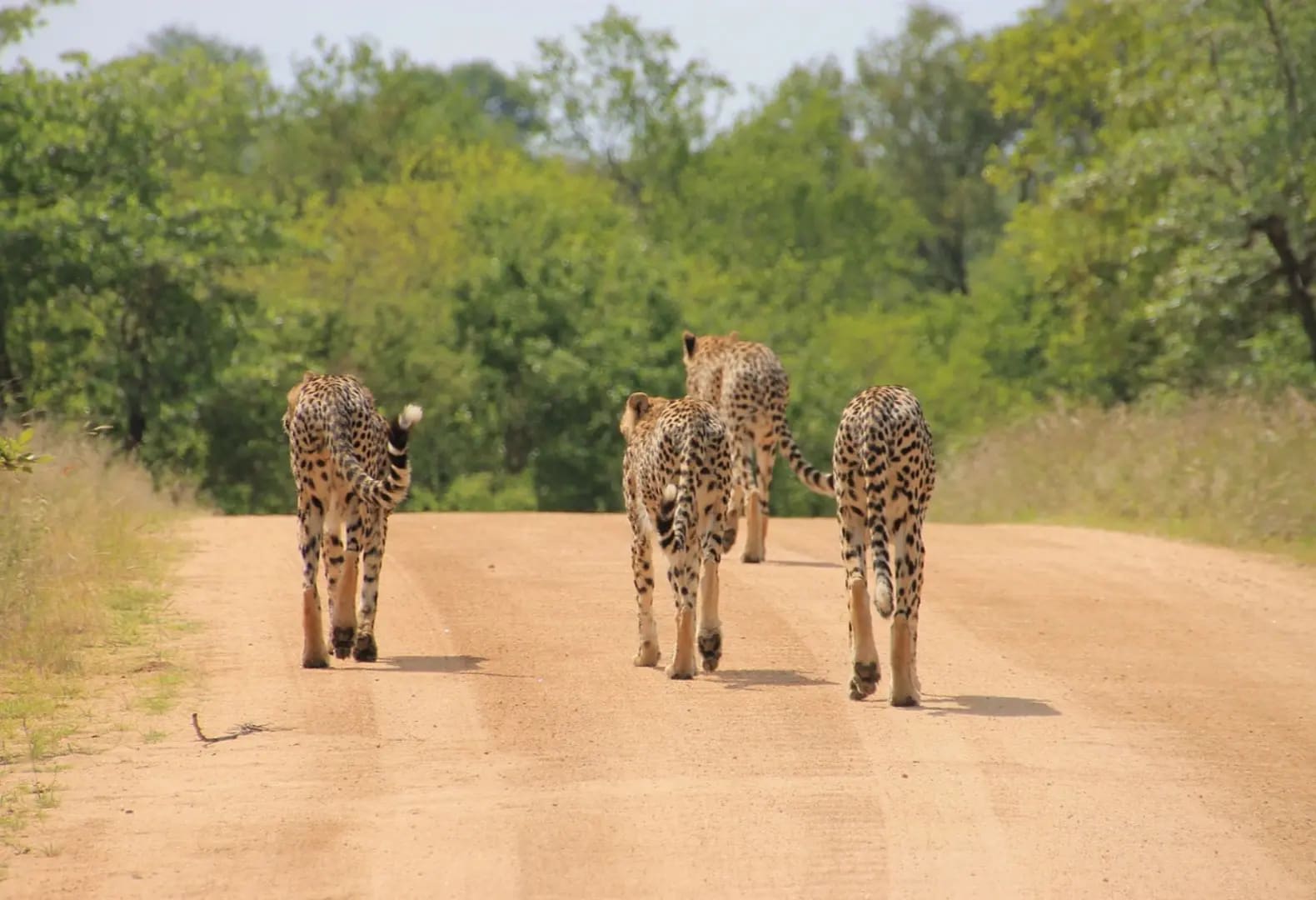
- Central Region : This region, with its open grasslands and acacia trees, is prime territory for spotting large herds of zebras, wildebeests, and various predators.
- Northern Region : With more arid terrain, the northern area features mopane woodlands and river systems, attracting diverse bird species and unique mammals like elands and sable antelope.
- Sabie and Crocodile Rivers : These rivers support rich ecosystems, offering essential water sources for animals and excellent spots for birdwatching and observing hippos and crocodiles.
- Mountain Ranges : Kruger’s mountainous areas offer scenic vistas and unique habitats, home to rare bird species and a range of smaller mammals.
📜 History and Cultural Significance
Kruger National Park holds deep historical and cultural importance in South Africa. Its establishment represents one of Africa’s earliest conservation efforts.
Early Conservation Efforts : Established in 1898 by Paul Kruger, then-President of the South African Republic, the park was originally created to protect wildlife from hunting and exploitation.
Historical Sites : Kruger is home to numerous archaeological sites, including San rock art and Iron Age relics, offering a glimpse into ancient cultures that once inhabited the region.
Connection to Local Communities : Local communities around the park maintain cultural ties to the land, and collaborative efforts have been made to support both conservation and the development of sustainable tourism.
Early Conservation Efforts : Established in 1898 by Paul Kruger, then-President of the South African Republic, the park was originally created to protect wildlife from hunting and exploitation.
Historical Sites : Kruger is home to numerous archaeological sites, including San rock art and Iron Age relics, offering a glimpse into ancient cultures that once inhabited the region.
Connection to Local Communities : Local communities around the park maintain cultural ties to the land, and collaborative efforts have been made to support both conservation and the development of sustainable tourism.
🏃 Activities and Attractions
Kruger National Park offers a variety of activities that bring visitors closer to the wonders of African wildlife and the park’s natural beauty.
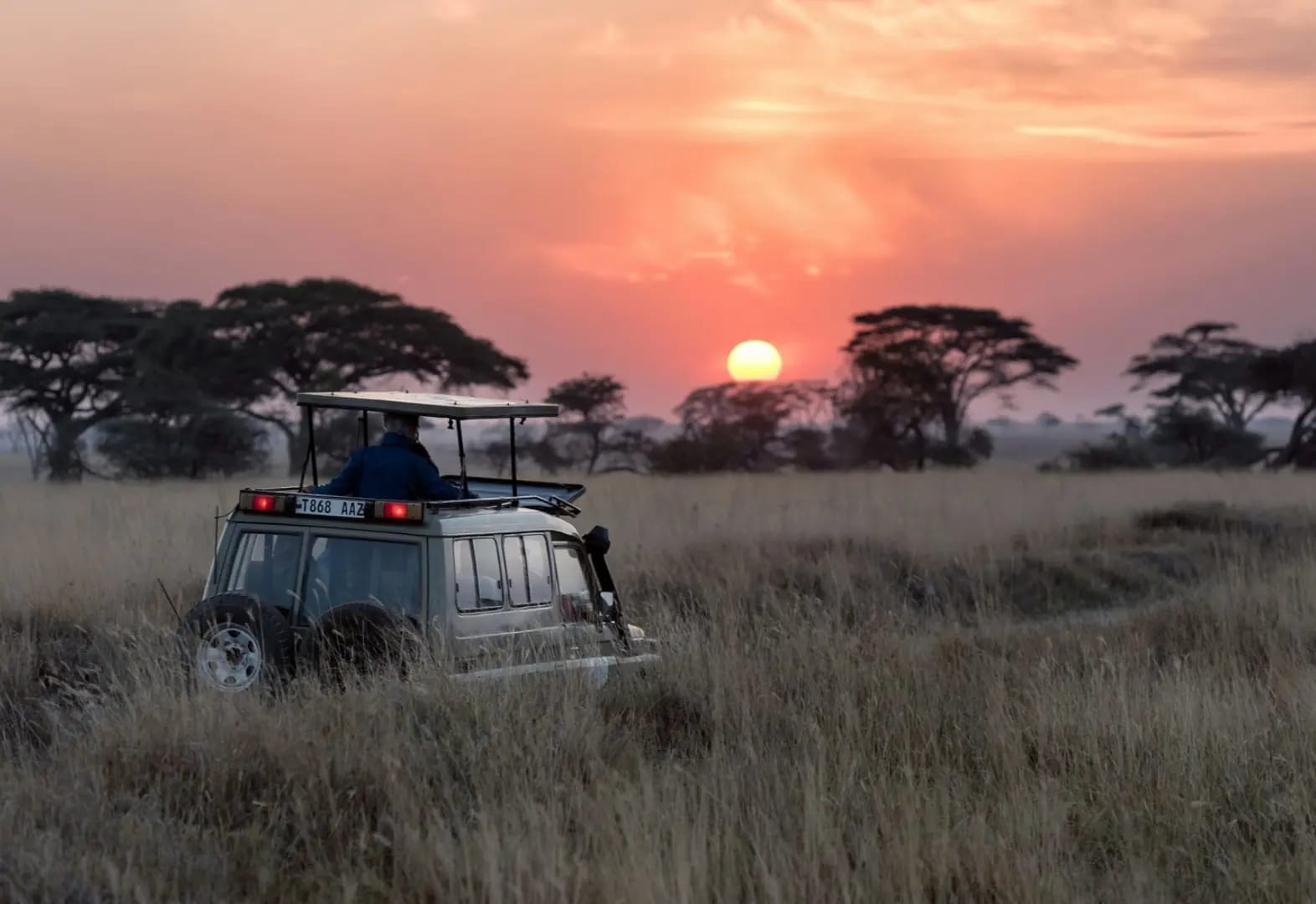
- Game Drives : A highlight for most visitors, game drives are the best way to see the park’s famous Big Five and other wildlife in their natural habitats. Guided and self-drive options are available.
- Walking Safaris : For a more immersive experience, walking safaris led by trained guides provide an up-close encounter with the park’s flora and smaller fauna, as well as the chance to track animals on foot.
- Bird Watching : With over 500 bird species, Kruger is a birdwatcher’s paradise, featuring both resident and migratory birds, such as the southern ground hornbill, martial eagle, and kingfishers.
- Night Drives : Experience Kruger after dark with a night drive, where nocturnal animals like hyenas, leopards, and civets emerge, offering a unique perspective of the park.
- Scenic Picnic Spots : The park has designated picnic areas with scenic views where visitors can relax, enjoy the surroundings, and occasionally spot wildlife nearby.
💡 Travel Tips
How to Get There : Kruger National Park is accessible by road or by flying into nearby airports, such as Kruger Mpumalanga International Airport and Skukuza Airport. Car rentals are available for those who wish to explore independently.
Best Time to Visit : The dry season, from May to October, is ideal for game viewing as animals gather around water sources. The wet season (November to April) offers lush scenery and great birdwatching opportunities.
What to Bring : Essentials include comfortable clothing, binoculars, a camera, sun protection (sunscreen, hat, sunglasses), and insect repellent. During the wet season, pack waterproof gear.
Accommodation and Services : Kruger offers a range of accommodation options, from basic campsites and safari lodges to luxury accommodations, catering to all types of travelers.
Best Time to Visit : The dry season, from May to October, is ideal for game viewing as animals gather around water sources. The wet season (November to April) offers lush scenery and great birdwatching opportunities.
What to Bring : Essentials include comfortable clothing, binoculars, a camera, sun protection (sunscreen, hat, sunglasses), and insect repellent. During the wet season, pack waterproof gear.
Accommodation and Services : Kruger offers a range of accommodation options, from basic campsites and safari lodges to luxury accommodations, catering to all types of travelers.
🌱 Conservation Efforts
Kruger National Park places high importance on conservation, focusing on the protection of its ecosystems and wildlife through research, anti-poaching initiatives, and community involvement.
Anti-Poaching Efforts : Kruger has implemented strict anti-poaching measures to protect endangered species, such as rhinos, and employs a dedicated team of rangers and monitoring technology.
Research and Wildlife Management : Ongoing research in Kruger includes studies on animal populations, habitats, and migration patterns, providing data that informs conservation strategies.
Community Involvement : Kruger collaborates with surrounding communities to create sustainable conservation practices, promote eco-tourism, and support local development.
Anti-Poaching Efforts : Kruger has implemented strict anti-poaching measures to protect endangered species, such as rhinos, and employs a dedicated team of rangers and monitoring technology.
Research and Wildlife Management : Ongoing research in Kruger includes studies on animal populations, habitats, and migration patterns, providing data that informs conservation strategies.
Community Involvement : Kruger collaborates with surrounding communities to create sustainable conservation practices, promote eco-tourism, and support local development.
✨ Conclusion
Kruger National Park is a true wilderness sanctuary, offering visitors an extraordinary experience of South Africa’s rich biodiversity. From its majestic landscapes to the thrill of seeing the Big Five, a visit to Kruger is both inspiring and humbling, showcasing the importance of preserving these wild spaces. Whether exploring on a game drive, walking safari, or birdwatching tour, Kruger National Park promises memories that last a lifetime.