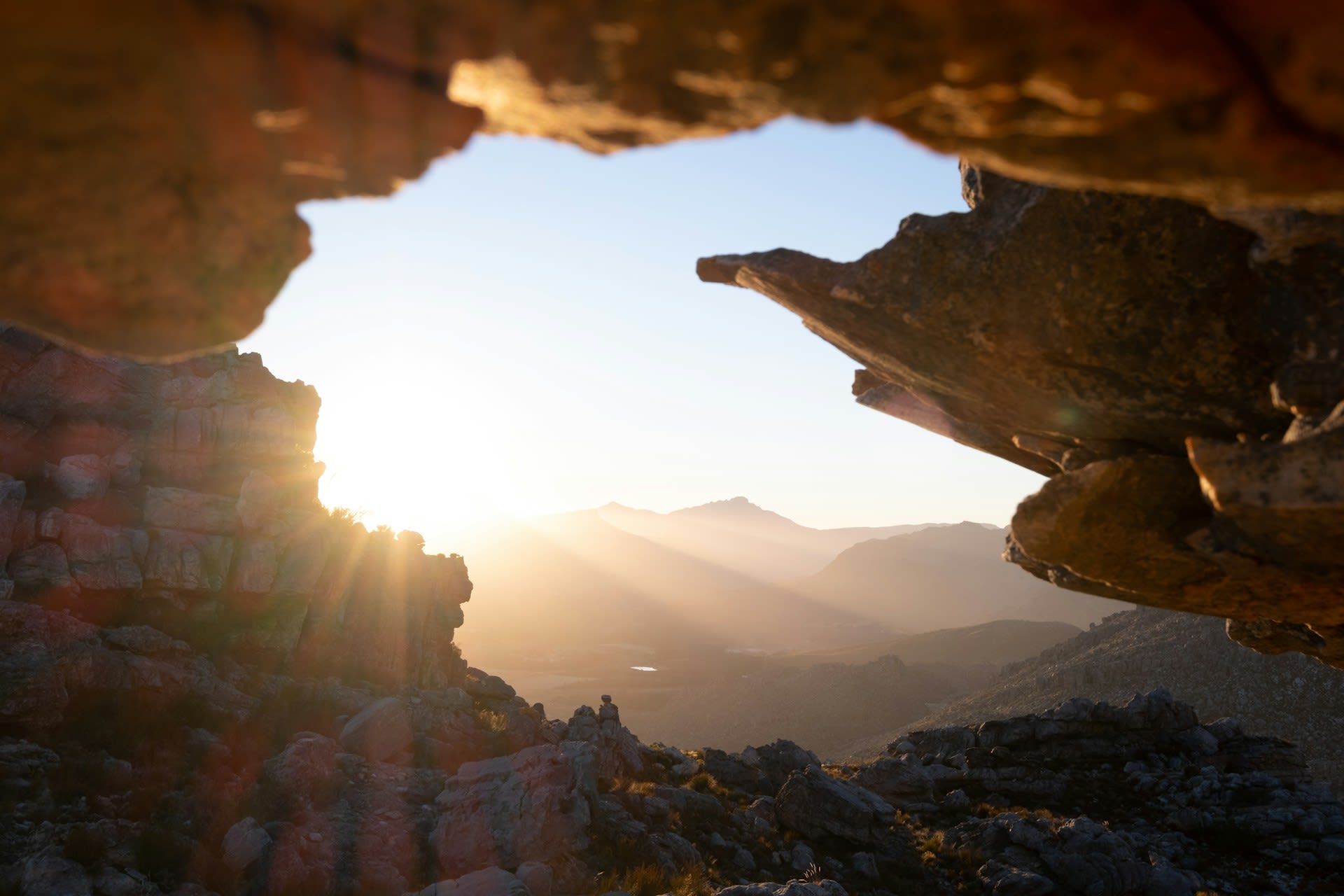
Cederberg Wilderness
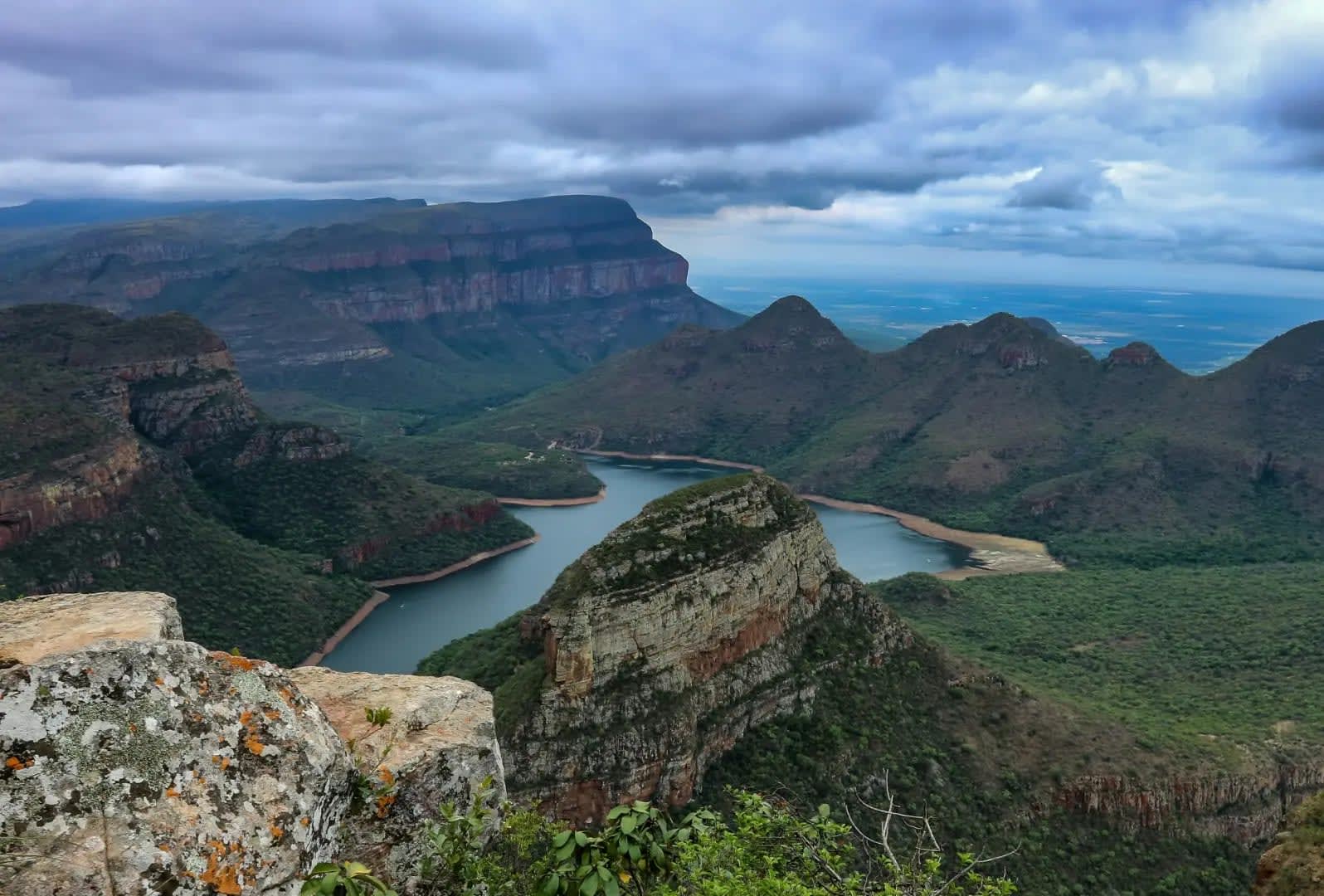
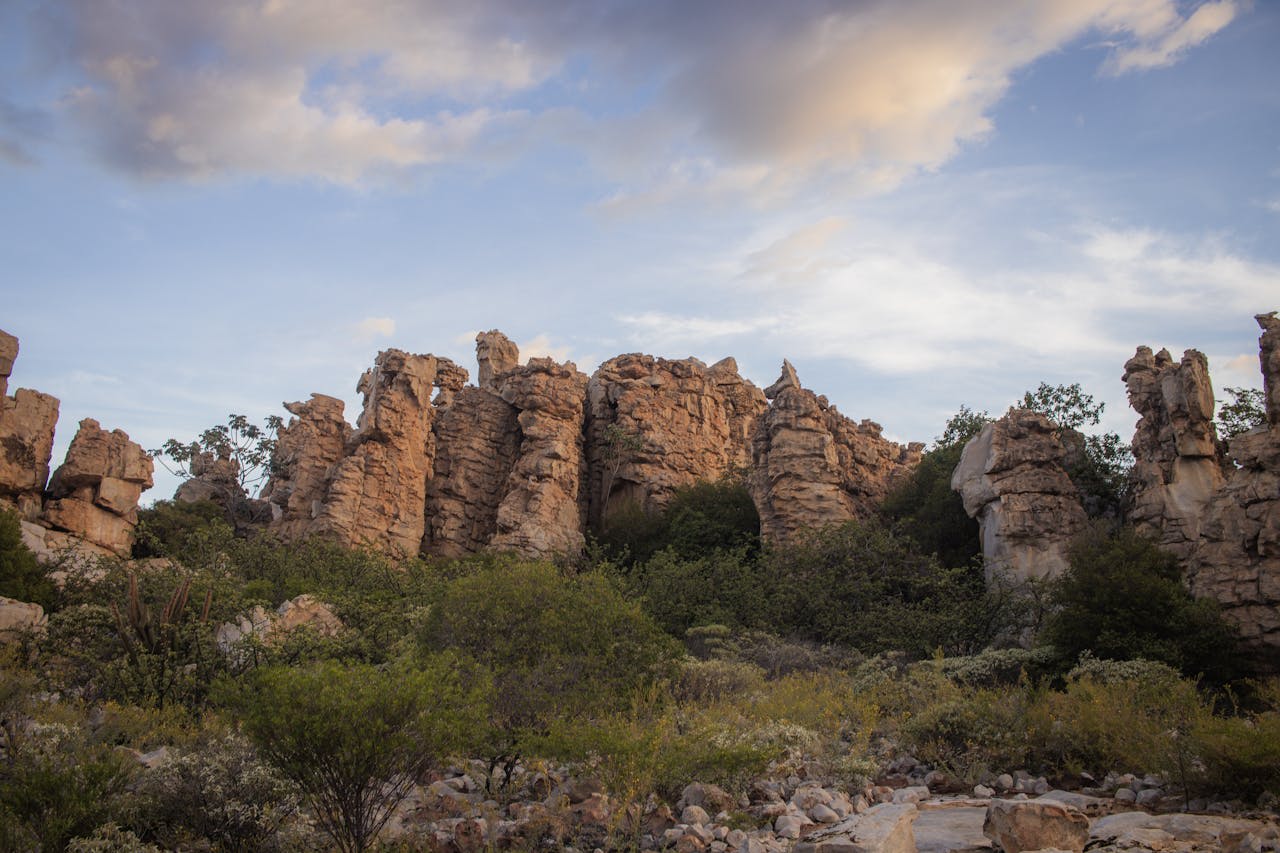
The Cederberg Wilderness Area is a 71,000 ha protected mountain landscape in the Western Cape of South Africa, approximately 200 km north of Cape Town in the Cederberg Mountains — a range of Cape Folded Belt sandstone mountains rising to 2,028 m at Sneeuberg peak. The Cederberg is internationally recognised for three overlapping qualities: its dramatic landscape of orange-red sandstone formations sculpted by erosion into arches, pillars, and pinnacles of extraordinary form; its extraordinary concentration of San Bushman rock art — the Cederberg contains over 2,500 documented rock painting sites, the densest concentration in the Cape and among the finest in Africa; and its endemic fynbos vegetation — one of the world's six floral kingdoms and the most species-dense plant community on Earth, represented in the Cederberg by species found nowhere else. The wilderness is managed by CapeNature, the Western Cape Nature Conservation authority, with strict visitor permit requirements and a trail network connecting the most significant natural features. The Cederberg is also famous for its rooibos tea plantations in the surrounding valleys — the only region in the world where the endemic Aspalathus linearis plant is commercially cultivated.
🌍 Geography and Ecosystem
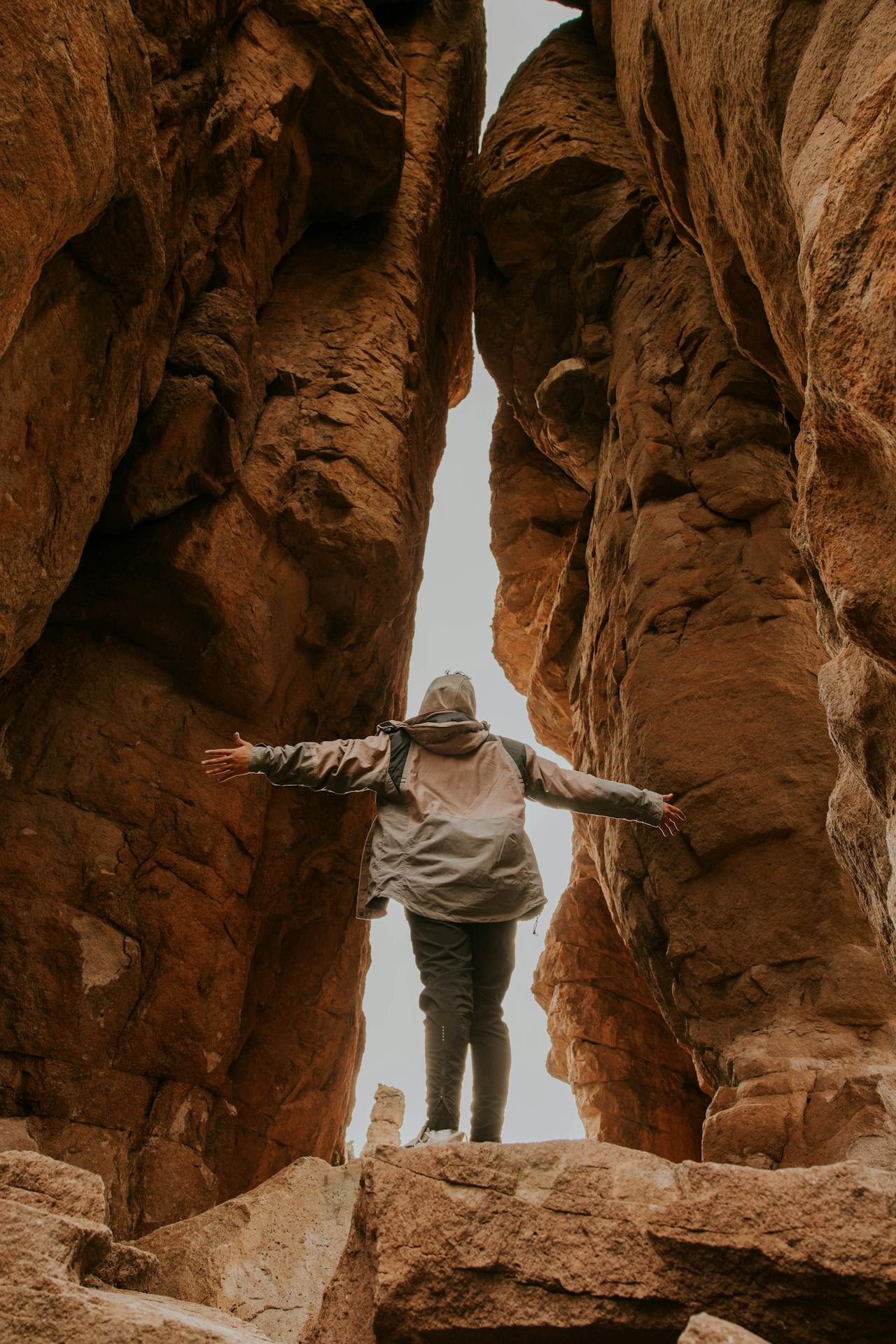
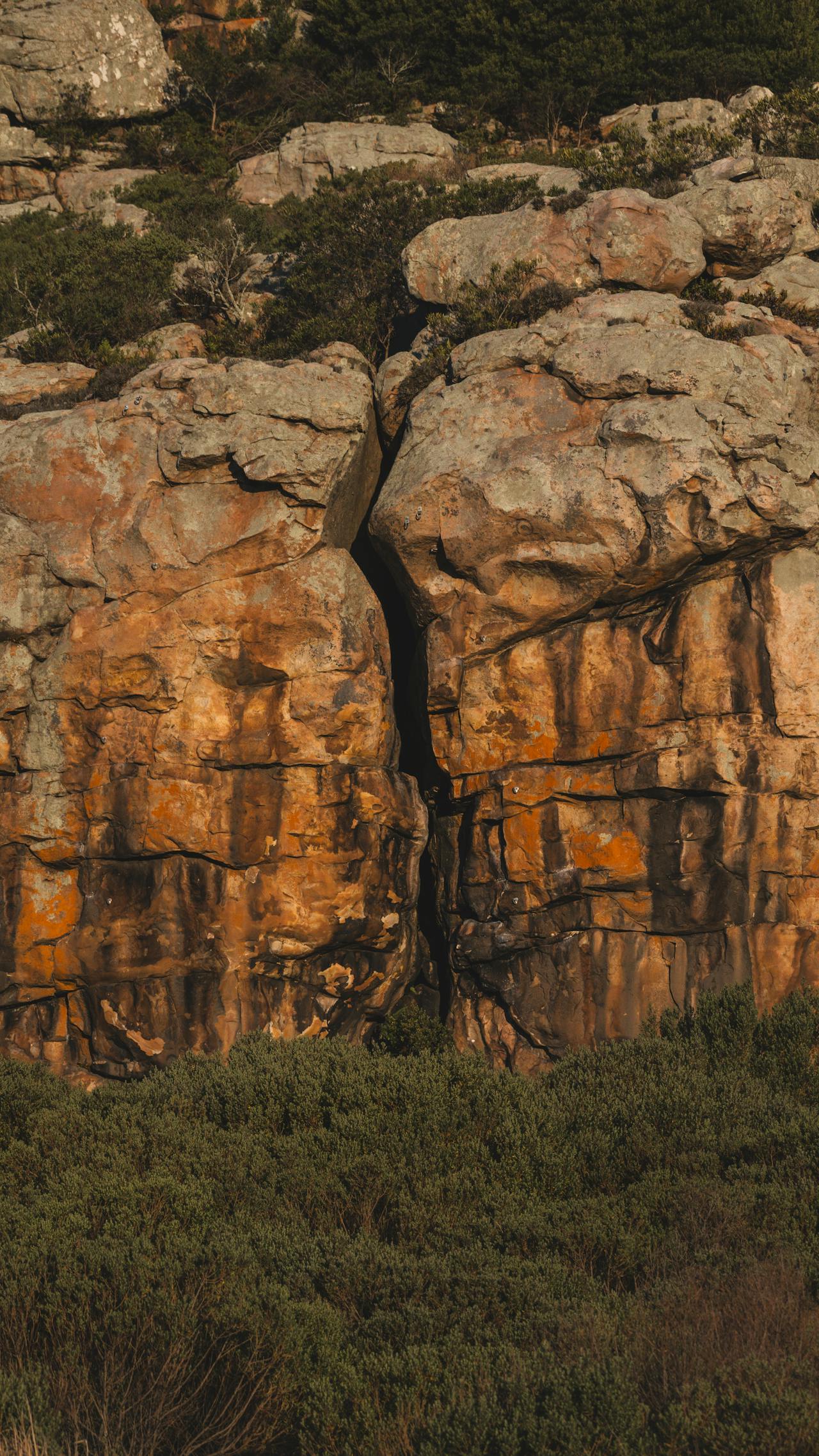
- Wolfberg Arch and Wolfberg Cracks: The Wolfberg Arch — a 12 m high natural sandstone arch, one of the largest in South Africa — is the most visited geological feature in the Cederberg, accessible via a 7 km hiking trail (600 m ascent) from the Dwarsrivier farm campsite. Nearby, the Wolfberg Cracks are a series of parallel vertical fractures in the sandstone through which hikers scramble — narrow passages 50 m deep cutting through the mountain in a narrow defile. The Arch and Cracks together constitute one of the finest half-day hikes in the Western Cape.
- Maltese Cross: A 20 m sandstone cross formation — one of the most distinctive erosional features in the Cederberg — accessible by a 14 km round-trip trail from Sanddrif campsite. The cross shape results from differential erosion of harder sandstone layers protecting the resistant cap from removal while the surrounding softer rock is stripped away. The cross stands in isolation on an open fynbos plateau, creating a striking contrast of geometric form and wild landscape.
- Fynbos Biodiversity: The fynbos (Afrikaans: fine bush) biome of the Cape Floristic Region is the world's most species-dense plant community outside tropical rainforest — 9,000 plant species in 90,000 km², with over 70% found nowhere else. The Cederberg fynbos includes the endemic Cederberg endemic species (Cedarberg snowbush, Widdringtonia cedarbergensis) — the cedar tree after which the mountains are named and which was nearly logged to extinction in the 19th century. The spring flower display (August–October in wet years) on the Cederberg fynbos slopes is spectacular — red, yellow, and white proteas, ericas, and restios covering the mountain faces in wave-patterns of colour.
- San Rock Art: The Cederberg shelters contain over 2,500 San (Bushman) rock painting sites — the legacy of the |Xam San people who inhabited the mountains from the end of the last ice age until their final displacement and near-extermination in the late 19th century. The paintings — in ochre, white, and black — depict trance dance figures, eland herds, elephants, and cosmological imagery interpreted by rock art scholars as records of shamanic ritual. The Stadsaal Caves (accessible from the Algeria Forest Station) contain some of the finest and most accessible San paintings in the Cederberg, with hundreds of individual figures on overhanging sandstone walls.
📜 History and Cultural Significance
The Khoikhoi pastoralists occupied the valley areas around the mountains from approximately 2,000 years ago, grazing sheep and cattle on the seasonal pastures. Dutch settlers arrived in the Olifants River valley in the 1700s — the first farms at Citrusdal and Clanwilliam date from this period. The cedar trees (Widdringtonia cedarbergensis) that gave the mountains their name were logged extensively through the 18th–19th centuries for their exceptionally fragrant and rot-resistant timber (used for church pews, furniture, and railway sleepers) until the natural stands were almost entirely destroyed. The Algeria Forest Station in the Cederberg contains one of the few surviving natural stands and an extensive replanting programme.
🏃 Activities and Attractions
- Hiking the Wilderness Trails: The Cederberg Wilderness permit system allows camping at designated sites across the wilderness on trails of 2–5 days. The Sneeuberg Circuit (3–4 days) traverses the highest terrain in the Cederberg, including the summit of Sneeuberg (2,028 m) with views across the Karoo to the north and the Western Cape winelands to the south. The Wolfberg Arch and Cracks trail (day hike from Dwarsrivier) and the Crystal Pools trail (3 km from Algeria, swimming in clear mountain pools) are the most popular short routes.
- Rock Climbing: The Cederberg sandstone provides some of the finest trad climbing in South Africa — the Wolfberg area alone has over 200 routes ranging from grade 10 to 33 (South African scale). The rounded, featured sandstone takes natural gear placements well, and the extensive route development since the 1960s makes the Cederberg the most significant climbing destination in the Western Cape. The Tafelberg (Cederberg Tafelberg, not to be confused with Cape Town's Table Mountain) and Sneeuberg cliffs provide multi-pitch routes up to 400 m in impressive position.
- San Rock Art Sites: Guided rock art walks to the Stadsaal Caves (no permit required, short walk from Algeria), the Traveller's Rest farm sites (guided tours from the farm, some of the finest individual paintings in the region), and the Bushmans Kloof Wilderness Reserve (private luxury lodge adjacent to the wilderness area with outstanding guided rock art walks) provide different access levels for the San painting heritage. The majority of the 2,500+ documented sites require wilderness permits and the ability to navigate off-trail on foot.
- Stargazing: The Cederberg lies in the heart of the South African Karoo-fringed interior, with the lowest light pollution levels within 200 km of Cape Town. The southern Milky Way — which in the Southern Hemisphere shows the galactic centre structure rather than the outer arm — hangs overhead in extraordinary density on clear winter nights (June–August). The Cederberg is a designated Dark Sky Area, and several guest farms run guided stargazing programmes. The combination of the sandstone formations silhouetted against the Milky Way is among the finest astro-photography locations in Africa accessible by tar road.
💡 Travel Tips
Best Season: April–September (autumn–winter–spring) is the optimal period — temperatures are cool and pleasant for hiking (15–25°C), and the August–October spring wildflower season on the fynbos is extraordinary. July–August brings snow to Sneeuberg summit and frost at night at higher elevations — exciting but requiring warm gear. October–April is the fire season — the fynbos burns readily in summer, and access may be restricted after fires. December–February is hot (35–40°C in the valleys) and the wilderness shimmers in a heat haze that is beautiful but exhausting for hiking.
Accommodation: Algeria campsite (CapeNature) is the most centrally located option. Several private farms — Dwarsrivier, Sanddrif, Traveller's Rest, Hexriver Oaks — operate campsites, self-catering cottages, and guesthouses within or adjacent to the wilderness area. Bushmans Kloof Wilderness Reserve (private luxury lodge, 30 km from Algeria) offers the most upmarket experience with guided rock art walks included.
🌱 Conservation
Wildfire is an integral part of the fynbos ecology — most fynbos species require fire to regenerate, and seed germination is triggered by smoke compounds. However, the combination of invasive Hakea (which burns far more intensely than native fynbos) and prolonged drought under climate change has increased the frequency and intensity of fires beyond the natural regime. The Cederberg has experienced several catastrophic fires in recent decades that have caused significant wildlife mortality, infrastructure damage, and temporary destruction of San rock art sites through heat spalling of painted sandstone surfaces. Climate projections for the Western Cape (warmer, drier summers, more intense drought) suggest increased fire risk throughout the 21st century as the primary long-term conservation challenge.