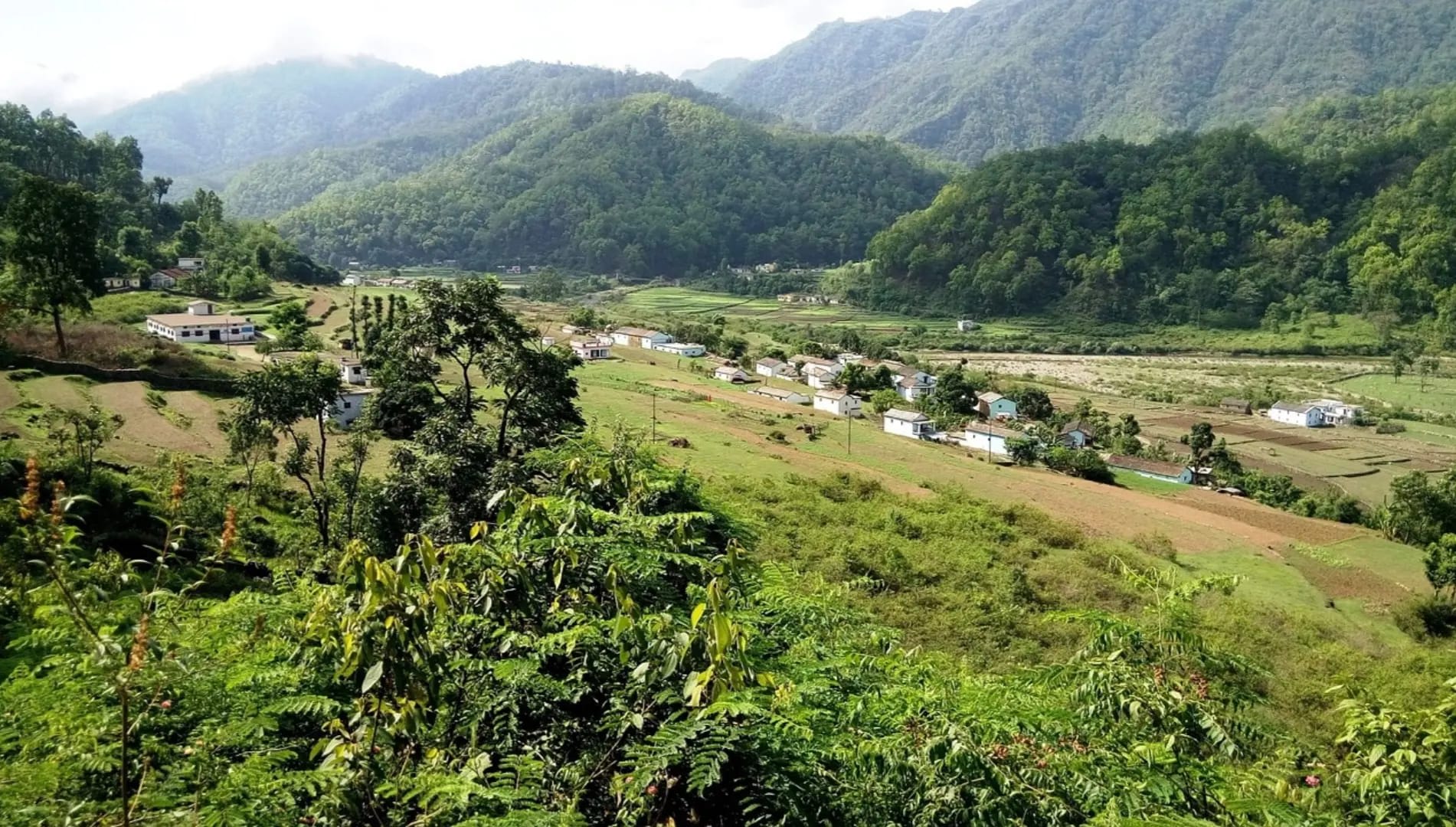
Virunga National Park
Virunga National Park, located in the eastern part of the Democratic Republic of the Congo (DRC), is Africa's oldest national park and a UNESCO World Heritage Site. Spanning over 7,800 square kilometers, Virunga is renowned for its stunning landscapes, diverse ecosystems, and its critical role in the conservation of endangered species. Established in 1925, the park is home to a variety of habitats including volcanoes, savannahs, wetlands, and rainforests. Its most famous residents are the mountain gorillas, which make Virunga one of the most important conservation areas in Africa. This guide explores the park's geography, history, activities, travel tips, conservation efforts, and visitor experiences.
🌍 Geography and Natural Features
Virunga National Park is characterized by its diverse and dramatic geographical features, contributing to its ecological richness and importance.
- Location and Size: Virunga National Park is situated in the northeastern region of the Democratic Republic of the Congo, near the borders with Uganda and Rwanda. The park covers approximately 7,800 square kilometers, making it one of the largest protected areas in Africa. The park’s varied landscapes include active volcanoes, lush rainforests, savannahs, and high-altitude grasslands. The park is part of the Albertine Rift, a key area for biodiversity and a hotspot for both flora and fauna.
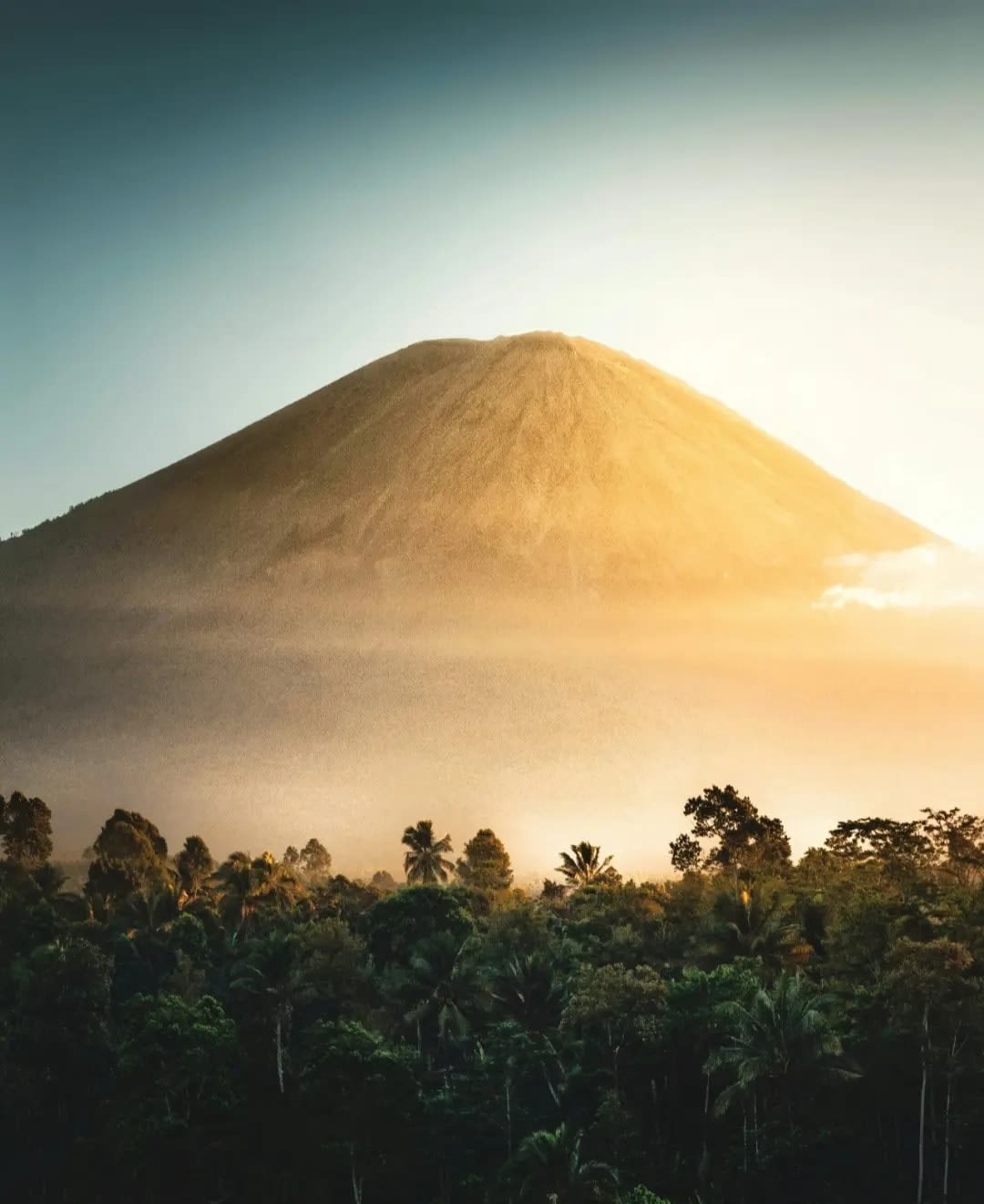
- Volcanic Features: One of the most striking features of Virunga is its volcanic terrain, including the famous Mount Nyiragongo and Mount Nyamuragira. Mount Nyiragongo, an active volcano known for its lava lake, is one of the most active volcanoes in the world. Its eruptions have shaped the landscape and contributed to the park's unique ecological zones. Mount Nyamuragira, another active volcano, also influences the park’s geology and vegetation. These volcanic mountains provide critical habitats for a range of species and contribute to the park's dramatic scenery.
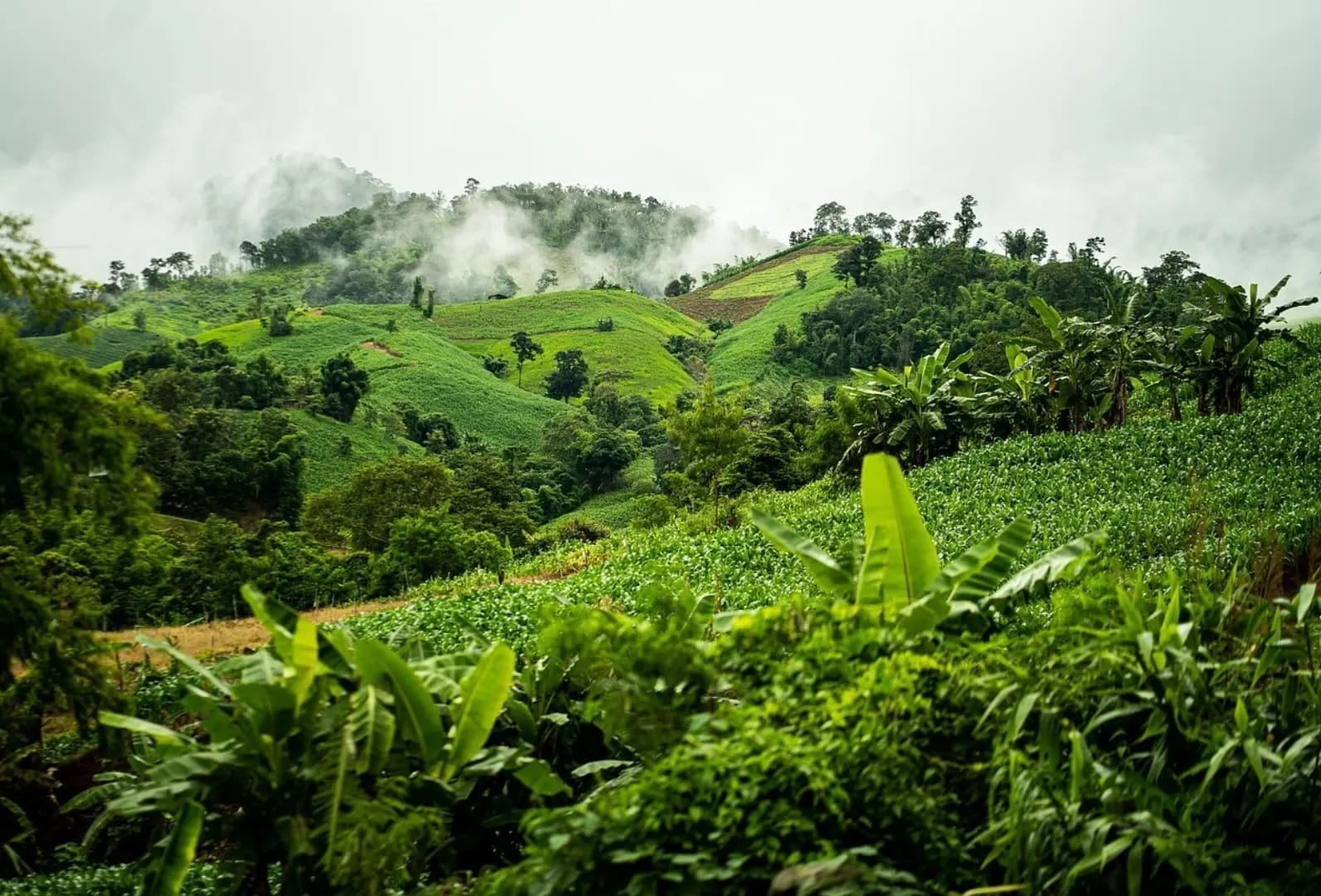
- Climate and Ecosystems: Virunga National Park experiences a range of climatic conditions due to its varied altitude and topography. The lower altitudes, including the savannah and forested areas, have a tropical climate with distinct wet and dry seasons. The high-altitude regions, including the volcanic slopes and montane forests, experience cooler temperatures and higher rainfall. The park’s diverse ecosystems support a wide range of plant and animal species, including rainforests, bamboo forests, and alpine meadows. The varied climate and topography create a rich mosaic of habitats that are crucial for the park's biodiversity.
📜 History and Cultural Significance
Virunga National Park has a rich history and cultural significance, reflecting its role in conservation and its impact on local communities.
Establishment and Early Conservation: Virunga National Park was established in 1925, making it Africa's first national park. Created to protect the region’s unique wildlife and habitats from hunting and exploitation, the park initially focused on safeguarding mountain gorillas and other key species, as well as preserving its diverse landscapes. Its establishment marked a pioneering step in wildlife conservation in Africa and set a precedent for the creation of other national parks across the continent.
Role in Regional Conservation: Over the decades, Virunga National Park has been crucial in regional conservation efforts, especially in protecting endangered species. The park is renowned for its significant population of mountain gorillas, which are critically endangered. Conservation programs in Virunga emphasize protecting these gorillas and other species such as the Eastern lowland gorilla and the African elephant. The park's efforts extend beyond its borders, contributing to broader conservation initiatives in the Albertine Rift and the Great Lakes region.
Cultural Heritage and Local Communities: The park’s establishment has influenced the cultural and social dynamics of the surrounding communities, including the Bakongo, Hutu, and Tutsi peoples. Traditional practices and interactions with the park’s wildlife and landscapes are integral to local heritage. Conservation efforts in Virunga involve engaging local communities through programs that promote sustainable livelihoods and environmental stewardship. By involving residents in conservation activities and providing economic benefits through ecotourism, the park aims to foster a sense of ownership and support for its conservation goals.
Establishment and Early Conservation: Virunga National Park was established in 1925, making it Africa's first national park. Created to protect the region’s unique wildlife and habitats from hunting and exploitation, the park initially focused on safeguarding mountain gorillas and other key species, as well as preserving its diverse landscapes. Its establishment marked a pioneering step in wildlife conservation in Africa and set a precedent for the creation of other national parks across the continent.
Role in Regional Conservation: Over the decades, Virunga National Park has been crucial in regional conservation efforts, especially in protecting endangered species. The park is renowned for its significant population of mountain gorillas, which are critically endangered. Conservation programs in Virunga emphasize protecting these gorillas and other species such as the Eastern lowland gorilla and the African elephant. The park's efforts extend beyond its borders, contributing to broader conservation initiatives in the Albertine Rift and the Great Lakes region.
Cultural Heritage and Local Communities: The park’s establishment has influenced the cultural and social dynamics of the surrounding communities, including the Bakongo, Hutu, and Tutsi peoples. Traditional practices and interactions with the park’s wildlife and landscapes are integral to local heritage. Conservation efforts in Virunga involve engaging local communities through programs that promote sustainable livelihoods and environmental stewardship. By involving residents in conservation activities and providing economic benefits through ecotourism, the park aims to foster a sense of ownership and support for its conservation goals.
🏃 Activities and Attractions
Virunga National Park offers a range of activities and attractions that allow visitors to experience its diverse landscapes and wildlife.
- Mountain Gorilla Tracking: One of the main attractions in Virunga National Park is the opportunity to track and observe mountain gorillas in their natural habitat. Guided gorilla trekking tours provide visitors with the chance to see these critically endangered primates up close and learn about their behavior and conservation. Treks can be challenging due to the park’s rugged terrain and dense vegetation, but the experience of encountering a family of gorillas is a highlight of any visit to Virunga. Permits for gorilla tracking are required and should be booked in advance.
- Volcano Trekking: Hiking to the summits of Mount Nyiragongo and Mount Nyamuragira offers spectacular views and a unique adventure. Mount Nyiragongo's lava lake is one of the most active and accessible in the world, and witnessing the glowing lava is a memorable experience. Treks to the summit of Mount Nyiragongo typically involve an overnight stay at a base camp and require a high level of fitness. Mount Nyamuragira also offers trekking opportunities, with its volcanic landscapes providing stunning vistas and a chance to explore its diverse habitats.
- Wildlife Safaris: In addition to gorilla tracking, Virunga National Park offers opportunities for wildlife safaris and game drives. Visitors can observe a range of species, including elephants, buffalo, hippos, and various antelope species. The park's diverse ecosystems provide critical habitats for these animals, and safaris offer a chance to see them in their natural environment. Game drives and guided walks are available in different parts of the park, depending on the desired experience and wildlife sightings.
- Cultural Tours: Engaging with local communities through cultural tours provides visitors with insights into the region's heritage and traditions. Cultural tours may include visits to nearby villages, where visitors can learn about traditional practices, customs, and local crafts. Interactions with the Bakongo, Hutu, and Tutsi peoples offer a deeper understanding of their relationship with the land and wildlife. Cultural tours may also feature traditional music and dance performances, as well as opportunities to sample local cuisine.
💡 Travel Tips
To ensure a successful and enjoyable visit to Virunga National Park, consider these travel tips and recommendations.
Best Time to Visit: The best time to visit Virunga National Park is during the dry season, which runs from June to September. During this period, the weather is more favorable for trekking and wildlife viewing, with lower rainfall and less mud on the trails. The wet season, from October to May, brings higher rainfall and can make trekking and road conditions more challenging. However, the wet season also offers lush landscapes and fewer tourists. The choice of when to visit may depend on your interests and the specific activities you wish to experience.
Permits and Regulations: Visitors to Virunga National Park are required to obtain permits for activities such as gorilla tracking and volcano trekking. It is essential to arrange these permits in advance through the park's management or authorized tour operators. Familiarize yourself with the park's regulations and guidelines to ensure compliance and to help protect the environment and wildlife. Working with reputable tour operators can facilitate the permit process and provide valuable support during your visit.
Health and Safety: The tropical climate and remote location of Virunga National Park require careful health and safety precautions. Ensure that you are up-to-date on vaccinations and take necessary precautions against malaria and other tropical diseases. Carry a first aid kit and any necessary medications, including those for altitude sickness if applicable. It is also advisable to have travel insurance that covers health and evacuation in case of emergencies.
Guides and Local Support: Engaging local guides and support staff is highly recommended for exploring Virunga National Park. Experienced guides can provide valuable insights into the park's wildlife, ecosystems, and conservation efforts, as well as ensure your safety during treks and wildlife viewing. Porters and support staff assist with logistics and equipment, making your visit more enjoyable. Working with local guides and support staff also contributes to the local economy and supports community livelihoods.
Best Time to Visit: The best time to visit Virunga National Park is during the dry season, which runs from June to September. During this period, the weather is more favorable for trekking and wildlife viewing, with lower rainfall and less mud on the trails. The wet season, from October to May, brings higher rainfall and can make trekking and road conditions more challenging. However, the wet season also offers lush landscapes and fewer tourists. The choice of when to visit may depend on your interests and the specific activities you wish to experience.
Permits and Regulations: Visitors to Virunga National Park are required to obtain permits for activities such as gorilla tracking and volcano trekking. It is essential to arrange these permits in advance through the park's management or authorized tour operators. Familiarize yourself with the park's regulations and guidelines to ensure compliance and to help protect the environment and wildlife. Working with reputable tour operators can facilitate the permit process and provide valuable support during your visit.
Health and Safety: The tropical climate and remote location of Virunga National Park require careful health and safety precautions. Ensure that you are up-to-date on vaccinations and take necessary precautions against malaria and other tropical diseases. Carry a first aid kit and any necessary medications, including those for altitude sickness if applicable. It is also advisable to have travel insurance that covers health and evacuation in case of emergencies.
Guides and Local Support: Engaging local guides and support staff is highly recommended for exploring Virunga National Park. Experienced guides can provide valuable insights into the park's wildlife, ecosystems, and conservation efforts, as well as ensure your safety during treks and wildlife viewing. Porters and support staff assist with logistics and equipment, making your visit more enjoyable. Working with local guides and support staff also contributes to the local economy and supports community livelihoods.
🌱 Conservation
Conservation efforts are crucial for preserving the natural heritage and wildlife of Virunga National Park.
Anti-Poaching Measures: Virunga National Park faces significant challenges related to poaching and illegal wildlife trade. Conservation authorities and organizations are actively involved in anti-poaching efforts to protect endangered species, including mountain gorillas and elephants. Anti-poaching patrols, surveillance, and community engagement are key components of these efforts. Support from international partners and local communities is vital in combating poaching and ensuring the survival of the park's wildlife.
Habitat Protection: Protecting the diverse habitats within Virunga National Park is essential for maintaining its ecological balance and biodiversity. Conservation programs focus on safeguarding key habitats, such as forests, wetlands, and volcanic slopes, from threats like deforestation, land conversion, and environmental degradation. Habitat restoration projects and sustainable land management practices contribute to the preservation of natural resources and the health of the park's ecosystems.
Community Involvement: Engaging local communities in conservation efforts is critical for the long-term success of Virunga National Park. Community-based programs aim to raise awareness about the importance of conservation and promote sustainable practices. Initiatives may include environmental education, support for alternative livelihoods, and involvement in park management activities. By fostering a sense of ownership and providing economic benefits, community involvement helps to align conservation goals with local needs and priorities.
Anti-Poaching Measures: Virunga National Park faces significant challenges related to poaching and illegal wildlife trade. Conservation authorities and organizations are actively involved in anti-poaching efforts to protect endangered species, including mountain gorillas and elephants. Anti-poaching patrols, surveillance, and community engagement are key components of these efforts. Support from international partners and local communities is vital in combating poaching and ensuring the survival of the park's wildlife.
Habitat Protection: Protecting the diverse habitats within Virunga National Park is essential for maintaining its ecological balance and biodiversity. Conservation programs focus on safeguarding key habitats, such as forests, wetlands, and volcanic slopes, from threats like deforestation, land conversion, and environmental degradation. Habitat restoration projects and sustainable land management practices contribute to the preservation of natural resources and the health of the park's ecosystems.
Community Involvement: Engaging local communities in conservation efforts is critical for the long-term success of Virunga National Park. Community-based programs aim to raise awareness about the importance of conservation and promote sustainable practices. Initiatives may include environmental education, support for alternative livelihoods, and involvement in park management activities. By fostering a sense of ownership and providing economic benefits, community involvement helps to align conservation goals with local needs and priorities.
✨ Conclusion
Virunga National Park stands as a testament to the natural beauty and biodiversity of the Democratic Republic of the Congo. Its diverse landscapes, rich wildlife, and cultural significance make it a vital destination for conservation and adventure. The park's historical importance, combined with ongoing conservation efforts, highlights its role as a key player in the protection of Africa's natural heritage. Visiting Virunga National Park offers a unique opportunity to experience one of Africa's most remarkable environments, where conservation, adventure, and cultural connection come together to create an unforgettable journey. As efforts continue to safeguard this incredible region, Virunga remains a symbol of Africa's wild beauty and the importance of preserving our planet's natural treasures.