
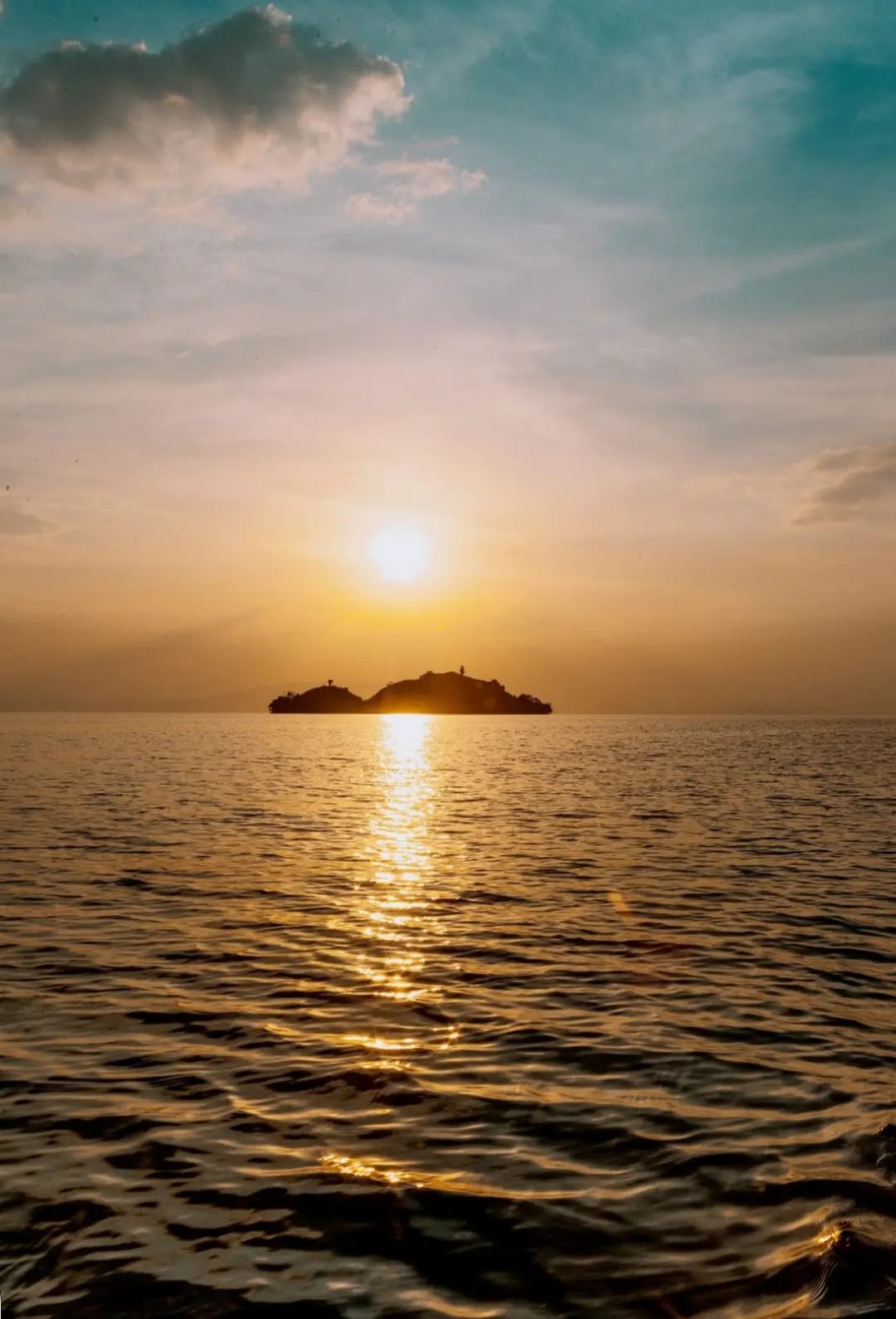
Lake Kivu
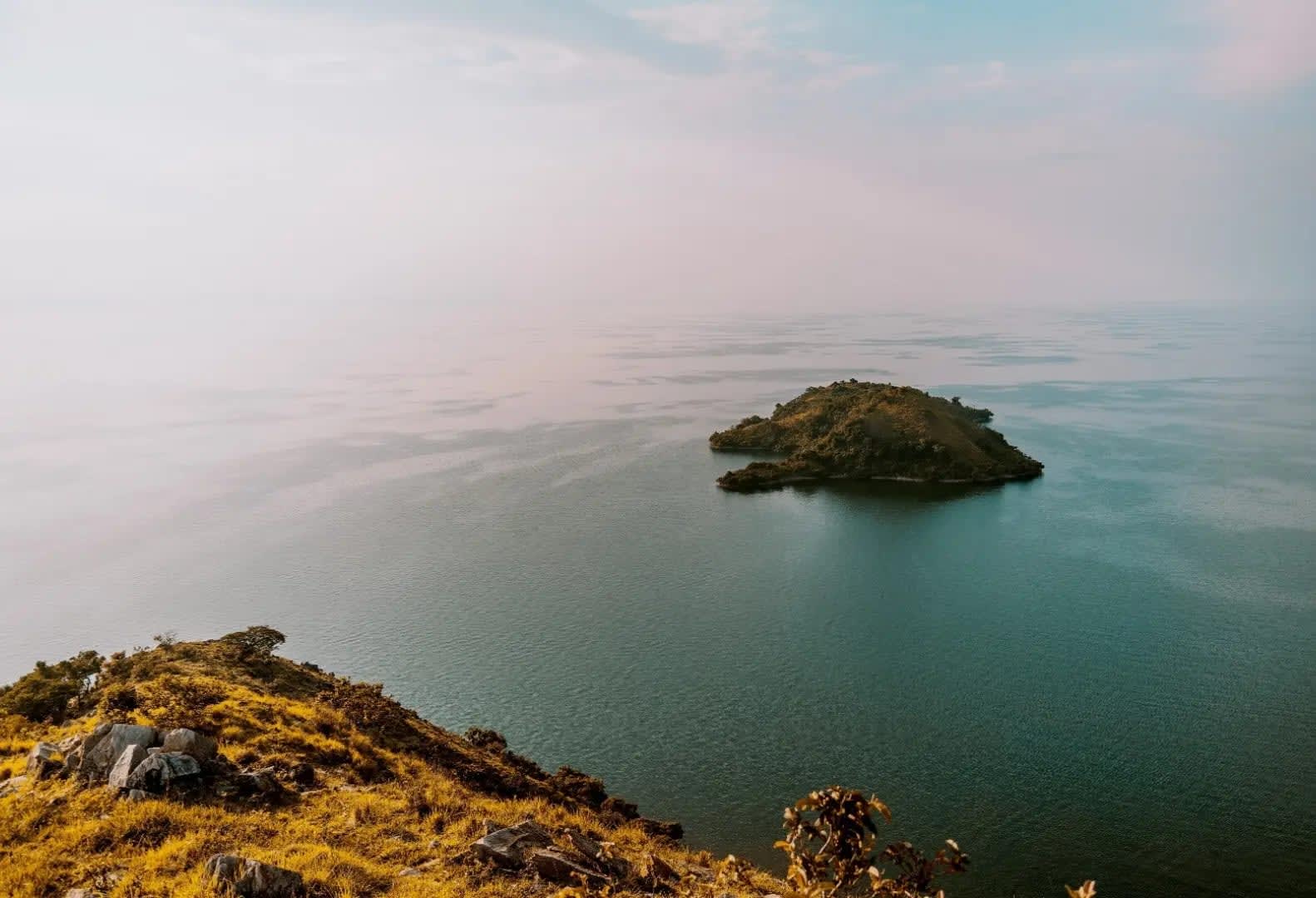
Lake Kivu, nestled in the eastern part of the Democratic Republic of the Congo (DRC) and bordering Rwanda, is one of the African Great Lakes and one of the largest lakes on the continent. Covering an area of approximately 2,700 square kilometers (1,040 square miles), Lake Kivu is renowned for its stunning natural beauty, diverse ecosystems, and its role in the local economy and culture. This guide provides an in-depth look at Lake Kivu, exploring its geography, history, activities, travel tips, conservation efforts, and visitor experiences.
🌍 Geography and Natural Features
Lake Kivu's geographical and natural features contribute to its significance as a key landmark in Central Africa.
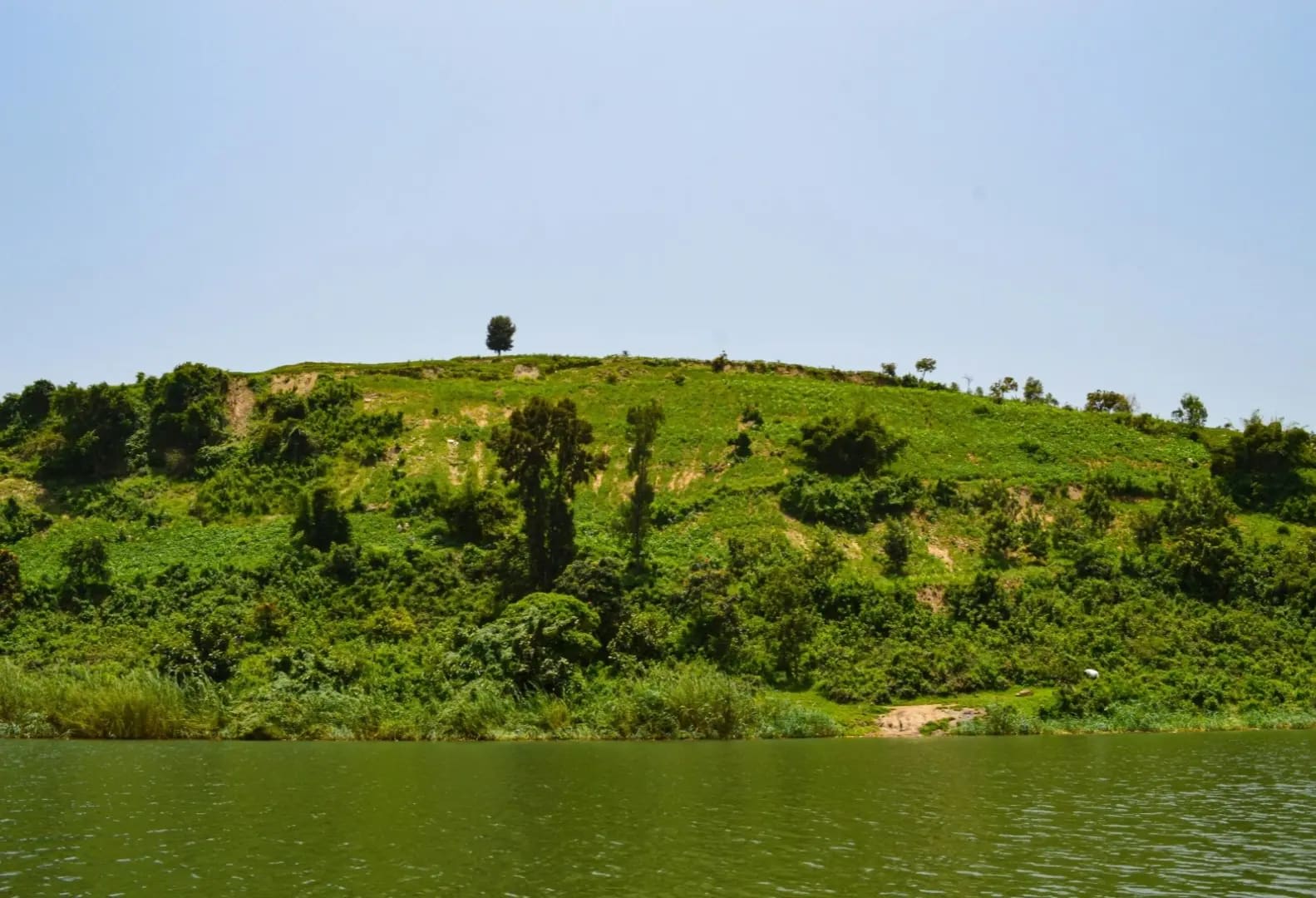
- Location and Size: Lake Kivu is situated in the Great Rift Valley, straddling the border between the Democratic Republic of the Congo and Rwanda. It lies at an elevation of about 1,460 meters (4,790 feet) above sea level and extends approximately 89 kilometers (55 miles) in length and 28 kilometers (17 miles) in width. The lake is surrounded by picturesque landscapes, including rolling hills, volcanic mountains, and lush green vegetation. Its shores are dotted with small towns and villages that rely on the lake for their livelihoods.
- Climate: The climate around Lake Kivu is tropical, characterized by a relatively mild and temperate environment due to its altitude. The region experiences two main seasons: a rainy season from March to May and September to November, and a dry season from June to August and December to February. Temperatures typically range between 15°C and 25°C (59°F to 77°F), making the area comfortable for outdoor activities and exploration. The lake's moderate climate and abundant rainfall support the rich biodiversity and lush landscapes surrounding it.
- Hydrology and Geology: Lake Kivu is part of a larger system of lakes and rivers in the Great Rift Valley. It is fed by several rivers, including the Ruzizi River, which drains into the lake from Lake Tanganyika. The lake is unique for its high concentration of dissolved gases, including methane and carbon dioxide, which are produced by volcanic activity in the region. These gases are trapped in the deep waters of the lake and are monitored to prevent potential hazards associated with gas release. The geology of the area is marked by volcanic activity, with several dormant and active volcanoes visible around the lake.
📜 History and Cultural Significance
The history and cultural significance of Lake Kivu reveal its importance to the region's development and heritage.
Historical Background: Lake Kivu has been a vital geographical feature for centuries, shaping the lives and cultures of the communities along its shores. Local tribes were familiar with the lake long before European explorers arrived. In the late 19th and early 20th centuries, European explorers and colonial powers, including Belgium and Germany, began to document and map Lake Kivu, incorporating it into the broader narrative of Central African exploration. The lake has also played a role in various regional conflicts and developments, impacting political and economic dynamics in the area.
Cultural Significance: For the communities surrounding Lake Kivu, the lake is central to their cultural and social life. Its resources, such as fish and fresh water, are crucial for local livelihoods and traditional practices. The lake is deeply embedded in local folklore and traditions, with various stories and legends attributing mystical qualities to its waters and landscapes. Festivals and ceremonies often celebrate the lake's significance, reflecting its role in sustaining the communities and symbolizing life, prosperity, and a connection to the natural world.
Historical Background: Lake Kivu has been a vital geographical feature for centuries, shaping the lives and cultures of the communities along its shores. Local tribes were familiar with the lake long before European explorers arrived. In the late 19th and early 20th centuries, European explorers and colonial powers, including Belgium and Germany, began to document and map Lake Kivu, incorporating it into the broader narrative of Central African exploration. The lake has also played a role in various regional conflicts and developments, impacting political and economic dynamics in the area.
Cultural Significance: For the communities surrounding Lake Kivu, the lake is central to their cultural and social life. Its resources, such as fish and fresh water, are crucial for local livelihoods and traditional practices. The lake is deeply embedded in local folklore and traditions, with various stories and legends attributing mystical qualities to its waters and landscapes. Festivals and ceremonies often celebrate the lake's significance, reflecting its role in sustaining the communities and symbolizing life, prosperity, and a connection to the natural world.
🏃 Activities and Attractions
Lake Kivu offers a variety of activities and attractions that highlight its natural beauty and cultural significance.
- Boating and Cruises: One of the most popular activities at Lake Kivu is boating and taking scenic cruises. Visitors can explore the lake's serene waters and enjoy stunning views of the surrounding landscapes, including volcanic peaks and lush hillsides. Boat tours often include opportunities for fishing and swimming, providing a relaxing way to experience the lake's natural beauty. Some tours also offer insights into the local communities and their way of life, adding a cultural dimension to the experience.
- Fishing: Fishing is a traditional and important activity for the communities around Lake Kivu. The lake is home to a variety of fish species, including tilapia and Nile perch. Visitors interested in fishing can join local fishermen on their boats or participate in organized fishing tours. Fishing not only provides a chance to enjoy the lake's natural bounty but also offers an opportunity to engage with local fishing practices and traditions.
- Hiking and Nature Walks: The area surrounding Lake Kivu is rich in natural beauty, with numerous opportunities for hiking and nature walks. Trails lead through the lush forests and hills that frame the lake, offering breathtaking views and the chance to spot local wildlife and bird species. Hiking in the region allows visitors to connect with the diverse ecosystems and enjoy the peaceful ambiance of the lake's natural surroundings. Some trails also lead to viewpoints overlooking the lake and nearby volcanic peaks.
- Cultural Tours: Cultural tours around Lake Kivu provide insights into the traditions and lifestyles of the local communities. Visitors can explore villages, participate in traditional ceremonies, and learn about the cultural significance of the lake in local folklore. These tours often include visits to local markets, where visitors can experience the vibrant atmosphere and purchase traditional crafts and goods. Engaging with local residents through cultural tours enriches the travel experience and fosters a deeper understanding of the region's heritage.
💡 Travel Tips
To ensure a safe and enjoyable visit to Lake Kivu, consider these practical travel tips and recommendations.
Best Time to Visit: The best time to visit Lake Kivu is during the dry season, from June to August and December to February. The drier conditions during these months make outdoor activities more comfortable and provide clearer views of the lake and surrounding landscapes. However, the lake can be visited year-round, with each season offering its own unique experiences and opportunities.
Getting There: Lake Kivu is accessible from major cities in the Democratic Republic of the Congo and Rwanda. The city of Goma in the DRC and the city of Cyangugu in Rwanda are key gateways to the lake. Visitors can reach these cities by domestic flights from other major cities in the region. From Goma or Cyangugu, transportation to various points around the lake can be arranged by boat, car, or local transport services. It is advisable to check travel advisories and work with local tour operators to ensure smooth transportation and safety.
What to Bring: Pack light, comfortable clothing suitable for tropical conditions, including sun protection (sunscreen, hat, sunglasses) and insect repellent. For boating and fishing activities, bring swimwear, a camera with waterproof protection, and any necessary personal medications. It is also recommended to carry cash for local purchases, as credit card facilities may be limited in remote areas. Ensure you have any necessary permits and documentation for your visit, especially if traveling across international borders.
Best Time to Visit: The best time to visit Lake Kivu is during the dry season, from June to August and December to February. The drier conditions during these months make outdoor activities more comfortable and provide clearer views of the lake and surrounding landscapes. However, the lake can be visited year-round, with each season offering its own unique experiences and opportunities.
Getting There: Lake Kivu is accessible from major cities in the Democratic Republic of the Congo and Rwanda. The city of Goma in the DRC and the city of Cyangugu in Rwanda are key gateways to the lake. Visitors can reach these cities by domestic flights from other major cities in the region. From Goma or Cyangugu, transportation to various points around the lake can be arranged by boat, car, or local transport services. It is advisable to check travel advisories and work with local tour operators to ensure smooth transportation and safety.
What to Bring: Pack light, comfortable clothing suitable for tropical conditions, including sun protection (sunscreen, hat, sunglasses) and insect repellent. For boating and fishing activities, bring swimwear, a camera with waterproof protection, and any necessary personal medications. It is also recommended to carry cash for local purchases, as credit card facilities may be limited in remote areas. Ensure you have any necessary permits and documentation for your visit, especially if traveling across international borders.
🌱 Conservation
Conservation efforts are crucial for preserving the ecological integrity and sustainability of Lake Kivu.
Environmental Protection: Protecting the environment around Lake Kivu is essential for maintaining the lake's health and biodiversity. Conservation initiatives focus on managing water quality, controlling pollution, and preserving natural habitats. Efforts are made to prevent deforestation and habitat destruction in the surrounding areas, which can impact the lake's ecosystem. Monitoring the concentration of dissolved gases in the lake is also important to prevent potential hazards and ensure the safety of local communities.
Community Involvement: Engaging local communities in conservation efforts is key to the sustainable management of Lake Kivu. Community-based programs aim to involve residents in protecting the lake's resources and promoting sustainable practices. Education and awareness campaigns are conducted to inform local communities about the importance of environmental conservation and the benefits of preserving their natural surroundings. Collaborative efforts help ensure that conservation goals are aligned with the needs and priorities of the communities living around the lake.
Tourism Management: Managing tourism in a way that minimizes environmental impact and supports conservation goals is essential. Responsible tourism practices include following guidelines for waste management, respecting natural habitats, and supporting local conservation initiatives. Visitors are encouraged to adhere to these practices and contribute to the preservation of Lake Kivu by minimizing their environmental footprint and participating in conservation activities when possible.
Environmental Protection: Protecting the environment around Lake Kivu is essential for maintaining the lake's health and biodiversity. Conservation initiatives focus on managing water quality, controlling pollution, and preserving natural habitats. Efforts are made to prevent deforestation and habitat destruction in the surrounding areas, which can impact the lake's ecosystem. Monitoring the concentration of dissolved gases in the lake is also important to prevent potential hazards and ensure the safety of local communities.
Community Involvement: Engaging local communities in conservation efforts is key to the sustainable management of Lake Kivu. Community-based programs aim to involve residents in protecting the lake's resources and promoting sustainable practices. Education and awareness campaigns are conducted to inform local communities about the importance of environmental conservation and the benefits of preserving their natural surroundings. Collaborative efforts help ensure that conservation goals are aligned with the needs and priorities of the communities living around the lake.
Tourism Management: Managing tourism in a way that minimizes environmental impact and supports conservation goals is essential. Responsible tourism practices include following guidelines for waste management, respecting natural habitats, and supporting local conservation initiatives. Visitors are encouraged to adhere to these practices and contribute to the preservation of Lake Kivu by minimizing their environmental footprint and participating in conservation activities when possible.
✨ Conclusion
Lake Kivu stands as a magnificent natural feature in the Democratic Republic of the Congo and Rwanda, offering a rich tapestry of natural beauty, cultural significance, and recreational opportunities. With its stunning landscapes, diverse ecosystems, and vibrant local culture, Lake Kivu provides a unique and memorable experience for visitors. Conservation efforts are vital for preserving the lake's ecological health and ensuring that its beauty endures for future generations. A visit to Lake Kivu is a journey into one of Africa's most remarkable and captivating natural wonders, where adventure, discovery, and cultural connection await.