
Chutes Boyoma
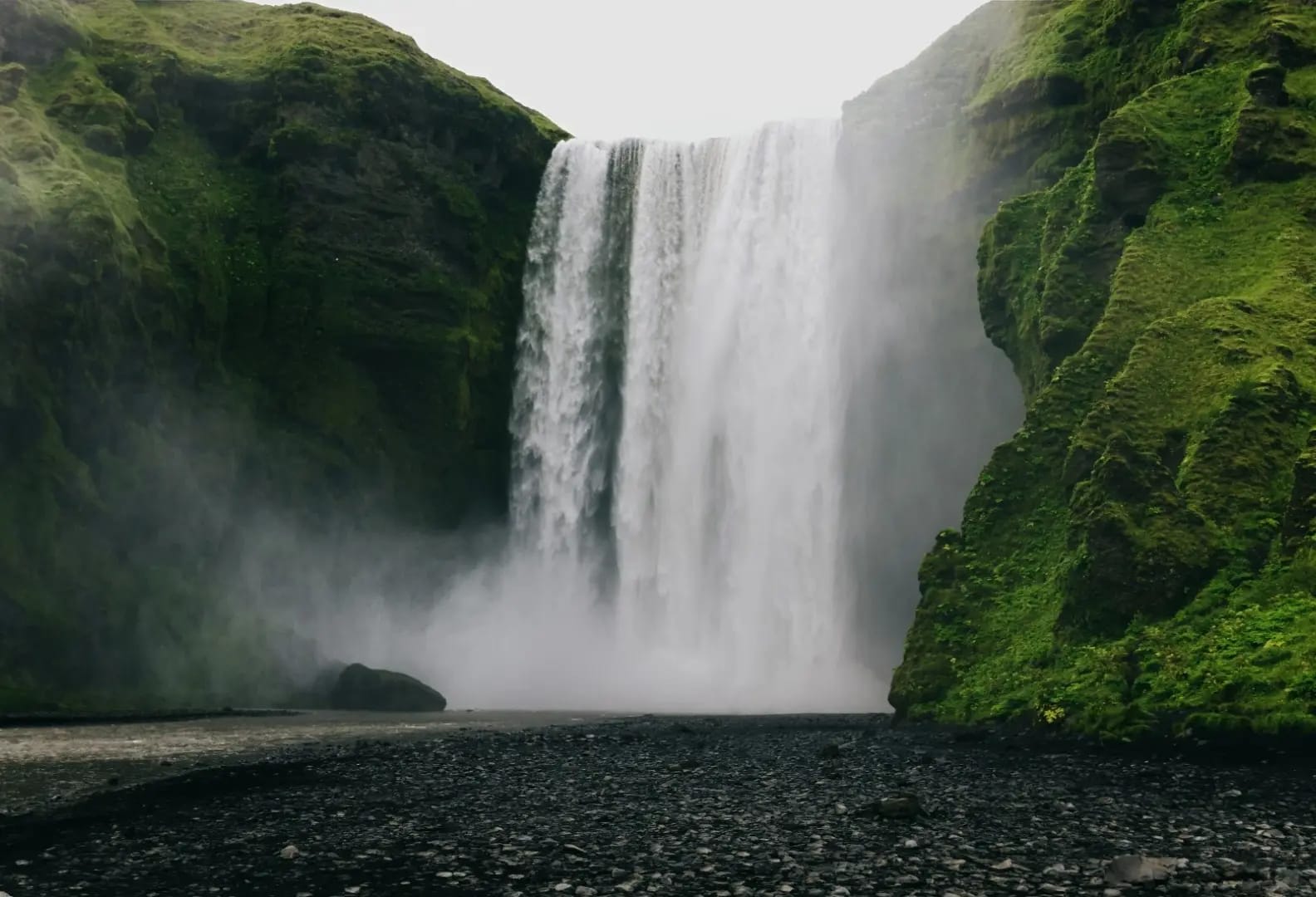
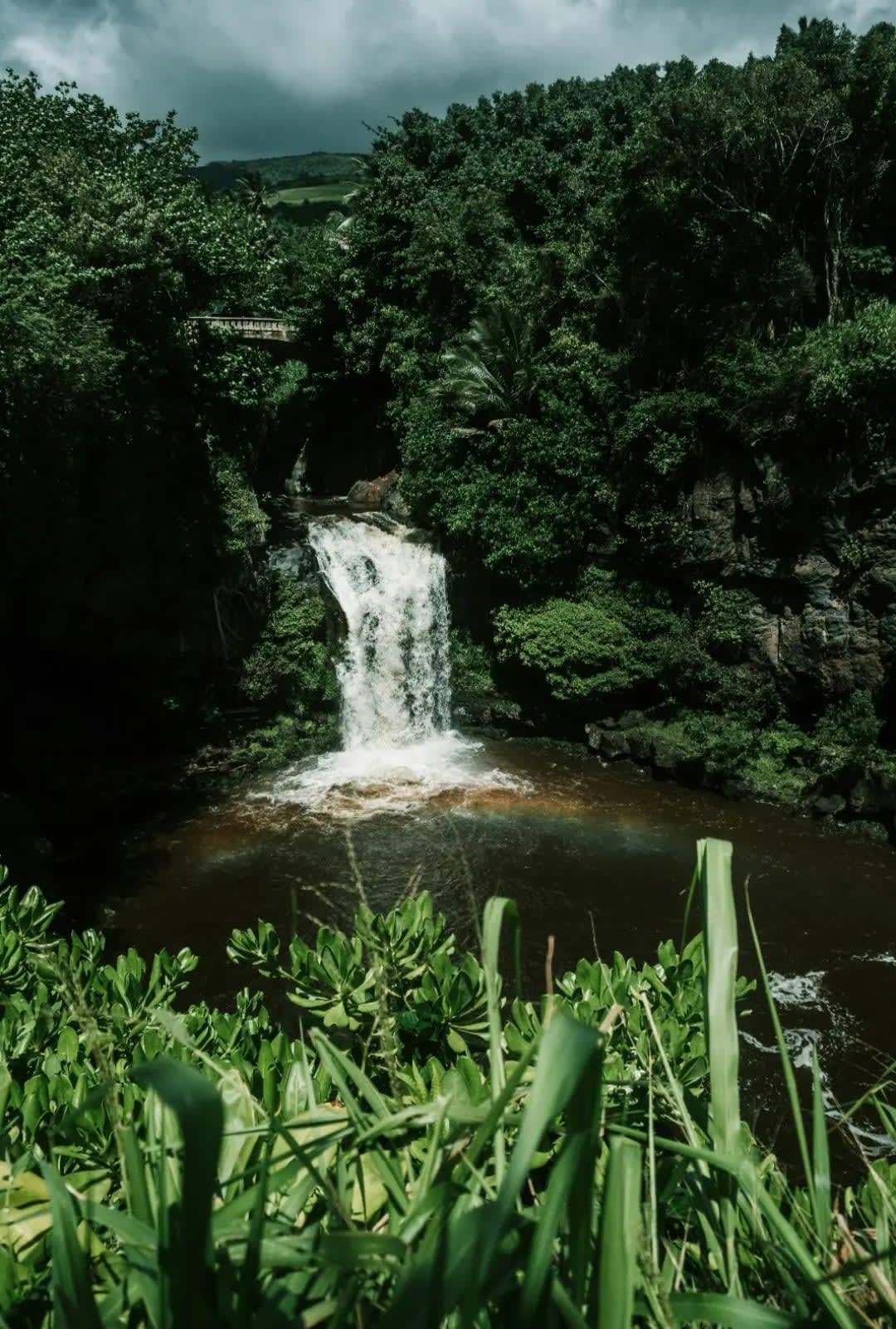
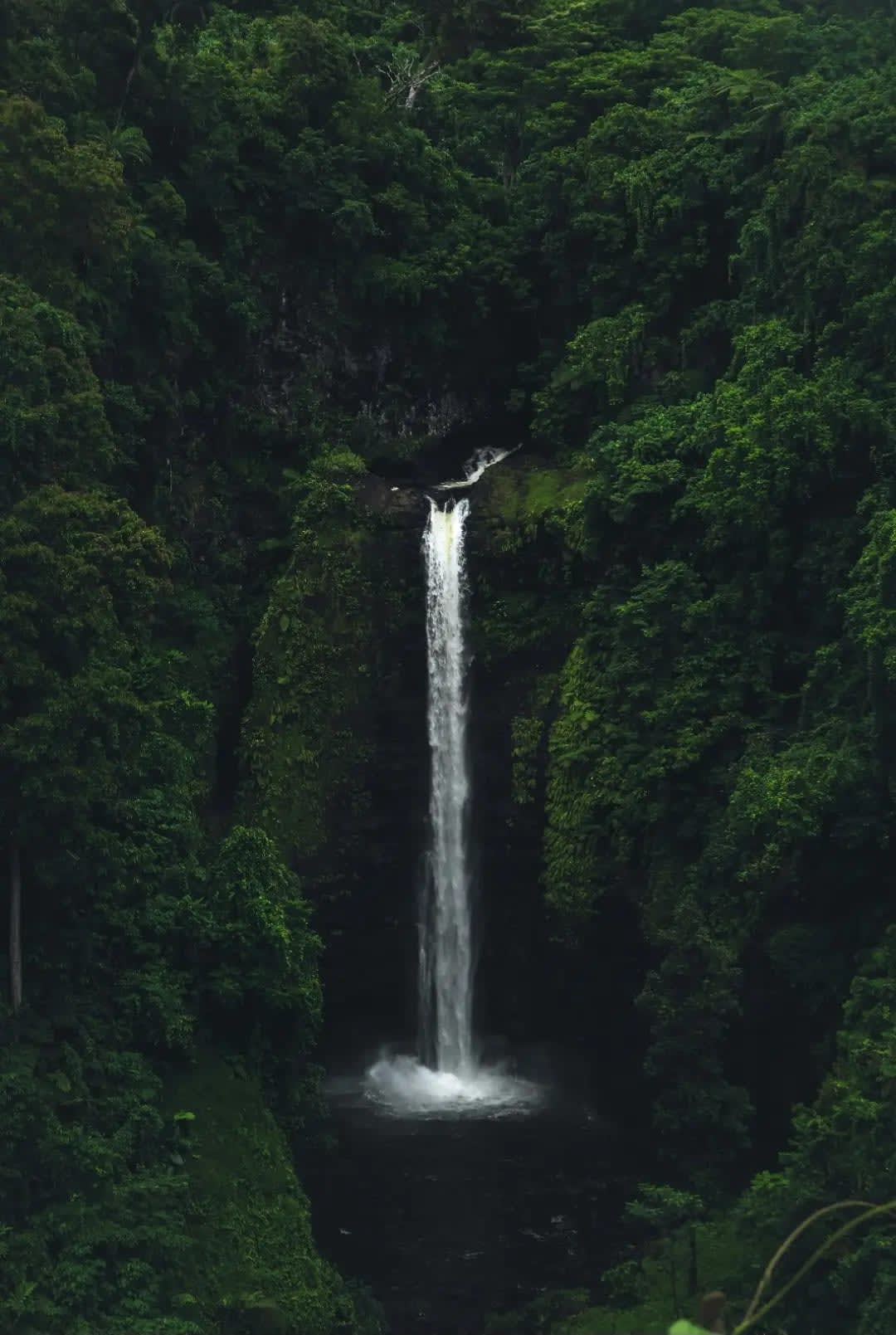
Chutes Boyoma, also known as the Boyoma Falls, is a spectacular natural wonder located in the Tshopo Province of the Democratic Republic of the Congo (DRC). Renowned for its grandeur and immense power, these waterfalls are one of the largest and most impressive waterfall systems in Africa. Comprising a series of seven cascades, Chutes Boyoma stretches over a distance of approximately 100 kilometers (62 miles) along the Lualaba River. This guide provides an extensive overview of Chutes Boyoma, covering its geography, history, attractions, activities, travel tips, conservation efforts, and visitor experiences.
🌍 Geography and Natural Features
The geography and natural features of Chutes Boyoma contribute to its status as a remarkable and awe-inspiring destination.
- Location and Terrain: Chutes Boyoma is situated near the city of Kisangani in the northeastern part of the Democratic Republic of the Congo. The falls are located along the Lualaba River, which is a major tributary of the Congo River. The terrain around Chutes Boyoma is characterized by lush tropical rainforests, rolling hills, and riverine landscapes. The area is predominantly covered with dense vegetation, including a variety of hardwood trees, vines, and undergrowth, creating a rich and vibrant natural environment.
- Climate: The region surrounding Chutes Boyoma experiences a tropical climate with high humidity and significant rainfall throughout the year. The climate is characterized by a wet season from March to May and September to November, during which heavy rains and thunderstorms are common. The dry season, from June to August and December to February, brings relatively drier conditions, although the area remains humid. The climate supports the lush rainforest vegetation and contributes to the powerful flow of the waterfalls.
- Waterfall System: Chutes Boyoma consists of seven distinct waterfalls cascading down the Lualaba River. Each cascade varies in height and width, contributing to the overall dramatic effect of the falls. The combined height of the cascades exceeds 60 meters (200 feet), and the width of the river at the falls can reach up to 5 kilometers (3 miles). The immense volume of water flowing over the falls creates a powerful and thunderous roar, adding to the awe-inspiring nature of the site. The surrounding landscape is shaped by the continuous erosion and sediment deposition caused by the waterfalls.
📜 History and Cultural Significance
The history and cultural significance of Chutes Boyoma offer valuable insights into the heritage and importance of this remarkable natural feature.
Historical Background: Chutes Boyoma, known as the Boyoma Falls, has long been a significant landmark for local communities. The falls were well-known to indigenous peoples long before European explorers arrived. The name 'Boyoma' is derived from the local Lingala language, meaning 'the place where the river flows swiftly.' European explorers first documented the falls in the late 19th century, with notable expeditions including those by Belgian explorer Henry Morton Stanley. Subsequently, the falls were incorporated into scientific studies and surveys of the Congo River basin, contributing to the broader understanding of the region's geography.
Cultural Significance: For local communities, Chutes Boyoma holds profound cultural and spiritual significance. The falls are often considered a sacred site, and various traditional rituals and ceremonies are associated with the area. The immense power and beauty of the waterfalls are seen as symbols of strength and resilience in local folklore. The falls also influence the traditional knowledge, stories, and customs of the communities living along the Lualaba River, reflecting their deep connection to the natural environment.
Historical Background: Chutes Boyoma, known as the Boyoma Falls, has long been a significant landmark for local communities. The falls were well-known to indigenous peoples long before European explorers arrived. The name 'Boyoma' is derived from the local Lingala language, meaning 'the place where the river flows swiftly.' European explorers first documented the falls in the late 19th century, with notable expeditions including those by Belgian explorer Henry Morton Stanley. Subsequently, the falls were incorporated into scientific studies and surveys of the Congo River basin, contributing to the broader understanding of the region's geography.
Cultural Significance: For local communities, Chutes Boyoma holds profound cultural and spiritual significance. The falls are often considered a sacred site, and various traditional rituals and ceremonies are associated with the area. The immense power and beauty of the waterfalls are seen as symbols of strength and resilience in local folklore. The falls also influence the traditional knowledge, stories, and customs of the communities living along the Lualaba River, reflecting their deep connection to the natural environment.
🏃 Activities and Attractions
Chutes Boyoma offers a range of activities and attractions that allow visitors to experience its natural beauty and cultural significance.
- Sightseeing and Photography: One of the main attractions at Chutes Boyoma is the opportunity to witness and photograph the breathtaking waterfalls. The expansive view of the cascades and the surrounding rainforest provides stunning backdrops for photography. The powerful flow of the water and the mist created by the falls add to the dramatic effect of the scenery. Visitors can explore various viewpoints along the riverbank to capture different perspectives of the waterfalls.
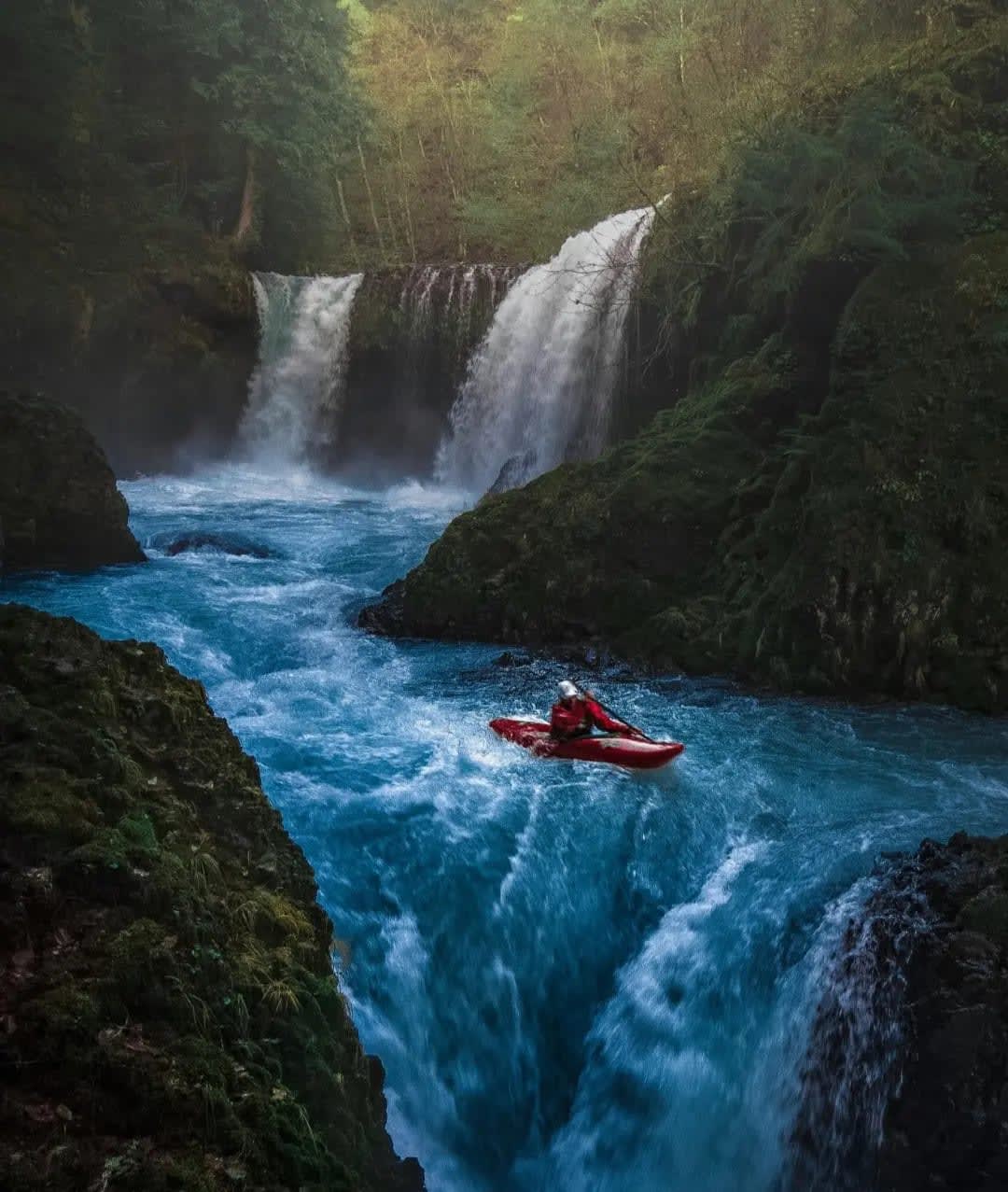
- Boat Tours: Boat tours along the Lualaba River offer a unique perspective of Chutes Boyoma. Guided tours provide visitors with close-up views of the cascades and allow them to experience the river's natural beauty and surrounding landscape. The boat tours also offer opportunities to observe the local flora and fauna, including bird species and riverine wildlife. The tranquil boat ride provides a contrast to the roaring falls and offers a relaxing way to enjoy the natural surroundings.
- Cultural Tours: Engaging with local communities through cultural tours provides insights into the significance of Chutes Boyoma in their traditions and customs. Visitors can participate in guided tours that include interactions with local residents, learning about their cultural practices and folklore related to the waterfalls. These tours may include visits to traditional villages, participation in local ceremonies, and demonstrations of traditional crafts and skills.
💡 Travel Tips
To ensure a safe and enjoyable visit to Chutes Boyoma, consider these practical travel tips and recommendations.
Best Time to Visit: The best time to visit Chutes Boyoma is during the dry season, from June to August and December to February. The drier conditions during these months make travel and outdoor activities more comfortable and reduce the risk of heavy rains affecting transportation and visibility. However, the wet season can also offer dramatic views of the falls with increased water flow, so visitors should consider their preferences and weather conditions when planning their trip.
Getting There: Reaching Chutes Boyoma requires travel to Kisangani, the nearest major city. Kisangani can be accessed by domestic flights from major cities in the Democratic Republic of the Congo, such as Kinshasa and Lubumbashi. From Kisangani, visitors can travel by boat or road to the falls, depending on accessibility and current conditions. It is advisable to work with local tour operators or guides who are familiar with the region and can facilitate transportation and access to the falls.
What to Bring: Pack light, comfortable clothing suitable for tropical conditions, including waterproof gear, sturdy footwear, and sun protection (sunscreen, hat, sunglasses). For photography, bring a camera with adequate protection from water and mist. Insect repellent is also recommended to protect against mosquito bites. Ensure that you have personal medications, a first-aid kit, and sufficient cash, as credit card facilities may be limited in remote areas. It is important to have any necessary permits and documentation for your visit.
Best Time to Visit: The best time to visit Chutes Boyoma is during the dry season, from June to August and December to February. The drier conditions during these months make travel and outdoor activities more comfortable and reduce the risk of heavy rains affecting transportation and visibility. However, the wet season can also offer dramatic views of the falls with increased water flow, so visitors should consider their preferences and weather conditions when planning their trip.
Getting There: Reaching Chutes Boyoma requires travel to Kisangani, the nearest major city. Kisangani can be accessed by domestic flights from major cities in the Democratic Republic of the Congo, such as Kinshasa and Lubumbashi. From Kisangani, visitors can travel by boat or road to the falls, depending on accessibility and current conditions. It is advisable to work with local tour operators or guides who are familiar with the region and can facilitate transportation and access to the falls.
What to Bring: Pack light, comfortable clothing suitable for tropical conditions, including waterproof gear, sturdy footwear, and sun protection (sunscreen, hat, sunglasses). For photography, bring a camera with adequate protection from water and mist. Insect repellent is also recommended to protect against mosquito bites. Ensure that you have personal medications, a first-aid kit, and sufficient cash, as credit card facilities may be limited in remote areas. It is important to have any necessary permits and documentation for your visit.
🌱 Conservation
Conservation efforts are crucial for preserving the natural beauty and ecological integrity of Chutes Boyoma.
Environmental Protection: Protecting the natural environment around Chutes Boyoma is essential for maintaining the health of the waterfalls and surrounding ecosystems. Conservation initiatives focus on preventing deforestation, controlling erosion, and managing water quality to ensure that the falls and river system remain in their natural state. Efforts are also made to monitor and address any environmental impacts from tourism or local activities.
Community Involvement: Engaging local communities in conservation efforts is important for the sustainable management of Chutes Boyoma. Community-based programs aim to involve local residents in protecting the natural and cultural heritage of the area. This includes promoting sustainable practices, such as responsible tourism and conservation education, to ensure that the benefits of protecting the falls are shared with local communities.
Tourism Management: Managing tourism in a way that minimizes environmental impact and supports conservation goals is crucial. Responsible tourism practices include following guidelines for minimizing waste, respecting natural habitats, and supporting local conservation initiatives. Visitors are encouraged to adhere to these practices and contribute to the preservation of Chutes Boyoma for future generations.
Environmental Protection: Protecting the natural environment around Chutes Boyoma is essential for maintaining the health of the waterfalls and surrounding ecosystems. Conservation initiatives focus on preventing deforestation, controlling erosion, and managing water quality to ensure that the falls and river system remain in their natural state. Efforts are also made to monitor and address any environmental impacts from tourism or local activities.
Community Involvement: Engaging local communities in conservation efforts is important for the sustainable management of Chutes Boyoma. Community-based programs aim to involve local residents in protecting the natural and cultural heritage of the area. This includes promoting sustainable practices, such as responsible tourism and conservation education, to ensure that the benefits of protecting the falls are shared with local communities.
Tourism Management: Managing tourism in a way that minimizes environmental impact and supports conservation goals is crucial. Responsible tourism practices include following guidelines for minimizing waste, respecting natural habitats, and supporting local conservation initiatives. Visitors are encouraged to adhere to these practices and contribute to the preservation of Chutes Boyoma for future generations.
✨ Conclusion
Chutes Boyoma stands as a monumental natural feature in the Democratic Republic of the Congo, offering an extraordinary display of nature’s power and beauty. With its impressive series of cascades, lush rainforest surroundings, and cultural significance, the falls provide a unique and unforgettable experience for visitors. Conservation efforts are essential for preserving the ecological and cultural values of Chutes Boyoma, ensuring that its grandeur endures for future generations to appreciate. A visit to Chutes Boyoma is a journey into one of Africa’s most remarkable natural wonders, where adventure, discovery, and cultural connection await.