
El Yunque National Forest
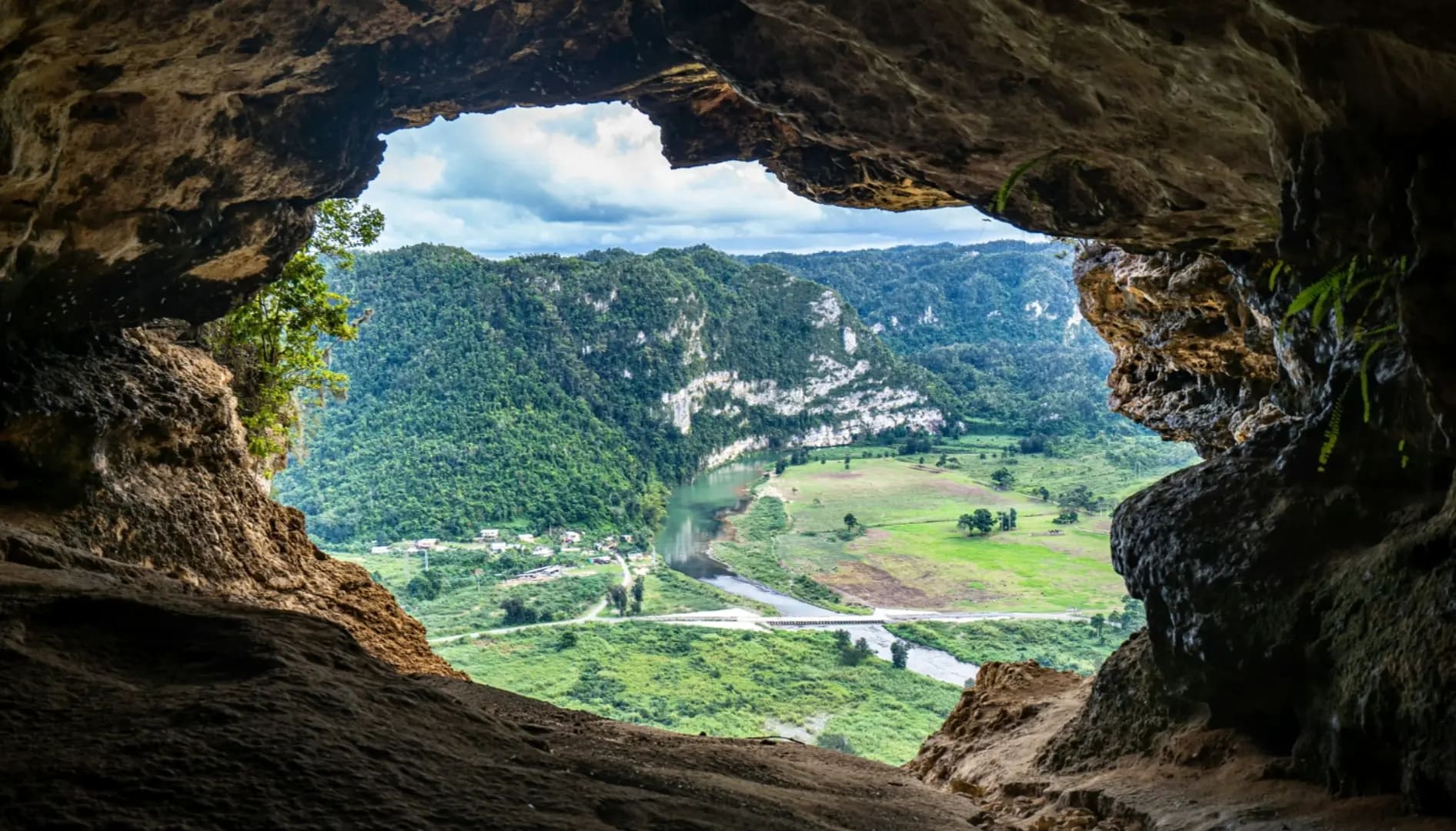
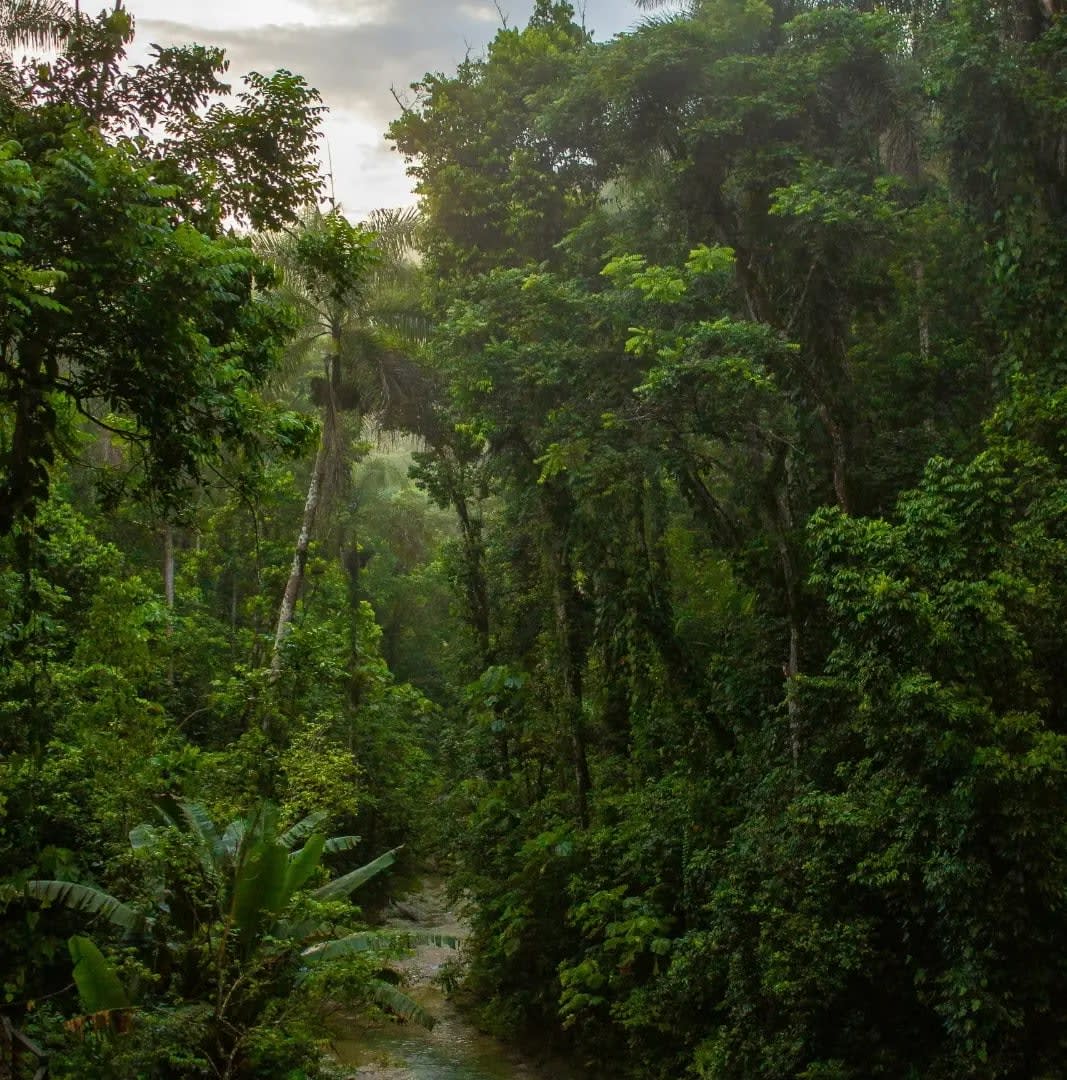
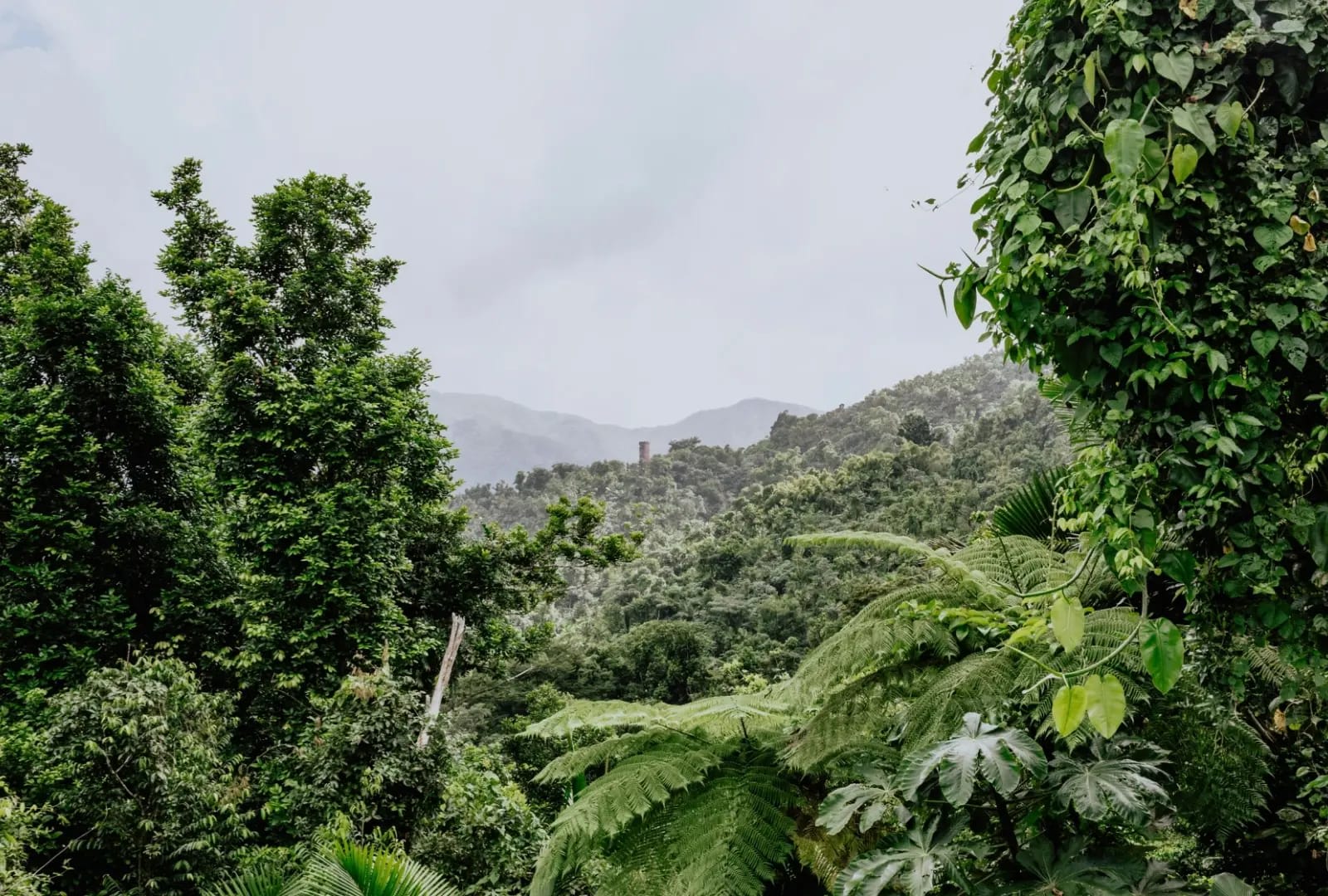
El Yunque National Forest, located in northeastern Puerto Rico, is the only tropical rainforest in the United States National Forest System. Covering approximately 28,000 acres, El Yunque is renowned for its lush vegetation, diverse wildlife, and stunning waterfalls. This rainforest is a sanctuary of biodiversity, housing hundreds of plant and animal species, many of which are found nowhere else on Earth. Visitors to El Yunque are captivated by its natural beauty, from the dense canopy overhead to the rushing streams below, making it a must-visit destination for nature enthusiasts and adventure seekers alike. This guide provides an in-depth exploration of El Yunque's geography, history, activities, travel tips, conservation efforts, and more to help you make the most of your visit to this enchanting rainforest.
🌍 Geography and Ecosystem
- El Yunque'ecosystem is divided into four main forest types: the Tabonuco Forest at lower elevations, the Palo Colorado Forest at mid-elevations, the Sierra Palm Forest on steep slopes, and the Dwarf Forest at the highest elevations. Each forest type hosts a unique set of flora and fauna adapted to its specific conditions.
- The forest is home to over 240 tree species, 23 of which are found only in El Yunque. Common species include the tabonuco, yagrumo, and Sierra palm trees. The forest floor is covered in a rich tapestry of ferns, mosses, and wildflowers, creating a vibrant and dynamic ecosystem.
- El Yunque is also a haven for wildlife, including 16 species of lizards, 11 species of bats, and a variety of amphibians and insects. The forest is particularly famous for its birdlife, with 97 bird species recorded, including the endangered Puerto Rican parrot (Amazona vittata), one of the world's most critically endangered birds.
📜 History and Cultural Significance
🏃 Activities and Attractions
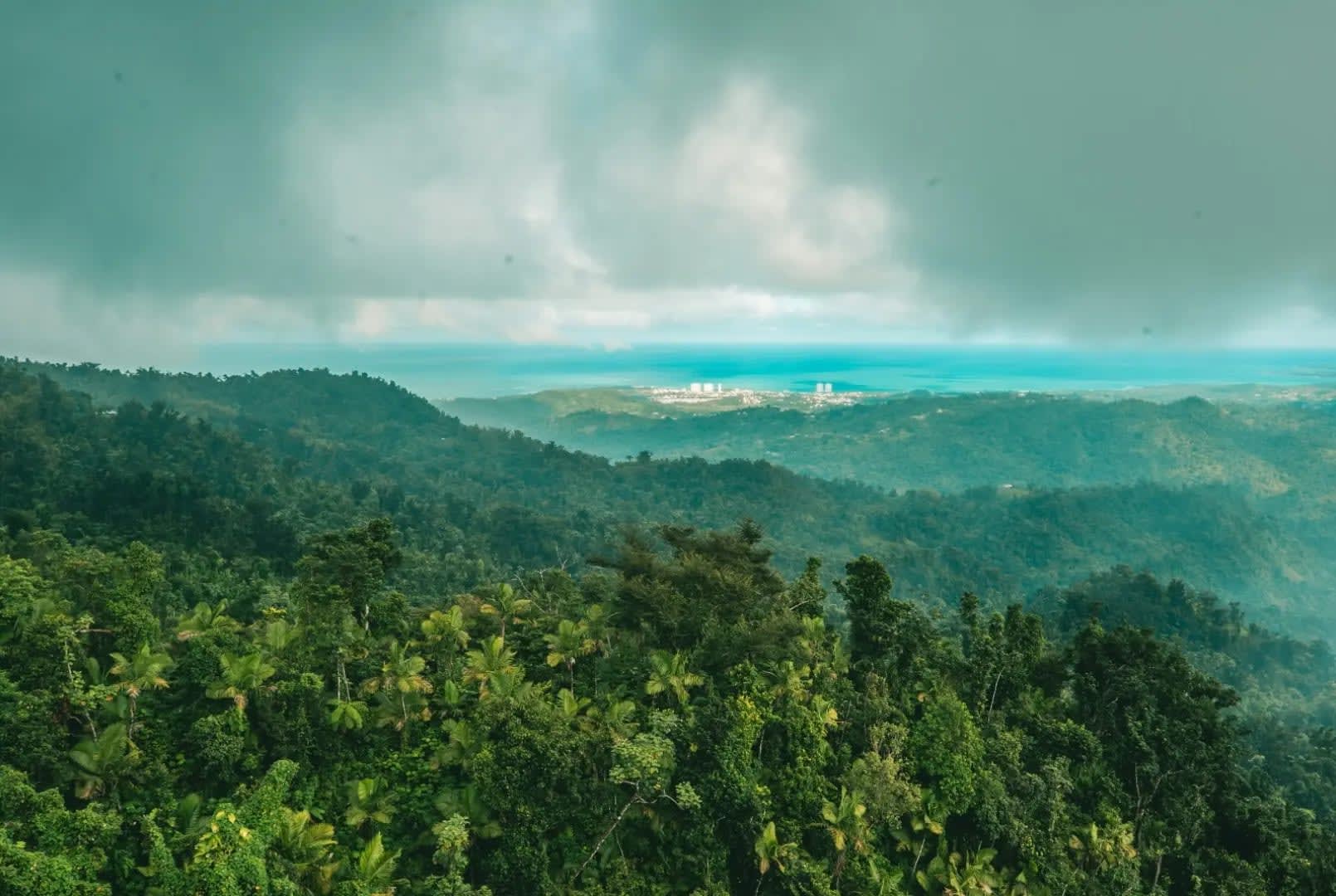
- Hiking: El Yunque is home to over 24 miles of well-maintained trails that cater to all levels of hiking experience. Popular trails include the El Yunque Trail, which leads to the summit of El Yunque Peak, offering panoramic views of the forest and the Atlantic Ocean, and the La Mina Trail, which winds through the lush rainforest to the stunning La Mina Falls.
- Waterfalls and Swimming: The forest is dotted with beautiful waterfalls and natural swimming holes, providing refreshing spots to cool off after a hike. La Mina Falls and Juan Diego Creek are popular destinations for swimming and picnicking, with their clear, cool waters surrounded by verdant foliage.
- Birdwatching and Wildlife Viewing: El Yunque's diverse habitats make it a prime location for birdwatching and wildlife viewing. Bird enthusiasts can spot a variety of species, including the Puerto Rican tody, the Puerto Rican woodpecker, and, with some luck, the elusive Puerto Rican parrot. The forest's trails also provide opportunities to observe other wildlife, such as lizards, frogs, and butterflies.
- Scenic Drives and Picnicking: For those who prefer a more leisurely experience, the forest offers several scenic drives with breathtaking views of the rainforest and surrounding mountains. There are also numerous picnic areas where visitors can enjoy a meal surrounded by the sounds and sights of the forest.
💡 Travel Tips
Best Time to Visit: El Yunque can be visited year-round, but the best time to visit is during the dry season from December to April, when the weather is more predictable, and the trails are less muddy. Early mornings are also a great time to explore the forest, as the weather is cooler and wildlife is more active.
Getting There: El Yunque is easily accessible by car from San Juan, with the main entrance located off Route 191. There is no public transportation directly to the forest, so renting a car or joining a guided tour is recommended.
What to Bring: Visitors should wear comfortable, moisture-wicking clothing and sturdy, closed-toe shoes suitable for hiking. It's also important to bring plenty of water, snacks, insect repellent, and sunscreen, as well as a rain jacket or poncho, as the forest is prone to sudden rain showers.
Respect the Environment: To help protect El Yunque's delicate ecosystem, visitors should stay on marked trails, dispose of trash properly, and avoid disturbing wildlife. It’s also important to be mindful of noise levels, as loud noises can disrupt the natural environment and scare away wildlife.