Mosquito Bay
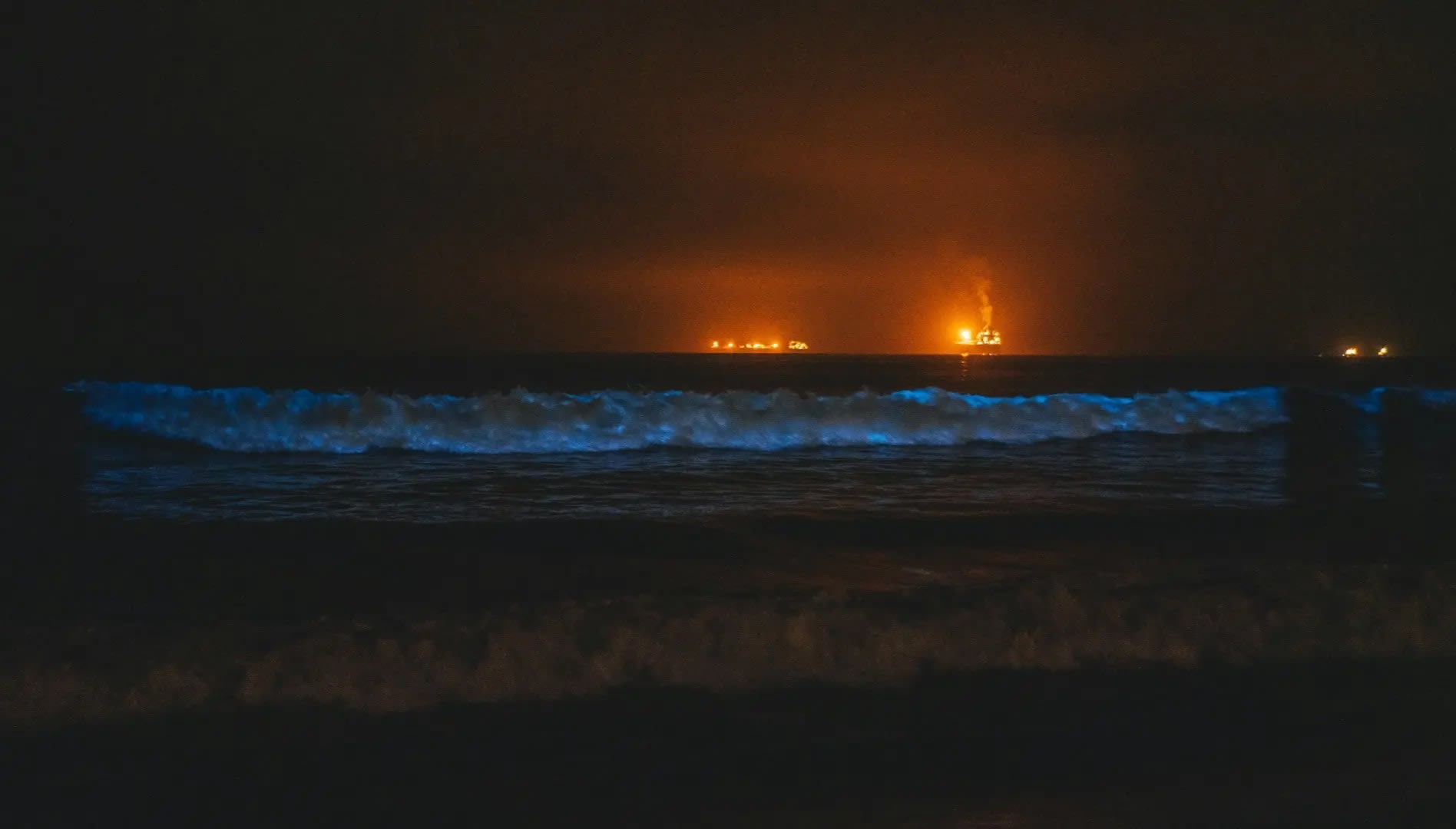
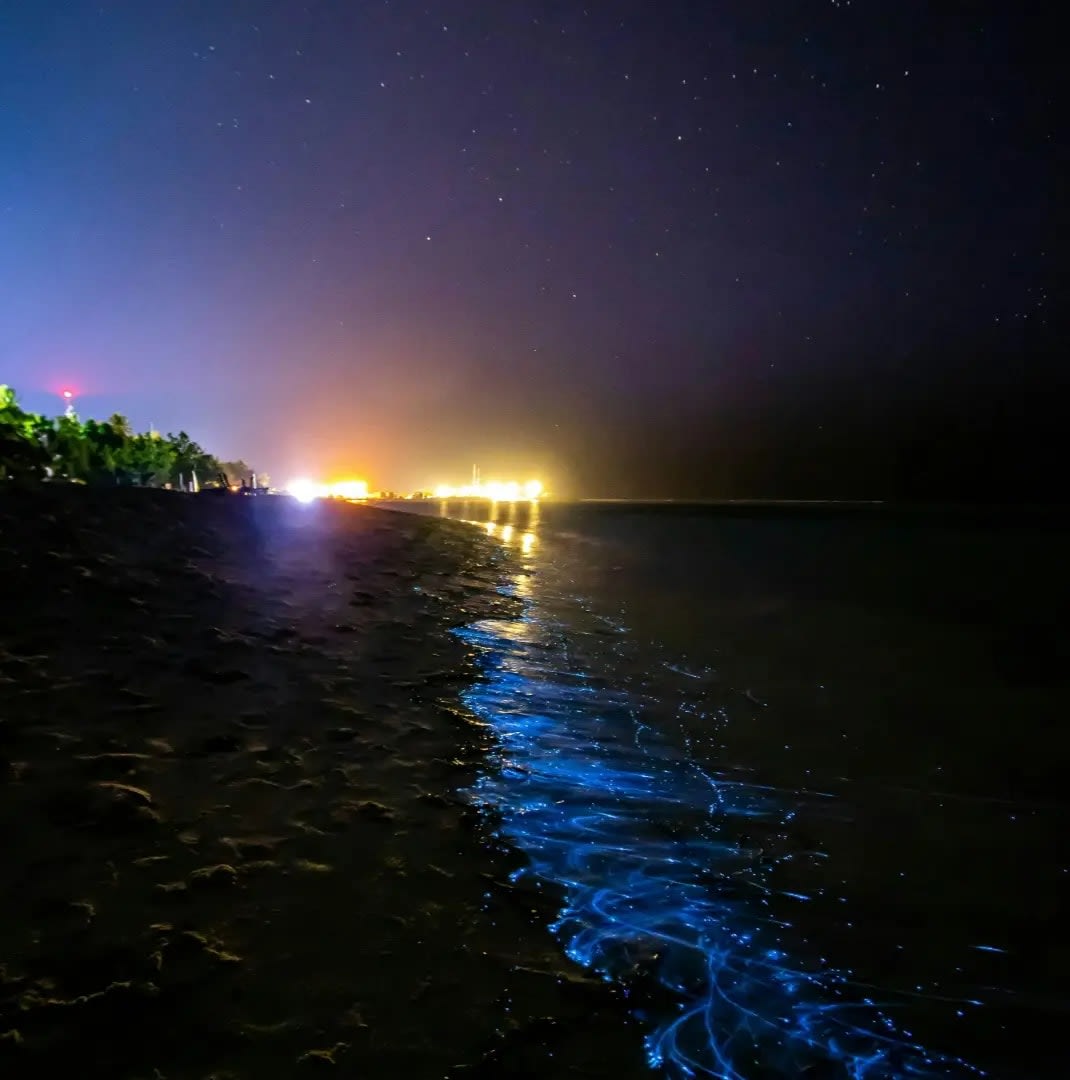
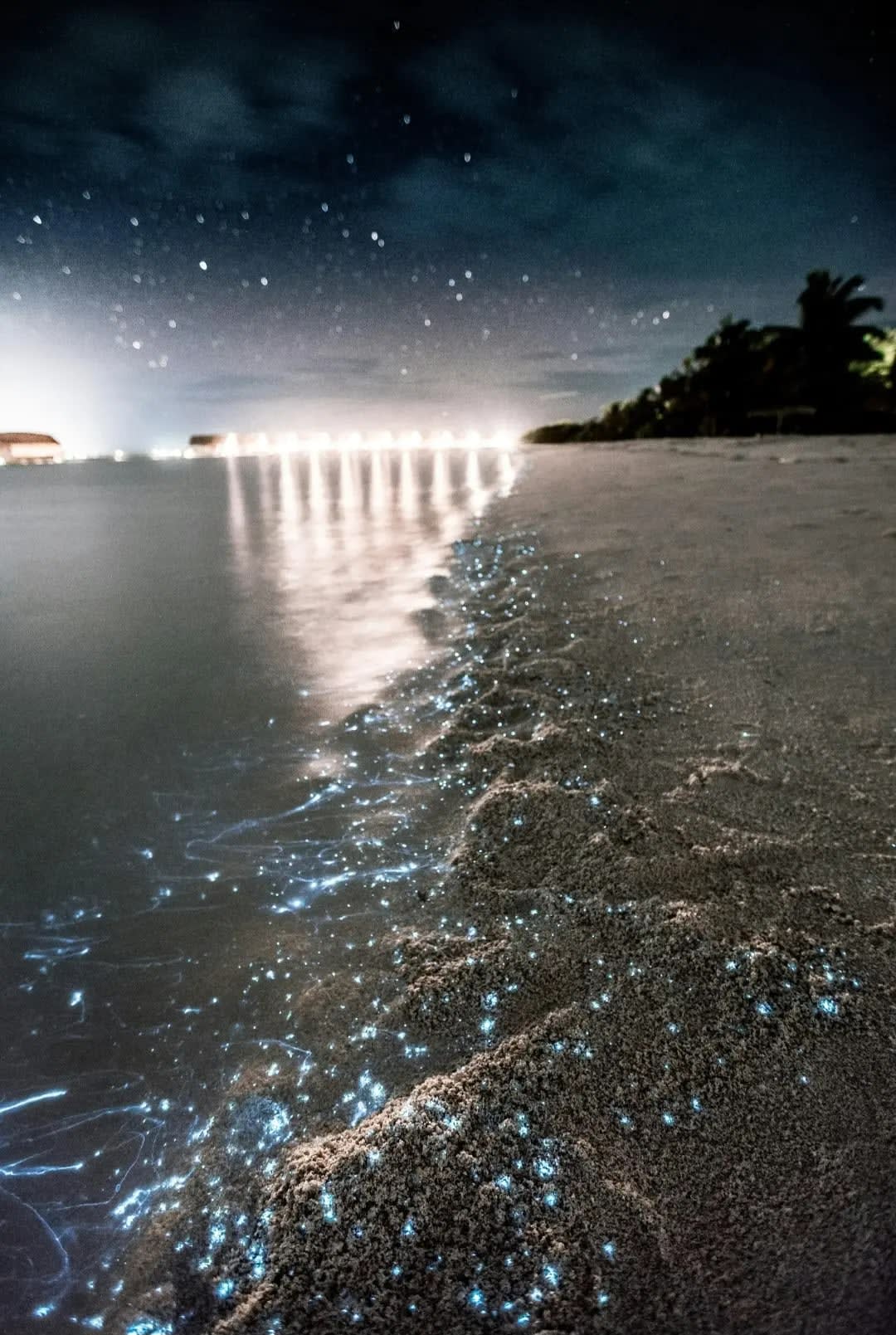
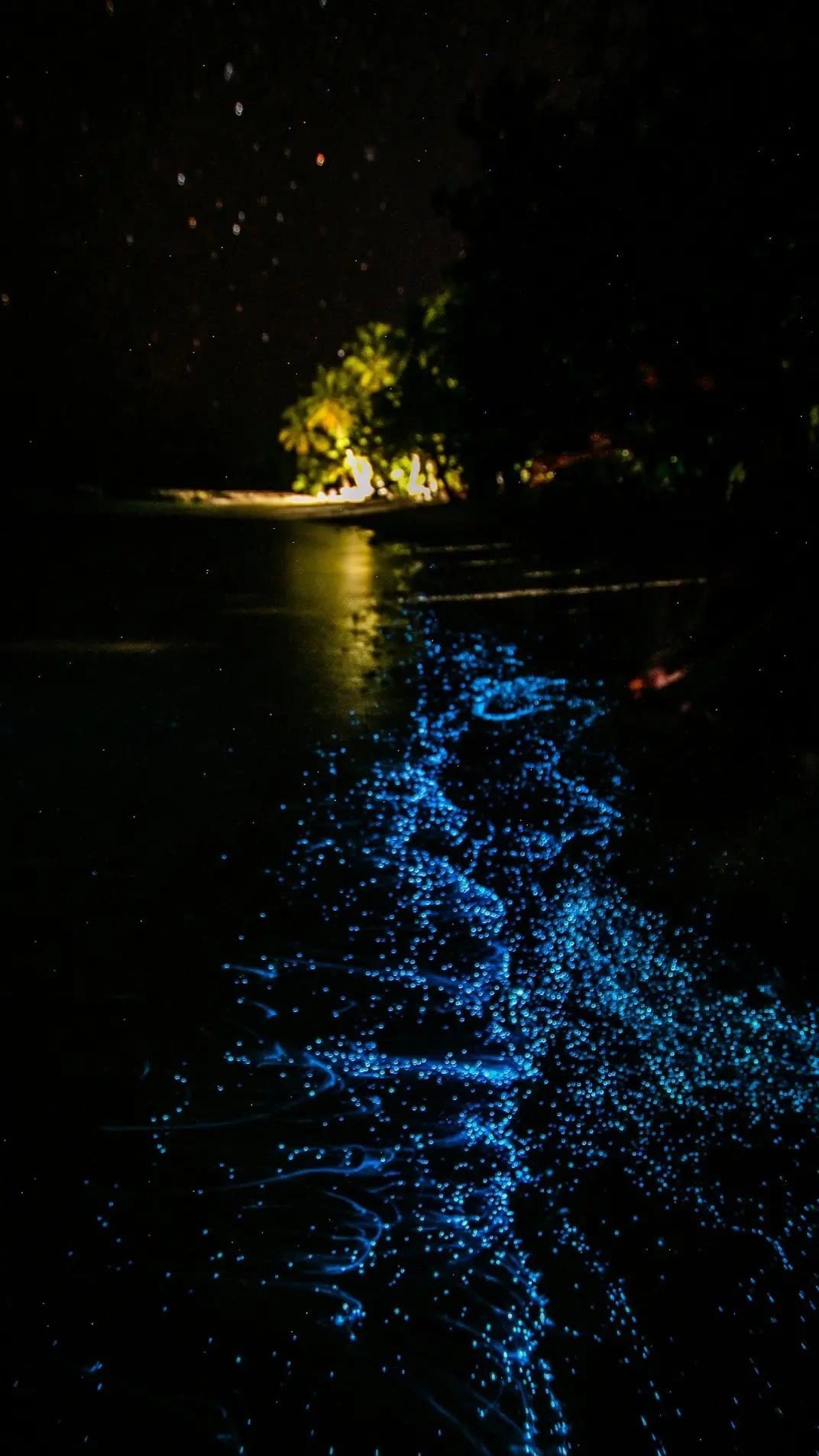
Mosquito Bay, located on the southern shore of Vieques, Puerto Rico, is renowned as the brightest bioluminescent bay in the world. This natural phenomenon, where the water glows a brilliant blue when disturbed, is caused by the presence of millions of tiny organisms known as dinoflagellates. Mosquito Bay is a captivating destination that offers a unique experience for visitors, combining natural beauty with a sense of wonder and awe. From kayaking under the stars to learning about the delicate ecosystem that supports this glowing bay, Mosquito Bay provides an unforgettable experience that captures the essence of Puerto Rico’s natural splendor.
🌍 Geography and Ecosystem
Mosquito Bay is situated on the island of Vieques, which lies approximately 8 miles east of the main island of Puerto Rico. The bay itself is relatively small, spanning about 167 acres, but it is uniquely shaped like a lagoon, with a narrow entrance that limits the flow of water in and out. This restricted water flow, combined with the warm, shallow waters, creates an ideal environment for the growth of Pyrodinium bahamense, the dinoflagellates responsible for the bay's bioluminescence.
- The waters of Mosquito Bay are home to an exceptionally high concentration of dinoflagellates, with estimates ranging from 1 to 2 million organisms per gallon of water. These microorganisms emit light as a defense mechanism, producing a bright blue-green glow when they are agitated by movement in the water.
- The surrounding mangrove forests play a crucial role in maintaining the health of Mosquito Bay’s ecosystem. The roots of these mangroves provide shelter and nutrients for a variety of marine life and help filter the water, maintaining its clarity and nutrient balance, which is essential for sustaining the dinoflagellates.
- The bay is also home to a variety of other marine species, including small fish, crabs, and sea turtles. The interconnectedness of these species with the bioluminescent organisms makes Mosquito Bay a unique and delicate ecosystem that relies on a balance of environmental factors to thrive.
📜 History and Cultural Significance
The phenomenon of bioluminescence in Mosquito Bay has been known to the local Taíno people for centuries, who regarded it as a sacred and mystical site. The Taíno believed that the glowing waters were inhabited by the spirits of their ancestors and gods, and the bay was often used for spiritual ceremonies and rituals. During the colonial era, Spanish settlers initially feared the glowing waters, attributing the phenomenon to witchcraft or malevolent forces. However, as scientific understanding of bioluminescence developed, Mosquito Bay became a site of fascination and curiosity. In modern times, Mosquito Bay has become a popular tourist destination, drawing visitors from around the world to witness its breathtaking natural light show. The bay has also become a symbol of Vieques' unique natural heritage and a point of pride for the local community.
🏃 Activities and Attractions
Mosquito Bay offers a variety of activities for visitors, providing opportunities to experience its bioluminescence and explore the surrounding natural beauty of Vieques. Whether you're looking for adventure or a more relaxed experience, there are plenty of options to choose from.
- Kayaking Tours: One of the most popular ways to experience Mosquito Bay is through a guided kayaking tour. These tours typically take place in the evening, allowing visitors to paddle through the glowing waters as they witness the bioluminescence up close. Guides provide information about the ecosystem, the science behind the bioluminescence, and the best techniques for creating a bright glow in the water.
- Boat Tours: For those who prefer not to kayak, boat tours are another excellent option for experiencing Mosquito Bay. These tours offer a more relaxed way to enjoy the bioluminescence, with knowledgeable guides who share insights into the bay’s unique environment and history.
- Night Swimming: Some tours also offer the opportunity to swim in the bioluminescent waters, although this activity is more limited to ensure the preservation of the delicate ecosystem. Swimming in the glowing water is a surreal experience, with the light shimmering around you as you move.
- Stargazing: Due to its location away from major urban centers, Vieques offers some of the best stargazing opportunities in Puerto Rico. After experiencing the bioluminescence, many visitors enjoy lying back and taking in the clear night skies, often free of light pollution, providing a view of the stars that is just as magical as the glowing waters below.
💡 Travel Tips
To make the most of your visit to Mosquito Bay, consider the following travel tips:
Best Time to Visit: The best time to visit Mosquito Bay is during the new moon phase when the sky is darkest, allowing the bioluminescence to shine the brightest. Additionally, the dry season from December to April provides clearer skies and more predictable weather, making it ideal for night tours.
Getting There: Mosquito Bay is located on the island of Vieques, which is accessible by ferry from the main island of Puerto Rico or by a small plane from San Juan or Ceiba. Once on Vieques, local taxis or rental vehicles can take you to the bay.
What to Bring: Visitors should bring comfortable, lightweight clothing, mosquito repellent, and a waterproof bag for personal items. It’s also a good idea to bring a reusable water bottle and snacks, as there are limited facilities near the bay.
Responsible Tourism: To help protect the delicate ecosystem of Mosquito Bay, visitors should avoid using sunscreen or insect repellent that contains harmful chemicals, as these can negatively impact the dinoflagellates and other marine life. It’s also important to follow the guidelines provided by tour operators, such as not swimming if it is not permitted and refraining from littering.
Best Time to Visit: The best time to visit Mosquito Bay is during the new moon phase when the sky is darkest, allowing the bioluminescence to shine the brightest. Additionally, the dry season from December to April provides clearer skies and more predictable weather, making it ideal for night tours.
Getting There: Mosquito Bay is located on the island of Vieques, which is accessible by ferry from the main island of Puerto Rico or by a small plane from San Juan or Ceiba. Once on Vieques, local taxis or rental vehicles can take you to the bay.
What to Bring: Visitors should bring comfortable, lightweight clothing, mosquito repellent, and a waterproof bag for personal items. It’s also a good idea to bring a reusable water bottle and snacks, as there are limited facilities near the bay.
Responsible Tourism: To help protect the delicate ecosystem of Mosquito Bay, visitors should avoid using sunscreen or insect repellent that contains harmful chemicals, as these can negatively impact the dinoflagellates and other marine life. It’s also important to follow the guidelines provided by tour operators, such as not swimming if it is not permitted and refraining from littering.
🌱 Conservation
Conservation efforts are crucial to preserving the unique environment of Mosquito Bay and ensuring that its bioluminescence continues to thrive. Several organizations and local initiatives are dedicated to protecting the bay’s ecosystem and promoting sustainable tourism practices. The Vieques Conservation and Historical Trust plays a leading role in these efforts, conducting research on the bay’s bioluminescence, advocating for environmental protection policies, and educating the public about the importance of conservation. The bay is protected by Puerto Rican law, and activities that could harm its delicate ecosystem, such as excessive motorboat traffic, pollution, and overdevelopment, are strictly regulated. Visitors are encouraged to participate in conservation efforts by choosing eco-friendly tour operators, following guidelines to minimize environmental impact, and supporting local conservation initiatives. By working together, we can help preserve Mosquito Bay for future generations to enjoy.
✨ Conclusion
Mosquito Bay, with its enchanting bioluminescence, rich history, and diverse ecosystem, is a must-visit destination for anyone traveling to Puerto Rico. Whether you’re paddling through the glowing waters, learning about the bay’s unique marine life, or simply soaking in the natural beauty of Vieques, Mosquito Bay offers an experience that is both educational and awe-inspiring. As conservation efforts continue to protect this delicate ecosystem, visitors have the opportunity to witness one of the world’s most remarkable natural phenomena while contributing to its preservation. A visit to Mosquito Bay is not just a journey into the natural world, but a reminder of the beauty and wonder that our planet has to offer.