
Playa Flamenco
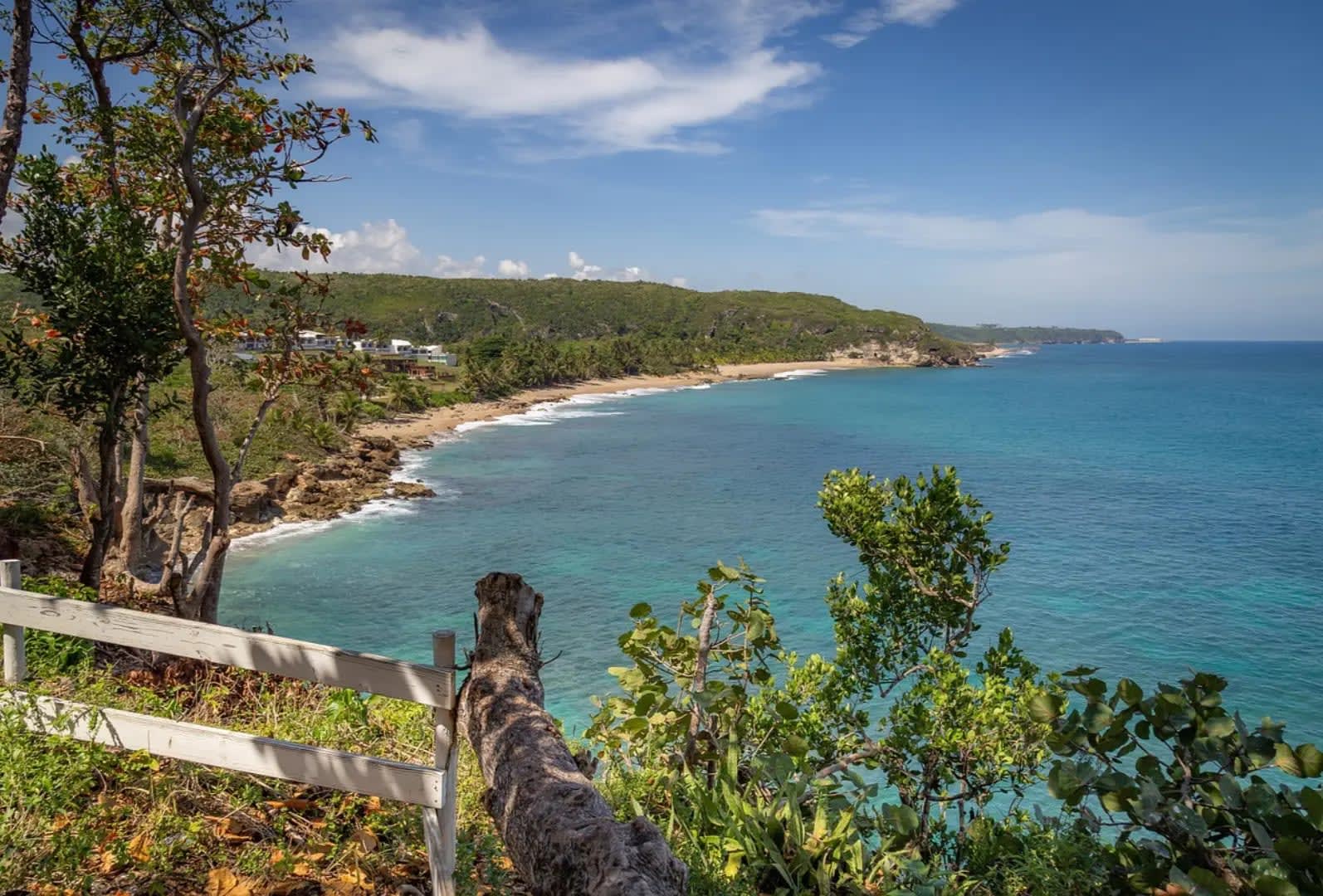
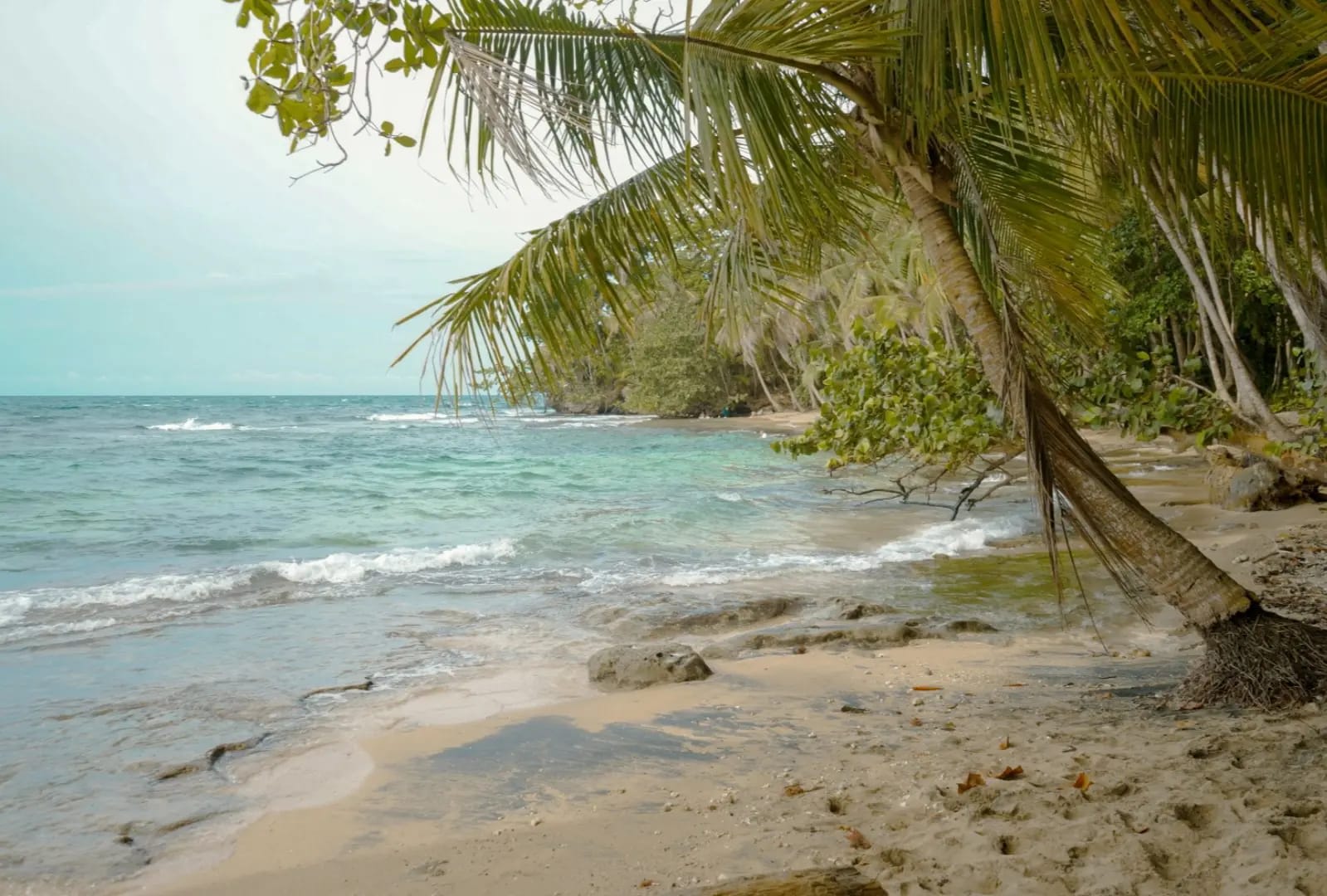
Playa Flamenco, located on the island of Culebra off the east coast of Puerto Rico, is widely regarded as one of the most beautiful beaches in the world. With its pristine white sands, crystal-clear turquoise waters, and stunning coral reefs, Playa Flamenco offers a quintessential Caribbean beach experience. The beach is a crescent-shaped bay protected by the surrounding hills, providing calm waters ideal for swimming, snorkeling, and relaxing. This guide offers an in-depth look at Playa Flamenco’s geography, history, activities, travel tips, conservation efforts, visitor testimonials, and a conclusion to help you plan an unforgettable visit to this tropical paradise.
🌍 Geography and Ecosystem
Playa Flamenco is situated on the north coast of Culebra, a small island approximately 20 miles east of the Puerto Rican mainland and part of the Spanish Virgin Islands. The beach stretches for about 1.5 miles along a sheltered bay, with a wide expanse of fine, white sand and shallow, gentle waters. This unique geography makes Playa Flamenco ideal for a range of water activities, while the surrounding hills and vegetation provide a picturesque backdrop.
- The clear, shallow waters of Playa Flamenco are home to vibrant coral reefs that support a diverse array of marine life, including tropical fish, sea turtles, and rays. These reefs are easily accessible from the shore, making snorkeling a popular activity for visitors.
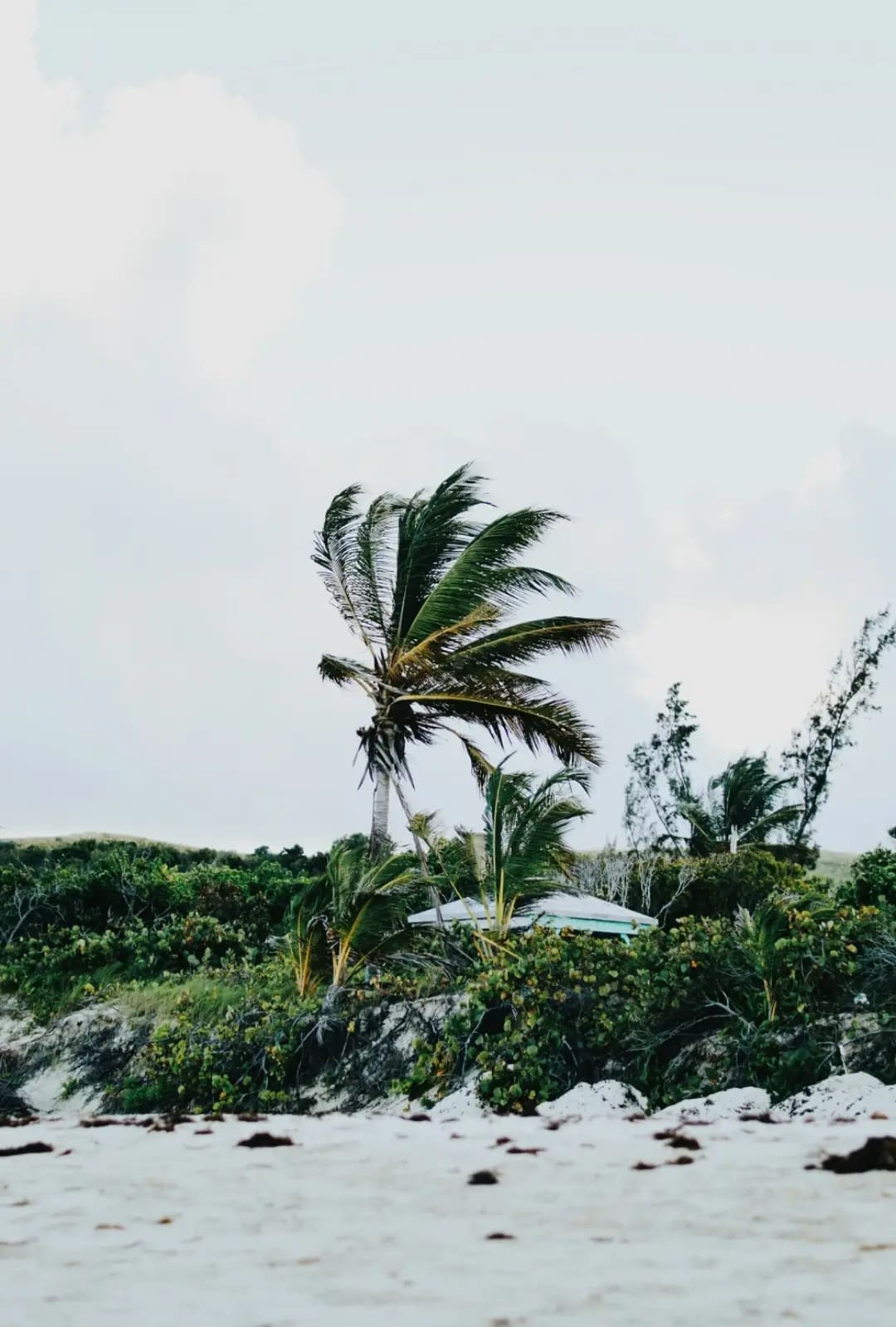
- The beach is bordered by coastal dunes and tropical vegetation, including sea grape trees, coconut palms, and mangroves, which provide shade and contribute to the beach's natural beauty and ecological diversity.
- Playa Flamenco's calm and warm waters, protected by the natural curvature of the bay, create ideal conditions for swimming and wading, making it a favorite spot for families and beachgoers of all ages.
📜 History and Cultural Significance
Playa Flamenco has a rich history that reflects the broader history of Culebra and Puerto Rico. The island of Culebra was originally inhabited by the Taíno people, who called the island 'Isla Pasaje' and used it as a stopover between Puerto Rico and the Virgin Islands. In the late 19th century, Culebra was settled by Spanish colonists, and by the early 20th century, the U.S. Navy used the island, including Playa Flamenco, for military exercises. This military presence continued until 1975, when protests by local residents and environmental activists led to the cessation of military activities and the return of the land to civilian control. Today, remnants of this period can still be seen at Playa Flamenco, including two rusting military tanks that have become iconic landmarks of the beach. These tanks have been painted with colorful graffiti by local artists, serving as a reminder of the island's history and a unique attraction for visitors. Since the departure of the Navy, Playa Flamenco has been transformed into a popular tourist destination, celebrated for its natural beauty and tranquility.
🏃 Activities and Attractions
Playa Flamenco offers a variety of activities for visitors, ranging from relaxing on the beach to exploring the underwater world of the coral reefs. Whether you're looking for adventure or a peaceful day in the sun, Playa Flamenco has something to offer everyone.
- Snorkeling: The clear, shallow waters and vibrant coral reefs of Playa Flamenco make it an excellent spot for snorkeling. Visitors can easily access the reefs from the shore and observe a variety of marine life, including colorful fish, sea turtles, and rays. Snorkeling gear can be rented from vendors on the beach, and guided tours are also available for those who want a more in-depth experience.
- Swimming and Sunbathing: Playa Flamenco's calm waters and soft, white sands provide the perfect setting for swimming and sunbathing. The beach is spacious and rarely crowded, allowing visitors to find their own spot to relax and soak up the sun. The gentle slope of the shore makes it safe for children and inexperienced swimmers to enjoy the water.
- Camping: For those who want to experience Playa Flamenco's natural beauty overnight, camping is permitted at designated areas along the beach. The campsite offers basic amenities, including bathrooms, showers, and picnic tables, providing a rustic yet comfortable option for beachgoers who want to extend their stay. Camping permits can be obtained from the Culebra Department of Natural and Environmental Resources (DNER) office.
- Exploring the Tanks: The two rusted military tanks on Playa Flamenco have become popular attractions for visitors. These relics from the U.S. Navy's presence on the island have been covered in graffiti over the years and now serve as unique pieces of art against the backdrop of the beach. Visitors can climb on the tanks, take photos, and learn about the island's military history.
💡 Travel Tips
To make the most of your visit to Playa Flamenco, consider the following travel tips:
Best Time to Visit: The best time to visit Playa Flamenco is during the dry season, which runs from December to April. During this time, the weather is typically sunny and warm, with minimal rainfall. Weekdays are generally less crowded than weekends, especially during the peak tourist season.
Getting There: Playa Flamenco is located on the island of Culebra, which can be reached by ferry from Ceiba or by small plane from San Juan or Ceiba. The beach is about a 10-minute drive from Culebra’s ferry terminal and airport, and taxis or rental vehicles are available for transportation.
What to Bring: Visitors should bring sunscreen, hats, sunglasses, and plenty of water to stay hydrated in the tropical sun. If you plan to snorkel, consider bringing your own gear, although rentals are available on-site. Pack snacks or a picnic, as there are limited food options at the beach.
Respect the Environment: To help protect Playa Flamenco's natural beauty, visitors should dispose of trash properly, avoid disturbing wildlife, and refrain from stepping on coral reefs while snorkeling. Use reef-safe sunscreen to minimize harm to marine life, and follow all posted guidelines and regulations to preserve the beach for future generations.
Best Time to Visit: The best time to visit Playa Flamenco is during the dry season, which runs from December to April. During this time, the weather is typically sunny and warm, with minimal rainfall. Weekdays are generally less crowded than weekends, especially during the peak tourist season.
Getting There: Playa Flamenco is located on the island of Culebra, which can be reached by ferry from Ceiba or by small plane from San Juan or Ceiba. The beach is about a 10-minute drive from Culebra’s ferry terminal and airport, and taxis or rental vehicles are available for transportation.
What to Bring: Visitors should bring sunscreen, hats, sunglasses, and plenty of water to stay hydrated in the tropical sun. If you plan to snorkel, consider bringing your own gear, although rentals are available on-site. Pack snacks or a picnic, as there are limited food options at the beach.
Respect the Environment: To help protect Playa Flamenco's natural beauty, visitors should dispose of trash properly, avoid disturbing wildlife, and refrain from stepping on coral reefs while snorkeling. Use reef-safe sunscreen to minimize harm to marine life, and follow all posted guidelines and regulations to preserve the beach for future generations.
🌱 Conservation
Conservation efforts are vital to preserving the natural beauty and ecological integrity of Playa Flamenco. The beach and its surrounding areas are managed by the Puerto Rico Department of Natural and Environmental Resources (DNER), which works to protect the island's coastal environments and promote sustainable tourism practices. Efforts to conserve Playa Flamenco focus on maintaining the cleanliness of the beach, protecting the coral reefs, and minimizing the impact of human activities on the local ecosystem. Visitors are encouraged to follow Leave No Trace principles, such as packing out all trash, using designated paths to prevent erosion, and avoiding the use of single-use plastics. Additionally, community organizations and volunteers regularly participate in beach cleanups and conservation projects to ensure Playa Flamenco remains a pristine destination for future visitors. These efforts help protect the beach's unique environment and contribute to the overall health of the island's coastal ecosystems.
✨ Conclusion
Playa Flamenco, with its stunning natural beauty, rich history, and diverse activities, is a must-visit destination for anyone traveling to Puerto Rico. Whether you're snorkeling among vibrant coral reefs, relaxing on the soft white sands, or exploring the unique remnants of the island's military past, Playa Flamenco offers a unique and unforgettable experience. As conservation efforts continue to protect this beautiful beach, visitors have the opportunity to enjoy a pristine natural environment while contributing to its preservation. A visit to Playa Flamenco is not just a day at the beach, but a chance to experience the best of Puerto Rico's natural wonders and cultural heritage.