
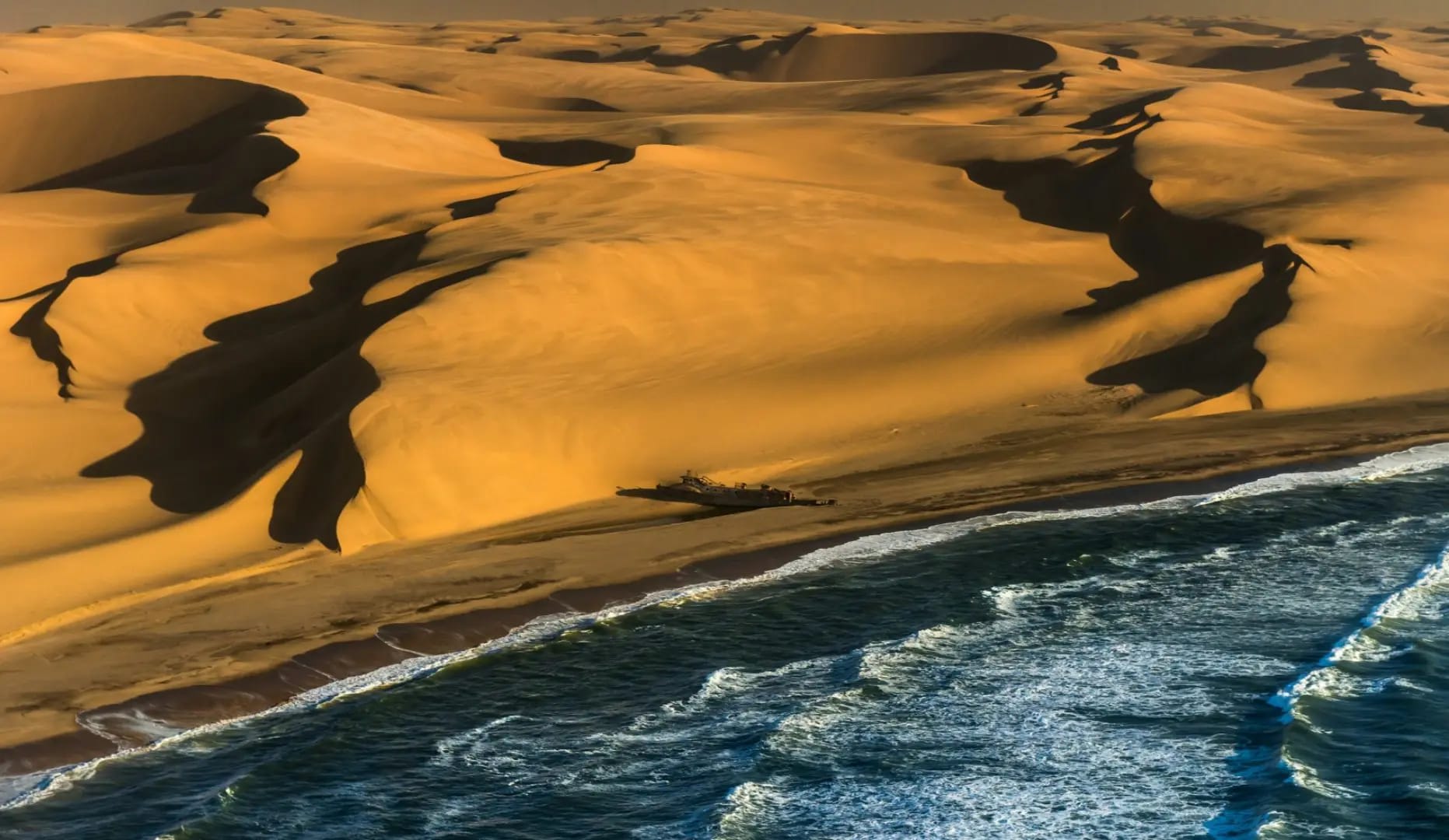
Skeleton Coast
Skeleton Coast, located along Namibia’s northwestern coastline, is one of the most fascinating and mysterious regions in Africa. Named for the shipwrecks and whale bones scattered across its shores, this remote area combines stark beauty with a sense of haunting desolation. Known for its towering dunes, foggy mornings, and abundant wildlife, the Skeleton Coast offers a truly unique experience for adventurers and nature lovers alike.
🌍 Geography and Natural Features
The Skeleton Coast stretches for approximately 500 kilometers along Namibia’s Atlantic Ocean, from the Kunene River in the north to the Ugab River in the south. Its rugged landscapes are shaped by powerful ocean currents, harsh winds, and dense coastal fog, creating a dramatic and otherworldly environment.
- Shipwrecks : The Skeleton Coast is famous for its shipwrecks, remnants of vessels stranded by treacherous waters and thick fog, with notable examples like the Eduard Bohlen and Zeila.
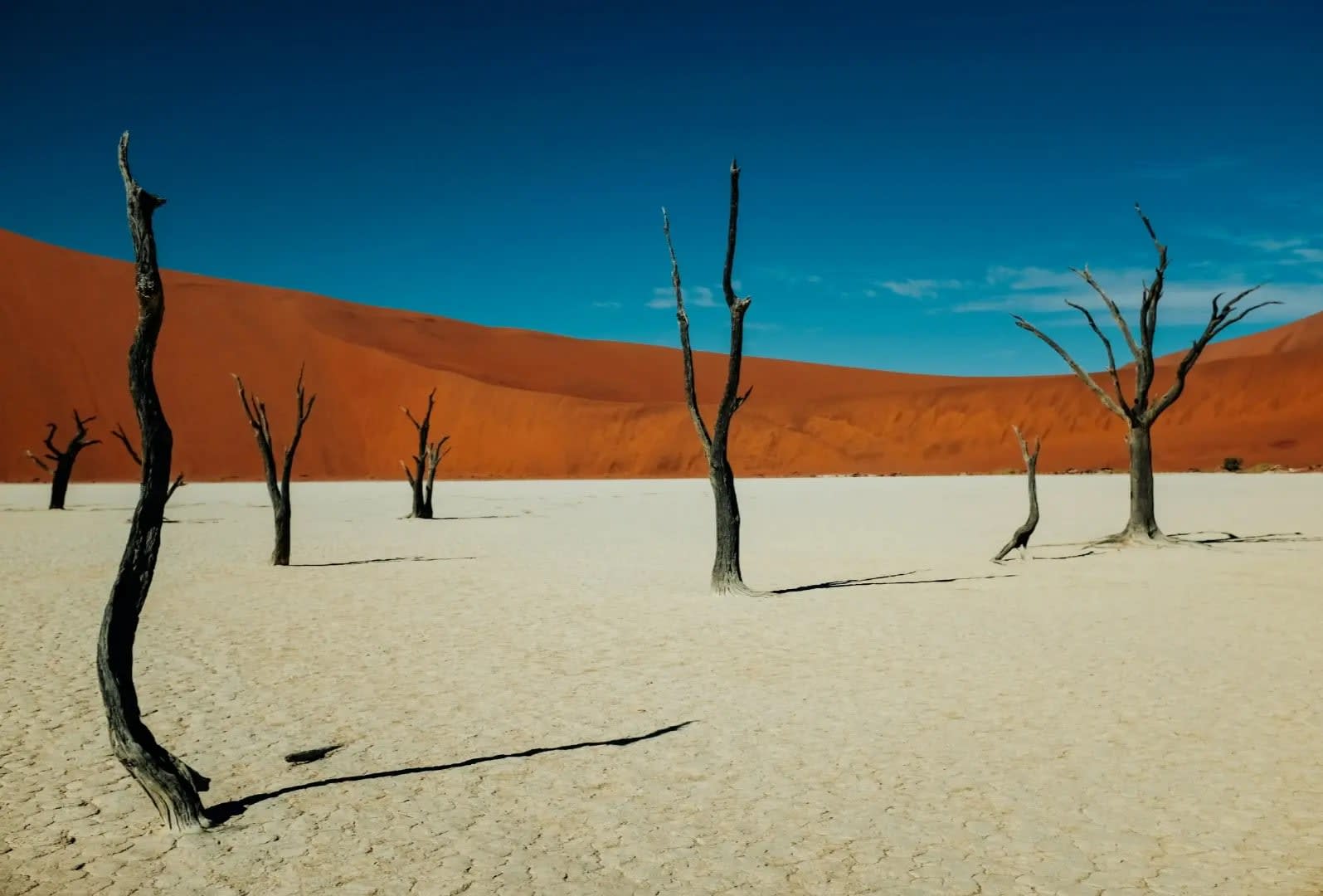
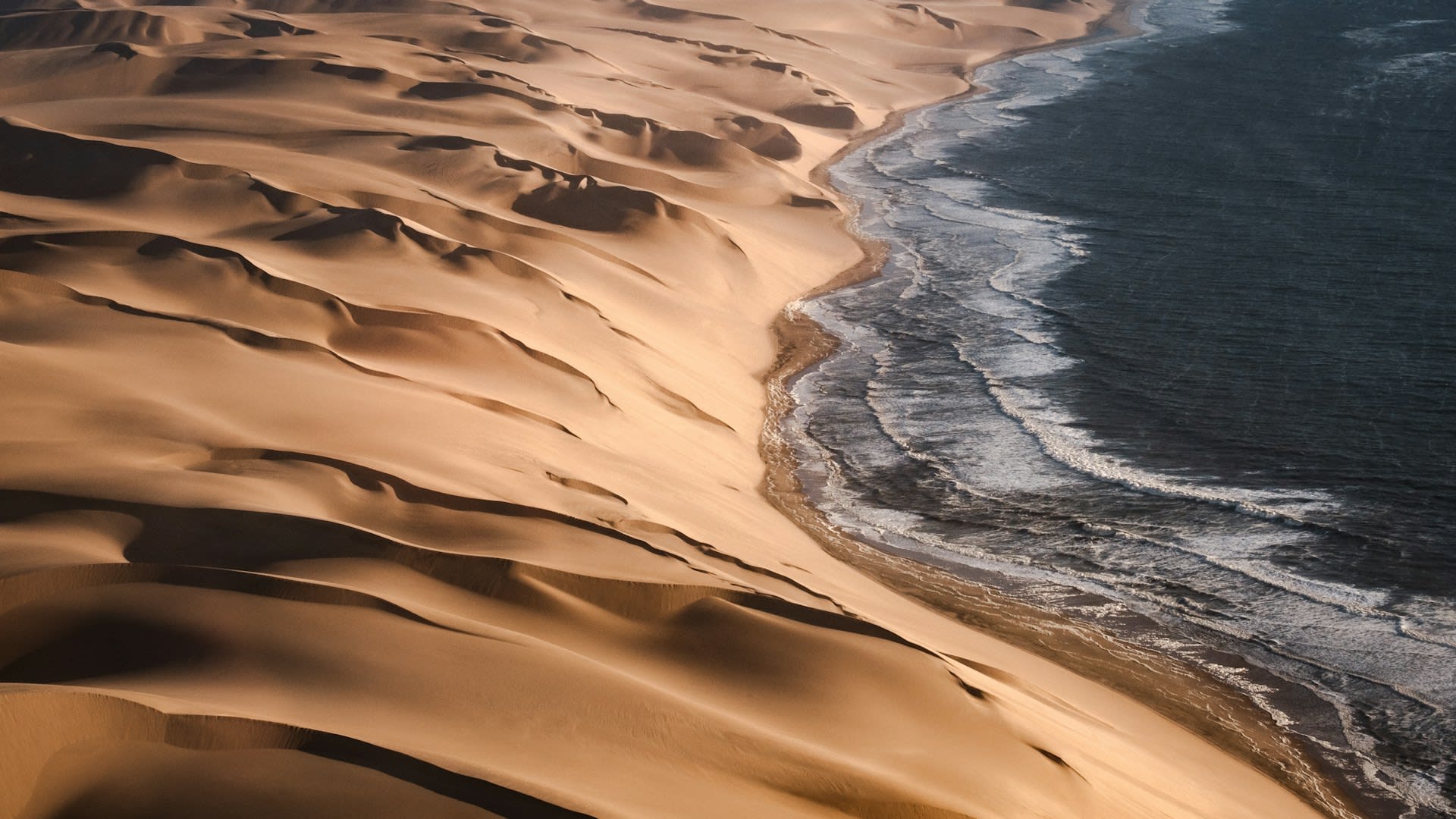
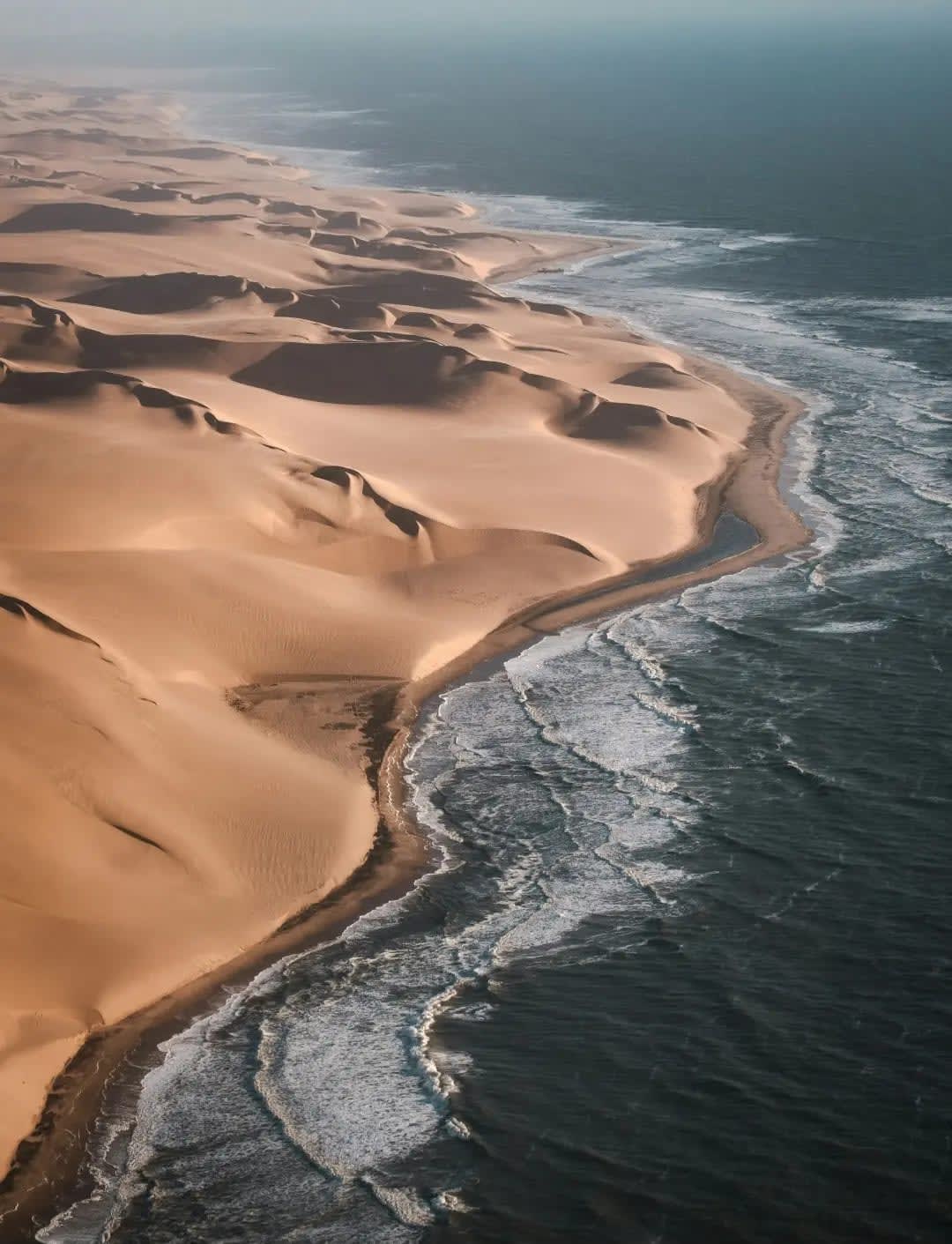
- Namib Desert Dunes : The coastline merges with the Namib Desert, creating stunning dunes that shift and stretch into the horizon.
- Seal Colonies : Cape Cross is home to one of the world’s largest Cape fur seal colonies, offering an incredible wildlife spectacle.
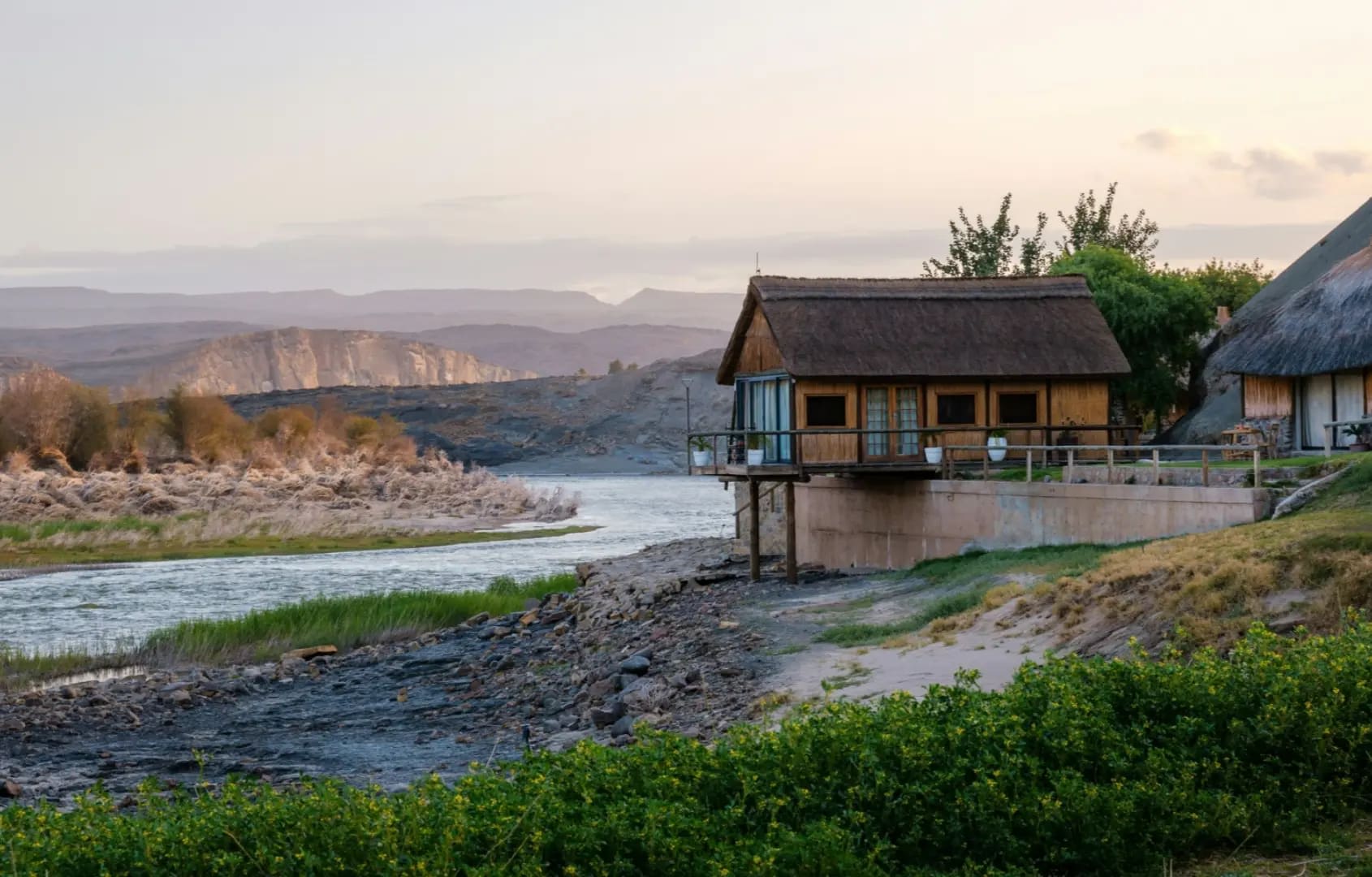
- Kunene River : The river forms a natural border between Angola and Namibia, featuring lush greenery amidst the arid landscape.
- Fog Desert : Morning fog provides crucial moisture for desert-adapted plants and animals, supporting life in this seemingly inhospitable environment.
📜 History and Cultural Significance
The Skeleton Coast has a long and intriguing history, steeped in both natural and human narratives. Its name originates from the skeletons of whales and seals left by early whaling expeditions, as well as the many shipwrecks caused by the region’s perilous conditions.
For indigenous Himba communities, the Skeleton Coast holds spiritual significance, and their traditional way of life is deeply connected to the harsh environment. European sailors in the 19th century dreaded the area, referring to it as ‘The Gates of Hell’ due to its reputation as a graveyard for ships.
Today, the Skeleton Coast stands as a testament to human resilience and nature’s raw power, attracting travelers seeking to explore its haunting beauty and historical intrigue.
For indigenous Himba communities, the Skeleton Coast holds spiritual significance, and their traditional way of life is deeply connected to the harsh environment. European sailors in the 19th century dreaded the area, referring to it as ‘The Gates of Hell’ due to its reputation as a graveyard for ships.
Today, the Skeleton Coast stands as a testament to human resilience and nature’s raw power, attracting travelers seeking to explore its haunting beauty and historical intrigue.
🏃 Activities and Attractions
Skeleton Coast offers a variety of unique experiences that showcase its rugged beauty and fascinating history.
- Exploring Shipwrecks : Visit famous wrecks like the Eduard Bohlen, stranded in the desert sands, and learn about the coast’s maritime history.
- Wildlife Viewing : Spot desert-adapted elephants, lions, and brown hyenas, as well as large colonies of Cape fur seals at Cape Cross.
- 4x4 Adventures : Traverse the challenging terrain of the Skeleton Coast on guided off-road tours.
- Photography : Capture breathtaking landscapes, from windswept dunes to eerie shipwrecks and dramatic coastal vistas.
- Scenic Flights : Take to the skies for a bird’s-eye view of the Skeleton Coast’s vast, surreal beauty.
💡 Travel Tips
To enjoy a safe and memorable visit to the Skeleton Coast, consider these practical tips :
1. Travel with a Guide : The Skeleton Coast is remote and challenging to navigate, so it’s best to join a guided tour or hire a local expert.
2. Pack for Harsh Conditions : Bring layers for varying temperatures, sunscreen, a hat, and plenty of water to stay comfortable in the harsh environment.
3. Choose the Right Time : The best time to visit is from May to September when temperatures are cooler, and conditions are more favorable for exploration.
4. Respect Wildlife : Maintain a safe distance from animals and avoid disturbing their natural behaviors.
5. Prepare for Limited Facilities : The area is remote, so plan for limited access to amenities and carry essentials for your journey.
1. Travel with a Guide : The Skeleton Coast is remote and challenging to navigate, so it’s best to join a guided tour or hire a local expert.
2. Pack for Harsh Conditions : Bring layers for varying temperatures, sunscreen, a hat, and plenty of water to stay comfortable in the harsh environment.
3. Choose the Right Time : The best time to visit is from May to September when temperatures are cooler, and conditions are more favorable for exploration.
4. Respect Wildlife : Maintain a safe distance from animals and avoid disturbing their natural behaviors.
5. Prepare for Limited Facilities : The area is remote, so plan for limited access to amenities and carry essentials for your journey.
🌱 Conservation Efforts
The Skeleton Coast is a fragile ecosystem protected within the Skeleton Coast National Park. Conservation efforts focus on preserving its unique landscapes, wildlife, and cultural heritage.
Measures include monitoring wildlife populations, managing human impact, and promoting sustainable tourism. The park’s strict entry regulations ensure minimal disturbance to the environment, and collaborative projects with local communities support conservation and provide economic benefits.
Visitors can contribute by following park guidelines, supporting eco-friendly tourism initiatives, and learning about the challenges of preserving this extraordinary region.
Measures include monitoring wildlife populations, managing human impact, and promoting sustainable tourism. The park’s strict entry regulations ensure minimal disturbance to the environment, and collaborative projects with local communities support conservation and provide economic benefits.
Visitors can contribute by following park guidelines, supporting eco-friendly tourism initiatives, and learning about the challenges of preserving this extraordinary region.
✨ Conclusion
Skeleton Coast is a place of unparalleled beauty and mystique, where the power of nature is on full display. Its stark landscapes, fascinating history, and unique wildlife make it a must-visit destination for those seeking adventure and solitude.
Whether you’re exploring shipwrecks, marveling at the coastal fog, or witnessing desert-adapted wildlife, the Skeleton Coast offers an experience unlike any other. By visiting responsibly, you help ensure that this enigmatic region remains a sanctuary for generations to come.
Whether you’re exploring shipwrecks, marveling at the coastal fog, or witnessing desert-adapted wildlife, the Skeleton Coast offers an experience unlike any other. By visiting responsibly, you help ensure that this enigmatic region remains a sanctuary for generations to come.