
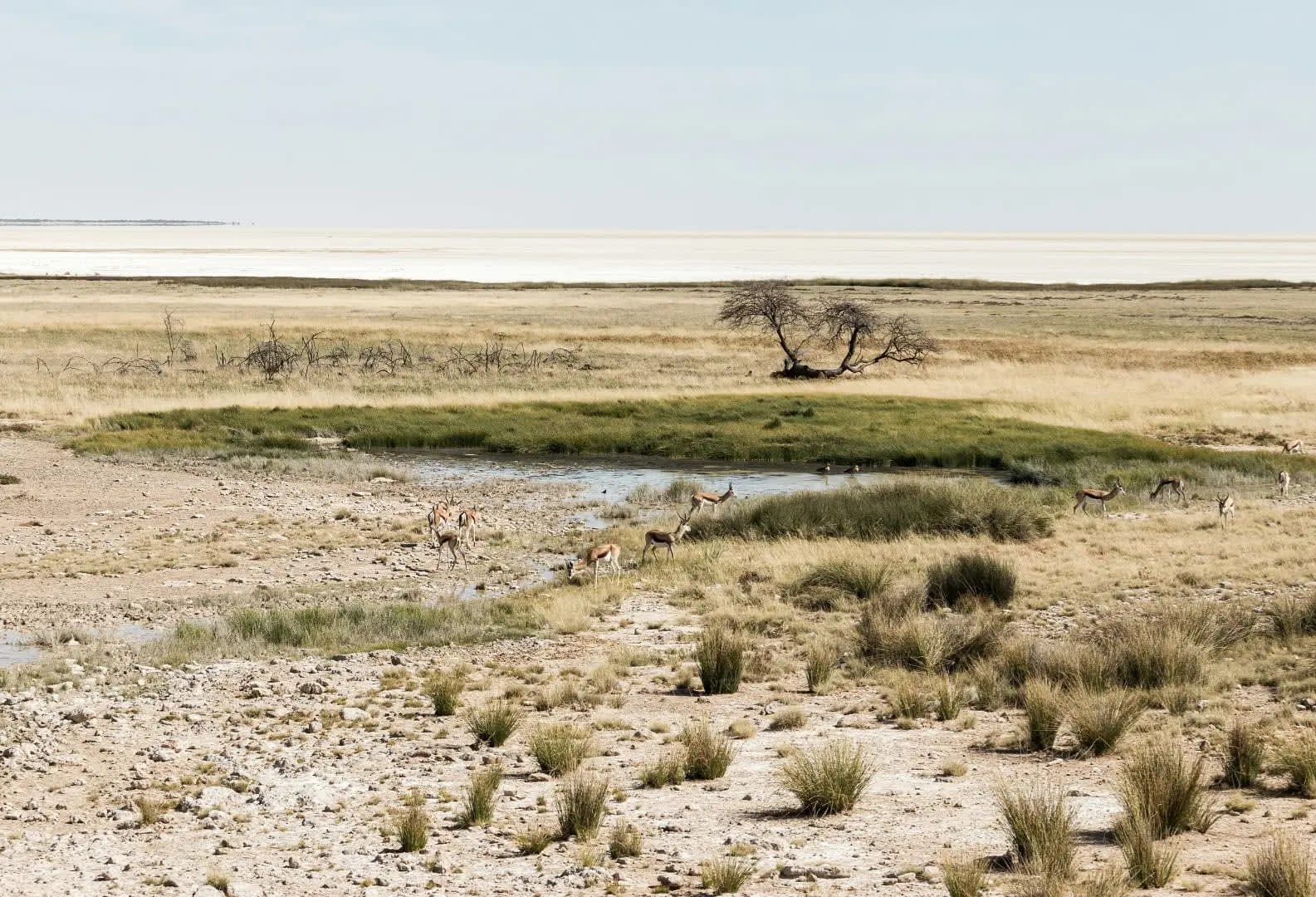

Etosha National Park
Etosha National Park, located in northern Namibia, is one of Africa’s most iconic wildlife reserves. Known for its vast salt pans, diverse ecosystems, and abundant wildlife, Etosha offers unparalleled opportunities for safari enthusiasts. The park is home to the famous Etosha Pan, a sprawling salt flat visible from space, as well as a range of habitats that support over 100 mammal species and 300 bird species. Whether you’re seeking thrilling game drives, birdwatching adventures, or breathtaking landscapes, Etosha National Park promises an unforgettable experience.
🌍 Geography and Natural Features
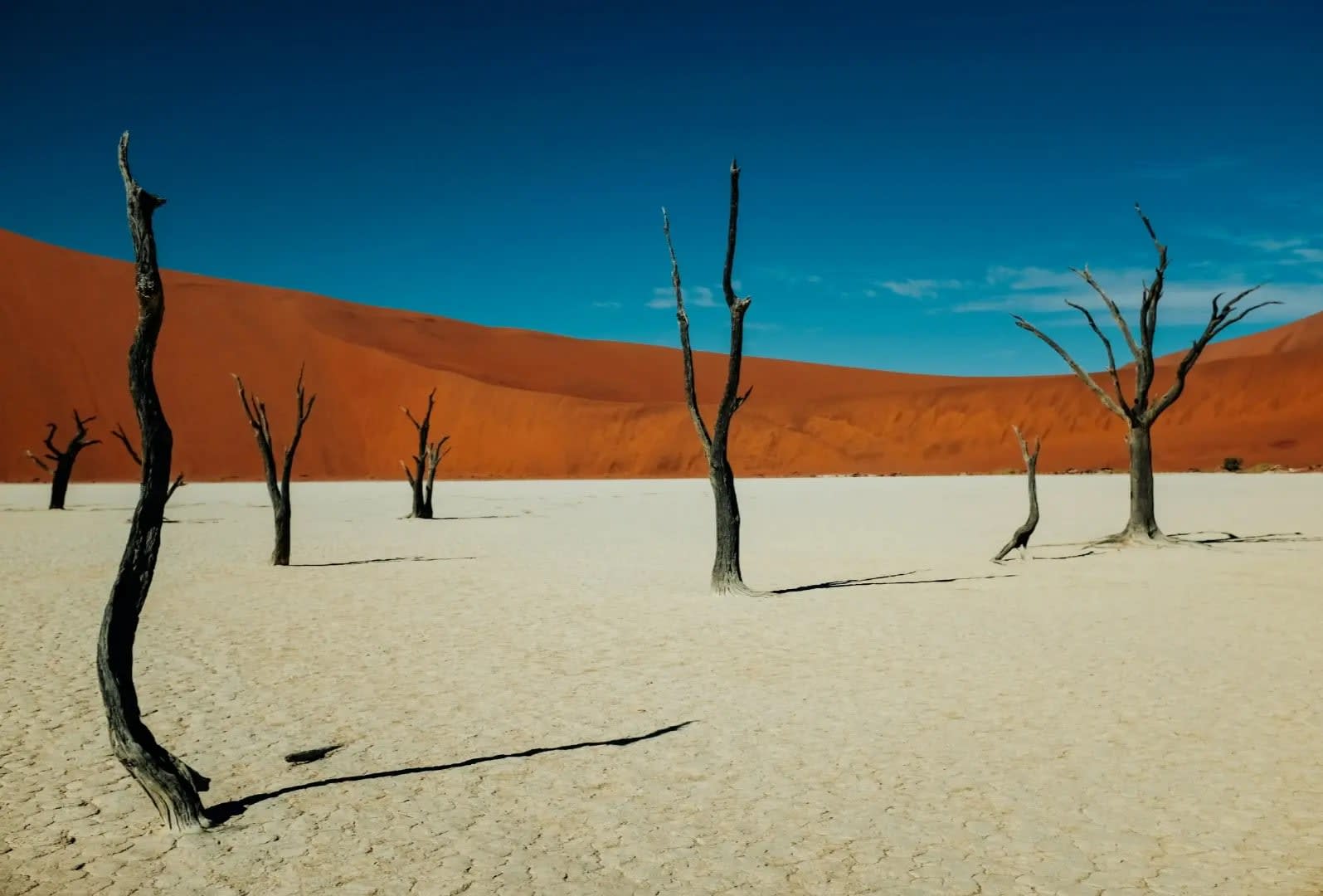
Etosha National Park spans approximately 22,935 square kilometers, making it one of the largest protected areas in Africa. Its name, ‘Etosha,’ means ‘great white place’ in the Ovambo language, reflecting the park’s defining feature—the massive Etosha Pan.
- Etosha Pan : A vast, flat salt pan covering about 4,800 square kilometers, it fills with water during the rainy season, attracting flamingos and other waterbirds.
- Waterholes : Permanent and seasonal waterholes scattered throughout the park serve as vital lifelines for wildlife, offering excellent game-viewing opportunities.
- Vegetation Zones : From mopane woodlands to grassy plains, the park’s diverse vegetation supports a variety of ecosystems.
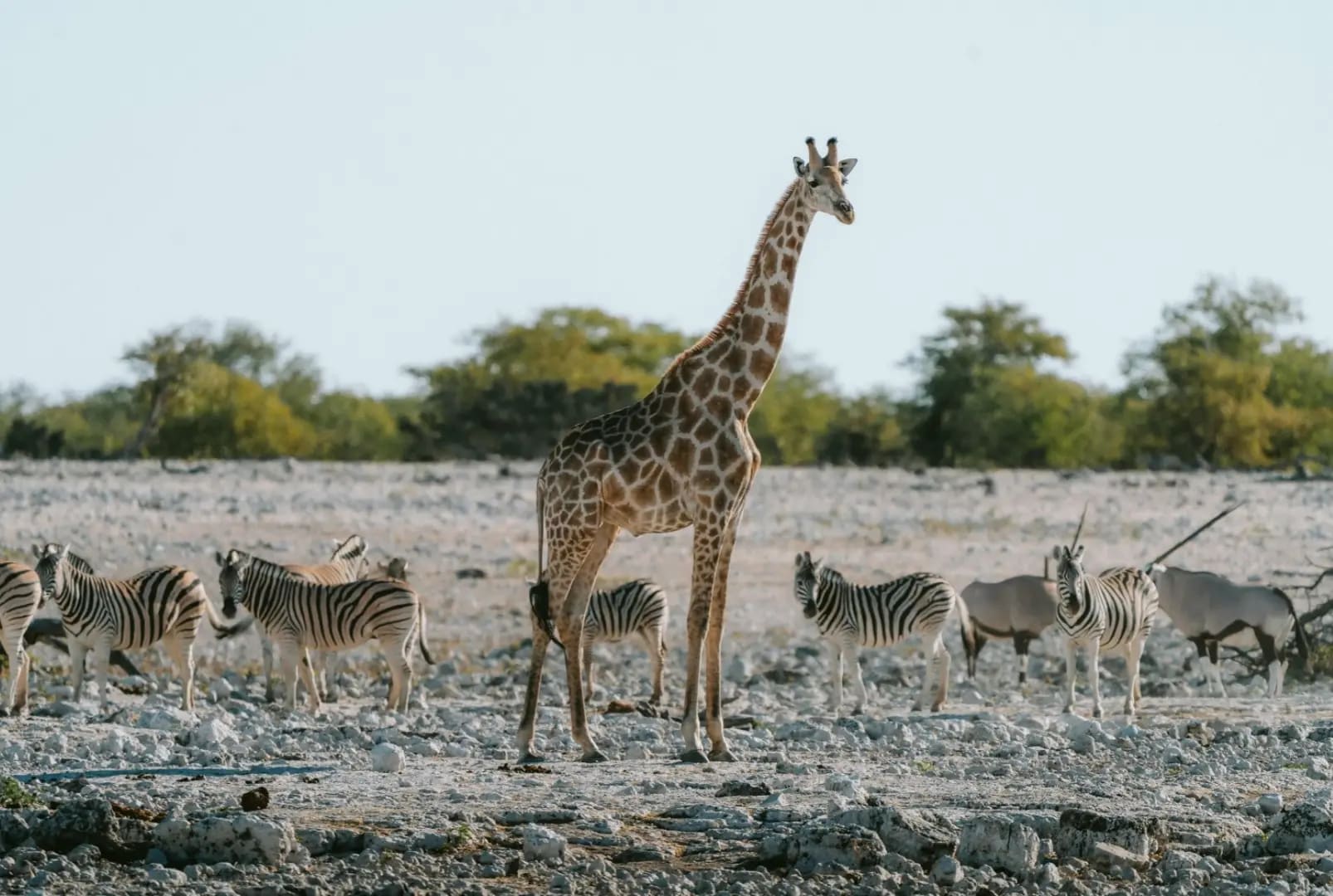
- Andoni Plains : Located in the northern part of the park, these grasslands are a key grazing area for herbivores like zebras and springbok.
- Halali and Okaukuejo Areas : These regions are renowned for their waterholes and are prime spots for observing big game like elephants, lions, and rhinos.
📜 History and Cultural Significance
Etosha National Park has a rich history that combines ecological conservation and cultural heritage. The area was originally inhabited by the Ovambo, Herero, and Himba peoples, who lived in harmony with the region’s wildlife.
In 1907, during German colonial rule, the park was declared a game reserve to protect dwindling wildlife populations. Initially, it covered an enormous 100,000 square kilometers, but subsequent boundary reductions left it at its current size.
Etosha’s cultural significance is also tied to its folklore. Local communities regard the Etosha Pan as a sacred site, and it features prominently in traditional stories and beliefs. Today, the park remains a symbol of Namibia’s commitment to preserving its natural and cultural heritage.
In 1907, during German colonial rule, the park was declared a game reserve to protect dwindling wildlife populations. Initially, it covered an enormous 100,000 square kilometers, but subsequent boundary reductions left it at its current size.
Etosha’s cultural significance is also tied to its folklore. Local communities regard the Etosha Pan as a sacred site, and it features prominently in traditional stories and beliefs. Today, the park remains a symbol of Namibia’s commitment to preserving its natural and cultural heritage.
🏃 Activities and Attractions
Etosha National Park offers a wide array of activities and attractions, making it a must-visit destination for nature lovers and adventure seekers alike.
- Game Drives : Explore the park’s diverse landscapes and encounter iconic African wildlife, including elephants, lions, giraffes, and rhinos.
- Waterhole Viewing : Spend time at waterholes like Okaukuejo, Halali, and Nebrowni, where animals gather to drink and interact.
- Birdwatching : Spot over 300 bird species, including flamingos, eagles, and lilac-breasted rollers, especially during the rainy season.
- Photography : Capture the stunning contrasts of the Etosha Pan, the golden savannas, and the vibrant wildlife.
- Night Drives : Experience the park’s nocturnal wonders, including elusive predators and unique behaviors under the stars.
💡 Travel Tips
To make the most of your visit to Etosha National Park, consider these practical travel tips :
Plan Your Visit Seasonally : The dry season (May to October) offers the best wildlife viewing as animals congregate at waterholes, while the rainy season (November to April) is ideal for birdwatching.
Book Accommodations Early : Popular campsites and lodges like Okaukuejo, Halali, and Namutoni fill up quickly, especially during peak season.
Drive Safely : Stick to designated roads and maintain a respectful distance from wildlife.
Pack Essentials : Bring binoculars, sunscreen, a hat, and plenty of water to ensure comfort during long days in the park.
Follow Park Rules : Respect the environment, do not feed animals, and always stay in your vehicle during game drives.
Plan Your Visit Seasonally : The dry season (May to October) offers the best wildlife viewing as animals congregate at waterholes, while the rainy season (November to April) is ideal for birdwatching.
Book Accommodations Early : Popular campsites and lodges like Okaukuejo, Halali, and Namutoni fill up quickly, especially during peak season.
Drive Safely : Stick to designated roads and maintain a respectful distance from wildlife.
Pack Essentials : Bring binoculars, sunscreen, a hat, and plenty of water to ensure comfort during long days in the park.
Follow Park Rules : Respect the environment, do not feed animals, and always stay in your vehicle during game drives.
🌱 Conservation Efforts
Conservation is at the heart of Etosha National Park. The park plays a crucial role in protecting Namibia’s biodiversity and serves as a safe haven for endangered species such as the black rhinoceros and cheetah.
Efforts include anti-poaching patrols, habitat restoration, and scientific research to monitor wildlife populations and ecosystem health. Etosha is also part of transboundary conservation initiatives, connecting it with other protected areas to facilitate wildlife migration.
Tourism revenue contributes significantly to these efforts, and visitors can support by choosing eco-friendly accommodations, following park guidelines, and spreading awareness about conservation.
Efforts include anti-poaching patrols, habitat restoration, and scientific research to monitor wildlife populations and ecosystem health. Etosha is also part of transboundary conservation initiatives, connecting it with other protected areas to facilitate wildlife migration.
Tourism revenue contributes significantly to these efforts, and visitors can support by choosing eco-friendly accommodations, following park guidelines, and spreading awareness about conservation.
✨ Conclusion
Etosha National Park is a testament to the beauty and resilience of Namibia’s natural world. Its vast landscapes, iconic wildlife, and cultural significance make it a destination that captivates all who visit.
Whether you’re embarking on a game drive, marveling at the Etosha Pan, or simply soaking in the tranquility of the savanna, Etosha promises unforgettable moments. By visiting responsibly, you contribute to the preservation of this incredible park, ensuring that it remains a haven for wildlife and a source of inspiration for generations to come.
Whether you’re embarking on a game drive, marveling at the Etosha Pan, or simply soaking in the tranquility of the savanna, Etosha promises unforgettable moments. By visiting responsibly, you contribute to the preservation of this incredible park, ensuring that it remains a haven for wildlife and a source of inspiration for generations to come.