Fish River Canyon
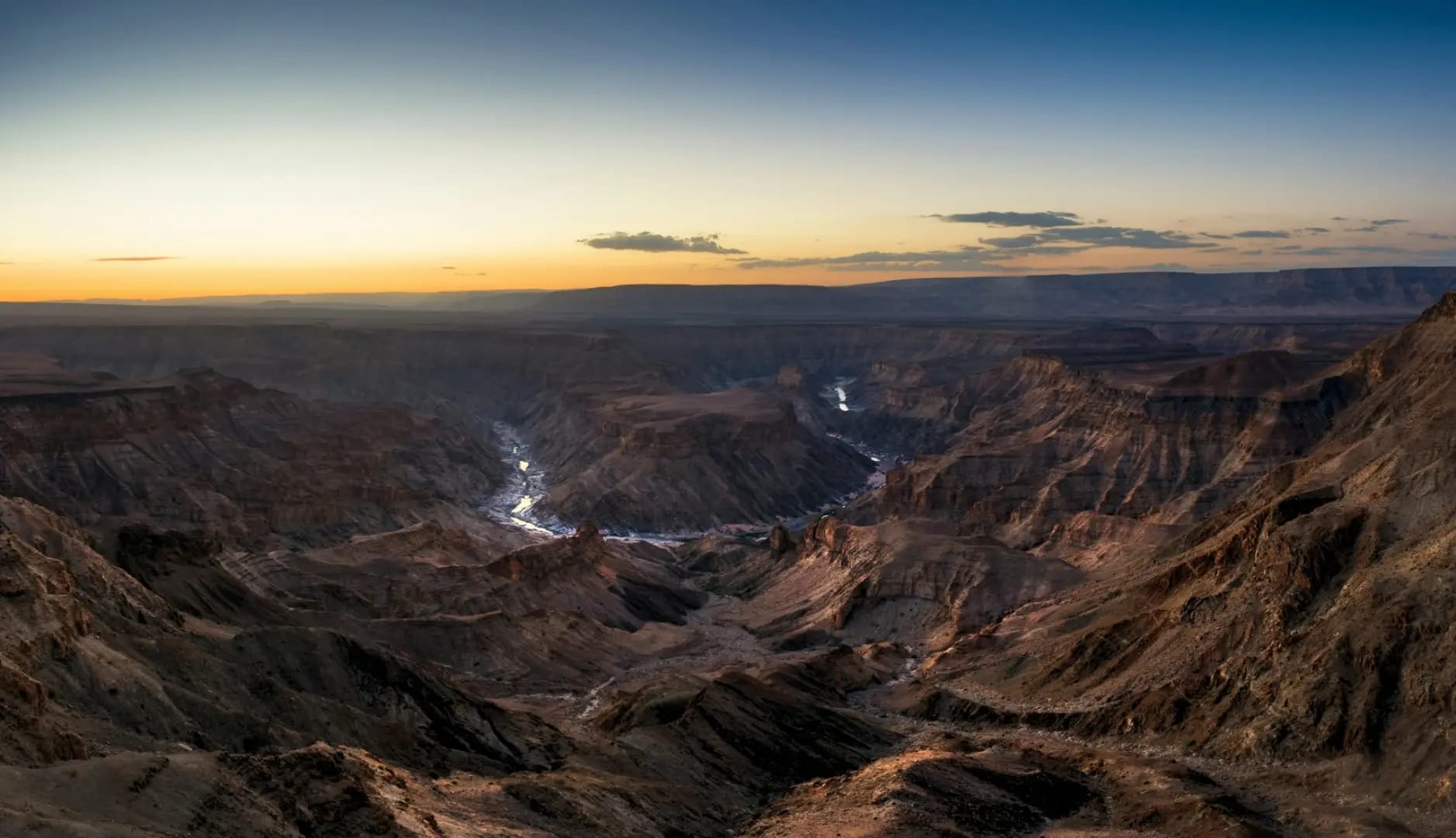
Fish River Canyon, located in southern Namibia, is the largest canyon in Africa and the second-largest in the world. Known for its dramatic landscapes, rugged cliffs, and the winding Fish River below, the canyon is a geological wonder and a prime destination for hikers, photographers, and nature enthusiasts. This breathtaking natural landmark offers an unparalleled experience of Namibia’s raw beauty and timeless grandeur.
🌍 Geography and Natural Features
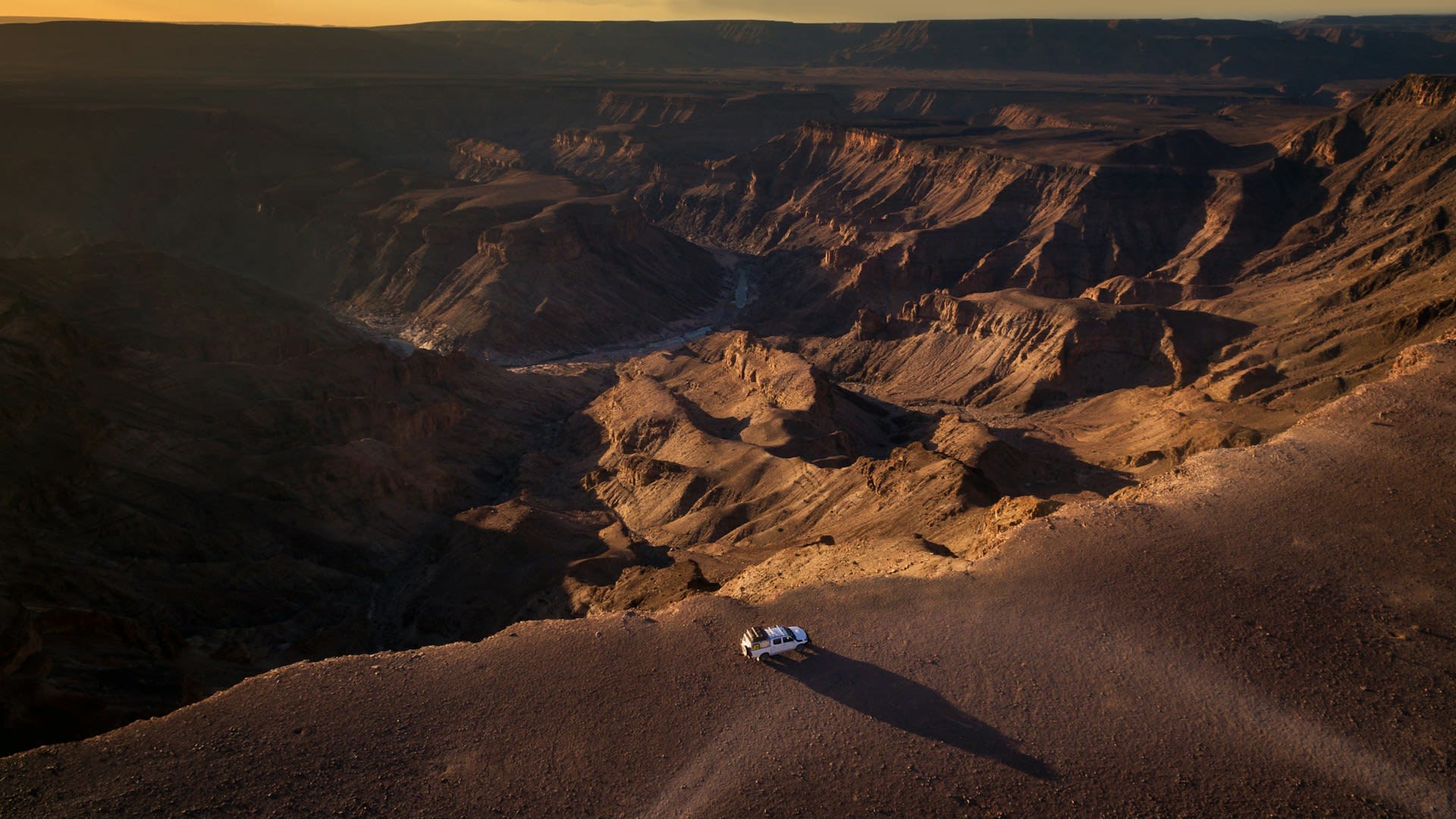
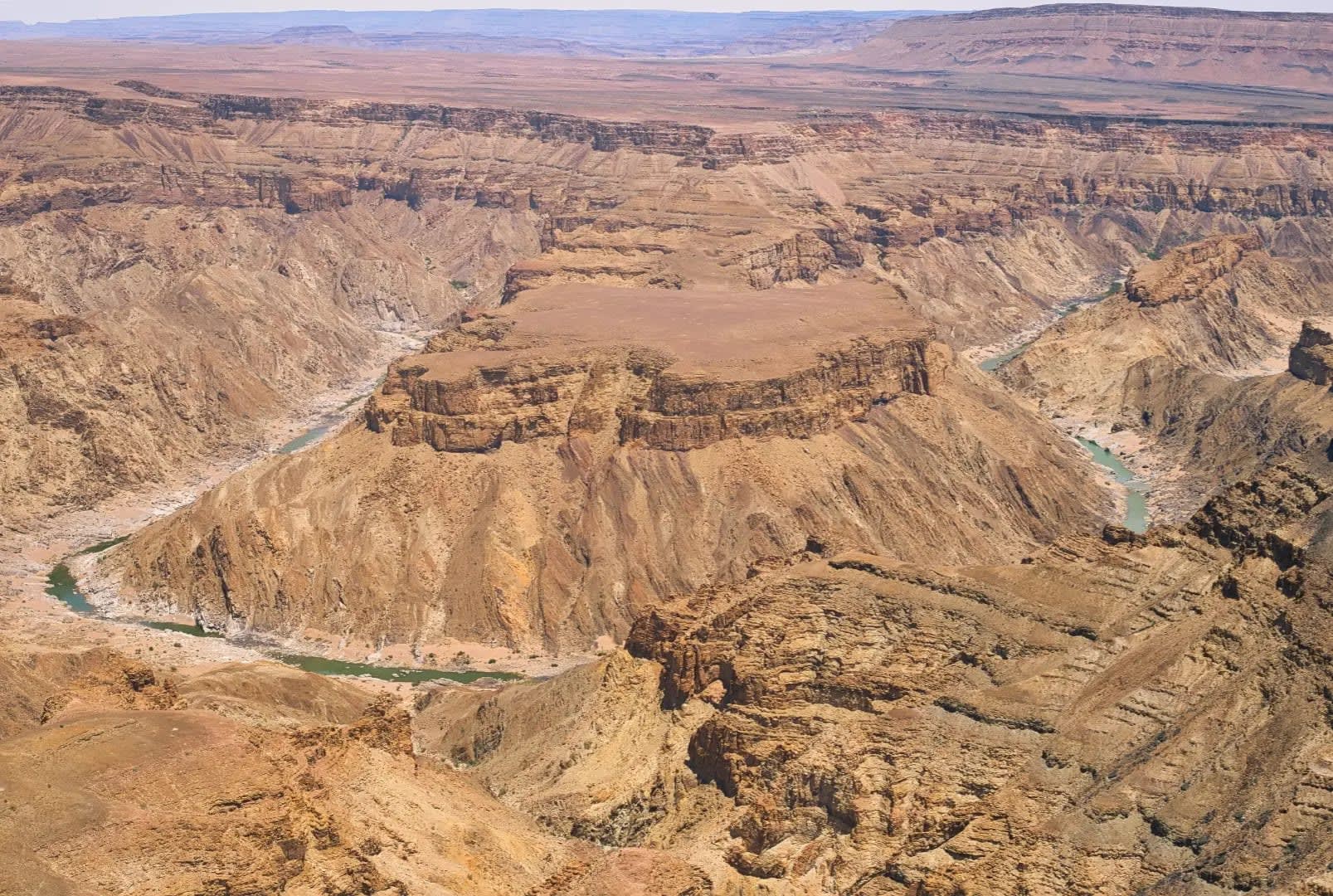
Fish River Canyon stretches over 160 kilometers in length, up to 27 kilometers in width, and reaches depths of 550 meters. It is part of the Ai-Ais/Richtersveld Transfrontier Park and showcases stunning geological formations shaped over millions of years.
- The Fish River : The canyon is carved by the Fish River, Namibia’s longest river, which flows intermittently, creating striking contrasts between dry and wet seasons.
- Hiking Trails : The famous Fish River Hiking Trail spans 85 kilometers and offers challenging yet rewarding treks through the canyon.
- Viewpoints : Main viewpoints like Hobas provide panoramic vistas of the canyon’s vast expanse and dramatic layers.
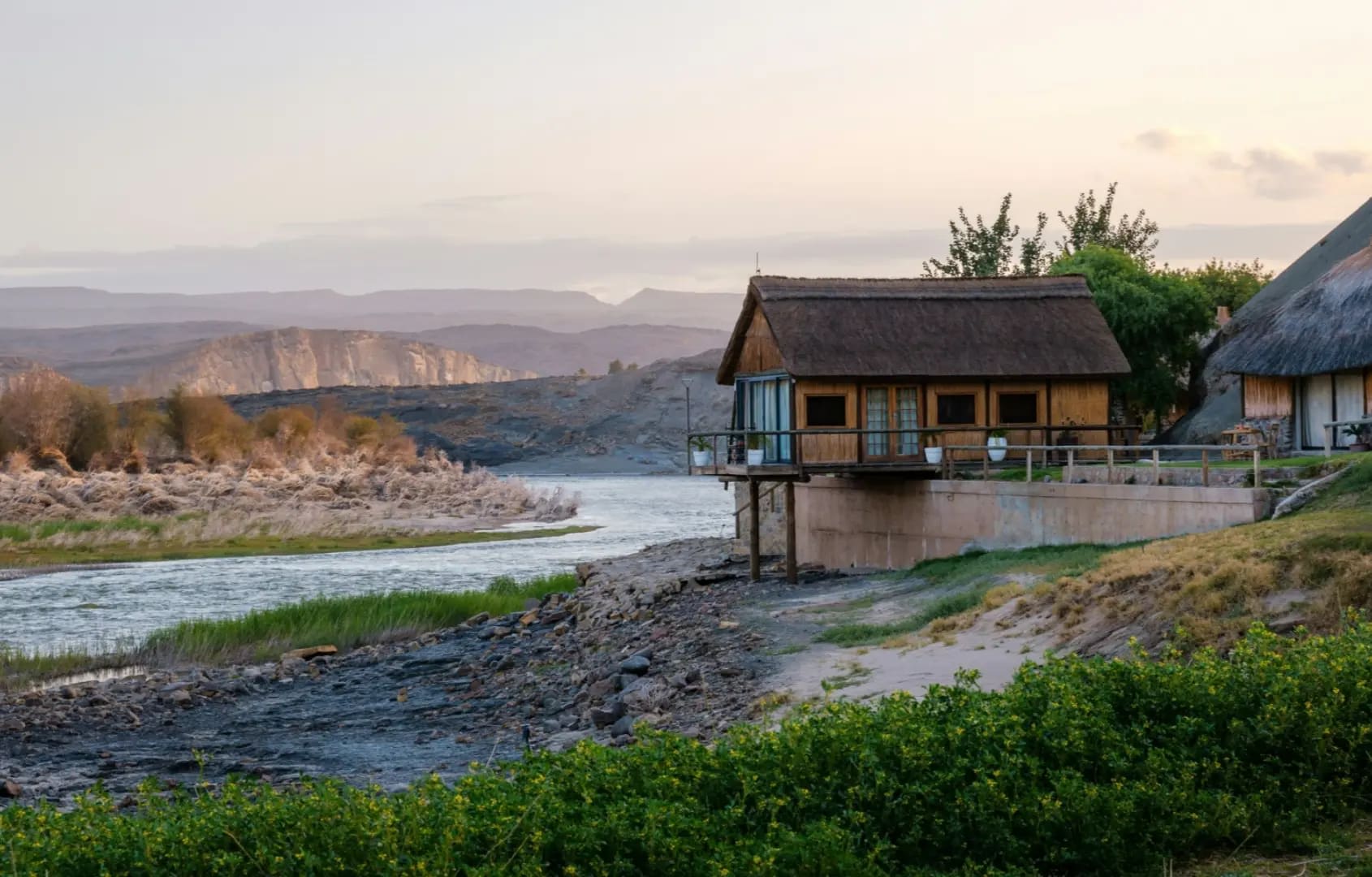
- Ai-Ais Hot Springs : Located at the southern end of the canyon, these natural hot springs are a relaxing retreat after a day of exploration.
- Diverse Ecosystem : The arid environment supports desert-adapted plants and wildlife, including quiver trees, mountain zebras, and rock hyraxes.
📜 History and Cultural Significance
Fish River Canyon is not only a geological treasure but also a site of historical and cultural importance. Formed over 500 million years ago, the canyon’s layers reveal the story of Earth’s ancient past.
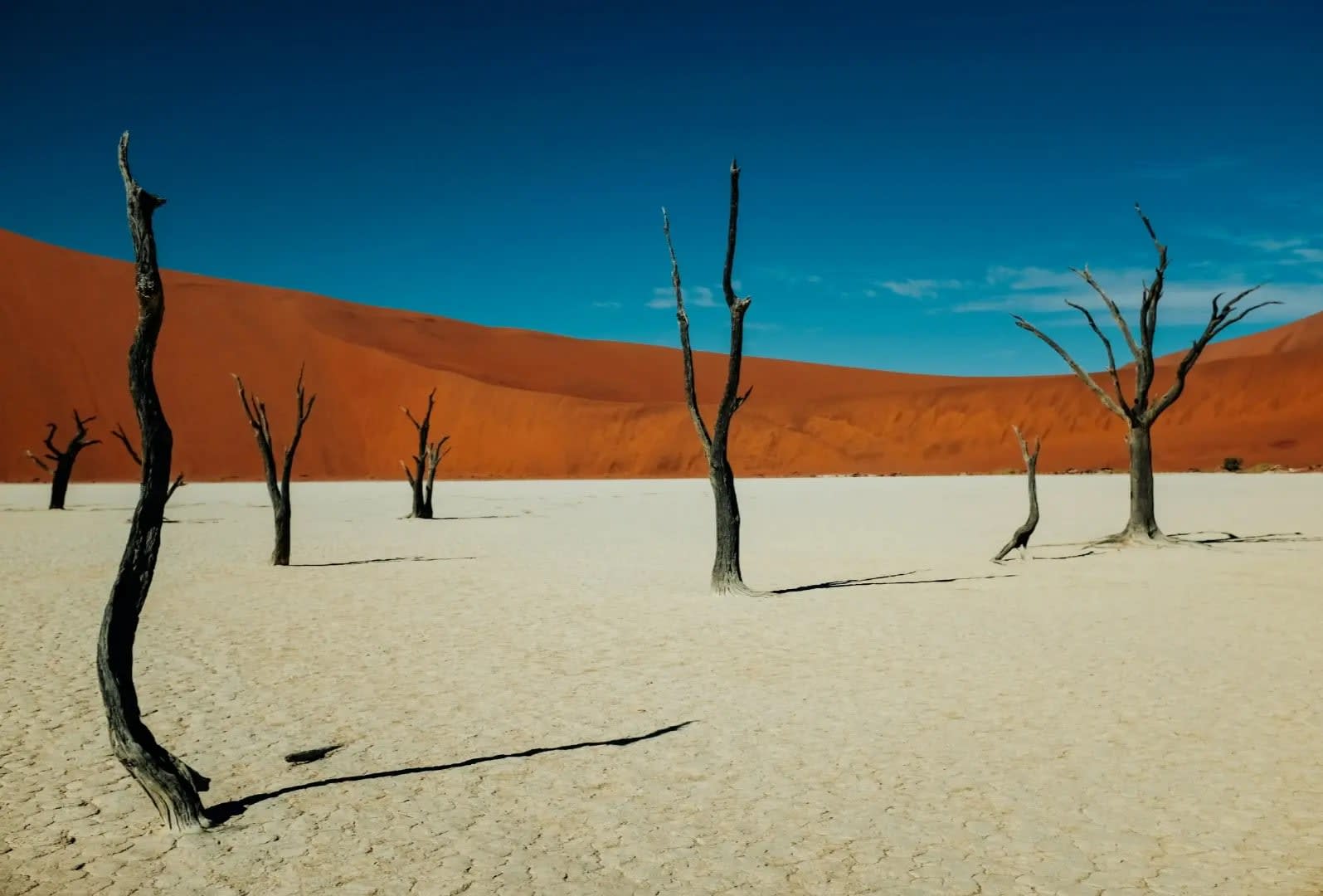
The area has long been inhabited by indigenous communities, including the Nama people, who have deep cultural ties to the land. The quiver tree, a striking feature of the region, was used by the Nama to make quivers for arrows, giving it its name.
During the colonial period, European explorers and settlers marveled at the canyon’s vastness, and it has since become a symbol of Namibia’s natural heritage. Today, the Fish River Canyon attracts visitors from around the globe, drawn by its unique combination of natural beauty and historical significance.
The area has long been inhabited by indigenous communities, including the Nama people, who have deep cultural ties to the land. The quiver tree, a striking feature of the region, was used by the Nama to make quivers for arrows, giving it its name.
During the colonial period, European explorers and settlers marveled at the canyon’s vastness, and it has since become a symbol of Namibia’s natural heritage. Today, the Fish River Canyon attracts visitors from around the globe, drawn by its unique combination of natural beauty and historical significance.
🏃 Activities and Attractions
From challenging hikes to serene viewpoints, Fish River Canyon offers a range of activities for adventurers and nature lovers.
- Hiking the Fish River Trail : Experience one of Africa’s most famous hiking routes, with stunning landscapes and diverse terrain.
- Scenic Drives : Explore the canyon’s viewpoints and surrounding areas by car for breathtaking panoramas.
- Photography : Capture the canyon’s dramatic vistas, especially during sunrise and sunset when the light enhances its colors and textures.
- Relaxing at Ai-Ais Hot Springs : Soak in the soothing thermal waters and enjoy the serene environment.
- Wildlife Spotting : Look for kudu, baboons, and bird species like black eagles that inhabit the canyon region.
💡 Travel Tips
Ensure a safe and enjoyable visit to Fish River Canyon with these practical travel tips :
1. Visit During the Dry Season : The best time to visit is from May to September, when temperatures are cooler, and hiking conditions are optimal.
2. Prepare for Hiking : If you plan to hike, ensure you’re physically fit, carry enough water, and pack lightweight, breathable clothing.
3. Bring Sun Protection : The Namibian sun can be intense, so don’t forget sunscreen, a wide-brimmed hat, and sunglasses.
4. Book Permits in Advance : Hiking the Fish River Trail requires a permit, which should be secured well before your trip.
5. Respect the Environment : Leave no trace by disposing of waste properly and avoiding damage to plants or wildlife.
1. Visit During the Dry Season : The best time to visit is from May to September, when temperatures are cooler, and hiking conditions are optimal.
2. Prepare for Hiking : If you plan to hike, ensure you’re physically fit, carry enough water, and pack lightweight, breathable clothing.
3. Bring Sun Protection : The Namibian sun can be intense, so don’t forget sunscreen, a wide-brimmed hat, and sunglasses.
4. Book Permits in Advance : Hiking the Fish River Trail requires a permit, which should be secured well before your trip.
5. Respect the Environment : Leave no trace by disposing of waste properly and avoiding damage to plants or wildlife.
🌱 Conservation Efforts
Fish River Canyon is a vital part of Namibia’s natural heritage and is protected within the Ai-Ais/Richtersveld Transfrontier Park. Conservation initiatives focus on preserving its unique ecosystem and promoting sustainable tourism.
Efforts include managing the impact of hikers and visitors, restoring degraded habitats, and safeguarding desert-adapted species. The cross-border partnership with South Africa through the transfrontier park ensures a collaborative approach to conservation.
Visitors can support these efforts by adhering to park regulations, minimizing their environmental footprint, and contributing to local eco-tourism initiatives.
Efforts include managing the impact of hikers and visitors, restoring degraded habitats, and safeguarding desert-adapted species. The cross-border partnership with South Africa through the transfrontier park ensures a collaborative approach to conservation.
Visitors can support these efforts by adhering to park regulations, minimizing their environmental footprint, and contributing to local eco-tourism initiatives.
✨ Conclusion
Fish River Canyon is a natural masterpiece that showcases the raw beauty and geological wonders of Namibia. Its towering cliffs, winding river, and serene hot springs make it a destination that captivates adventurers and nature lovers alike.
Whether you’re hiking the iconic trail, marveling at the canyon’s vistas, or simply soaking in its tranquility, Fish River Canyon offers an experience unlike any other. By visiting responsibly, you contribute to the preservation of this extraordinary site, ensuring its beauty endures for generations to come.
Whether you’re hiking the iconic trail, marveling at the canyon’s vistas, or simply soaking in its tranquility, Fish River Canyon offers an experience unlike any other. By visiting responsibly, you contribute to the preservation of this extraordinary site, ensuring its beauty endures for generations to come.