
The Sahara Desert
The Sahara Desert, spanning over 9 million square kilometers (3.5 million square miles), is the largest hot desert in the world and one of Morocco’s most iconic natural landscapes. Covering much of northern Africa, the Moroccan portion of the Sahara offers a vast expanse of mesmerizing sand dunes, rugged mountains, and ancient oases. Known for its extreme temperatures and stark beauty, the Sahara Desert is a place of both harsh challenges and profound tranquility. This guide provides an in-depth exploration of the Sahara Desert in Morocco, including its geography, history, activities, travel tips, conservation efforts, and visitor testimonials, offering a comprehensive understanding of this majestic desert.
🌍 Geography and Ecosystem
The Sahara Desert in Morocco is a region of striking contrasts and diverse landscapes. From towering sand dunes to rocky plateaus, the desert’s geography is as varied as it is vast. The Moroccan Sahara encompasses several distinct areas, each with its own unique features and ecosystems.
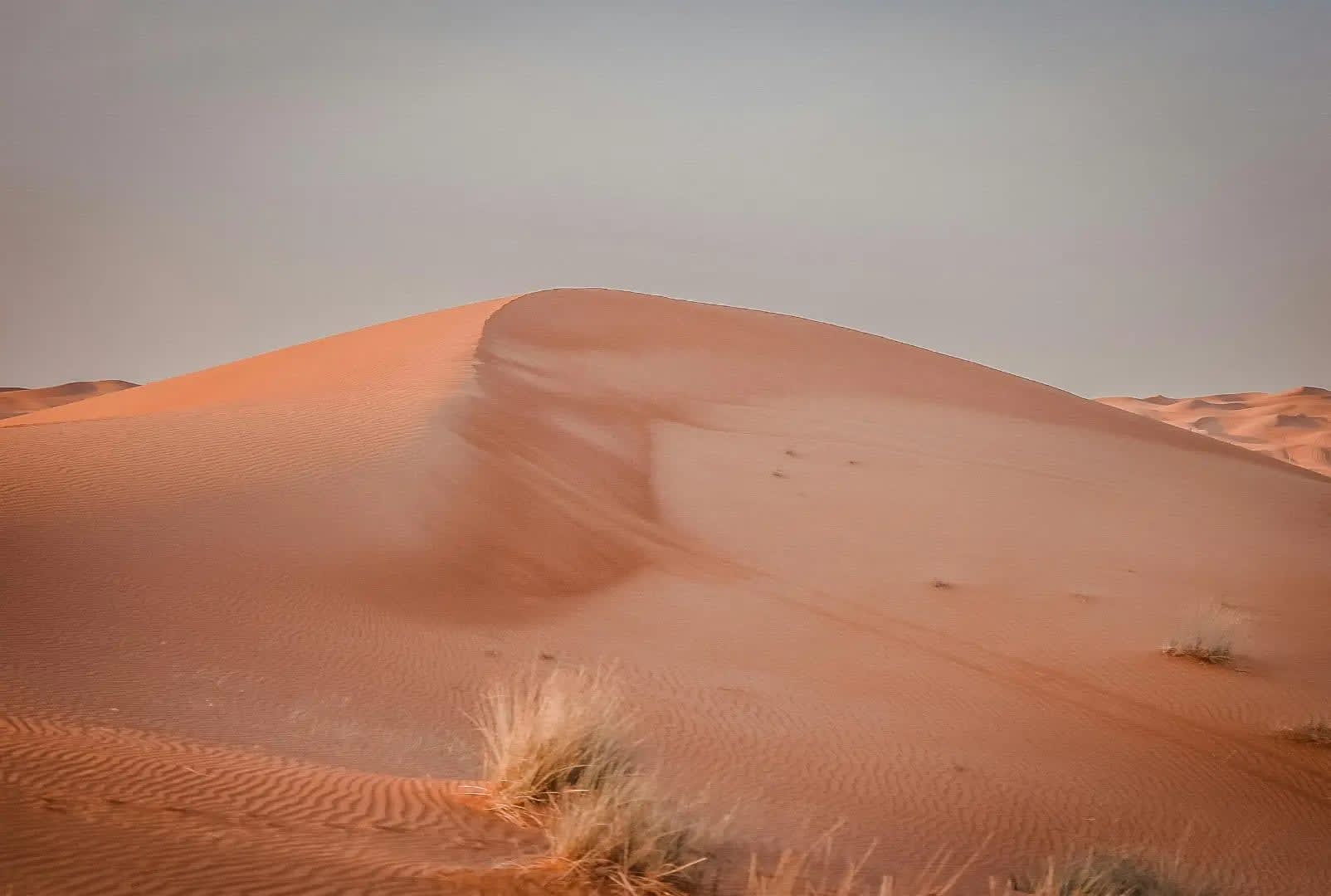
- Sand Dunes: One of the most iconic features of the Sahara Desert is its vast sand dunes, known as erg. The most famous of these is the Erg Chebbi, located near the town of Merzouga. These dunes can reach heights of up to 150 meters (492 feet) and stretch for kilometers, creating a stunning sea of golden sand. The shifting sands create ever-changing patterns and offer a breathtaking backdrop for desert adventures.
- Mountain Ranges: The Moroccan Sahara is also home to rugged mountain ranges, including the Anti-Atlas and the southern slopes of the High Atlas Mountains. These mountains provide a dramatic contrast to the flat expanses of the desert and contribute to the region’s unique geography. The mountains are characterized by rocky outcrops, canyons, and ancient geological formations.
- Oases: Scattered throughout the Sahara Desert are lush oases that provide vital resources for both people and wildlife. These verdant spots, such as the Todra Gorge and the Draa Valley, are characterized by palm groves, date palms, and flowing springs. The oases are essential for agriculture and serve as key stopovers for travelers crossing the desert.
📜 History and Cultural Significance
The Sahara Desert has a rich and diverse history that reflects the many civilizations and cultures that have traversed and settled in the region. From ancient trade routes to traditional nomadic cultures, the desert’s history is deeply intertwined with its landscape.
Ancient Trade Routes: The Sahara Desert has long been a crucial part of the trans-Saharan trade routes, which connected North Africa with sub-Saharan Africa. These routes facilitated the exchange of goods such as gold, salt, and spices, and played a significant role in the development of ancient civilizations. Historical trade hubs such as Timbuktu and Tafilalet flourished as key centers of commerce and culture.
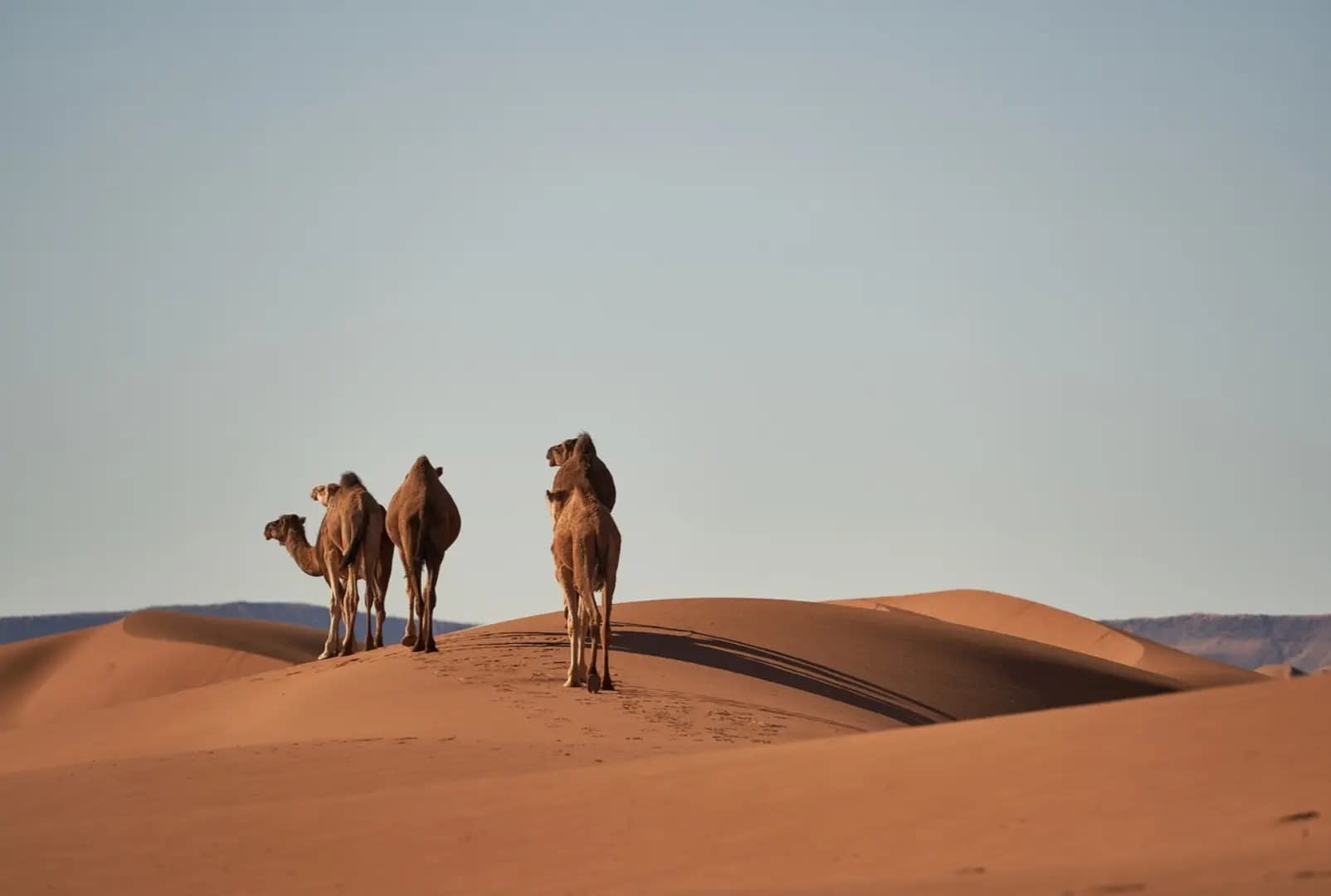
Nomadic Cultures: The desert has been home to various nomadic peoples, including the Berbers and Tuaregs. These cultures have adapted to the harsh desert environment, developing traditional practices for survival and trade. The nomads’ knowledge of the desert, including their use of camels and intricate navigation techniques, has been passed down through generations and remains an integral part of their way of life.
Colonial Era and Modern History: During the colonial era, European powers sought to explore and exploit the Sahara’s resources. French and Spanish explorers mapped the region and established outposts. In contemporary times, the Sahara continues to be a region of strategic and cultural significance, with ongoing efforts to balance development and preservation
Ancient Trade Routes: The Sahara Desert has long been a crucial part of the trans-Saharan trade routes, which connected North Africa with sub-Saharan Africa. These routes facilitated the exchange of goods such as gold, salt, and spices, and played a significant role in the development of ancient civilizations. Historical trade hubs such as Timbuktu and Tafilalet flourished as key centers of commerce and culture.
Nomadic Cultures: The desert has been home to various nomadic peoples, including the Berbers and Tuaregs. These cultures have adapted to the harsh desert environment, developing traditional practices for survival and trade. The nomads’ knowledge of the desert, including their use of camels and intricate navigation techniques, has been passed down through generations and remains an integral part of their way of life.
Colonial Era and Modern History: During the colonial era, European powers sought to explore and exploit the Sahara’s resources. French and Spanish explorers mapped the region and established outposts. In contemporary times, the Sahara continues to be a region of strategic and cultural significance, with ongoing efforts to balance development and preservation
🏃 Activities and Attractions
The Sahara Desert offers a wide range of activities and attractions for those seeking adventure, exploration, and cultural experiences. From exhilarating desert treks to immersive cultural encounters, the Sahara provides a unique setting for a variety of activities.
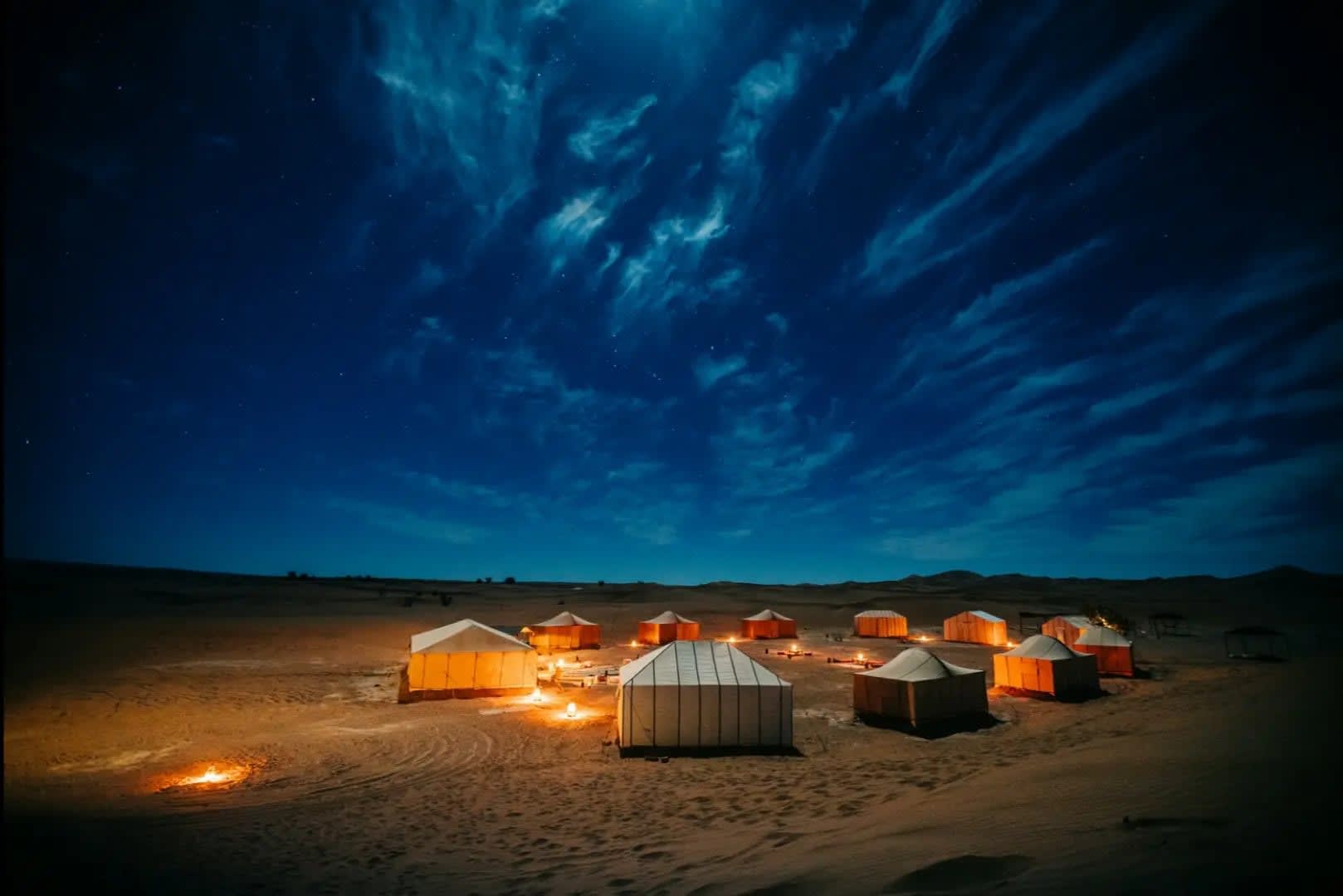
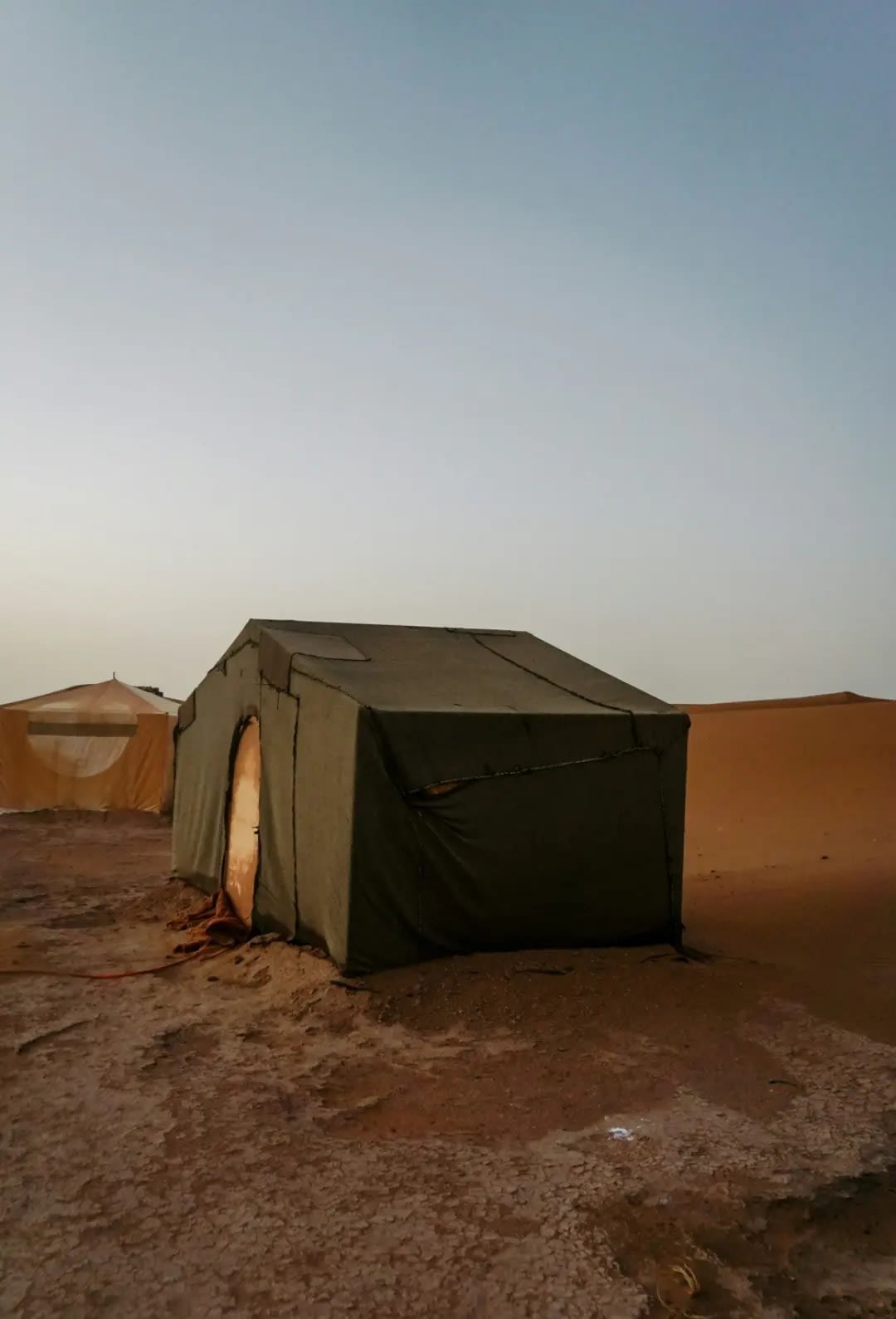
- Camel Trekking: Camel trekking is one of the most popular activities in the Sahara Desert. Visitors can embark on guided treks through the vast sand dunes, experiencing the traditional mode of desert transport used by nomadic peoples. Camel treks often include overnight stays in desert camps, where travelers can enjoy a night under the stars and traditional Moroccan cuisine.
- Sandboarding and Dune Bashing: For those seeking a more adrenaline-fueled experience, sandboarding and dune bashing offer exciting ways to enjoy the desert landscape. Sandboarding involves gliding down the dunes on a board, while dune bashing is a thrilling ride across the sand in a 4x4 vehicle. Both activities provide a unique perspective on the desert’s dramatic terrain.
- Stargazing: The Sahara Desert is renowned for its clear, unpolluted skies, making it an ideal location for stargazing. Visitors can witness a breathtaking display of stars and constellations, with minimal light pollution enhancing the visibility of celestial bodies. Guided stargazing tours are available, providing insights into the night sky and its significance in desert cultures.
- Cultural Tours: Cultural tours offer a chance to immerse yourself in the traditions and customs of desert communities. Visitors can explore ancient ksars (fortified villages), visit traditional Berber markets, and learn about the nomadic lifestyle. Tours may also include visits to historical sites such as the ancient caravanserais that once served as rest stops for traders.
💡 Travel Tips
To ensure a safe and enjoyable visit to the Sahara Desert, consider the following travel tips:
Best Time to Visit: The best time to visit the Sahara Desert is during the cooler months, from October to April. During this period, temperatures are more moderate, making it more comfortable for outdoor activities and exploration. The summer months can be extremely hot, with temperatures reaching well above 40°C (104°F), so it is advisable to plan your visit during the cooler season.
Getting There: Major entry points to the Sahara Desert in Morocco include the cities of Marrakech, Ouarzazate, and Merzouga. From these cities, visitors can arrange transportation via guided tours, 4x4 vehicles, or buses. It is recommended to travel with a reputable tour operator who is familiar with the desert terrain and can ensure a safe and enjoyable experience.
What to Bring: Pack lightweight, breathable clothing suitable for both hot and cold temperatures. Essential items include a wide-brimmed hat, sunglasses, sunscreen, and comfortable hiking shoes. For camel treks and desert excursions, bring plenty of water, a good camera, and a sense of adventure. If you plan to camp in the desert, also bring warm clothing as temperatures can drop significantly at night.
Health and Safety: Stay hydrated, especially during hot weather, and be mindful of the signs of heat exhaustion. Be prepared for sudden weather changes and ensure you have appropriate gear for both hot and cold conditions. It is also advisable to have travel insurance and be aware of local customs and regulations. Respect the environment and local communities by following sustainable tourism practices and seeking permission before taking photographs of people.
Best Time to Visit: The best time to visit the Sahara Desert is during the cooler months, from October to April. During this period, temperatures are more moderate, making it more comfortable for outdoor activities and exploration. The summer months can be extremely hot, with temperatures reaching well above 40°C (104°F), so it is advisable to plan your visit during the cooler season.
Getting There: Major entry points to the Sahara Desert in Morocco include the cities of Marrakech, Ouarzazate, and Merzouga. From these cities, visitors can arrange transportation via guided tours, 4x4 vehicles, or buses. It is recommended to travel with a reputable tour operator who is familiar with the desert terrain and can ensure a safe and enjoyable experience.
What to Bring: Pack lightweight, breathable clothing suitable for both hot and cold temperatures. Essential items include a wide-brimmed hat, sunglasses, sunscreen, and comfortable hiking shoes. For camel treks and desert excursions, bring plenty of water, a good camera, and a sense of adventure. If you plan to camp in the desert, also bring warm clothing as temperatures can drop significantly at night.
Health and Safety: Stay hydrated, especially during hot weather, and be mindful of the signs of heat exhaustion. Be prepared for sudden weather changes and ensure you have appropriate gear for both hot and cold conditions. It is also advisable to have travel insurance and be aware of local customs and regulations. Respect the environment and local communities by following sustainable tourism practices and seeking permission before taking photographs of people.
🌱 Conservation
Conservation efforts in the Sahara Desert focus on preserving the region’s unique ecosystems, managing natural resources, and supporting local communities. Various initiatives aim to balance development with environmental protection, ensuring that the desert’s natural beauty and cultural heritage are maintained for future generations.
Protected Areas: Several protected areas and national parks in the Sahara Desert are dedicated to conserving the region’s natural habitats and wildlife. These areas include the Tazekka National Park and the Jbel Bani Biosphere Reserve. Conservation efforts focus on preserving key species, such as the Barbary sheep and desert fox, and maintaining the health of the desert’s ecosystems.
Water Resource Management: Effective management of water resources is crucial for sustaining life in the desert. Conservation projects aim to improve irrigation practices, reduce water wastage, and restore traditional water management systems. These efforts help to ensure that the oases and agricultural lands continue to thrive in the face of increasing demands and climate change.
Cultural Heritage Preservation: Preserving the cultural heritage of the Sahara Desert involves protecting traditional practices, architecture, and historical sites. Efforts include maintaining ancient ksars, supporting local artisans, and promoting sustainable tourism practices. By safeguarding cultural heritage, these initiatives help to ensure that the unique identity of desert communities is preserved.
Protected Areas: Several protected areas and national parks in the Sahara Desert are dedicated to conserving the region’s natural habitats and wildlife. These areas include the Tazekka National Park and the Jbel Bani Biosphere Reserve. Conservation efforts focus on preserving key species, such as the Barbary sheep and desert fox, and maintaining the health of the desert’s ecosystems.
Water Resource Management: Effective management of water resources is crucial for sustaining life in the desert. Conservation projects aim to improve irrigation practices, reduce water wastage, and restore traditional water management systems. These efforts help to ensure that the oases and agricultural lands continue to thrive in the face of increasing demands and climate change.
Cultural Heritage Preservation: Preserving the cultural heritage of the Sahara Desert involves protecting traditional practices, architecture, and historical sites. Efforts include maintaining ancient ksars, supporting local artisans, and promoting sustainable tourism practices. By safeguarding cultural heritage, these initiatives help to ensure that the unique identity of desert communities is preserved.
✨ Conclusion
The Sahara Desert in Morocco is a remarkable destination that offers a unique blend of natural beauty, cultural heritage, and adventure. From the towering sand dunes of Erg Chebbi to the rugged mountains and lush oases, the desert provides a diverse range of experiences for travelers. Whether you’re exploring ancient trade routes, engaging in camel treks, or simply marveling at the stunning landscapes, the Sahara Desert promises an unforgettable journey. Conservation efforts are essential to preserving the desert’s ecological and cultural resources, ensuring that future generations can continue to enjoy and appreciate this extraordinary region. A visit to the Sahara Desert is not just a journey through a vast and beautiful landscape; it is a journey into the heart of Morocco’s rich history and vibrant culture.


