

The River Draa
The River Draa, one of Morocco’s most significant and ancient rivers, has played a crucial role in shaping the country's history and landscape. Originating in the High Atlas Mountains and flowing southwards to the Atlantic Ocean, the Draa River traverses a diverse range of environments, including lush valleys, arid deserts, and bustling oases. With a length of approximately 1,100 kilometers (684 miles), the River Draa is vital for agriculture, traditional life, and cultural heritage in southern Morocco. This guide delves into the River Draa’s geography, history, activities, travel tips, conservation efforts, visitor testimonials, and a conclusion to provide a comprehensive overview of this important Moroccan waterway.
🌍 Geography and Ecosystem
The River Draa is a significant watercourse in Morocco, known for its length and the diverse environments it traverses. The river originates in the High Atlas Mountains, flows through the Drâa-Tafilalet region, and eventually reaches the Atlantic Ocean. Its journey covers a variety of landscapes, from mountain ranges to deserts, and supports a range of ecosystems.
- Source and Course: The Draa River begins in the High Atlas Mountains, where it collects meltwater from snow-capped peaks. The river flows southeastward through the mountainous region before descending into the semi-arid plains of the Drâa-Tafilalet region. As it continues its journey, it passes through several key oases, including the famous Zagora Oasis, before ultimately reaching the Atlantic Ocean near the town of Agadir.
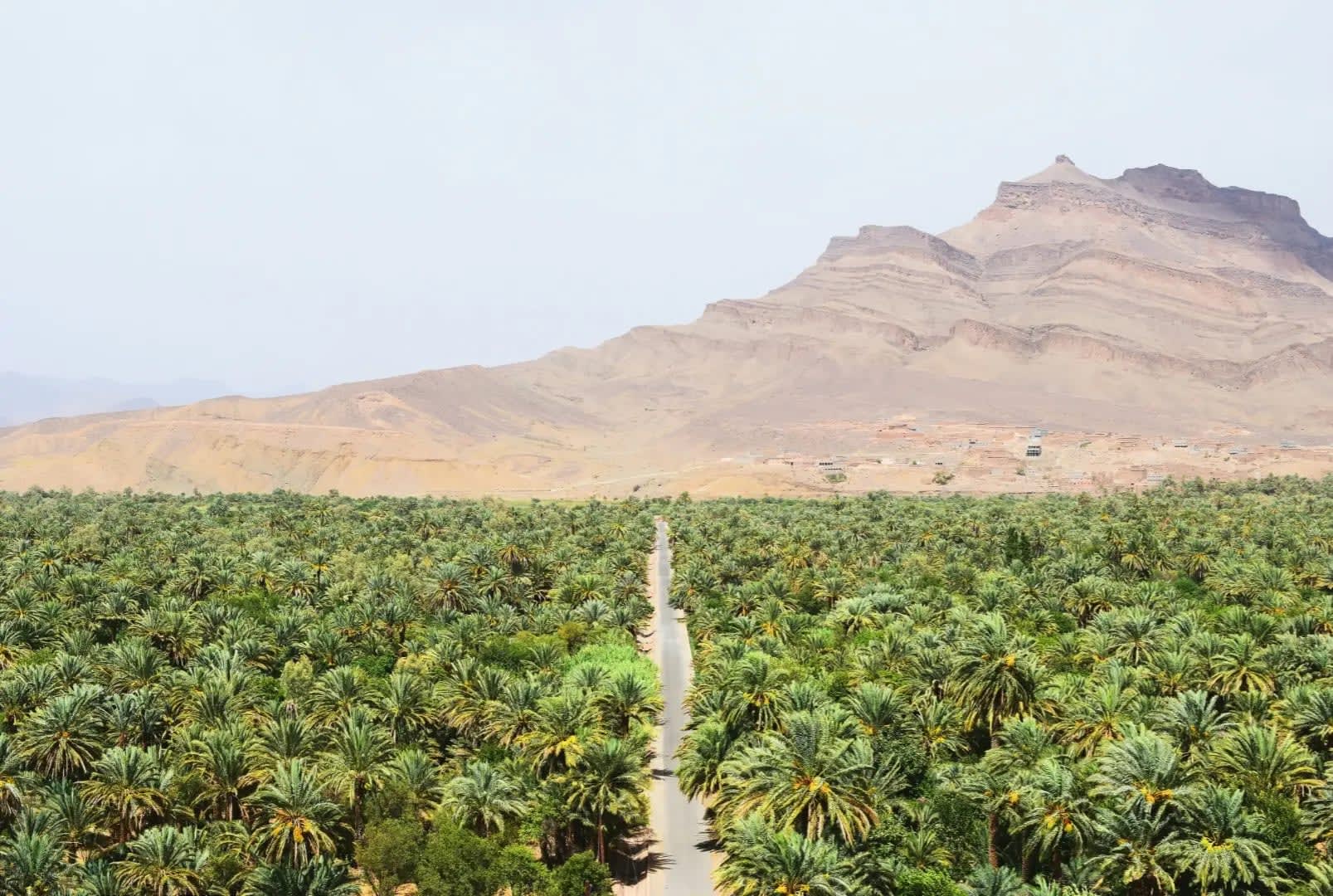
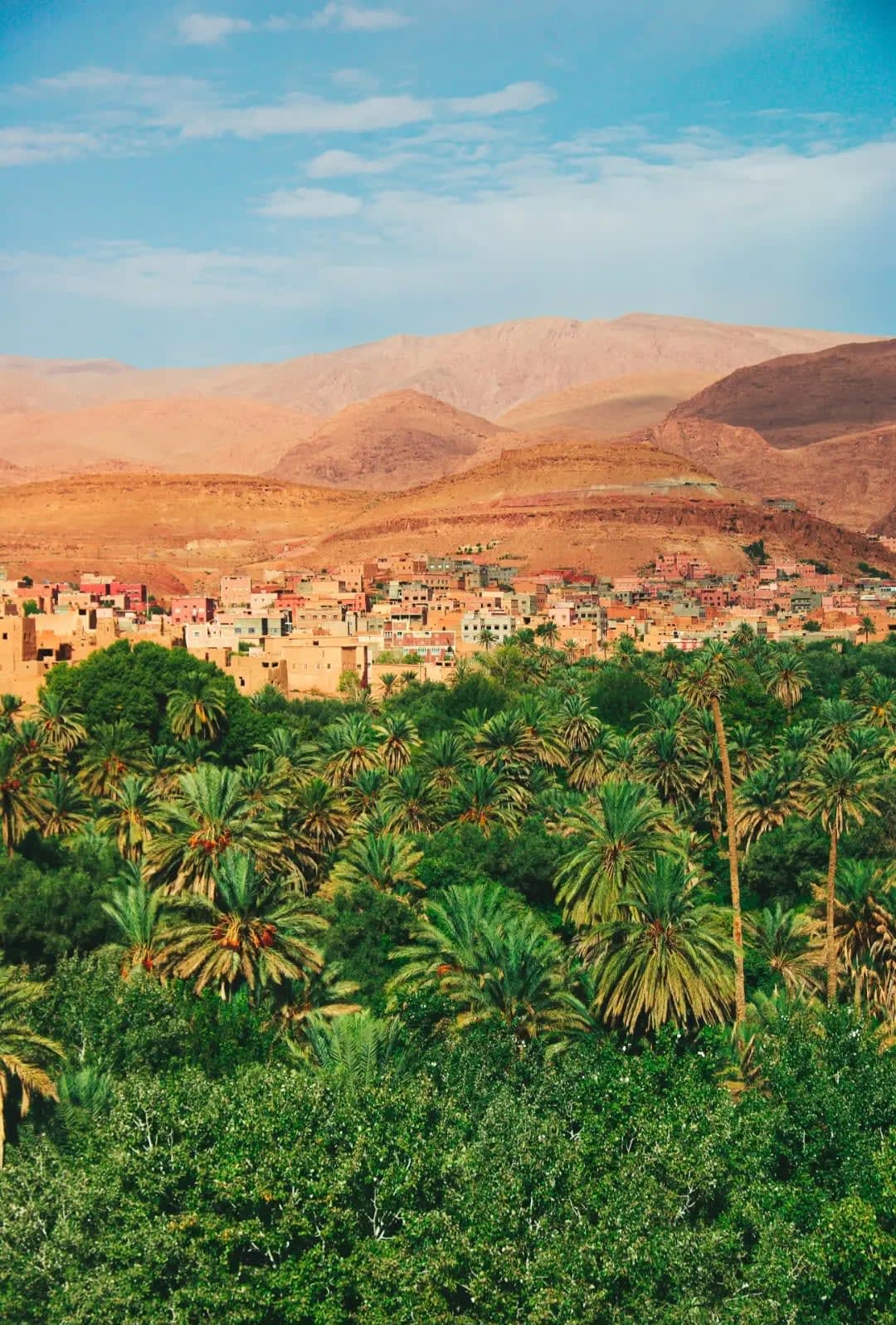
- Ecosystems and Vegetation: Along its course, the River Draa supports a variety of ecosystems. In the High Atlas, the river is surrounded by alpine vegetation and terraced fields. As the river descends into the desert regions, it nurtures lush oases characterized by palm groves, date palms, and agriculture. These oases provide critical resources for local communities and contrast sharply with the surrounding arid landscapes.
- Hydrology and Importance: The River Draa is characterized by its seasonal flow, with water levels varying significantly between the rainy season and dry periods. Despite its intermittent flow, the river remains a vital water source for agriculture and daily life in the region. The Draa River's water is used for irrigation, supporting the cultivation of crops such as dates, olives, and cereals in the oases along its course.
📜 History and Cultural Significance
The River Draa has a rich history that reflects the cultural and historical developments of southern Morocco. The river has been an essential part of the region's development for centuries, influencing settlement patterns, trade, and agriculture.
Ancient Times: Historically, the River Draa has been a critical resource for the communities living along its banks. Ancient Berber tribes, who were the original inhabitants of the region, utilized the river’s water for agriculture and trade. The river’s fertile valleys supported early agricultural societies, and the oases along its course became key centers of trade and cultural exchange.
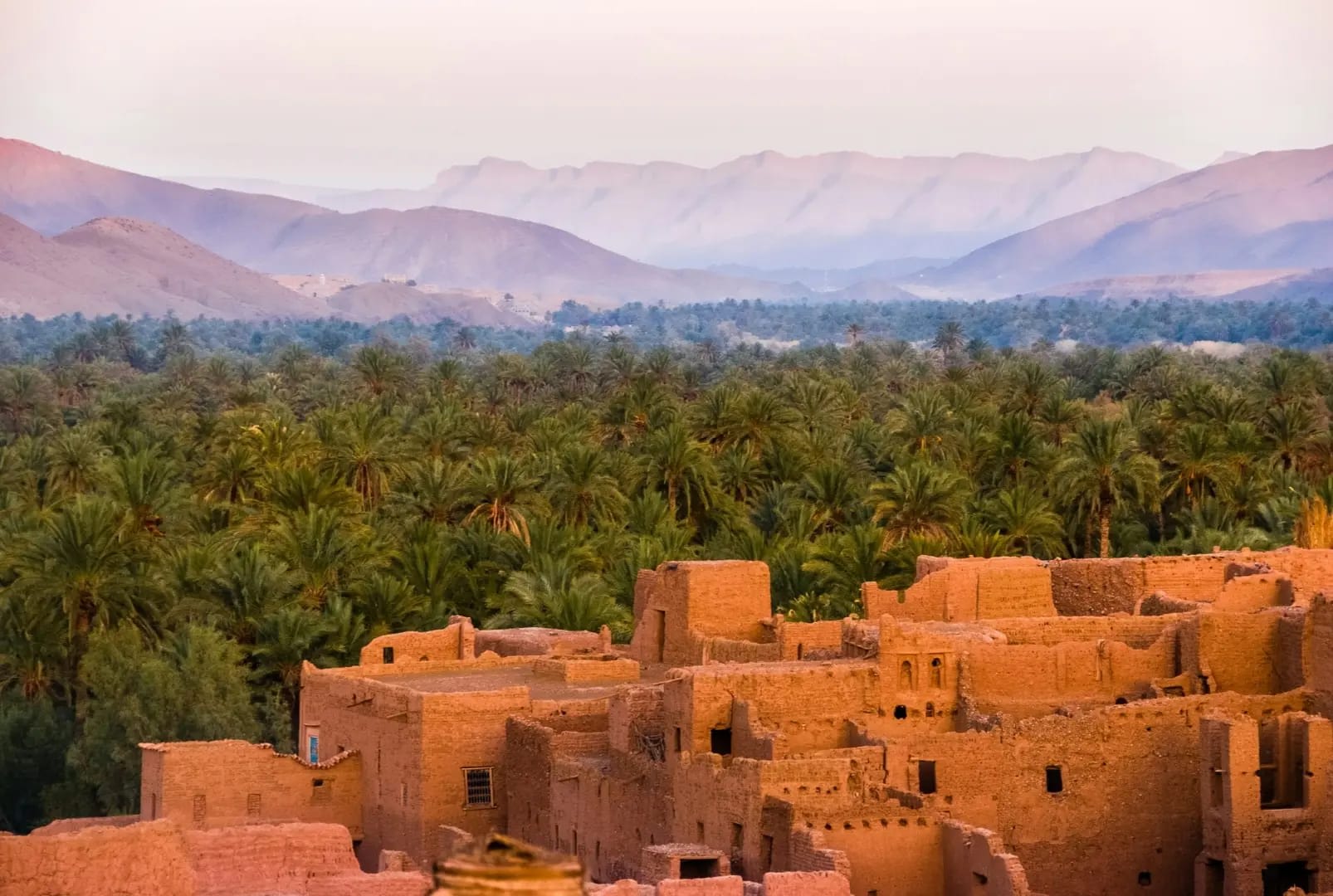
Medieval Period: During the medieval period, the River Draa continued to play a central role in regional trade routes. It was a key stop on the trans-Saharan trade routes, facilitating the movement of goods such as gold, salt, and textiles between sub-Saharan Africa and the Mediterranean. The river's importance as a trade route helped to shape the development of cities and towns in the region, including the historic city of Zagora, known for its ancient ksar (fortified village) and traditional architecture.
Modern Era: In more recent history, the River Draa has faced challenges related to water management and environmental changes. Modern developments, including dam construction and agricultural expansion, have impacted the river's flow and ecological balance. However, the river remains a symbol of life and resilience for the people of southern Morocco, representing their deep connection to the land and its resources.
Ancient Times: Historically, the River Draa has been a critical resource for the communities living along its banks. Ancient Berber tribes, who were the original inhabitants of the region, utilized the river’s water for agriculture and trade. The river’s fertile valleys supported early agricultural societies, and the oases along its course became key centers of trade and cultural exchange.
Medieval Period: During the medieval period, the River Draa continued to play a central role in regional trade routes. It was a key stop on the trans-Saharan trade routes, facilitating the movement of goods such as gold, salt, and textiles between sub-Saharan Africa and the Mediterranean. The river's importance as a trade route helped to shape the development of cities and towns in the region, including the historic city of Zagora, known for its ancient ksar (fortified village) and traditional architecture.
Modern Era: In more recent history, the River Draa has faced challenges related to water management and environmental changes. Modern developments, including dam construction and agricultural expansion, have impacted the river's flow and ecological balance. However, the river remains a symbol of life and resilience for the people of southern Morocco, representing their deep connection to the land and its resources.
🏃 Activities and Attractions
The River Draa offers a range of activities and attractions for visitors, from exploring traditional oases to engaging in outdoor adventures. Whether you’re interested in cultural experiences or nature-based activities, the river and its surroundings have something to offer.
- Exploring Oases: One of the highlights of visiting the River Draa is exploring the picturesque oases along its course. These lush areas are home to traditional villages, ancient architecture, and vibrant palm groves. Notable oases include the Zagora Oasis and the Tamegroute Oasis, where visitors can experience local Berber culture, visit traditional markets, and sample regional cuisine.
- Camel Treks: Camel treks are a popular way to explore the desert landscapes and oases of the Draa River region. These treks offer a unique opportunity to experience the traditional mode of transport used by desert travelers and provide a chance to explore the stunning desert scenery. Camel treks can be arranged through local tour operators and typically include guided tours, meals, and accommodation in desert camps.
- Hiking and Nature Walks: For those interested in outdoor adventures, hiking and nature walks along the River Draa offer a chance to experience the diverse landscapes and ecosystems of the region. Trails in the surrounding areas provide opportunities to explore the river’s source in the High Atlas, as well as the desert landscapes and oases further downstream.
- Cultural Tours: Cultural tours of the River Draa region offer insights into the traditional lifestyles and customs of the Berber people. Visitors can explore historic ksars, visit local artisan workshops, and learn about traditional practices such as date palm cultivation and irrigation. Tours may also include visits to ancient caravanserais, which served as resting places for traders on the trans-Saharan routes.
💡 Travel Tips
To ensure a safe and enjoyable visit to the River Draa, consider the following travel tips:
Best Time to Visit: The best time to visit the River Draa region is during the cooler months, from October to April. The temperatures are more moderate, making it comfortable for outdoor activities and exploring the oases. The summer months can be extremely hot, especially in the desert areas, so it’s advisable to plan your visit during the cooler season.
Getting There: The River Draa region can be accessed from major Moroccan cities such as Marrakech and Ouarzazate. From these cities, visitors can take a bus or hire a car to reach the river and its surrounding areas. Local guides and tour operators are available to provide transportation and assistance for exploring the region.
What to Bring: Pack lightweight and breathable clothing suitable for both warm and cool temperatures. If you plan to engage in outdoor activities, bring comfortable hiking shoes, a hat, sunglasses, and sunscreen. For camel treks and desert excursions, bring plenty of water, a good camera, and a sense of adventure.
Health and Safety: Stay hydrated, especially if you’re traveling during the hotter months. Be aware of the weather conditions and prepare for sudden temperature changes. It’s also advisable to have travel insurance and be aware of local customs and regulations. Respect the environment and local communities by following sustainable tourism practices and seeking permission before taking photographs of people.
Best Time to Visit: The best time to visit the River Draa region is during the cooler months, from October to April. The temperatures are more moderate, making it comfortable for outdoor activities and exploring the oases. The summer months can be extremely hot, especially in the desert areas, so it’s advisable to plan your visit during the cooler season.
Getting There: The River Draa region can be accessed from major Moroccan cities such as Marrakech and Ouarzazate. From these cities, visitors can take a bus or hire a car to reach the river and its surrounding areas. Local guides and tour operators are available to provide transportation and assistance for exploring the region.
What to Bring: Pack lightweight and breathable clothing suitable for both warm and cool temperatures. If you plan to engage in outdoor activities, bring comfortable hiking shoes, a hat, sunglasses, and sunscreen. For camel treks and desert excursions, bring plenty of water, a good camera, and a sense of adventure.
Health and Safety: Stay hydrated, especially if you’re traveling during the hotter months. Be aware of the weather conditions and prepare for sudden temperature changes. It’s also advisable to have travel insurance and be aware of local customs and regulations. Respect the environment and local communities by following sustainable tourism practices and seeking permission before taking photographs of people.
🌱 Conservation
Conservation efforts along the River Draa are crucial for maintaining the ecological balance and ensuring the sustainable use of the river’s resources. Various initiatives focus on protecting the river’s environment, managing water resources, and supporting local communities.
Water Management: Effective water management is essential for balancing the needs of agriculture, local communities, and the environment. Conservation projects focus on improving irrigation practices, reducing water wastage, and restoring traditional water management systems. This helps to ensure that the river’s water is used sustainably and that oases continue to thrive.
Ecosystem Preservation: Efforts to preserve the river’s ecosystems include protecting the natural habitats of flora and fauna found along its course. Reforestation projects aim to restore degraded areas and maintain the health of the river’s vegetation. Additionally, initiatives are in place to protect endangered species and promote biodiversity in the river’s surrounding landscapes.
Cultural Heritage: Conservation projects also focus on preserving the cultural heritage of the River Draa region. This includes maintaining traditional architecture, supporting local artisans, and promoting sustainable tourism practices that respect local customs and traditions. By safeguarding cultural heritage, these efforts help to ensure that the region’s unique identity is preserved for future generations.
Water Management: Effective water management is essential for balancing the needs of agriculture, local communities, and the environment. Conservation projects focus on improving irrigation practices, reducing water wastage, and restoring traditional water management systems. This helps to ensure that the river’s water is used sustainably and that oases continue to thrive.
Ecosystem Preservation: Efforts to preserve the river’s ecosystems include protecting the natural habitats of flora and fauna found along its course. Reforestation projects aim to restore degraded areas and maintain the health of the river’s vegetation. Additionally, initiatives are in place to protect endangered species and promote biodiversity in the river’s surrounding landscapes.
Cultural Heritage: Conservation projects also focus on preserving the cultural heritage of the River Draa region. This includes maintaining traditional architecture, supporting local artisans, and promoting sustainable tourism practices that respect local customs and traditions. By safeguarding cultural heritage, these efforts help to ensure that the region’s unique identity is preserved for future generations.
✨ Conclusion
The River Draa is a remarkable waterway that holds a special place in the heart of Morocco. Its historical significance, diverse ecosystems, and cultural heritage make it a fascinating destination for travelers. From exploring lush oases and engaging in camel treks to experiencing traditional Berber culture, the River Draa offers a wealth of opportunities for adventure and discovery. Conservation efforts are vital to preserving the river’s natural and cultural resources, ensuring that future generations can continue to enjoy and appreciate this unique Moroccan treasure. A visit to the River Draa is not just a journey through a stunning landscape, but also a journey into the rich history and vibrant culture of southern Morocco.


