
The Atlas Mountains
The Atlas Mountains, spanning central Morocco, are a stunning mountain range renowned for their breathtaking landscapes, diverse ecosystems, and cultural significance. Stretching over 2,500 kilometers (1,550 miles) from the Atlantic Ocean to the Sahara Desert, the Atlas Mountains are divided into three main ranges: the High Atlas, the Middle Atlas, and the Anti-Atlas. Each of these ranges offers unique geological features, rich biodiversity, and a tapestry of traditional Berber culture. The Atlas Mountains are a haven for outdoor enthusiasts, adventurers, and those seeking a glimpse into Morocco’s traditional way of life. This guide provides an in-depth exploration of the Atlas Mountains' geography, history, activities, travel tips, conservation efforts, visitor testimonials, and a conclusion to help you make the most of your visit to this extraordinary region.
🌍 Geography and Ecosystem
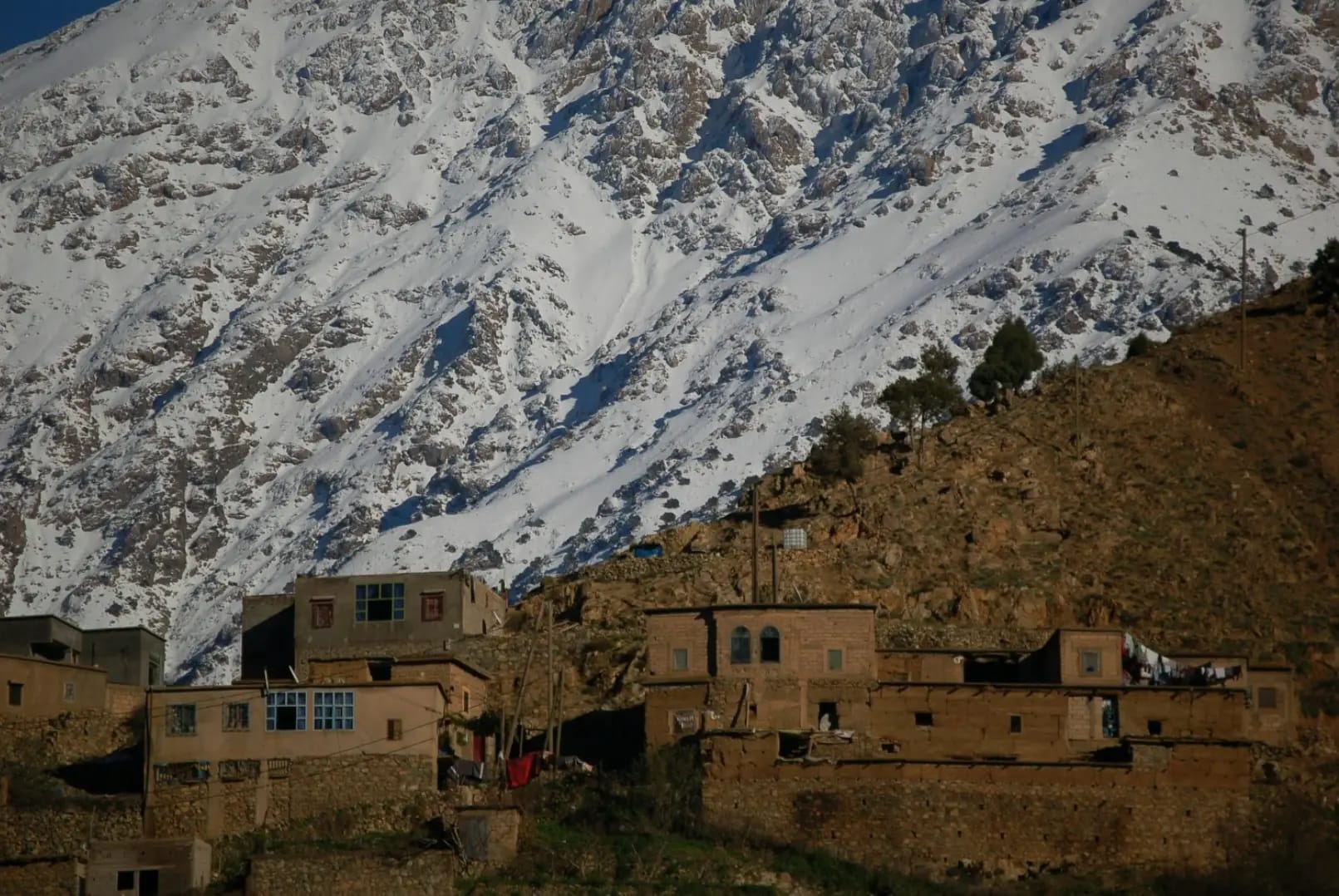
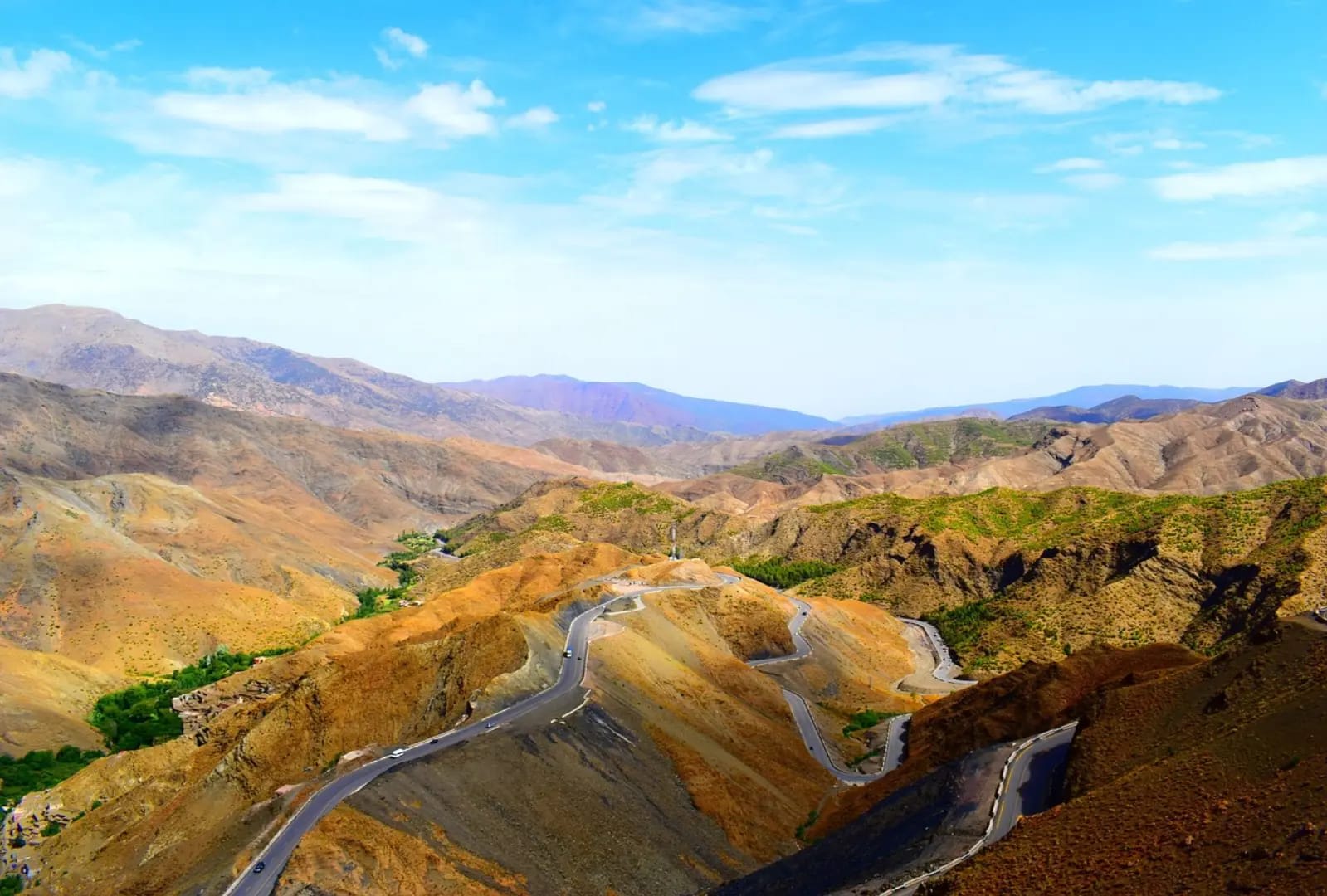
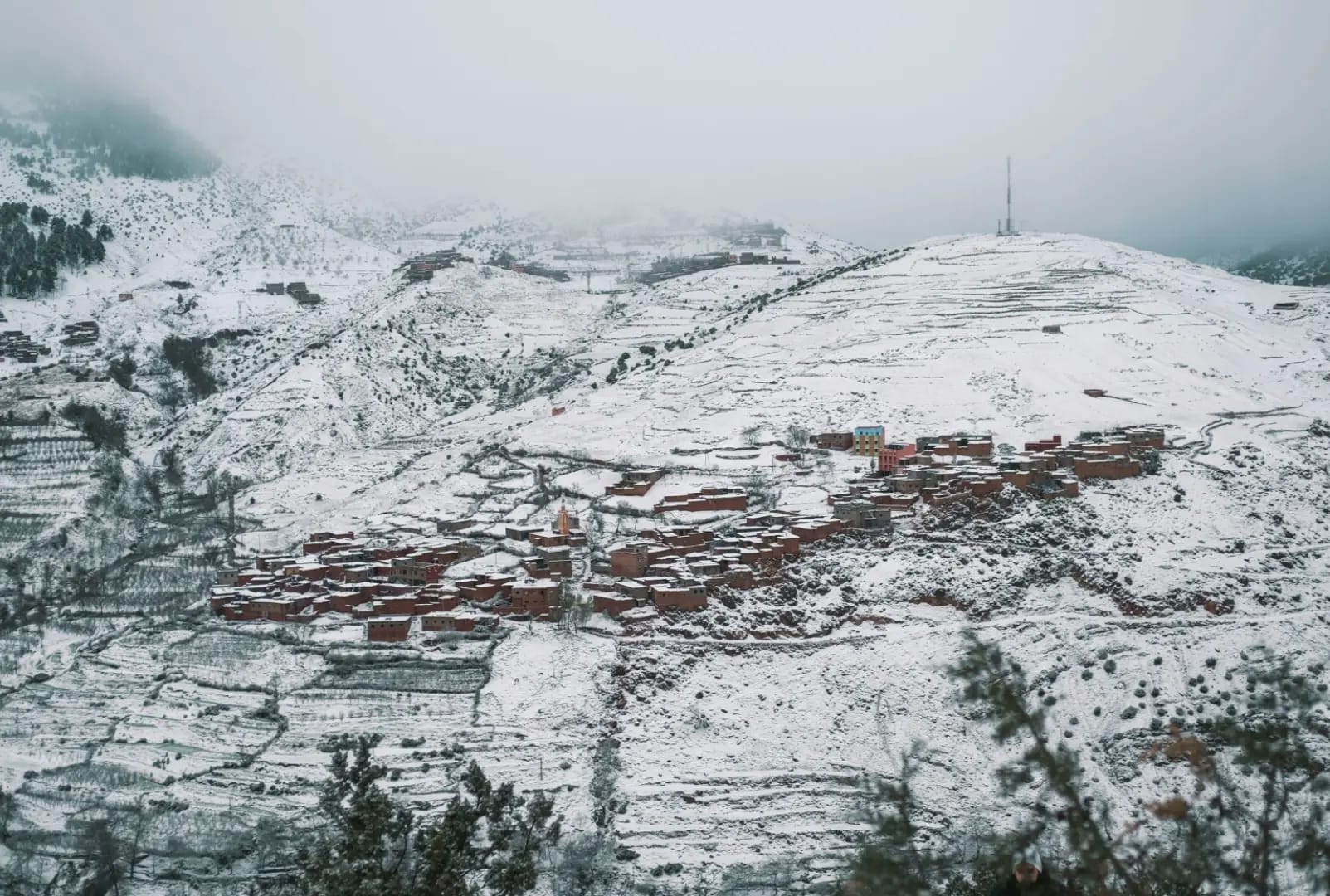
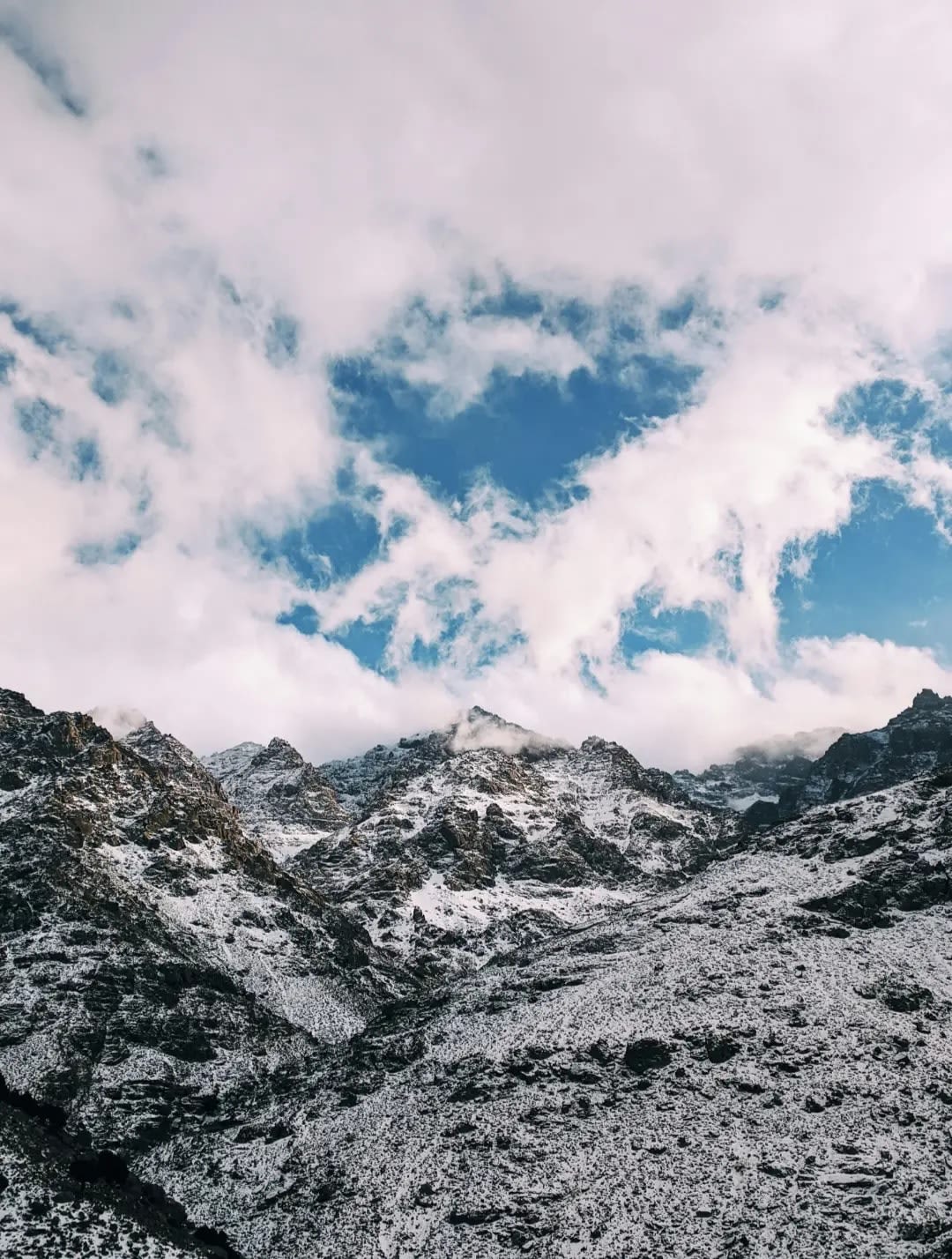
- The High Atlas: The High Atlas is the most prominent and rugged section of the mountain range, with peaks reaching over 4,000 meters (13,123 feet). The highest peak in the range is Mount Toubkal, which stands at 4,167 meters (13,671 feet) and is the highest point in North Africa. The High Atlas is known for its dramatic landscapes, including deep valleys, terraced fields, and traditional Berber villages. The region is also home to several important rivers, including the Oued Oum Er-Rbia and the Oued Souss.
- The Middle Atlas: Located to the north of the High Atlas, the Middle Atlas features a more moderate elevation, with peaks generally ranging between 1,800 and 2,400 meters (5,906 to 7,874 feet). This region is characterized by lush forests, alpine meadows, and several large lakes, including Lake Aguelmame Sidi Ali. The Middle Atlas is also known for its diverse flora and fauna, including cedar forests and populations of Barbary macaques.
- The Anti-Atlas: The Anti-Atlas is the southernmost part of the mountain range, extending from the High Atlas to the edge of the Sahara Desert. This region is distinguished by its arid and semi-arid climate, with lower elevations and more barren landscapes compared to the High and Middle Atlas. The Anti-Atlas is characterized by rocky outcrops, sparse vegetation, and unique geological formations such as the Todra Gorge and the Dades Valley.
📜 History and Cultural Significance
Ancient Settlements: Evidence of ancient human settlements in the Atlas Mountains dates back to prehistoric times. Archaeological sites reveal that the Berber people practiced agriculture and livestock farming in the fertile valleys of the High Atlas and Middle Atlas. The traditional Berber villages, known as kasbahs, are constructed from mud brick and stone, reflecting the region’s architectural heritage.
Islamic Influence: The arrival of Islam in Morocco in the 7th century had a significant impact on the Atlas Mountains. The region became a center of Islamic culture and learning, with notable historical figures such as Ibn Battuta, the famous Moroccan explorer, drawing inspiration from the mountain landscapes. The construction of religious and educational institutions, such as the Koranic schools and mosques, further enriched the cultural tapestry of the region.
Colonial Era: During the late 19th and early 20th centuries, the Atlas Mountains became a focal point for European exploration and colonization. French and Spanish explorers, as well as missionaries, traveled through the mountains, documenting their findings and contributing to the understanding of the region's geography and culture. The Atlas Mountains also played a role in the struggle for Moroccan independence, with the rugged terrain providing a strategic advantage for resistance fighters.
🏃 Activities and Attractions
- Trekking and Hiking: The Atlas Mountains are renowned for their excellent trekking and hiking opportunities. Popular trails include the ascent of Mount Toubkal, which offers breathtaking views from the summit, and the trek through the stunning Ourika Valley. The Toubkal National Park, located in the High Atlas, is a prime destination for hikers, featuring a network of trails that traverse diverse landscapes, from alpine meadows to rocky outcrops.
- Cultural Tours: Exploring the traditional Berber villages scattered throughout the Atlas Mountains provides a unique cultural experience. Visitors can learn about traditional Berber crafts, such as rug weaving and pottery, and sample local cuisine, which features dishes like tagine and couscous. Cultural tours often include visits to historic kasbahs and ancient ruins, offering insights into the region's rich history.
- Skiing and Snowboarding: During the winter months, the High Atlas offers skiing and snowboarding opportunities at the Oukaïmeden ski resort, which is the highest ski resort in Africa. The resort features several ski slopes and facilities for both beginners and experienced skiers. The winter landscape of the High Atlas, covered in snow, provides a picturesque setting for winter sports enthusiasts.
- Wildlife Watching: The Atlas Mountains are home to a variety of wildlife, including the Barbary macaque, a species of monkey native to the region. Wildlife enthusiasts can also spot a range of bird species, such as the golden eagle and the Barbary partridge. The Middle Atlas, with its cedar forests, is a particularly good location for observing wildlife in their natural habitat.
💡 Travel Tips
Best Time to Visit: The best time to visit the Atlas Mountains depends on the activities you plan to do. For trekking and hiking, the spring (March to May) and autumn (September to November) offer mild temperatures and clear skies. Winter (December to February) is ideal for skiing, while summer (June to August) is suitable for exploring lower elevations and cultural tours.
Getting There: The Atlas Mountains can be accessed from major Moroccan cities such as Marrakech, which serves as a gateway to the region. From Marrakech, visitors can take a bus, hire a car, or join a guided tour to reach various parts of the mountains. For trekking and hiking, it is advisable to hire a local guide who is familiar with the trails and can provide valuable insights into the region.
What to Bring: Depending on the season and activities, visitors should pack appropriate clothing, including layers for varying temperatures, sturdy hiking boots, and sun protection. If you plan to trek or hike, bring a daypack with essentials such as water, snacks, a map, and a first aid kit. For winter sports, ensure you have suitable ski or snowboard equipment, as well as warm clothing.
Health and Safety: The high altitude in the Atlas Mountains can cause altitude sickness in some visitors. To acclimate properly, take it easy on the first day and stay hydrated. Also, be aware of the weather conditions, which can change rapidly, and check forecasts before heading out. It is important to follow safety guidelines and respect local customs while exploring the region.
🌱 Conservation
Habitat Preservation: Efforts to preserve the natural habitats of the Atlas Mountains include the establishment of protected areas such as the Toubkal National Park and the Michlifen Ski Resort. These areas are managed to prevent deforestation, erosion, and habitat loss. Reforestation projects aim to restore degraded landscapes and protect species such as the Barbary macaque and the Atlas cedar.
Sustainable Tourism: Sustainable tourism practices are encouraged to minimize the environmental impact of visitors. This includes promoting eco-friendly accommodations, reducing waste, and supporting local communities through responsible tourism. Guided tours and activities are designed to respect the natural environment and cultural traditions of the region.
Cultural Heritage Protection: Protecting the cultural heritage of the Atlas Mountains involves preserving traditional Berber architecture, crafts, and practices. Efforts are made to maintain the authenticity of Berber villages and support local artisans. Educational programs and community engagement initiatives help raise awareness about the importance of cultural preservation.


