Isalo National Park
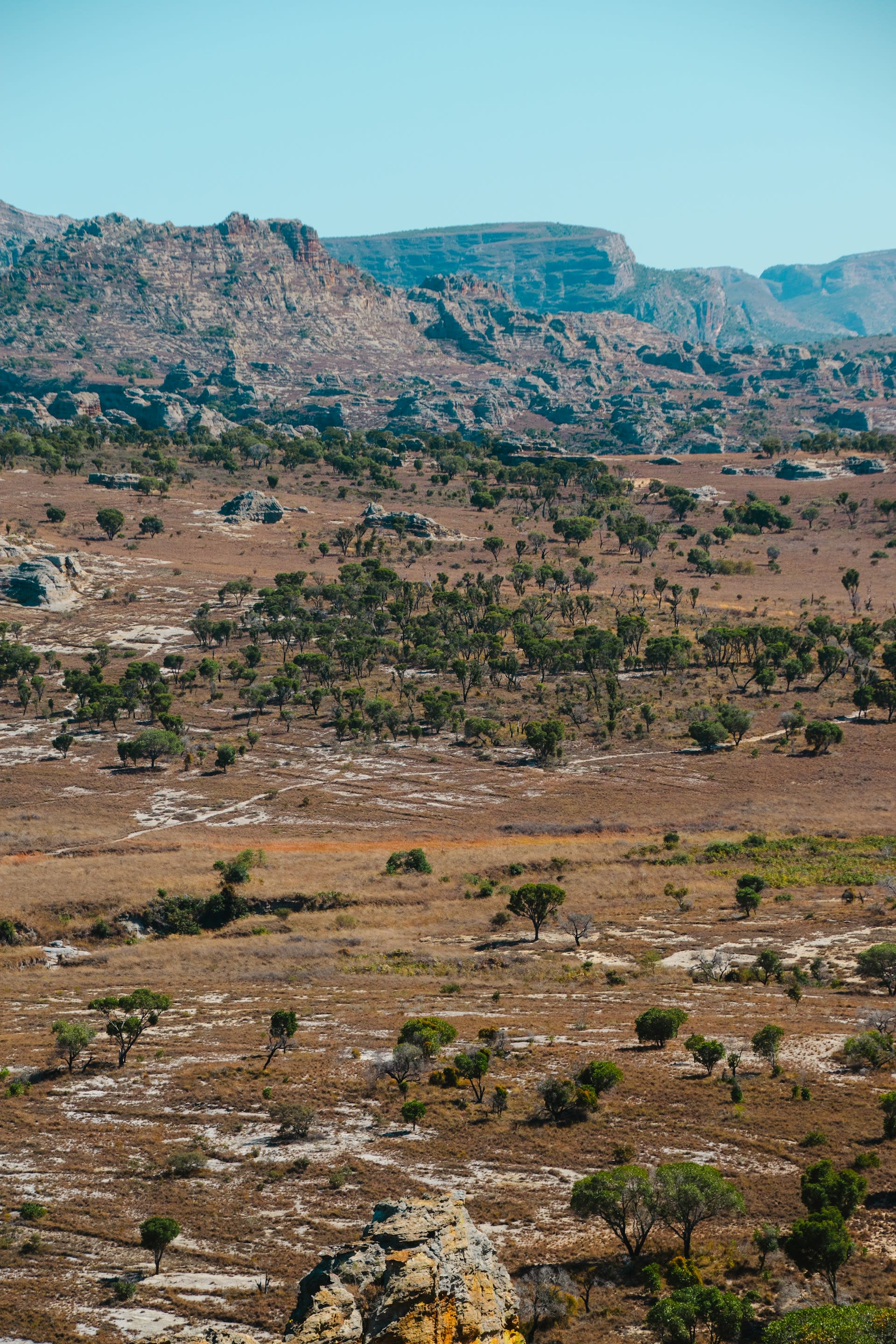
Isalo National Park is a 815 km² protected area in the Ihorombe region of south-central Madagascar — a Jurassic sandstone massif of extraordinary erosional forms rising from the surrounding Ihorombe plateau at elevations of 700–1,268 m. The Isalo massif is carved by millennia of wind and water erosion into a landscape of canyons, natural rock arches, sculptural towers, and oasis gorges containing pools of crystal-clear water fed by permanent springs — the most ecologically productive pockets of life in an otherwise arid landscape. Isalo is Madagascar's most visited national park and one of the most distinctive landscapes in the Indian Ocean world: the red-orange sandstone formations, the palm-fringed canyon pools, the endemic ring-tailed lemurs and sifakas that inhabit the canyon floors, and the extraordinary sunset colours on the eroded rock all combine in a landscape that has no equivalent on the African mainland. The park was established in 1962 and is managed by Madagascar National Parks. The nearby town of Ranohira (on the RN7 — Madagascar's main national road connecting Antananarivo to Toliara) is the gateway settlement.
🌍 Geography and Ecosystem
- Canyon Oases and Swimming Pools: The deep canyons cut into the Isalo massif contain permanent water springs fed by rainwater filtering through the sandstone and emerging at the contact zone with impermeable basement rock. The springs maintain oasis environments — pools of crystal-clear water surrounded by Bismarckia palms, pandanus, and endemic flora — in the otherwise semi-arid canyon environment. The three most visited pools are the Piscine Naturelle (Natural Pool, blue-green water in a palm canyon, 3 km hike from the park entrance), the Piscine Bleue (Blue Pool, deeper and cooler, more remote), and the canyon pool at Canyon des Makis (named for the ring-tailed lemurs that inhabit the palm groves). Swimming in the natural pools is permitted and is one of the most enjoyable experiences in the park.
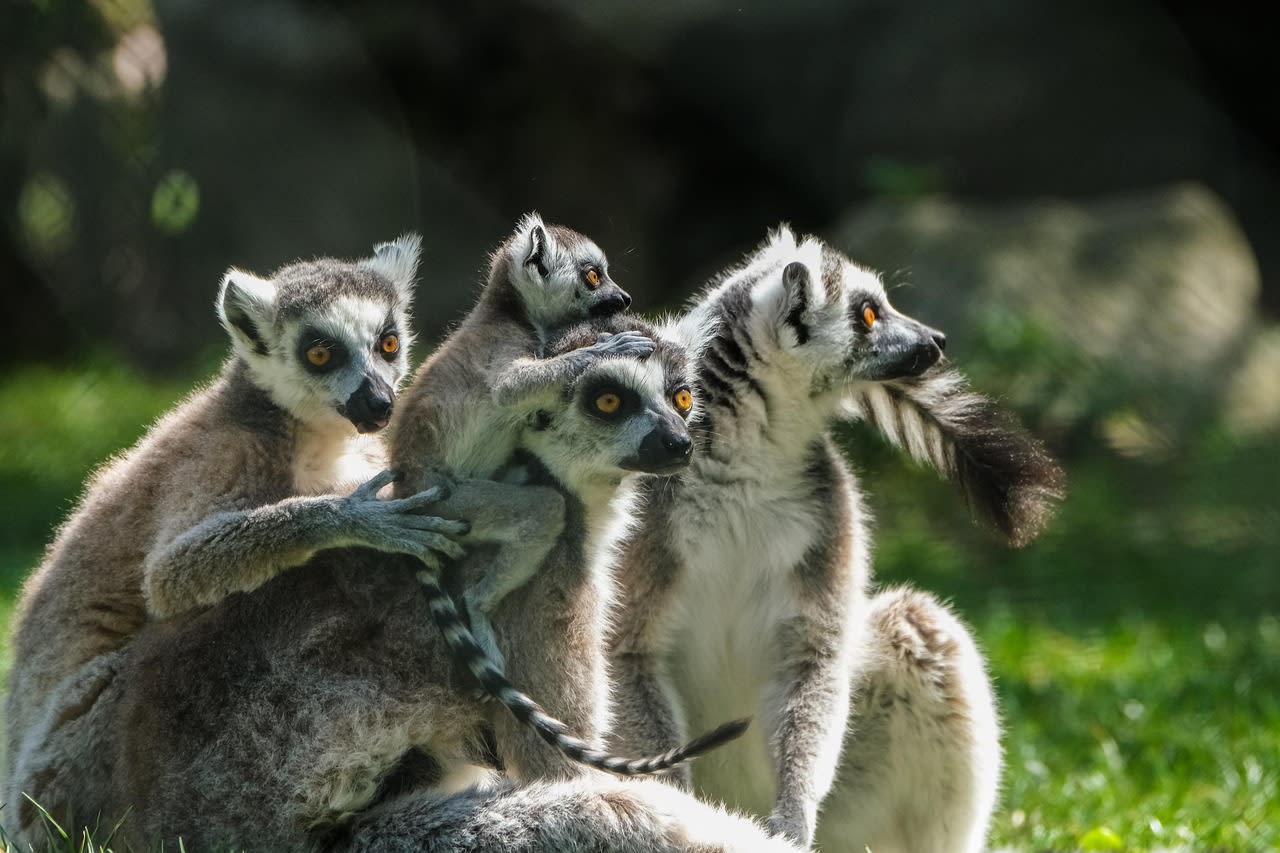
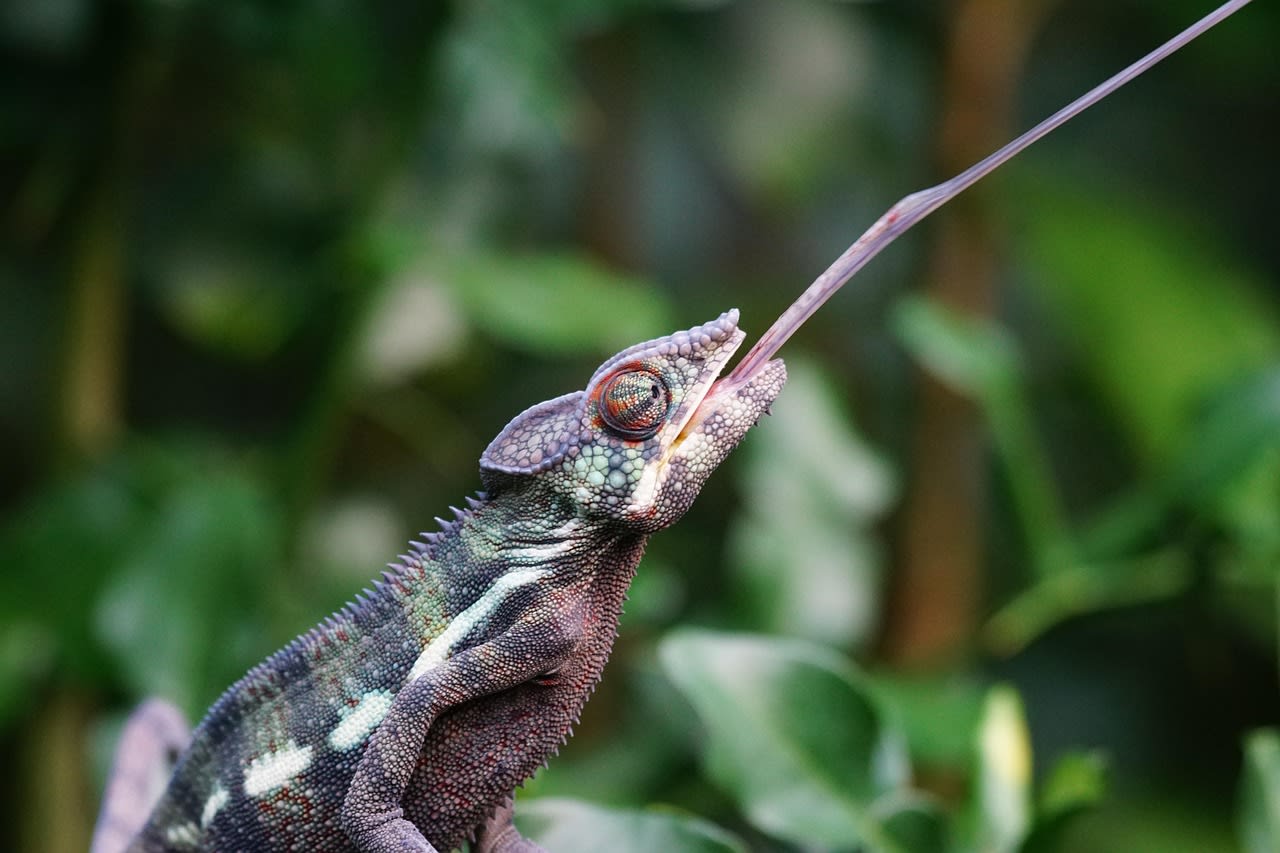
- Ring-tailed Lemurs and Sifakas: Isalo is one of the most reliable locations in Madagascar for encountering ring-tailed lemurs (Lemur catta) in their natural habitat — the canyon floors and palm oases support habituated groups that are frequently encountered on the main hiking circuits. The Verreaux's sifaka (Propithecus verreauxi) — which travels across open ground by dancing bipedal sideways jumps — is also resident in the park. Both species are most active in the cool of morning (6–10am) and late afternoon (4–6pm). The canyon crevices also shelter chameleons, leaf-tailed geckos, and several species of day geckos endemic to Madagascar.
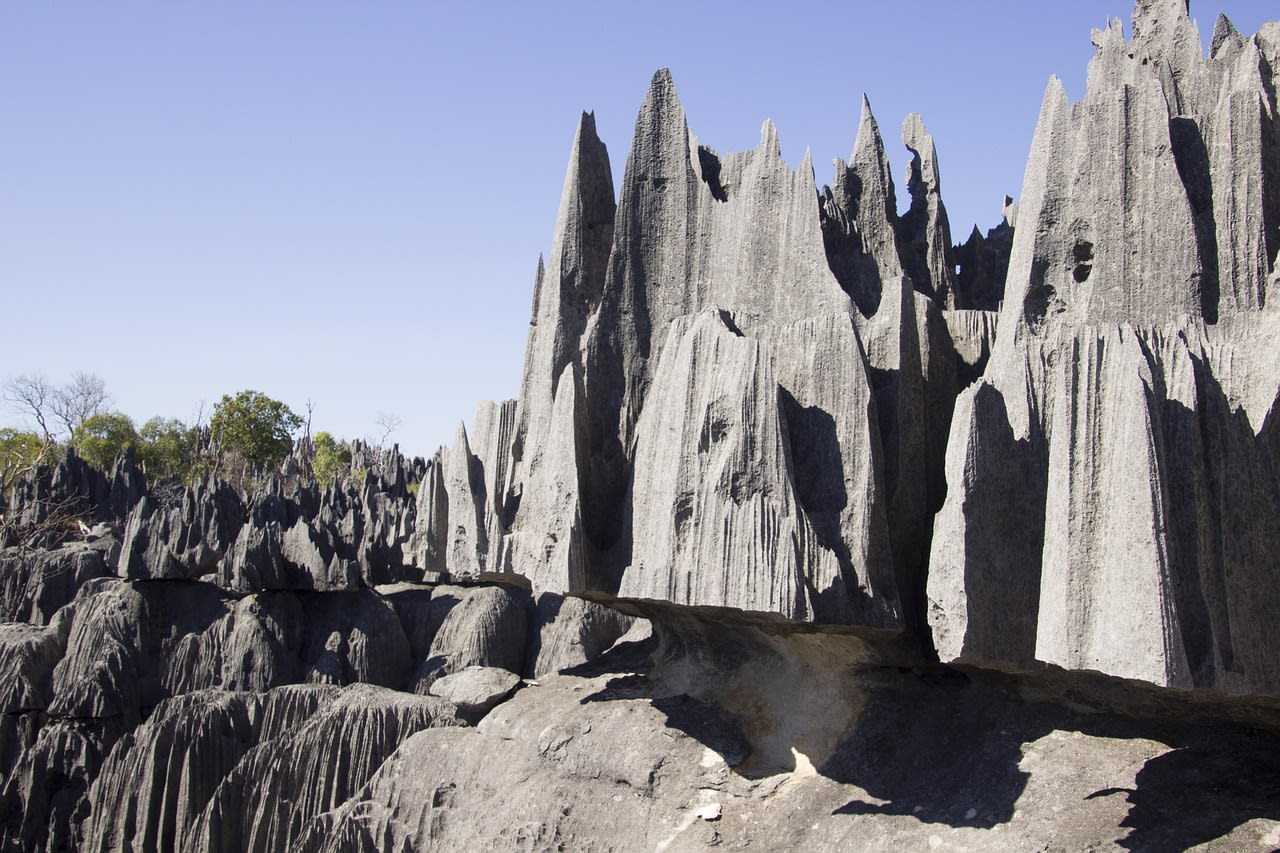
- Rock Formations and Sunset Silhouettes: The Isalo massif's erosional forms — natural windows (rock arches), mushroom rocks, towers, and ridges sculpted into organic shapes by 160 million years of weathering — are most spectacular in the low lateral light of early morning and late afternoon, when the orange-red sandstone fires into amber and crimson and the formation silhouettes against the sky become graphic and abstract. The Window of Isalo (a natural rock arch visible from the RN7 road) is the most famous single feature and is most dramatic at sunset when the setting sun projects the arch shape onto the sky behind.
- Bara Cultural Heritage: The Isalo massif is sacred to the Bara people — the semi-nomadic cattle-herding ethnic group of the Ihorombe plateau who have used the canyon shelters as burial sites for centuries. Bara tombs are cut into the sandstone cliff faces in the canyon walls — small rectangular chambers sealed with stone slabs containing the interred remains and grave goods of important Bara individuals. The tombs are sacred and must not be approached or photographed — an important cultural sensitivity that guides communicate to all visitors. The Bara continue to herd zebu (humped cattle) across the Isalo plateau and the park's grazing areas in a pastoral system adapted to the dry open woodland and grassland of the region.
📜 History and Cultural Significance
The town of Ranohira at the park's northern edge grew as a service settlement on the RN7 during the colonial road construction programme — the road connecting Antananarivo to Toliara (the main southern port) passes directly alongside the park and brought the first tourist access to Isalo in the 1970s. The park is now the primary economic driver of the Ranohira area, with the guide network, guesthouses, and craft markets of the town entirely dependent on visitor revenue from the national park.
🏃 Activities and Attractions
- Canyon des Makis and Piscine Naturelle: The most popular hiking circuit in the park — a 7–10 km loop through the Canyon des Makis (reliable ring-tailed lemur sightings in the palm grove section) to the Piscine Naturelle swimming pool and returning via the plateau edge. The walk is 4–5 hours with moderate exertion, suitable for fit day hikers with a guide. The swimming pool stop (30–45 min) in the crystal-clear palm-shaded pool is the highlight. Guides are compulsory for all Isalo trails — book through the MNP office at Ranohira.
- Piscine Bleue Circuit: A longer and more demanding circuit (12–15 km, full day) reaching the deeper and more remote Blue Pool — a cold, deep swimming pool in an enclosed canyon section with more dramatic cliff walls than the Natural Pool. The circuit passes through more varied terrain including open quartzite plateau and the Canyon Namaza. Sifaka sightings are more frequent on this route than on the shorter Natural Pool circuit. Overnight camping options allow extending the circuit to a 2-day loop with a canyon camp.
- Sunset at the Window of Isalo: The natural sandstone arch visible from the RN7 south of Ranohira is the most photographed single Isalo feature — most easily visited at the end of a hiking day when the late afternoon light fires the formation orange-red. The arch is best photographed from the road viewpoint looking west in the hour before sunset. Several Ranohira guesthouses organise evening viewing excursions to the Window.
- Guided Natural History Walks: MNP-licensed guides with specialist botanical knowledge offer walking tours focusing on the endemic flora of the canyon oases — the palms (Bismarckia nobilis, the endemic Isalo pachypodium species), the succulent plants of the dry plateau (including the extraordinary Pachypodium rosulatum — the elephant's foot plant with pale yellow flowers emerging directly from a bulbous grey trunk), and the endemic reptiles and chameleons of the sandstone crevices. The herpetofauna walks at dawn and dusk are particularly productive for chameleon sightings.
💡 Travel Tips
Best Season: April–November is the dry season — the ideal hiking period, with clear skies, cool mornings, and dry trail conditions. The canyon pools are at their most inviting in the dry season when they are fed by springs rather than muddy seasonal run-off. December–March is the wet season — trails may be flooded, some circuits inaccessible, and the sandstone becomes slippery. However, the wet season vegetation is lush and green and the park is almost empty of tourists.
Guides and Permits: All visits require a Madagascar National Parks entry permit (purchased at the MNP office in Ranohira) and a licensed MNP guide (compulsory, arranged at the same office). Guides speak French, Malagasy, and varying levels of English. The park office opens at 7:30am — arriving early allows the first entry onto the trail before the heat of the day. Rates for guides are set by the park authority and should not be negotiated down — the guide network is the primary formal employment in Ranohira.
🌱 Conservation
The canyon oasis ecosystems — the most ecologically significant habitats in the park — are relatively protected by their inaccessibility and the difficulty of agriculture in the canyon terrain. The endemic plant species of the Isalo sandstone (several pachypodium species and the Bismarckia palm are found in significant density only in Isalo) are not currently under immediate threat, but climate change projections for southern Madagascar (increasing drought frequency and intensity) raise concerns about the long-term water table stability that maintains the canyon springs. The Malagasy ring-tailed lemur population — the Isalo population is one of the most genetically distinct in Madagascar — is monitored by MNP as an indicator species for the park's ecological health.