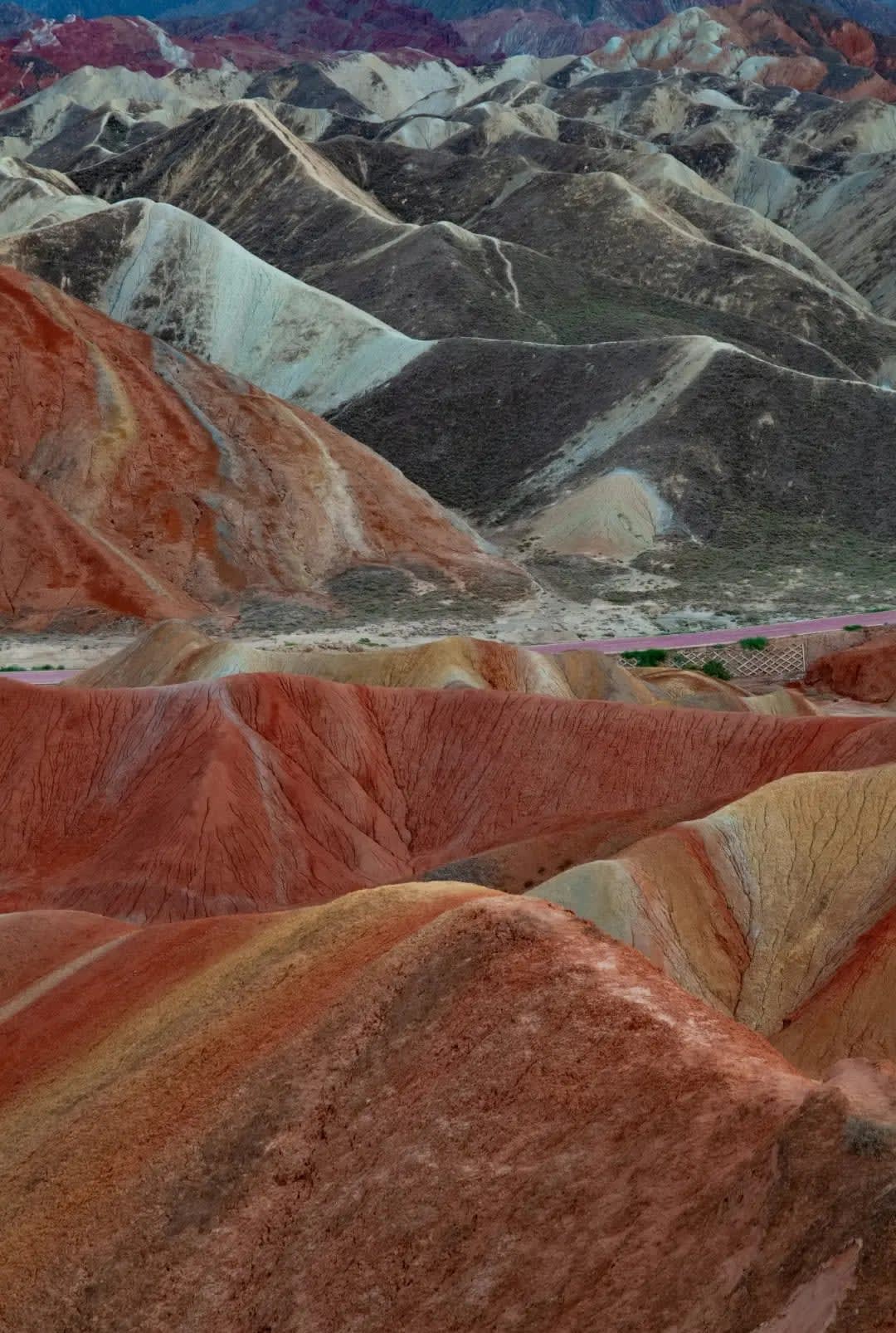
Zhangye Danxia
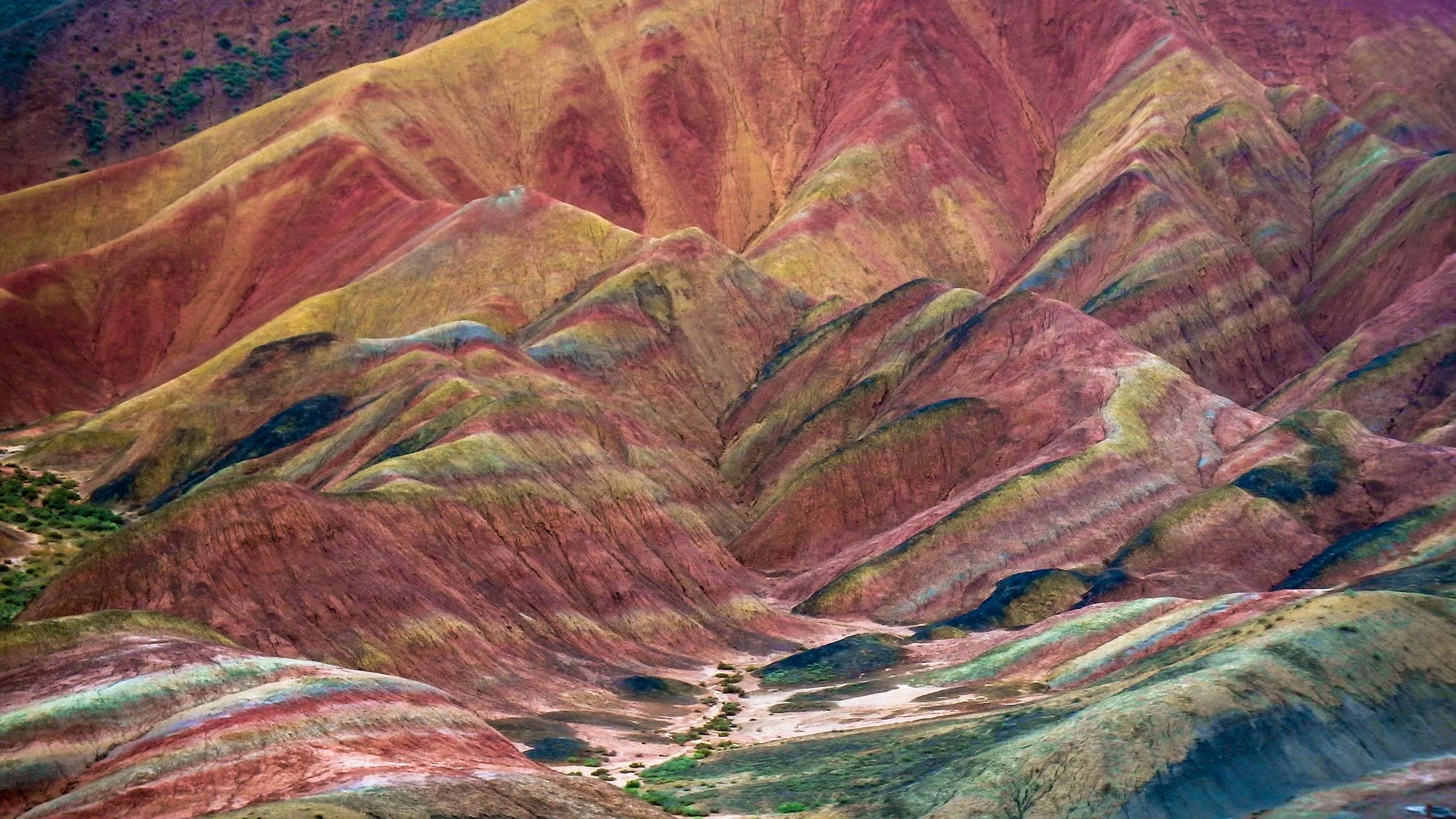
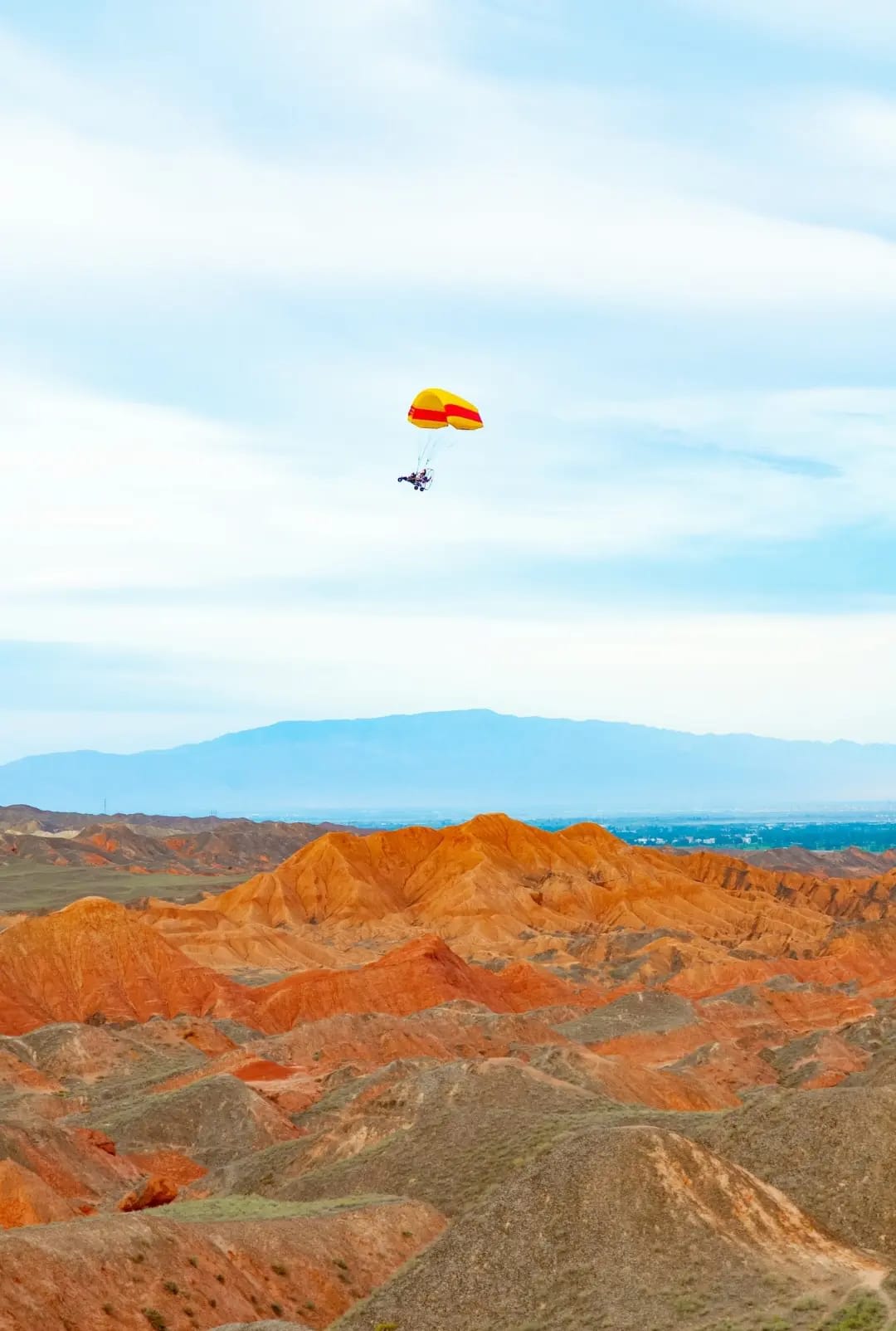
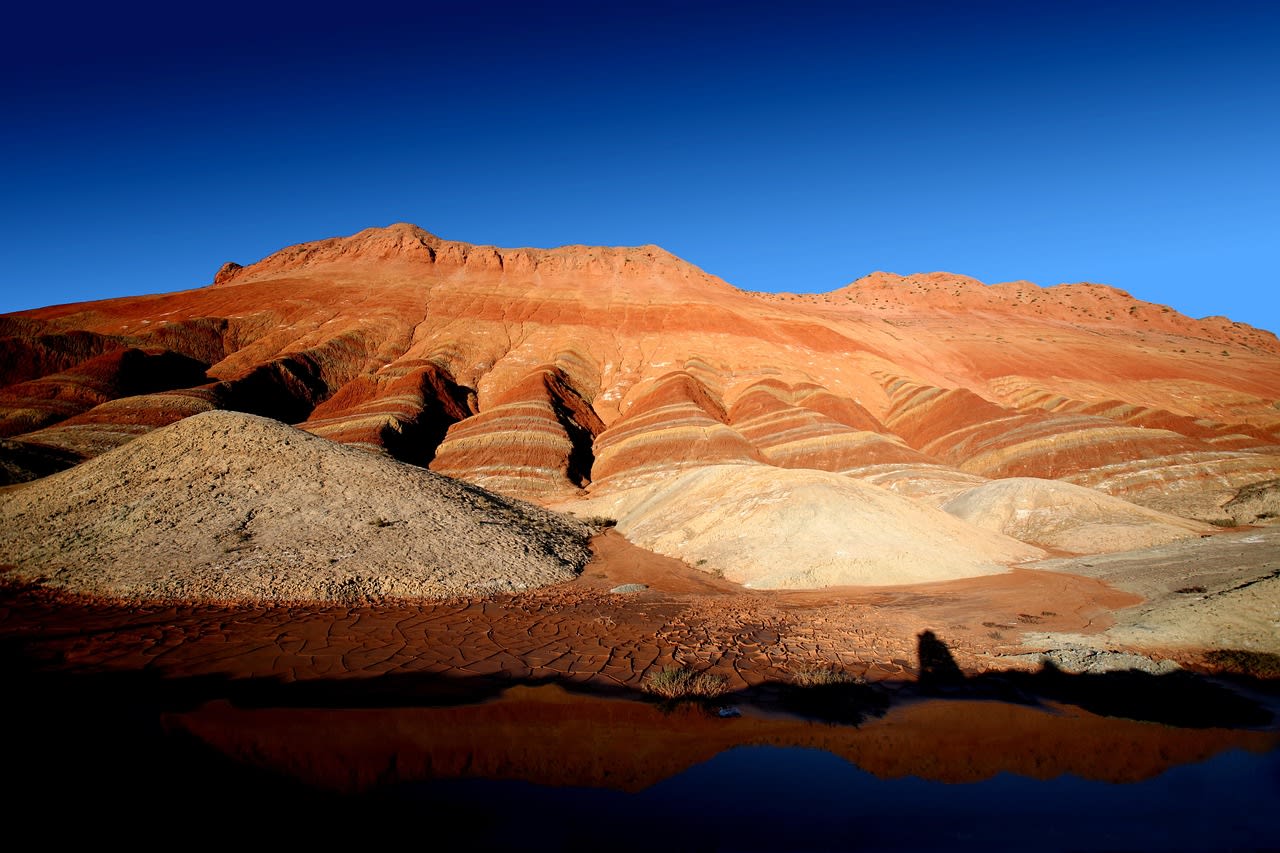
The Zhangye Danxia Landform, located in Zhangye City in Gansu Province, China, is renowned for its striking and colorful rock formations. Often referred to as the 'Rainbow Mountains,' this UNESCO World Heritage Site is famous for its vividly colored strata of rock that resemble a painter's palette. The unique landform was shaped by millions of years of geological activity, including erosion and sedimentation, resulting in a breathtaking landscape that has captivated visitors and photographers alike. This guide provides a comprehensive overview of the Zhangye Danxia Landform, including its geography, history, activities, travel tips, conservation efforts, and visitor experiences.
🌍 Geography and Geological Features
The Zhangye Danxia Landform is a geological wonder characterized by its vibrant and varied rock formations, shaped over millions of years.
- Formation and Composition: The Danxia Landform was formed during the Cretaceous and Paleogene periods. It consists of sandstone and conglomerate rock layers that have been shaped by erosion, sedimentation, and tectonic activity. The unique colors are the result of various mineral deposits and the oxidation of iron and other minerals within the rock layers.
- Colorful Strata: The most striking feature of the Zhangye Danxia Landform is its vivid and varied colors. The rock formations display a spectrum of hues, including reds, oranges, yellows, greens, and purples. The colors are arranged in distinct stripes and patterns, creating a visually stunning effect that resembles a painted canvas.
- Erosion and Erosion Processes: The current landscape has been shaped by millions of years of erosion, including wind and water erosion. These processes have sculpted the rock into intricate and dramatic formations, including cliffs, peaks, and valleys. The erosional features contribute to the unique appearance of the landform.
📜 History and Significance
The Zhangye Danxia Landform has significant geological and cultural importance, reflecting its unique formation and role in local heritage.
Geological Discovery: The unique geological features of the Zhangye Danxia Landform were first scientifically documented in the late 20th century. The landform's unusual and colorful appearance drew attention from geologists and researchers, leading to its designation as a UNESCO World Heritage Site in 2010.
Cultural Significance: The landform is also culturally significant to the local communities. The vibrant colors and striking formations are often incorporated into local art, folklore, and cultural expressions. The area is revered for its natural beauty and is considered a symbol of the region's unique landscape.
Tourism Development: The recognition of the Zhangye Danxia Landform as a UNESCO World Heritage Site has led to increased tourism and conservation efforts. The development of visitor facilities and guided tours has made the area more accessible while aiming to preserve its natural and cultural heritage.
Geological Discovery: The unique geological features of the Zhangye Danxia Landform were first scientifically documented in the late 20th century. The landform's unusual and colorful appearance drew attention from geologists and researchers, leading to its designation as a UNESCO World Heritage Site in 2010.
Cultural Significance: The landform is also culturally significant to the local communities. The vibrant colors and striking formations are often incorporated into local art, folklore, and cultural expressions. The area is revered for its natural beauty and is considered a symbol of the region's unique landscape.
Tourism Development: The recognition of the Zhangye Danxia Landform as a UNESCO World Heritage Site has led to increased tourism and conservation efforts. The development of visitor facilities and guided tours has made the area more accessible while aiming to preserve its natural and cultural heritage.
🏃 Activities and Attractions
Visitors to the Zhangye Danxia Landform can enjoy a variety of activities and attractions that highlight its natural beauty and geological significance.
- Scenic Viewing: The primary attraction of the Zhangye Danxia Landform is the opportunity to view its stunning rock formations. The best viewing spots are located along designated observation platforms and trails. Sunrise and sunset offer particularly dramatic lighting and enhance the colors of the rock formations.
- Photography: The vibrant colors and unique shapes of the rock formations make Zhangye Danxia a popular destination for photographers. Capturing the landscape in different lighting conditions can reveal a range of colors and textures. The landform's striking appearance provides an ideal backdrop for both professional and amateur photography.
- Hiking and Exploration: Several trails and pathways allow visitors to explore the landform up close. Hiking provides an opportunity to experience the intricate details of the rock formations and the surrounding landscape. Guided tours are available to provide additional information about the geology and history of the area.
💡 Travel Tips
To ensure a rewarding visit to the Zhangye Danxia Landform, consider these practical travel tips.
Best Time to Visit: The best times to visit the Zhangye Danxia Landform are during the spring (April to June) and autumn (September to October). These seasons offer pleasant weather and clear skies, which enhance the visibility of the colorful rock formations. Summer can be hot, while winter temperatures may be cold and less comfortable for outdoor activities.
Access and Transportation: Zhangye is accessible by air, train, and bus from major cities such as Beijing and Xi'an. Once in Zhangye, transportation to the Danxia Landform can be arranged through local tour operators or rental services. It is advisable to plan transportation in advance and consider guided tours for a more informative experience.
What to Bring: Wear comfortable walking shoes suitable for hiking and dress in layers to accommodate changing weather conditions. Bring essentials such as water, snacks, sunscreen, and a camera. A hat and sunglasses are recommended for protection against the sun, especially during the summer months.
Best Time to Visit: The best times to visit the Zhangye Danxia Landform are during the spring (April to June) and autumn (September to October). These seasons offer pleasant weather and clear skies, which enhance the visibility of the colorful rock formations. Summer can be hot, while winter temperatures may be cold and less comfortable for outdoor activities.
Access and Transportation: Zhangye is accessible by air, train, and bus from major cities such as Beijing and Xi'an. Once in Zhangye, transportation to the Danxia Landform can be arranged through local tour operators or rental services. It is advisable to plan transportation in advance and consider guided tours for a more informative experience.
What to Bring: Wear comfortable walking shoes suitable for hiking and dress in layers to accommodate changing weather conditions. Bring essentials such as water, snacks, sunscreen, and a camera. A hat and sunglasses are recommended for protection against the sun, especially during the summer months.
🌱 Conservation
Conservation efforts at the Zhangye Danxia Landform focus on preserving its unique geological features while managing the impact of tourism.
Protection of Geological Features: Conservation programs aim to protect the delicate rock formations from damage and erosion caused by human activity. This includes monitoring visitor impact, implementing regulations to limit damage, and maintaining infrastructure to minimize environmental impact.
Sustainable Tourism: To ensure sustainable tourism practices, measures are taken to manage visitor numbers and reduce environmental impact. This includes providing education on responsible tourism, controlling access to sensitive areas, and promoting eco-friendly practices.
Restoration Projects: Efforts are made to restore and rehabilitate areas affected by erosion or human activity. Restoration projects help maintain the landform's natural beauty and ensure its long-term preservation for future generations.
Protection of Geological Features: Conservation programs aim to protect the delicate rock formations from damage and erosion caused by human activity. This includes monitoring visitor impact, implementing regulations to limit damage, and maintaining infrastructure to minimize environmental impact.
Sustainable Tourism: To ensure sustainable tourism practices, measures are taken to manage visitor numbers and reduce environmental impact. This includes providing education on responsible tourism, controlling access to sensitive areas, and promoting eco-friendly practices.
Restoration Projects: Efforts are made to restore and rehabilitate areas affected by erosion or human activity. Restoration projects help maintain the landform's natural beauty and ensure its long-term preservation for future generations.
✨ Conclusion
The Zhangye Danxia Landform is a spectacular natural wonder that showcases the incredible power of geological processes and the beauty of diverse rock formations. Its vibrant colors and unique shapes offer a visual feast for visitors and a valuable insight into the Earth's history. Conservation efforts ensure that this remarkable landscape is preserved for future generations while allowing people to appreciate its extraordinary beauty. A visit to Zhangye Danxia is an unforgettable experience that highlights the wonders of our planet and the importance of protecting our natural heritage.