Huangshan
Huangshan, also known as the Yellow Mountains, is a renowned mountain range in Anhui Province, eastern China. Famous for its unique granite peaks, ancient pine trees, and hot springs, Huangshan is one of China's most iconic and picturesque landscapes. The range has inspired countless artists, poets, and photographers throughout history. Recognized as a UNESCO World Heritage Site, Huangshan offers a blend of natural beauty, cultural significance, and outdoor adventure. This comprehensive guide explores the geography, history, activities, travel tips, conservation efforts, and visitor experiences related to Huangshan.
🌍 Geography and Natural Features
Huangshan's geographical features are distinguished by its dramatic mountain peaks, ancient forests, and thermal springs.
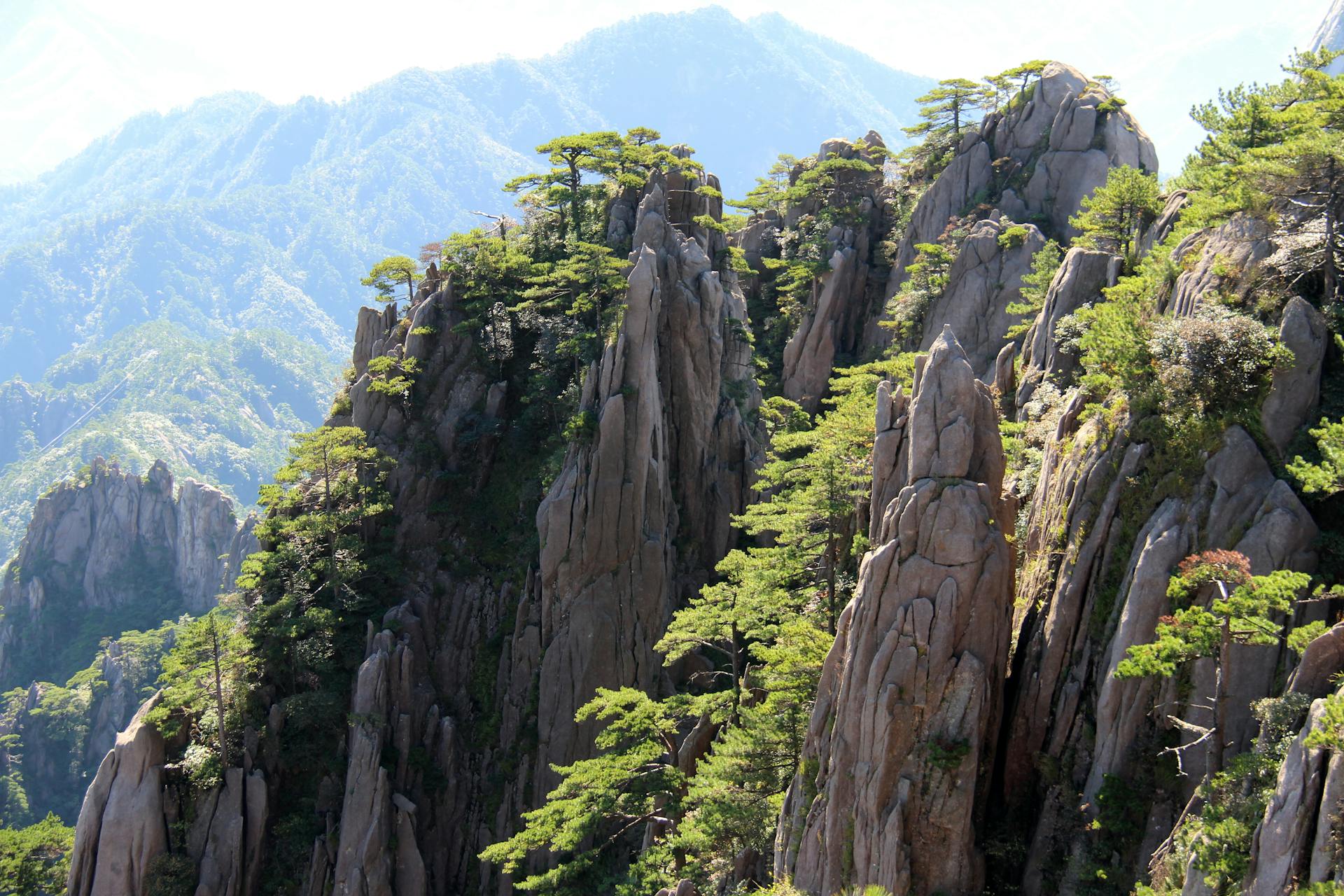
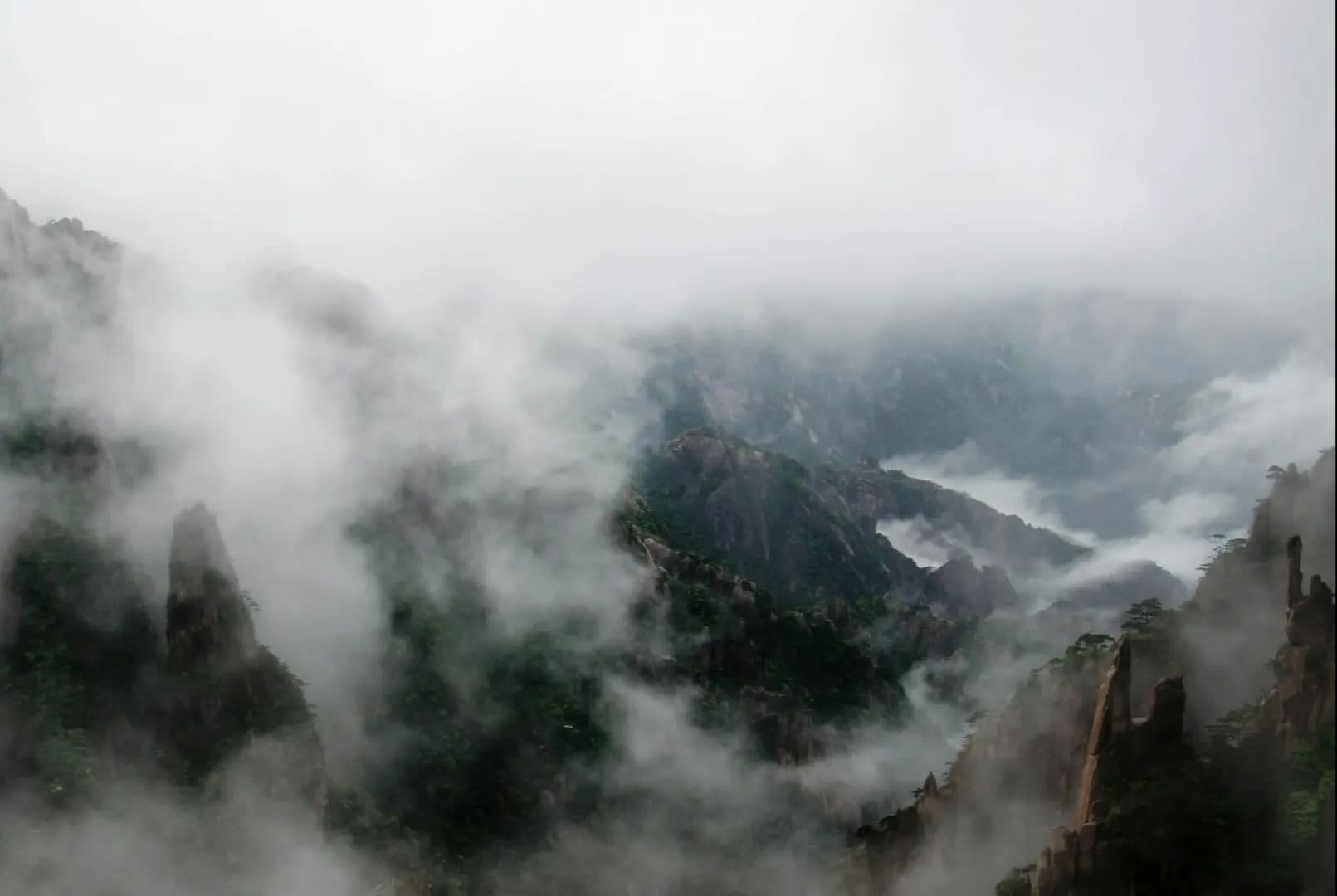
- Granite Peaks: Huangshan is renowned for its striking granite peaks, which rise abruptly from the surrounding landscape. Notable peaks include the Lotus Peak, Bright Summit Peak, and Celestial Peak. These peaks are characterized by their rugged, steep slopes and distinctive shapes.
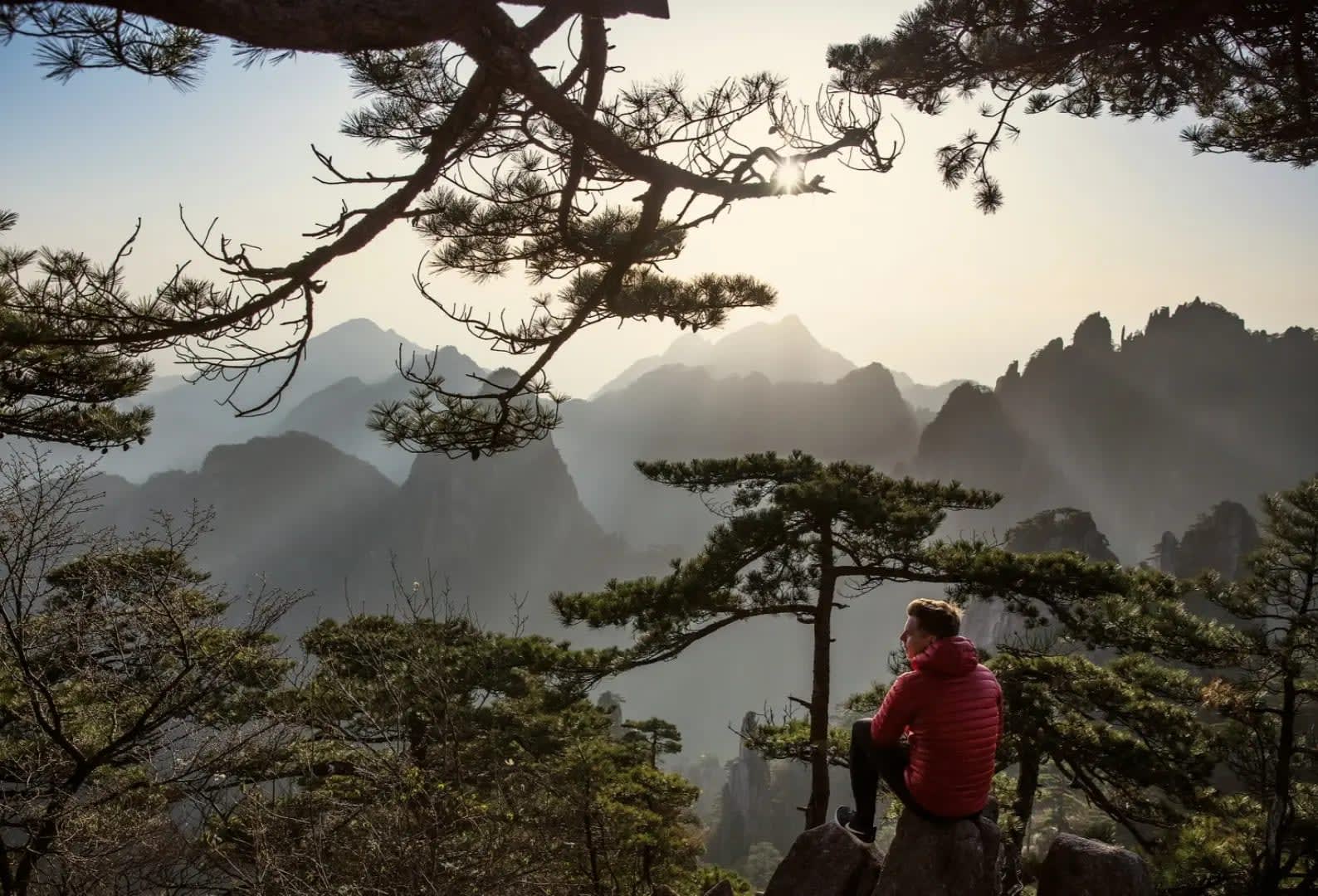
- Ancient Pine Trees: The mountain range is home to ancient pine trees that cling to the steep rock faces. These trees, including the famous 'Welcome Pine' and 'Hairpin Pine,' have become symbolic of Huangshan and add to its ethereal landscape.
- Hot Springs: Huangshan features several natural hot springs, such as the Tangkou Hot Springs, which are situated at the foot of the mountains. These springs offer a relaxing experience and are surrounded by scenic views.
📜 History and Cultural Significance
Huangshan has a rich history and cultural significance that spans over a millennium, making it a crucial site in Chinese heritage.
Ancient Records: Huangshan's unique landscape has been celebrated in Chinese art and literature for centuries. The mountains have been a frequent subject in classical Chinese paintings, poems, and writings, symbolizing beauty, endurance, and the harmony between nature and humanity.
Historical Development: The development of Huangshan as a tourist destination began in the Tang Dynasty (618-907 AD) when scholars and poets started documenting its beauty. The infrastructure for tourism was significantly developed during the Ming (1368-1644) and Qing (1644-1912) dynasties.
Cultural Heritage: The mountains are associated with various Chinese myths and legends. They are considered a symbol of the natural beauty and spiritual essence of China. Huangshan’s cultural significance is also reflected in the traditional architecture and religious practices found in the area.
Ancient Records: Huangshan's unique landscape has been celebrated in Chinese art and literature for centuries. The mountains have been a frequent subject in classical Chinese paintings, poems, and writings, symbolizing beauty, endurance, and the harmony between nature and humanity.
Historical Development: The development of Huangshan as a tourist destination began in the Tang Dynasty (618-907 AD) when scholars and poets started documenting its beauty. The infrastructure for tourism was significantly developed during the Ming (1368-1644) and Qing (1644-1912) dynasties.
Cultural Heritage: The mountains are associated with various Chinese myths and legends. They are considered a symbol of the natural beauty and spiritual essence of China. Huangshan’s cultural significance is also reflected in the traditional architecture and religious practices found in the area.
🏃 Activities and Attractions
Huangshan offers a diverse range of activities that cater to nature enthusiasts, hikers, and cultural explorers.
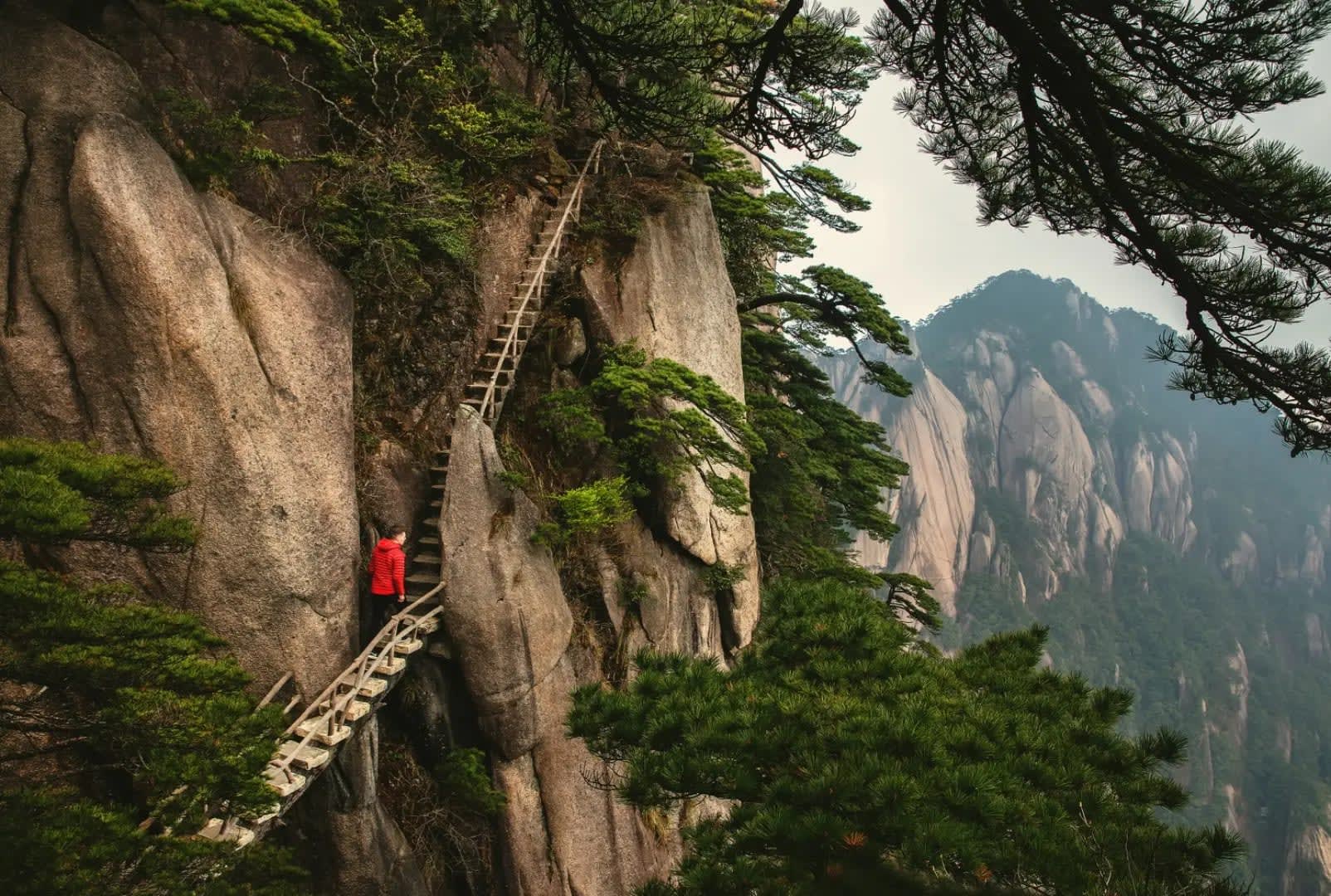
- Hiking and Climbing: The most popular activity in Huangshan is hiking. The range has a network of well-maintained trails that lead to its famous peaks, including the challenging ascent to the Lotus Peak. Hikers can enjoy breathtaking views, unique rock formations, and diverse flora along the way.
- Cable Car Rides: For those who prefer a more relaxed approach, Huangshan offers cable car rides that provide stunning aerial views of the mountains. The cable cars connect major scenic spots, including the Yungu and Huangshi stations.
- Photography: Huangshan is a photographer’s paradise, offering stunning vistas of its granite peaks, ancient pines, and cloud seas. The changing weather conditions often create dramatic and atmospheric scenes, perfect for capturing memorable photographs.
💡 Travel Tips
To ensure a pleasant visit to Huangshan, consider these practical travel tips.
Best Time to Visit: The best times to visit Huangshan are during the spring (April to June) and autumn (September to November) when the weather is mild and the landscape is particularly scenic. Summer can be crowded and hot, while winter offers opportunities to see the mountains blanketed in snow.
Access and Transportation: Huangshan is accessible by train, bus, and plane. The nearest major city is Huangshan City, from where visitors can take a bus or taxi to the mountain base. The park has a well-organized transportation system, including shuttle buses and cable cars.
What to Bring: Wear sturdy hiking boots, comfortable clothing, and weather-appropriate gear. The weather in the mountains can change rapidly, so it's advisable to bring layers and rain protection. Don’t forget a camera to capture the stunning views and a water bottle to stay hydrated.
Best Time to Visit: The best times to visit Huangshan are during the spring (April to June) and autumn (September to November) when the weather is mild and the landscape is particularly scenic. Summer can be crowded and hot, while winter offers opportunities to see the mountains blanketed in snow.
Access and Transportation: Huangshan is accessible by train, bus, and plane. The nearest major city is Huangshan City, from where visitors can take a bus or taxi to the mountain base. The park has a well-organized transportation system, including shuttle buses and cable cars.
What to Bring: Wear sturdy hiking boots, comfortable clothing, and weather-appropriate gear. The weather in the mountains can change rapidly, so it's advisable to bring layers and rain protection. Don’t forget a camera to capture the stunning views and a water bottle to stay hydrated.
🌱 Conservation
Conservation efforts in Huangshan are focused on preserving its natural beauty and ensuring sustainable tourism practices.
Ecosystem Protection: Conservation programs aim to protect the diverse ecosystems within Huangshan, including its flora, fauna, and geological formations. Efforts are made to manage visitor impact and preserve the integrity of the natural environment.
Waste Management: Measures are in place to manage waste generated by visitors. This includes proper waste disposal facilities and regular cleaning of the trails and scenic areas.
Education and Awareness: The park provides educational resources to raise awareness about environmental conservation and promote responsible behavior among visitors. Guided tours often include information about the park’s ecological significance and conservation efforts.
Ecosystem Protection: Conservation programs aim to protect the diverse ecosystems within Huangshan, including its flora, fauna, and geological formations. Efforts are made to manage visitor impact and preserve the integrity of the natural environment.
Waste Management: Measures are in place to manage waste generated by visitors. This includes proper waste disposal facilities and regular cleaning of the trails and scenic areas.
Education and Awareness: The park provides educational resources to raise awareness about environmental conservation and promote responsible behavior among visitors. Guided tours often include information about the park’s ecological significance and conservation efforts.
✨ Conclusion
Huangshan, with its majestic granite peaks, ancient pine trees, and serene hot springs, stands as one of China’s most iconic and awe-inspiring natural landmarks. Its rich history, diverse activities, and breathtaking landscapes make it a destination that appeals to hikers, photographers, and cultural enthusiasts alike. The mountain range’s conservation efforts ensure that its natural beauty is preserved for future generations to enjoy. A visit to Huangshan promises an unforgettable experience amidst some of the most stunning landscapes in the world.