Jiǔzhàigōu
Jiǔzhàigōu, or Jiuzhaigou Valley, is a stunning national park located in Sichuan Province, China. Renowned for its picturesque landscapes, vibrant turquoise lakes, cascading waterfalls, and diverse ecosystems, Jiuzhaigou Valley is a UNESCO World Heritage Site and a popular destination for nature lovers and photographers. The park’s unique combination of natural beauty and cultural heritage offers a rich and immersive experience. This comprehensive guide explores Jiuzhaigou Valley’s geography, history, activities, travel tips, conservation efforts, and visitor experiences.
🌍 Geography and Natural Features
Jiuzhaigou Valley is famous for its breathtaking natural landscapes, characterized by a variety of geological and ecological features.
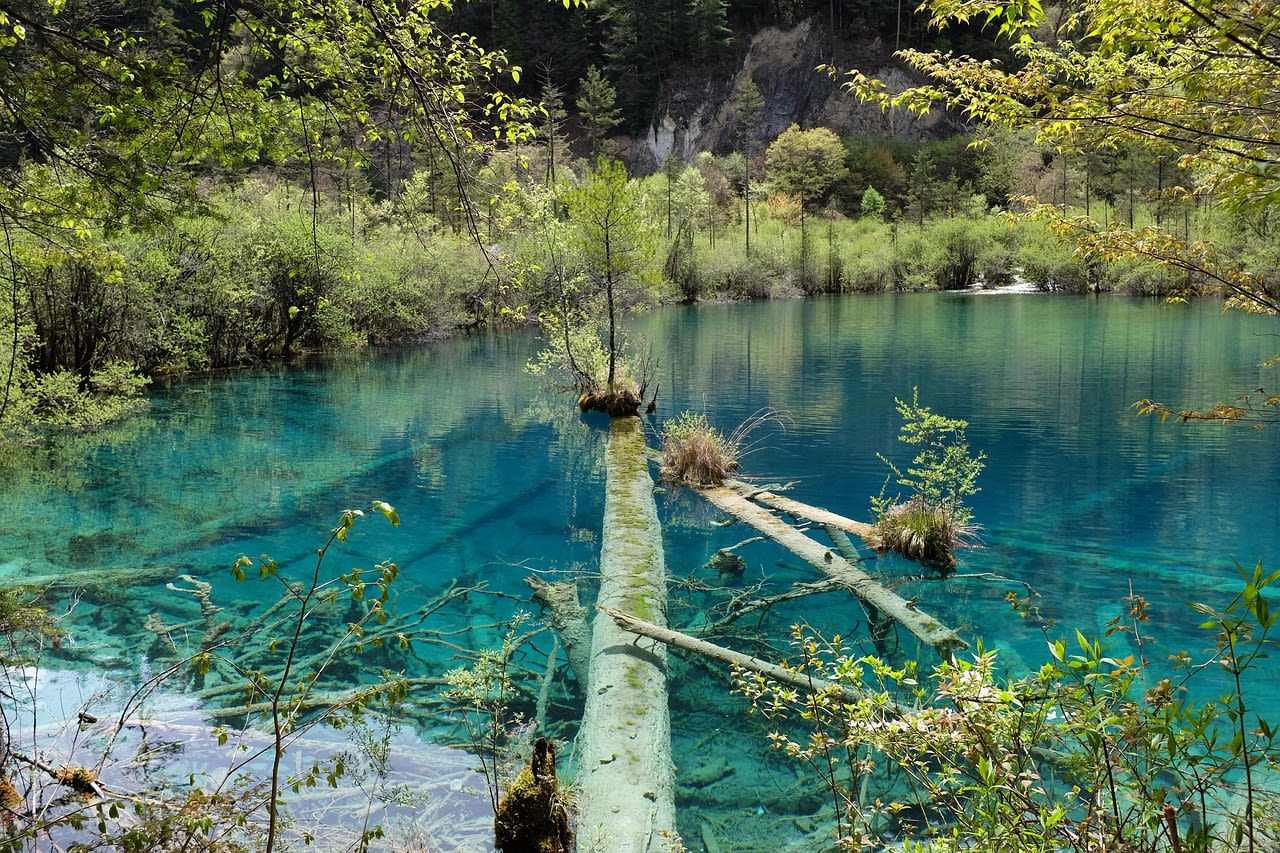
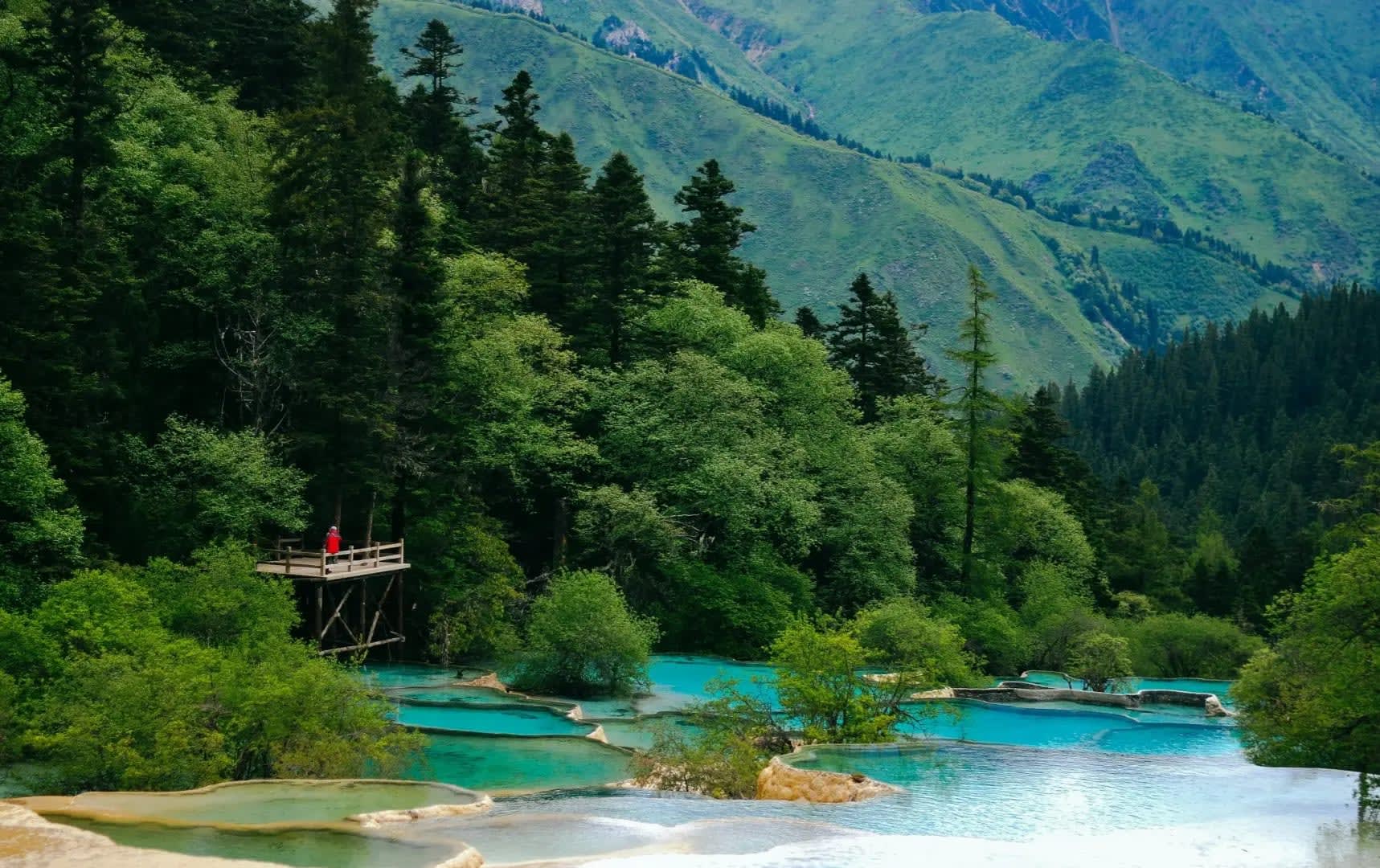
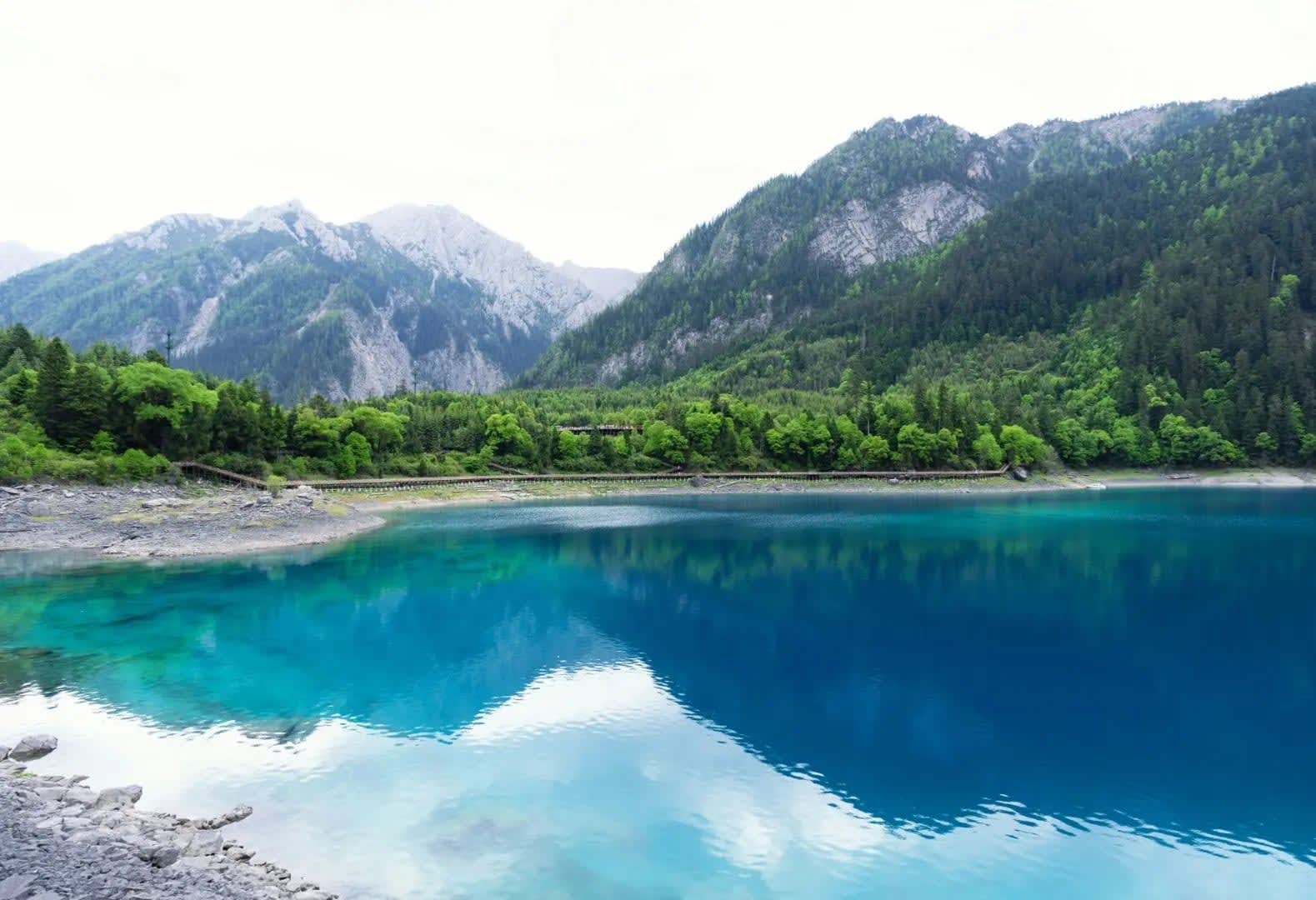
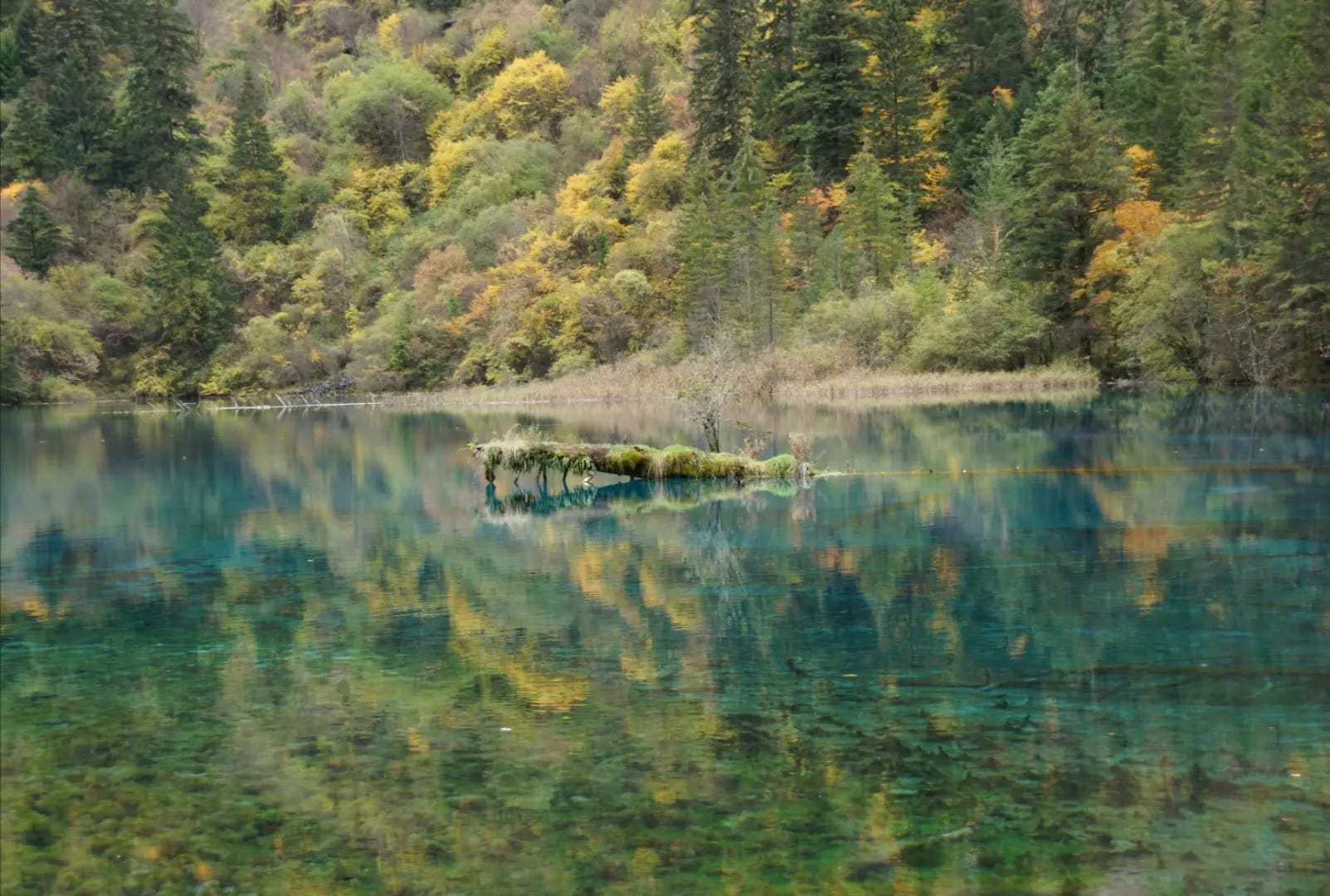
- Turquoise Lakes: The valley is home to several stunning lakes, including the Five Flower Lake and the Pearl Shoal Lake. These lakes are renowned for their vivid turquoise colors, which result from the mineral content and clarity of the water.
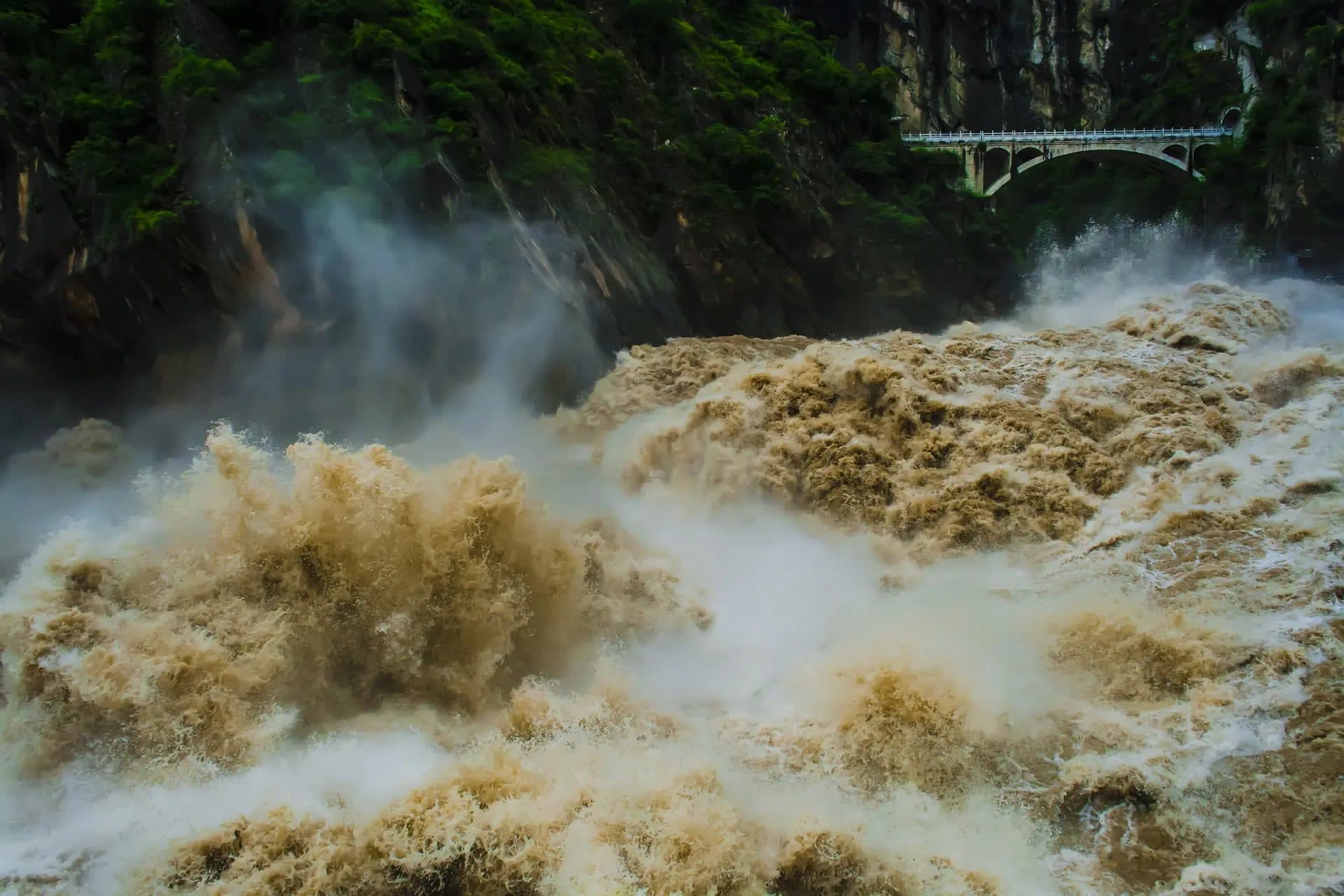
- Cascading Waterfalls: Jiuzhaigou is known for its spectacular waterfalls, such as the Nuorilang Waterfall and the Ribbon Waterfall. These waterfalls cascade down the valley’s slopes, creating impressive and picturesque scenes.
- Snow-Capped Peaks: The park is surrounded by snow-capped peaks, including the Min Mountains. These peaks provide a dramatic backdrop to the valley’s landscapes and contribute to the park’s diverse climatic conditions.
📜 History and Cultural Significance
Jiuzhaigou Valley has a rich history and cultural significance, deeply intertwined with the local Tibetan culture and natural heritage.
Tibetan Culture: The valley is home to several Tibetan villages, including Jiuzhaigou Village. The local Tibetan communities maintain traditional practices, festivals, and lifestyles that add to the cultural richness of the area.
Historical Recognition: Jiuzhaigou Valley was established as a nature reserve in 1982 and later recognized as a UNESCO World Heritage Site in 1992. Its designation reflects its outstanding natural beauty and ecological importance.
Cultural Heritage: The area has been influenced by Tibetan Buddhism and traditional practices. Visitors can experience local customs, traditional architecture, and cultural festivals that showcase the region’s heritage.
Tibetan Culture: The valley is home to several Tibetan villages, including Jiuzhaigou Village. The local Tibetan communities maintain traditional practices, festivals, and lifestyles that add to the cultural richness of the area.
Historical Recognition: Jiuzhaigou Valley was established as a nature reserve in 1982 and later recognized as a UNESCO World Heritage Site in 1992. Its designation reflects its outstanding natural beauty and ecological importance.
Cultural Heritage: The area has been influenced by Tibetan Buddhism and traditional practices. Visitors can experience local customs, traditional architecture, and cultural festivals that showcase the region’s heritage.
🏃 Activities and Attractions
Jiuzhaigou Valley offers a range of activities and attractions that highlight its natural beauty and cultural significance.
- Hiking and Walking Trails: The park features a network of well-maintained trails that allow visitors to explore its diverse landscapes. Popular trails include the Shuzheng Valley, Rize Valley, and Zechawa Valley, each offering unique views and natural features.
- Photography: The vibrant lakes, waterfalls, and snow-capped peaks make Jiuzhaigou an ideal destination for photography. The park’s scenery provides countless opportunities to capture stunning images of the natural beauty.
- Cultural Tours: Visitors can explore Tibetan villages and learn about local customs, traditions, and lifestyles. Cultural tours often include visits to traditional Tibetan houses, monasteries, and local markets.
💡 Travel Tips
To ensure a pleasant and memorable visit to Jiuzhaigou Valley, consider these practical travel tips.
Best Time to Visit: The best time to visit Jiuzhaigou is during the autumn months (September to November) when the foliage changes color, creating vibrant landscapes. Spring (April to June) is also a good time for mild weather and blooming flowers. Summer and winter have their own charm but can be crowded or cold respectively.
Access and Transportation: Jiuzhaigou Valley is accessible by air and road. The nearest airport is in Chengdu, from where visitors can take a flight or bus to Jiuzhaigou. Once in the park, shuttle buses and walking trails are the primary means of getting around.
What to Bring: Wear comfortable walking shoes and layered clothing to accommodate varying weather conditions. Bring essentials such as water, snacks, sunscreen, and a camera to capture the stunning scenery.
Best Time to Visit: The best time to visit Jiuzhaigou is during the autumn months (September to November) when the foliage changes color, creating vibrant landscapes. Spring (April to June) is also a good time for mild weather and blooming flowers. Summer and winter have their own charm but can be crowded or cold respectively.
Access and Transportation: Jiuzhaigou Valley is accessible by air and road. The nearest airport is in Chengdu, from where visitors can take a flight or bus to Jiuzhaigou. Once in the park, shuttle buses and walking trails are the primary means of getting around.
What to Bring: Wear comfortable walking shoes and layered clothing to accommodate varying weather conditions. Bring essentials such as water, snacks, sunscreen, and a camera to capture the stunning scenery.
🌱 Conservation
Conservation efforts in Jiuzhaigou Valley focus on protecting its unique ecosystems and promoting sustainable tourism practices.
Ecosystem Protection: The park’s conservation programs aim to preserve its diverse flora and fauna, including endangered species such as the Sichuan golden monkey. Efforts are made to manage visitor impact and protect key habitats.
Waste Management: Proper waste management practices are in place to minimize the environmental impact of tourism. This includes waste disposal facilities, recycling programs, and regular cleaning of the park’s trails and facilities.
Sustainable Tourism: The park promotes sustainable tourism practices to ensure that tourism benefits local communities while protecting the natural environment. This includes guidelines for visitors, support for local businesses, and conservation education.
Ecosystem Protection: The park’s conservation programs aim to preserve its diverse flora and fauna, including endangered species such as the Sichuan golden monkey. Efforts are made to manage visitor impact and protect key habitats.
Waste Management: Proper waste management practices are in place to minimize the environmental impact of tourism. This includes waste disposal facilities, recycling programs, and regular cleaning of the park’s trails and facilities.
Sustainable Tourism: The park promotes sustainable tourism practices to ensure that tourism benefits local communities while protecting the natural environment. This includes guidelines for visitors, support for local businesses, and conservation education.
✨ Conclusion
Jiǔzhàigōu, with its breathtaking lakes, cascading waterfalls, and rich cultural heritage, stands as one of China’s most enchanting natural wonders. The valley’s diverse landscapes and vibrant ecosystems offer a unique and memorable experience for nature enthusiasts, photographers, and cultural explorers. Conservation efforts help preserve the park’s beauty and ensure sustainable tourism practices. A visit to Jiuzhaigou Valley promises an immersive journey through one of the most picturesque and culturally rich areas in China.