Zhangjiajie
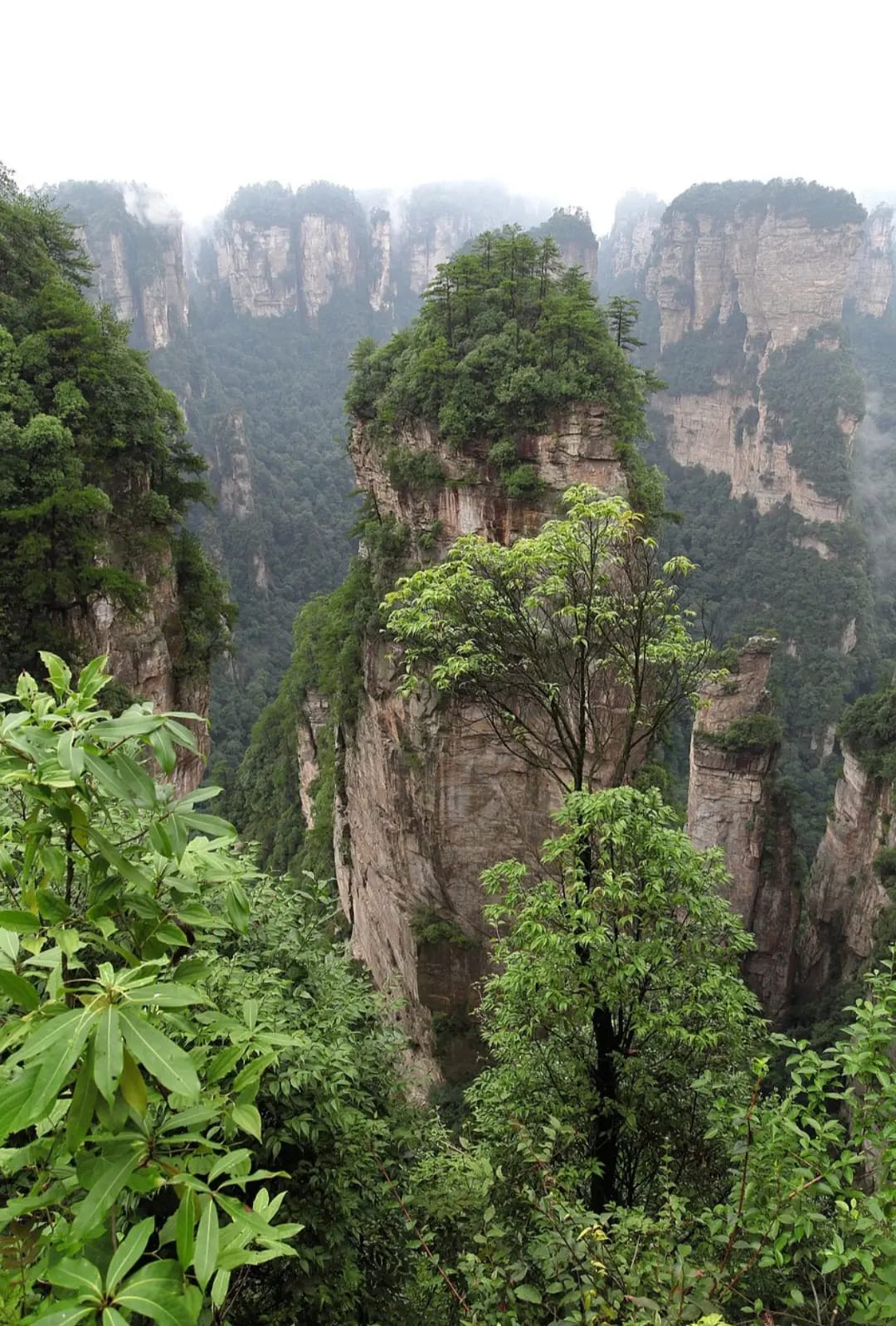
Zhangjiajie National Forest Park, located in Hunan Province, China, is renowned for its extraordinary natural beauty and unique geological formations. Known for its towering sandstone pillars, deep ravines, and lush greenery, the park has gained international fame as the inspiration for the floating Hallelujah Mountains in James Cameron's film *Avatar*. As a UNESCO World Heritage Site, Zhangjiajie offers visitors a breathtaking experience amidst some of the most striking landscapes in China. This comprehensive guide delves into the park's geography, history, activities, travel tips, conservation efforts, and visitor experiences.
🌍 Geography and Natural Features
Zhangjiajie National Forest Park is characterized by its dramatic and unique topography, resulting from millions of years of geological processes.
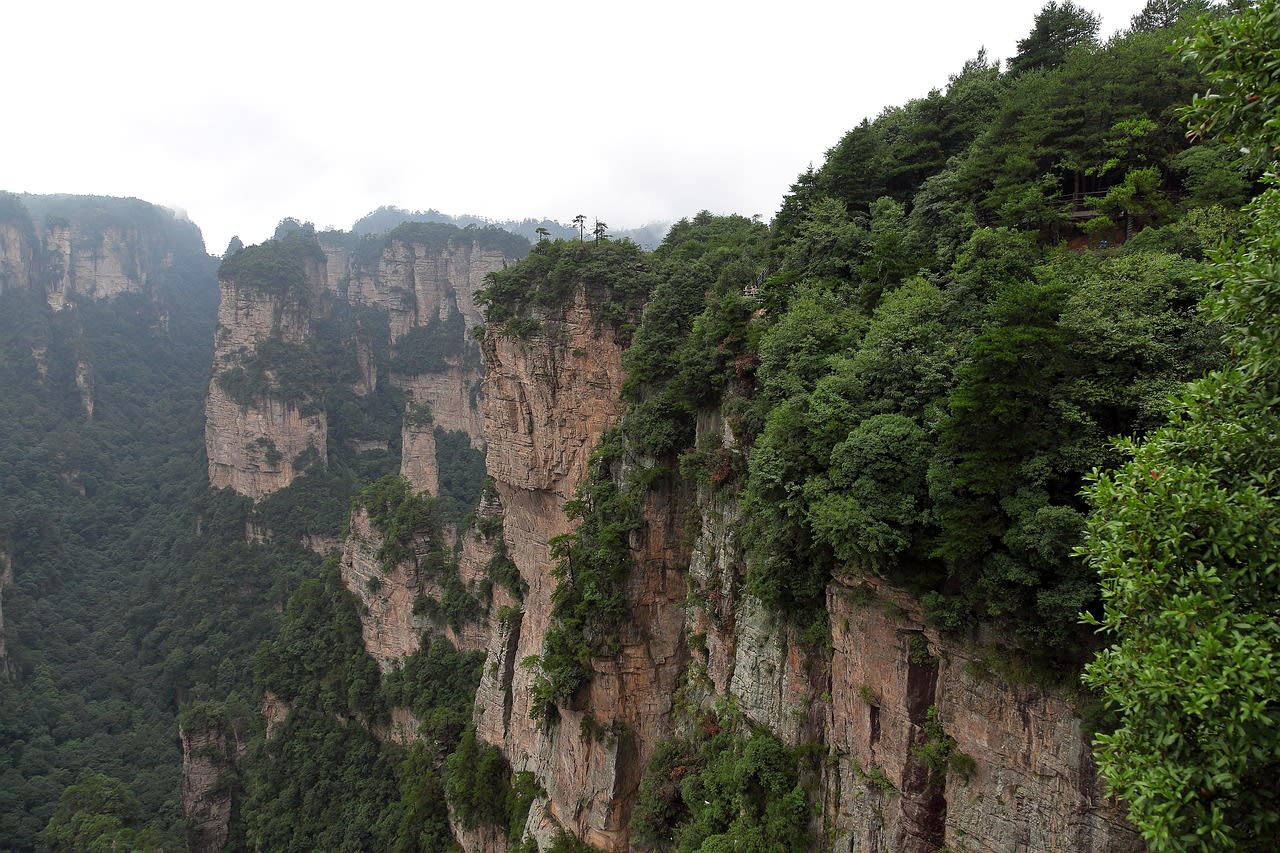
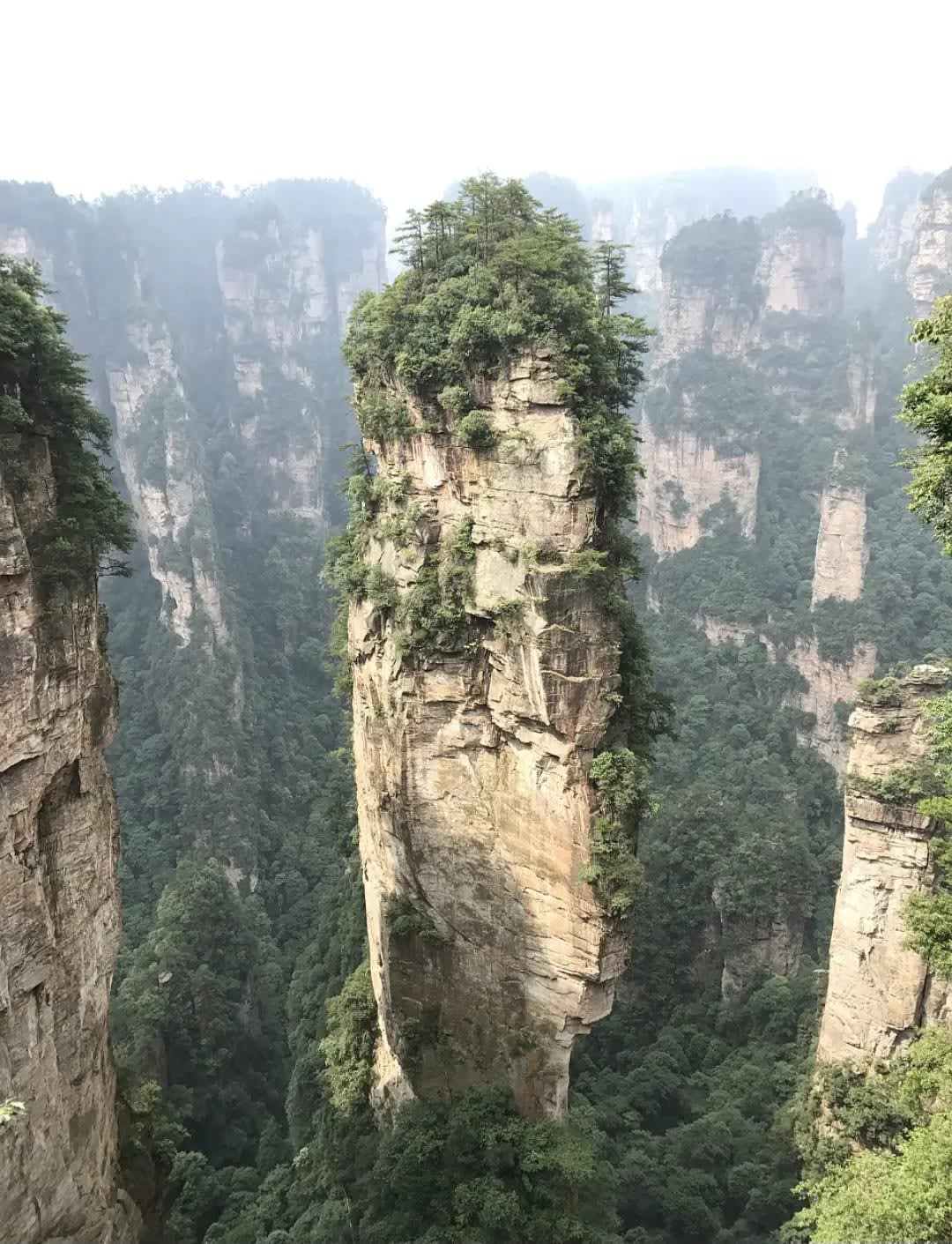
- Sandstone Pillars: The park is famous for its towering sandstone pillars, which rise sharply from the ground, creating a forest of stone columns. These formations are the result of extensive erosion and weathering of the sandstone bedrock.
- Deep Ravines: The park features a network of deep ravines and gorges, adding to the dramatic landscape. The combination of towering pillars and deep valleys creates a visually stunning contrast.
- Biodiversity: Zhangjiajie boasts rich biodiversity with a variety of plant and animal species. The park's diverse ecosystems include subtropical forests, mountain meadows, and freshwater habitats, supporting a range of wildlife.
📜 History and Cultural Significance
Zhangjiajie has a rich history and cultural significance, reflecting both its natural heritage and its role in local traditions.
Geological Formation: The unique landscape of Zhangjiajie formed during the Tertiary period, approximately 300 million years ago. The area’s sandstone pillars were shaped by geological forces and erosion over millennia.
Local Culture: The park is home to various ethnic groups, including the Tujia and Miao people. These communities have lived in the region for centuries and have their own cultural traditions and folklore related to the natural landscape.
Film Inspiration: Zhangjiajie gained international recognition as the inspiration for the floating Hallelujah Mountains in James Cameron's Avatar. The park's otherworldly landscape captivated the film's creators and brought global attention to the area.
Geological Formation: The unique landscape of Zhangjiajie formed during the Tertiary period, approximately 300 million years ago. The area’s sandstone pillars were shaped by geological forces and erosion over millennia.
Local Culture: The park is home to various ethnic groups, including the Tujia and Miao people. These communities have lived in the region for centuries and have their own cultural traditions and folklore related to the natural landscape.
Film Inspiration: Zhangjiajie gained international recognition as the inspiration for the floating Hallelujah Mountains in James Cameron's Avatar. The park's otherworldly landscape captivated the film's creators and brought global attention to the area.
🏃 Activities and Attractions
Zhangjiajie National Forest Park offers a range of activities and attractions that highlight its stunning natural beauty and unique features.
- Hiking and Walking Trails: The park features numerous trails that allow visitors to explore its diverse landscapes. Popular trails include the Golden Whip Stream, the Yuanjiajie Scenic Area, and the Tianzi Mountain area. Each trail offers unique views and opportunities to experience the park's natural beauty.
- Glass Skywalk: One of the park’s most famous attractions is the Glass Skywalk, a transparent bridge that extends over a sheer cliff. The skywalk provides visitors with a thrilling experience and panoramic views of the surrounding landscape.
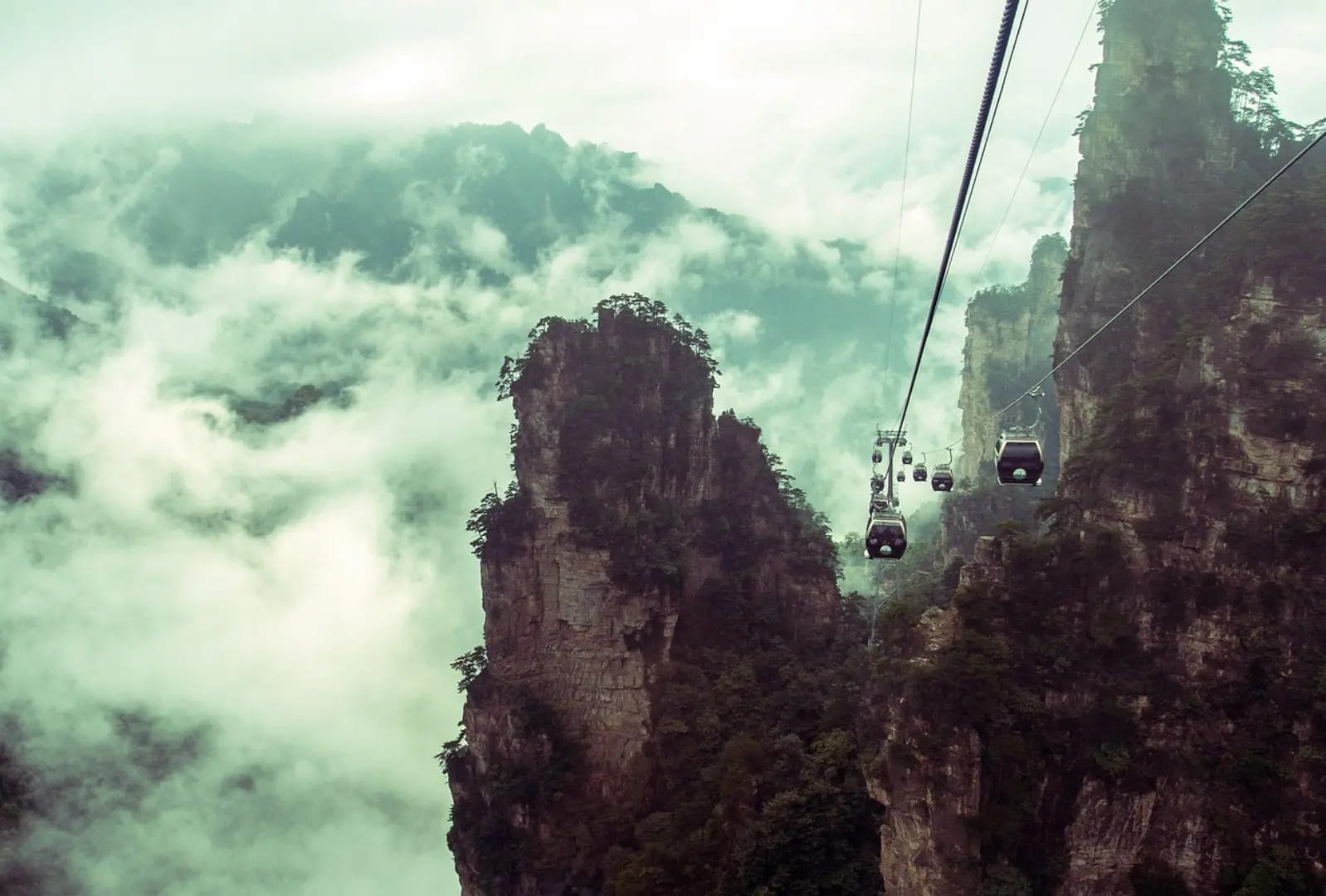
- Cable Cars and Elevator Rides: Zhangjiajie offers several cable car rides and an impressive glass elevator to transport visitors to different parts of the park. The Bailong Elevator, the world’s highest and heaviest outdoor elevator, takes visitors up to the top of a sandstone pillar for breathtaking views.
💡 Travel Tips
To make the most of your visit to Zhangjiajie National Forest Park, consider these practical travel tips.
Best Time to Visit: The best time to visit Zhangjiajie is during the spring (April to June) and autumn (September to November) when the weather is pleasant and the scenery is at its most vibrant. Summer can be hot and crowded, while winter may bring colder temperatures and fewer visitors.
Access and Transportation: Zhangjiajie is accessible by air, train, and bus from major cities such as Beijing, Shanghai, and Chengdu. The park is served by a modern transportation network, including shuttle buses and cable cars. Plan your route and transportation in advance to ensure a smooth visit.
What to Bring: Wear comfortable walking shoes suitable for hiking and prepare for varying weather conditions. Bring essentials such as water, snacks, sunscreen, and a camera to capture the stunning scenery. It’s also a good idea to carry a light raincoat in case of unexpected showers.
Best Time to Visit: The best time to visit Zhangjiajie is during the spring (April to June) and autumn (September to November) when the weather is pleasant and the scenery is at its most vibrant. Summer can be hot and crowded, while winter may bring colder temperatures and fewer visitors.
Access and Transportation: Zhangjiajie is accessible by air, train, and bus from major cities such as Beijing, Shanghai, and Chengdu. The park is served by a modern transportation network, including shuttle buses and cable cars. Plan your route and transportation in advance to ensure a smooth visit.
What to Bring: Wear comfortable walking shoes suitable for hiking and prepare for varying weather conditions. Bring essentials such as water, snacks, sunscreen, and a camera to capture the stunning scenery. It’s also a good idea to carry a light raincoat in case of unexpected showers.
🌱 Conservation
Conservation efforts in Zhangjiajie National Forest Park focus on preserving its unique geological formations and protecting its diverse ecosystems.
Ecosystem Protection: The park’s conservation programs aim to protect its fragile ecosystems and biodiversity. This includes monitoring wildlife, managing invasive species, and preserving natural habitats.
Sustainable Tourism: Zhangjiajie promotes sustainable tourism practices to minimize environmental impact. This includes regulating visitor numbers, providing eco-friendly facilities, and educating tourists about responsible behavior.
Restoration Projects: Efforts are made to restore and rehabilitate areas affected by erosion or human activity. Restoration projects help maintain the park’s natural beauty and ensure its long-term preservation.
Ecosystem Protection: The park’s conservation programs aim to protect its fragile ecosystems and biodiversity. This includes monitoring wildlife, managing invasive species, and preserving natural habitats.
Sustainable Tourism: Zhangjiajie promotes sustainable tourism practices to minimize environmental impact. This includes regulating visitor numbers, providing eco-friendly facilities, and educating tourists about responsible behavior.
Restoration Projects: Efforts are made to restore and rehabilitate areas affected by erosion or human activity. Restoration projects help maintain the park’s natural beauty and ensure its long-term preservation.
✨ Conclusion
Zhangjiajie National Forest Park, with its dramatic sandstone pillars and lush landscapes, stands as one of China’s most extraordinary natural wonders. The park’s unique geological formations, rich biodiversity, and cultural significance offer an immersive and unforgettable experience for visitors. Conservation efforts help preserve the park’s beauty and ensure that it remains a sustainable destination for future generations. A visit to Zhangjiajie promises a journey through a stunning and otherworldly landscape, making it a highlight of any trip to China.