
The Great Wall
The Great Wall of China stands as one of the most impressive architectural feats and historical landmarks in human history. Spanning over 13,000 miles (21,000 kilometers), this ancient fortification stretches across northern China, encompassing diverse landscapes from deserts to mountains. Initially constructed to protect Chinese states from invasions and raids, the Wall has evolved into a symbol of China's enduring strength and ingenuity. Designated as a UNESCO World Heritage Site, it attracts millions of visitors each year who come to marvel at its grandeur and explore its rich history. This guide provides a comprehensive overview of The Great Wall’s geography, history, activities, travel tips, conservation efforts, and visitor experiences.
🌍 Geography and Structural Features
- Extent and Length: The Great Wall extends approximately 13,000 miles from the Bohai Sea in the east to the Gobi Desert in the west. It traverses a variety of terrains, including mountains, plateaus, and deserts. The Wall’s length varies based on historical records and archaeological findings, but it remains one of the longest man-made structures in the world.
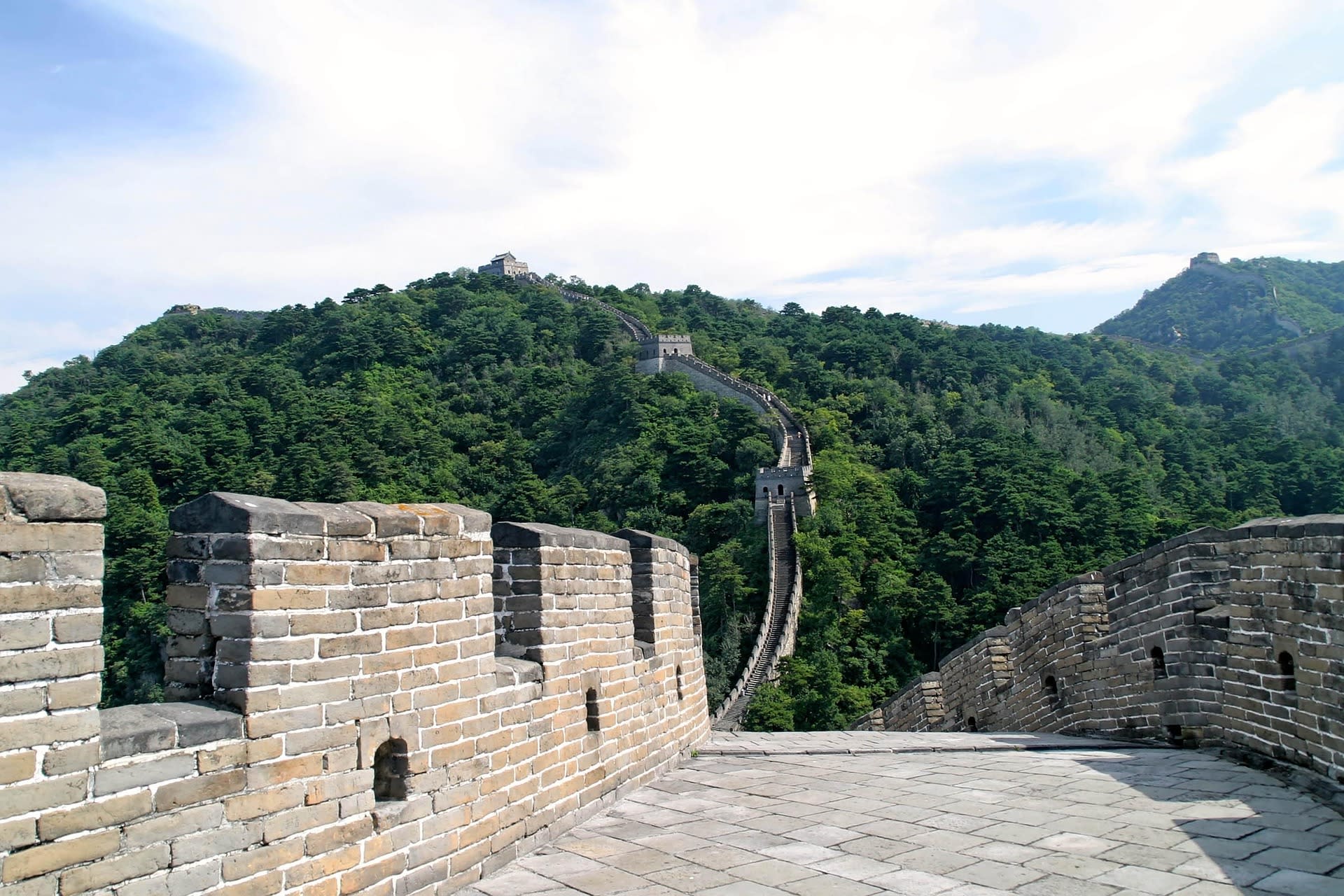
- Construction Materials: The Wall’s construction materials differ depending on the region. In the northern areas, particularly in the mountainous regions, bricks and stone were commonly used. In the more arid and flat areas, tamped earth and wood were utilized. The materials used reflect the local resources and environmental conditions.
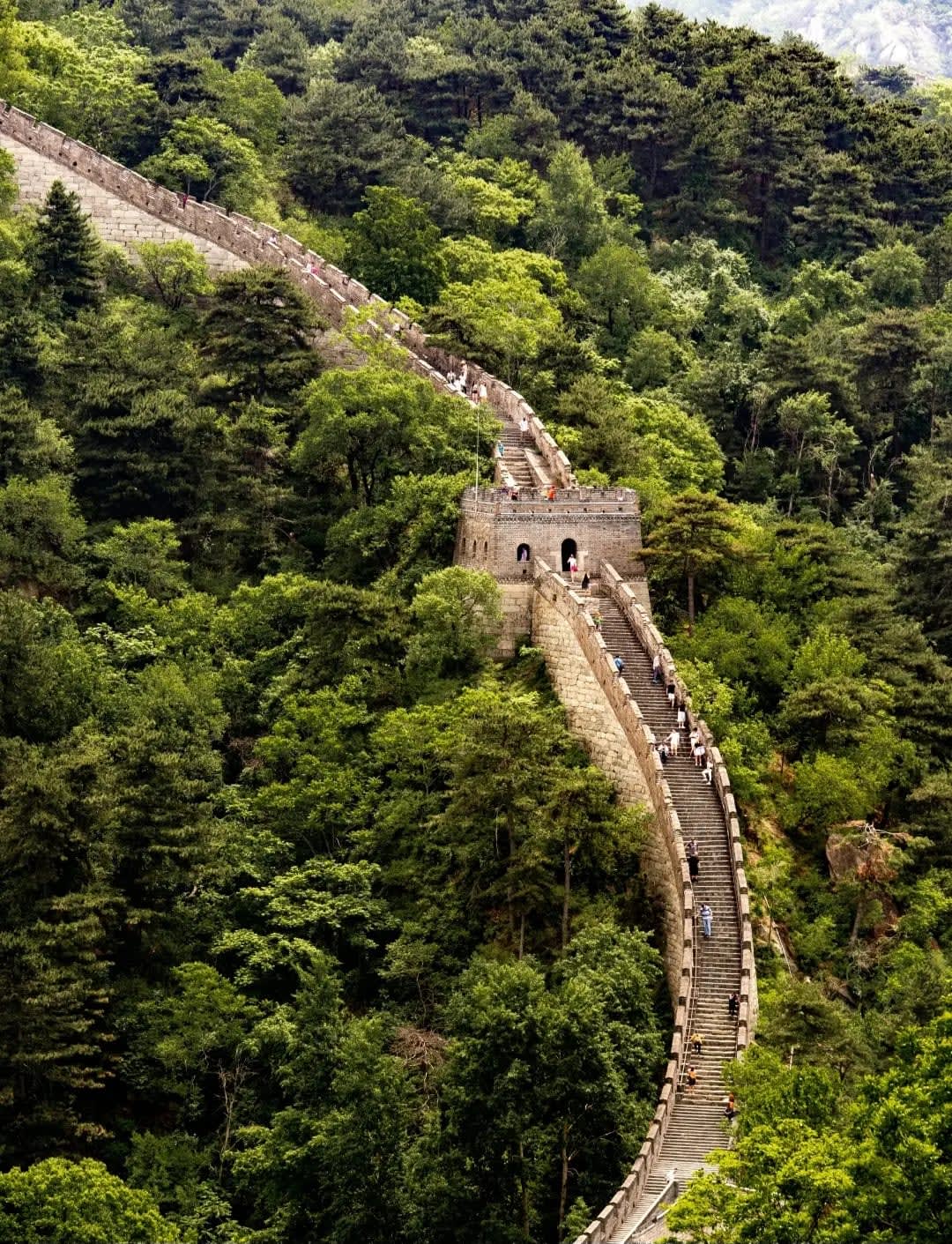
- Defensive Features: The Wall is characterized by a series of defensive features, including watchtowers, beacon towers, and fortresses. Watchtowers were strategically placed to provide surveillance and communication, while beacon towers were used to signal alerts over long distances. Fortresses served as military garrisons and storage depots.
📜 History and Cultural Significance
Origins and Construction: The origins of the Great Wall date back to the 7th century BC during the Warring States period, when various Chinese states built walls to defend their territories. The most well-known sections were constructed during the Ming Dynasty (1368–1644), which reinforced and expanded the Wall using bricks and stone for greater durability and effectiveness.
Military Purpose: The primary purpose of the Great Wall was to protect Chinese states from invasions by nomadic tribes and military incursions from the north. It served as a defensive barrier and provided a strategic line of communication and military defense.
Cultural Symbolism: The Great Wall has become a powerful symbol of China’s strength and perseverance. It represents the collective effort and determination of the Chinese people throughout history. The Wall is celebrated in art, literature, and folklore, symbolizing the nation’s resilience and unity.
🏃 Activities and Attractions
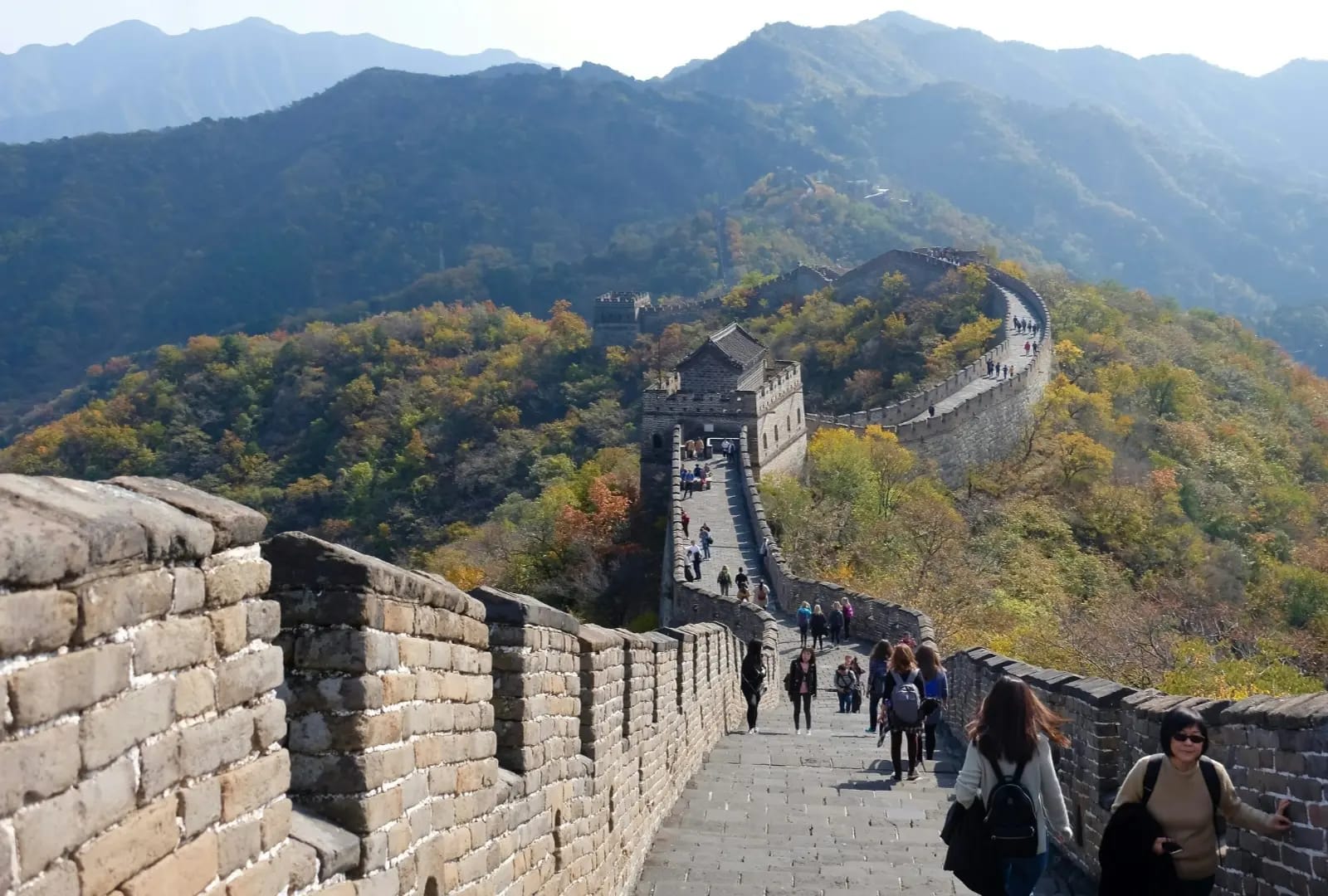
- Hiking and Trekking: The Great Wall offers a range of hiking and trekking opportunities. Popular sections for hiking include Badaling, Mutianyu, Jinshanling, and Simatai. Each section provides different experiences, from well-preserved areas with easy access to rugged and less-traveled segments with challenging terrain.
- Photography: The Wall’s impressive structure and the surrounding landscape make it a prime location for photography. Capturing the Wall at sunrise or sunset provides dramatic lighting and enhances the visual appeal of the ancient structure. Key spots for photography include the watchtowers, scenic overlooks, and panoramic viewpoints.
- Cultural Experiences: Exploring the Great Wall often includes learning about its history and significance through guided tours and cultural exhibitions. Visitors can also experience traditional Chinese performances and crafts at various points along the Wall.
💡 Travel Tips
Best Time to Visit: The best times to visit the Great Wall are during the spring (April to June) and autumn (September to November). During these seasons, the weather is mild, and the scenery is at its most vibrant. Summer can be hot and crowded, while winter may bring cold temperatures and fewer visitors.
What to Bring: Wear comfortable walking shoes suitable for hiking and dress in layers to accommodate changing weather conditions. Bring essentials such as water, snacks, sunscreen, a camera, and a light raincoat. Some sections of the Wall have limited facilities, so come prepared.
🌱 Conservation
Preservation Programs: Various preservation programs are in place to maintain and restore the Wall’s structure. This includes repairing damaged sections, stabilizing crumbling areas, and protecting the Wall from environmental and human-induced damage.
Sustainable Tourism: To mitigate the impact of tourism, measures are implemented to manage visitor numbers and reduce environmental damage. This includes controlling access to sensitive areas, providing education on responsible tourism, and promoting eco-friendly practices.
Cultural Heritage Protection: Efforts are made to protect the cultural heritage of the Great Wall by preserving historical records, traditional construction techniques, and local folklore associated with the Wall. These initiatives help maintain the Wall’s historical and cultural significance.