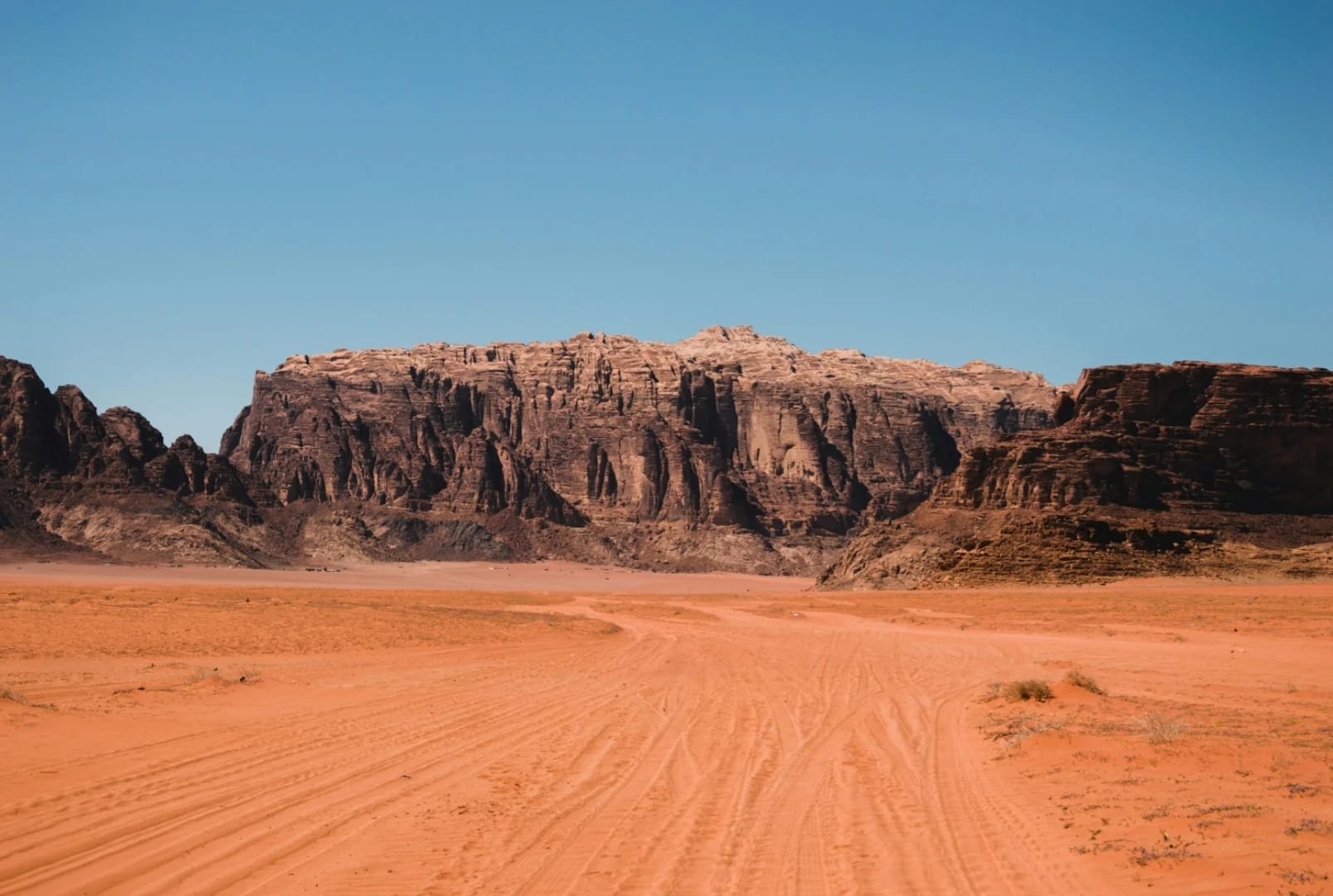
Valley Moon
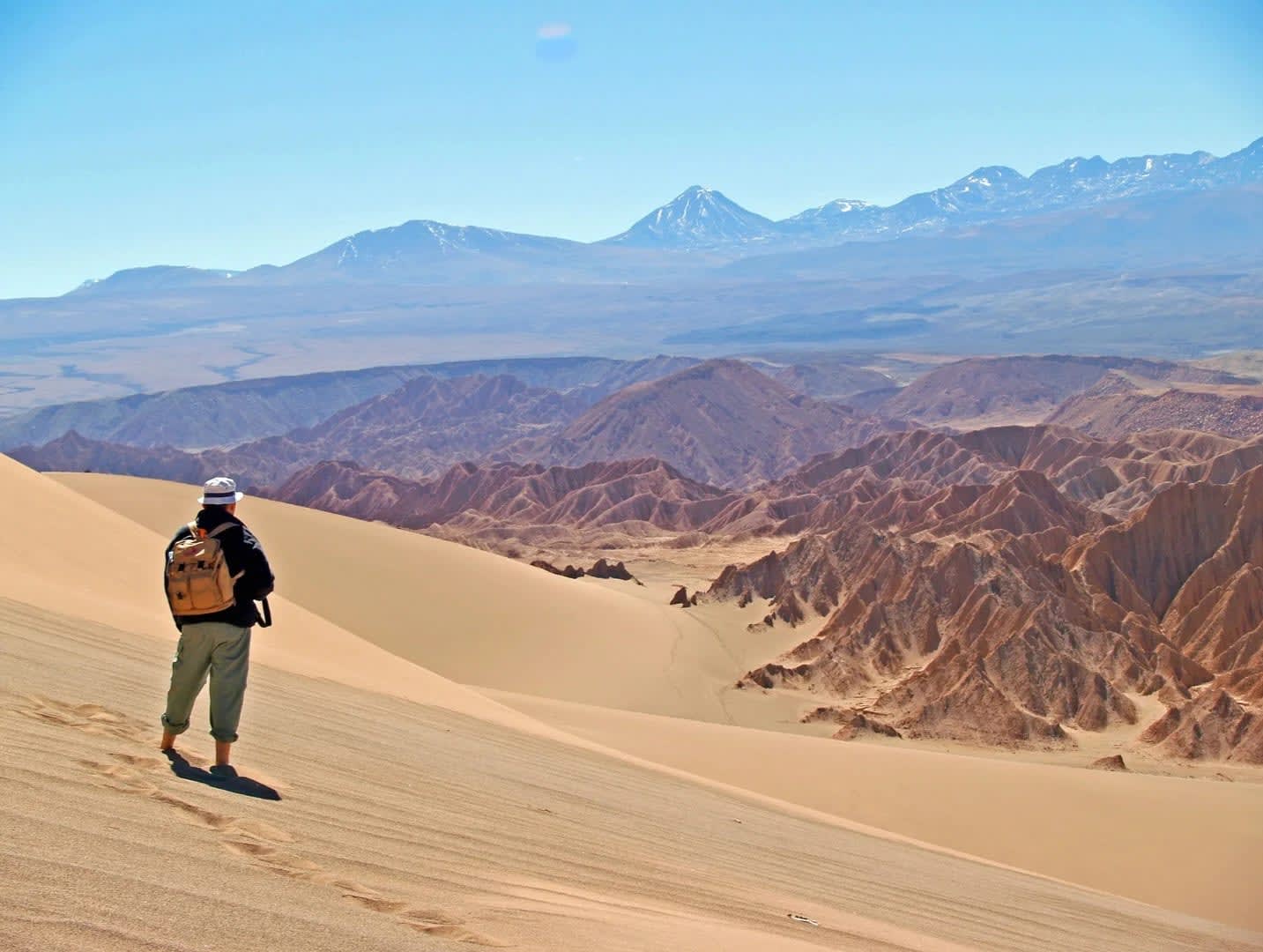
Valle de la Luna, or Valley of the Moon, is one of the most captivating natural landscapes in Chile. Located in the Atacama Desert, this extraordinary valley gets its name due to its resemblance to the surface of the moon, with vast sand dunes, jagged rock formations, and salt flats that create an otherworldly experience. The valley is part of the larger Los Flamencos National Reserve and is one of the most visited destinations in the Atacama region. Whether you’re an adventurer, photographer, or nature lover, Valle de la Luna offers unparalleled beauty and a surreal journey through one of the driest places on Earth.
🌍 Geography and Natural Features
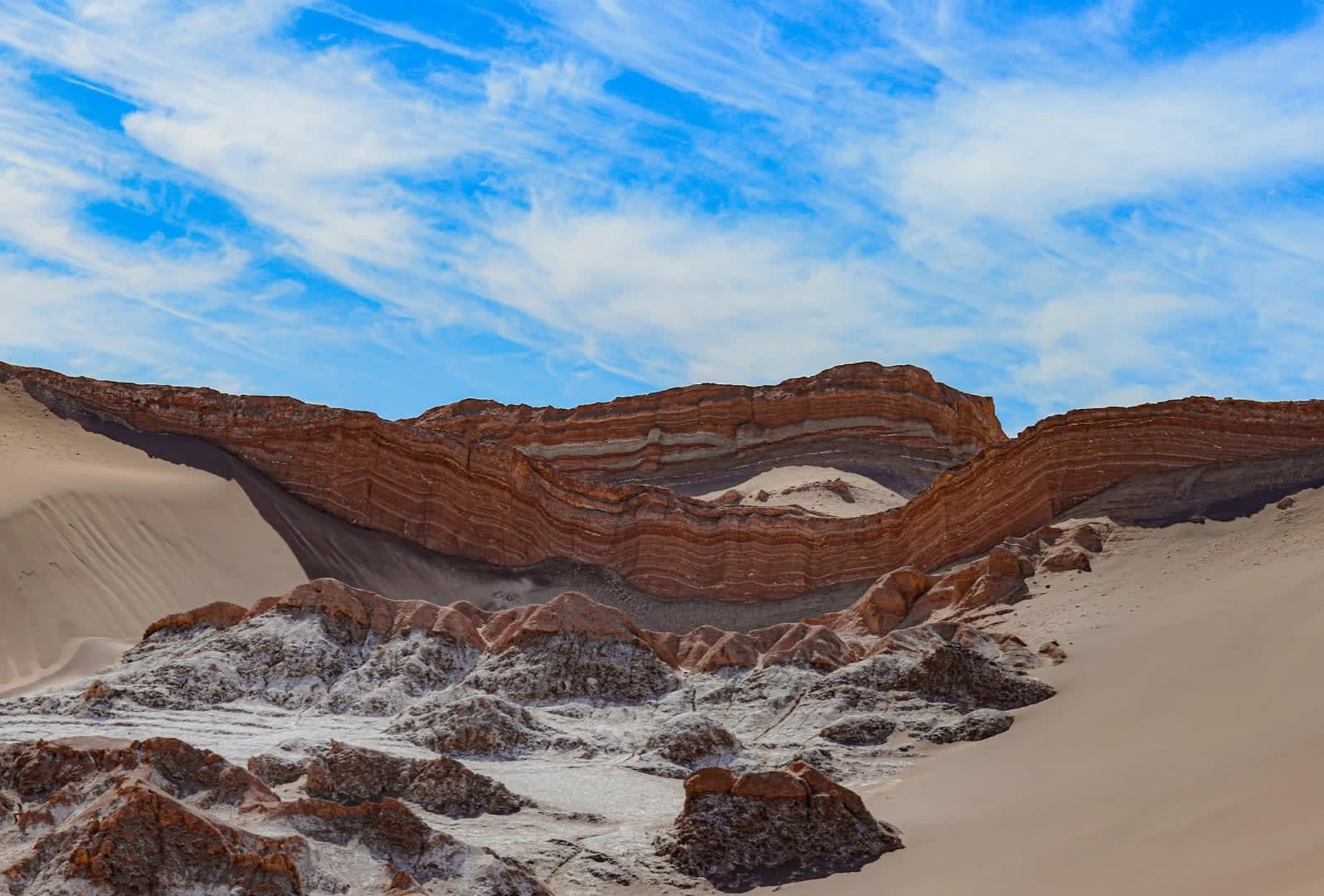
The Valle de la Luna is located approximately 13 kilometers west of San Pedro de Atacama, Chile, within the central part of the Atacama Desert. Its unique landscape was shaped by millions of years of natural processes, including erosion, salt deposits, and wind sculpting. The region is known for its striking salt formations, sand dunes, and rocky outcrops. The Valley sits at an elevation of about 2,400 meters (7,874 feet) above sea level, and its stark desert beauty is complemented by a vibrant spectrum of colors during sunrise and sunset. Visitors often describe the valley as a landscape from another planet, with a mixture of vast, sandy dunes, jagged peaks, and expansive salt flats.
Key geographical features include:
Key geographical features include:
- Salt Formations: Valle de la Luna is home to striking salt formations that have been created through millions of years of evaporation and erosion. These salt crusts form intricate patterns across the landscape, offering a fascinating visual experience for visitors.
- Sand Dunes: The valley contains expansive sand dunes, where visitors can try sandboarding or simply enjoy the peaceful, vast stretches of golden sand that extend as far as the eye can see. The dunes also play an important role in the valley’s mesmerizing appearance during sunset.
- Rock Formations: The Valley features dramatic rock structures like the Tres Marias (Three Marys), which are towering pillars of rock that stand like sentinels over the landscape. These formations are a photographer's dream, especially when lit by the golden hues of sunrise or sunset.
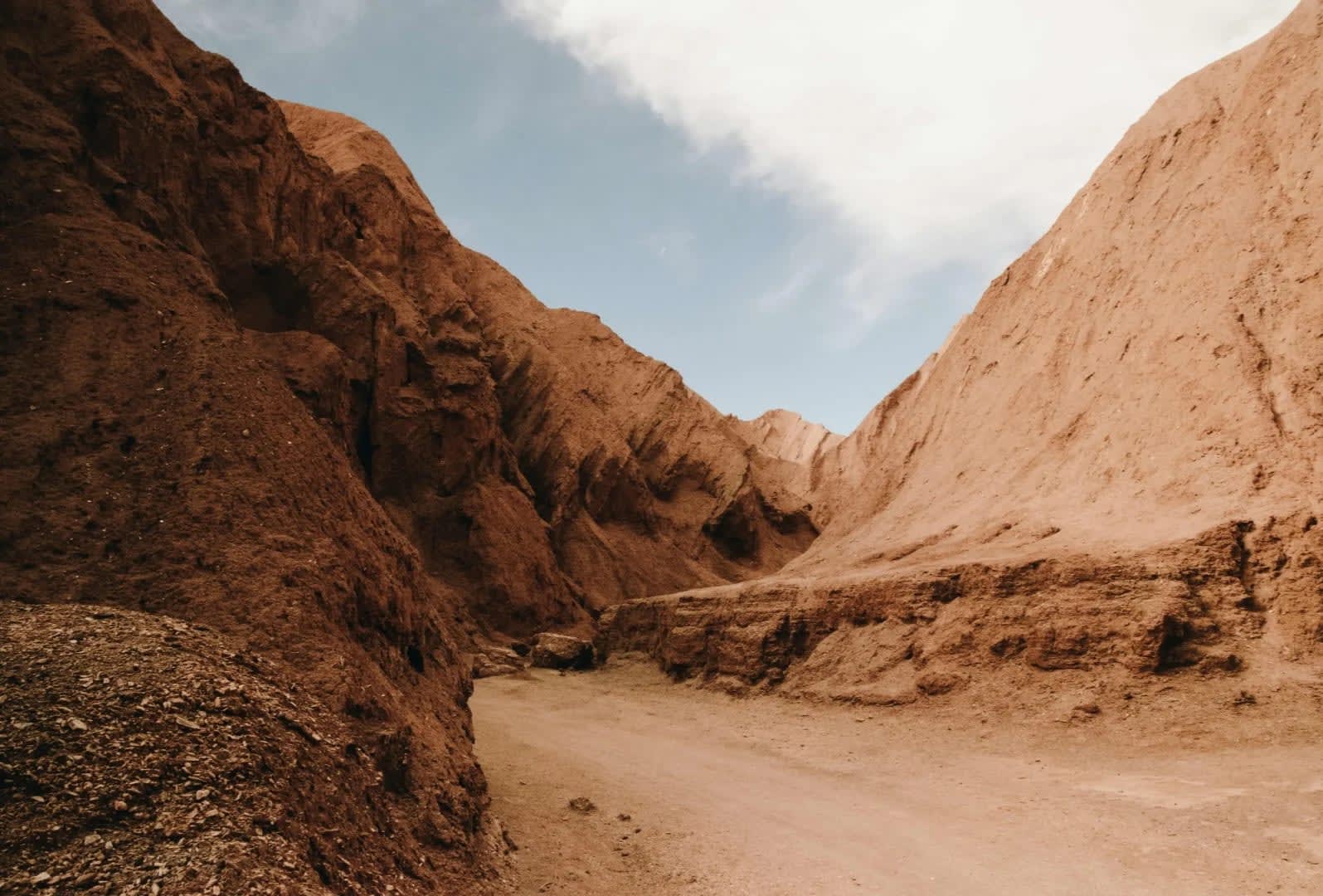
- Cliffs and Canyons: Valle de la Luna is also dotted with cliffs and canyons that have been carved over time by wind and water. These dramatic cliffs offer panoramic views of the desert and are perfect for those interested in hiking and exploring.
- La Cueva de Sal (Salt Cave): A fascinating feature of the valley is the Salt Cave, which is located at the foot of a series of cliffs. The cave’s interior is filled with salt crystals, providing visitors with an up-close view of the desert’s unique mineral deposits.
📜 History and Cultural Significance
The Valley of the Moon is not only a geological marvel but also a place of great cultural significance. The Atacama Desert, where the valley is located, has been home to several indigenous peoples for thousands of years. These groups, including the Atacameño (or Lickan-Antay) people, have lived in the desert's harsh environment by developing agricultural techniques adapted to the extreme aridity. They used the few rivers and underground water sources to grow crops such as corn, quinoa, and beans, as well as to sustain their livestock.
Over the centuries, Valle de la Luna has been a key area for those traveling through the desert. The valley was part of the route taken by indigenous peoples to connect the high-altitude altiplano with the coast. The region's importance continued with the arrival of European explorers, who documented the valley’s dramatic geological features. In more recent times, Valle de la Luna has become an essential part of the Los Flamencos National Reserve, contributing to both scientific research and eco-tourism in the region.
Today, the valley is seen as a place of deep spiritual and cultural significance for local communities, offering insight into the way human cultures have adapted to one of the harshest environments on Earth.
Over the centuries, Valle de la Luna has been a key area for those traveling through the desert. The valley was part of the route taken by indigenous peoples to connect the high-altitude altiplano with the coast. The region's importance continued with the arrival of European explorers, who documented the valley’s dramatic geological features. In more recent times, Valle de la Luna has become an essential part of the Los Flamencos National Reserve, contributing to both scientific research and eco-tourism in the region.
Today, the valley is seen as a place of deep spiritual and cultural significance for local communities, offering insight into the way human cultures have adapted to one of the harshest environments on Earth.
🏃 Activities and Attractions
Valle de la Luna offers a variety of activities for visitors, ranging from adventurous explorations to relaxed visits that allow you to soak in the surreal landscape. Some of the most popular activities in and around the Valley of the Moon include:
- Sunset Viewing: One of the most popular activities in Valle de la Luna is to visit the valley during sunset. The shifting light turns the landscape into a breathtaking palette of reds, oranges, and purples, creating an ethereal atmosphere as the sun sinks behind the dunes and rock formations.
- Sandboarding: The expansive dunes of Valle de la Luna offer the perfect environment for sandboarding. Thrill-seekers can rent boards and slide down the dunes, taking in the beautiful scenery as they speed across the desert.
- Hiking and Trekking: The valley offers various hiking opportunities, ranging from short walks to more challenging treks. The trails allow visitors to explore the unique geological formations and observe the desert’s incredible wildlife, including lizards and various bird species.
- Photography: Valle de la Luna is a photographer's paradise. With its stark contrasts, changing light, and otherworldly formations, it offers the perfect backdrop for both professional and amateur photographers looking to capture stunning desert landscapes.
- Stargazing: Given its remote location and clear skies, Valle de la Luna is also an excellent spot for stargazing. The area is part of the Atacama Desert, which is known for some of the clearest skies on Earth, allowing visitors to see constellations, planets, and even distant galaxies with the naked eye.
💡 Travel Tips
Visiting Valle de la Luna requires some preparation, especially due to its desert climate and remote location. Here are some travel tips to help ensure a smooth and enjoyable visit:
1. Dress Appropriately: The Atacama Desert can experience extreme temperature shifts, so it’s important to dress in layers. During the day, temperatures can soar, while the evenings and mornings can be very chilly. Wear light clothing during the day, and bring a jacket for the cooler evening temperatures.
2. Stay Hydrated: The desert climate is extremely dry, so it’s important to carry plenty of water with you, especially when exploring the Valley of the Moon on foot. Dehydration can occur quickly in these conditions.
3. Be Mindful of Altitude: While Valle de la Luna is not located at the highest altitudes in the Atacama, it is still important to take care of any altitude-related issues. Acclimatize by spending a day in San Pedro de Atacama before heading to the valley, and drink plenty of water.
4. Respect the Environment: The valley is a protected area, so it’s important to follow all rules and guidelines. Stick to marked paths, avoid disturbing wildlife, and leave no trace of your visit.
5. Consider Hiring a Guide: While the valley is easily accessible, hiring a local guide can enrich your experience. Guides can provide fascinating insights into the geology, history, and cultural significance of the area, ensuring you get the most out of your visit.
1. Dress Appropriately: The Atacama Desert can experience extreme temperature shifts, so it’s important to dress in layers. During the day, temperatures can soar, while the evenings and mornings can be very chilly. Wear light clothing during the day, and bring a jacket for the cooler evening temperatures.
2. Stay Hydrated: The desert climate is extremely dry, so it’s important to carry plenty of water with you, especially when exploring the Valley of the Moon on foot. Dehydration can occur quickly in these conditions.
3. Be Mindful of Altitude: While Valle de la Luna is not located at the highest altitudes in the Atacama, it is still important to take care of any altitude-related issues. Acclimatize by spending a day in San Pedro de Atacama before heading to the valley, and drink plenty of water.
4. Respect the Environment: The valley is a protected area, so it’s important to follow all rules and guidelines. Stick to marked paths, avoid disturbing wildlife, and leave no trace of your visit.
5. Consider Hiring a Guide: While the valley is easily accessible, hiring a local guide can enrich your experience. Guides can provide fascinating insights into the geology, history, and cultural significance of the area, ensuring you get the most out of your visit.
🌱 Conservation Efforts
Conservation efforts are vital in protecting Valle de la Luna and the Atacama Desert's delicate ecosystems. The region faces challenges from both natural and human activities, including erosion, climate change, and tourism. Several initiatives have been put in place to ensure the valley’s preservation, including:
1. Protected Areas: Valle de la Luna is part of the Los Flamencos National Reserve, which was established to safeguard the unique landscapes and biodiversity of the area. The reserve provides legal protection to the land, ensuring that its ecosystems remain intact for future generations.
2. Tourism Management: Efforts are made to limit the impact of tourism in the valley, including regulations on the number of visitors, designated pathways, and restrictions on off-road driving. These measures help protect the fragile environment and minimize human impact.
3. Education and Awareness: Educational programs and signage throughout the reserve raise awareness about the importance of conservation and responsible tourism. Visitors are encouraged to follow guidelines to protect the environment while enjoying the valley's beauty.
1. Protected Areas: Valle de la Luna is part of the Los Flamencos National Reserve, which was established to safeguard the unique landscapes and biodiversity of the area. The reserve provides legal protection to the land, ensuring that its ecosystems remain intact for future generations.
2. Tourism Management: Efforts are made to limit the impact of tourism in the valley, including regulations on the number of visitors, designated pathways, and restrictions on off-road driving. These measures help protect the fragile environment and minimize human impact.
3. Education and Awareness: Educational programs and signage throughout the reserve raise awareness about the importance of conservation and responsible tourism. Visitors are encouraged to follow guidelines to protect the environment while enjoying the valley's beauty.
✨ Conclusion
Valle de la Luna is a must-visit destination for anyone traveling to Chile's Atacama Desert. Its unique, lunar landscape, rich cultural history, and diverse range of activities make it a memorable experience for visitors. Whether you're an adventurer seeking to explore the desert's vast dunes, a photographer capturing its stunning formations, or a stargazer admiring the clear desert skies, the Valley of the Moon offers something for everyone. Through ongoing conservation efforts, this awe-inspiring landscape will continue to be preserved, ensuring that future generations can experience the beauty and wonder of Valle de la Luna for years to come.