Chiloé Island
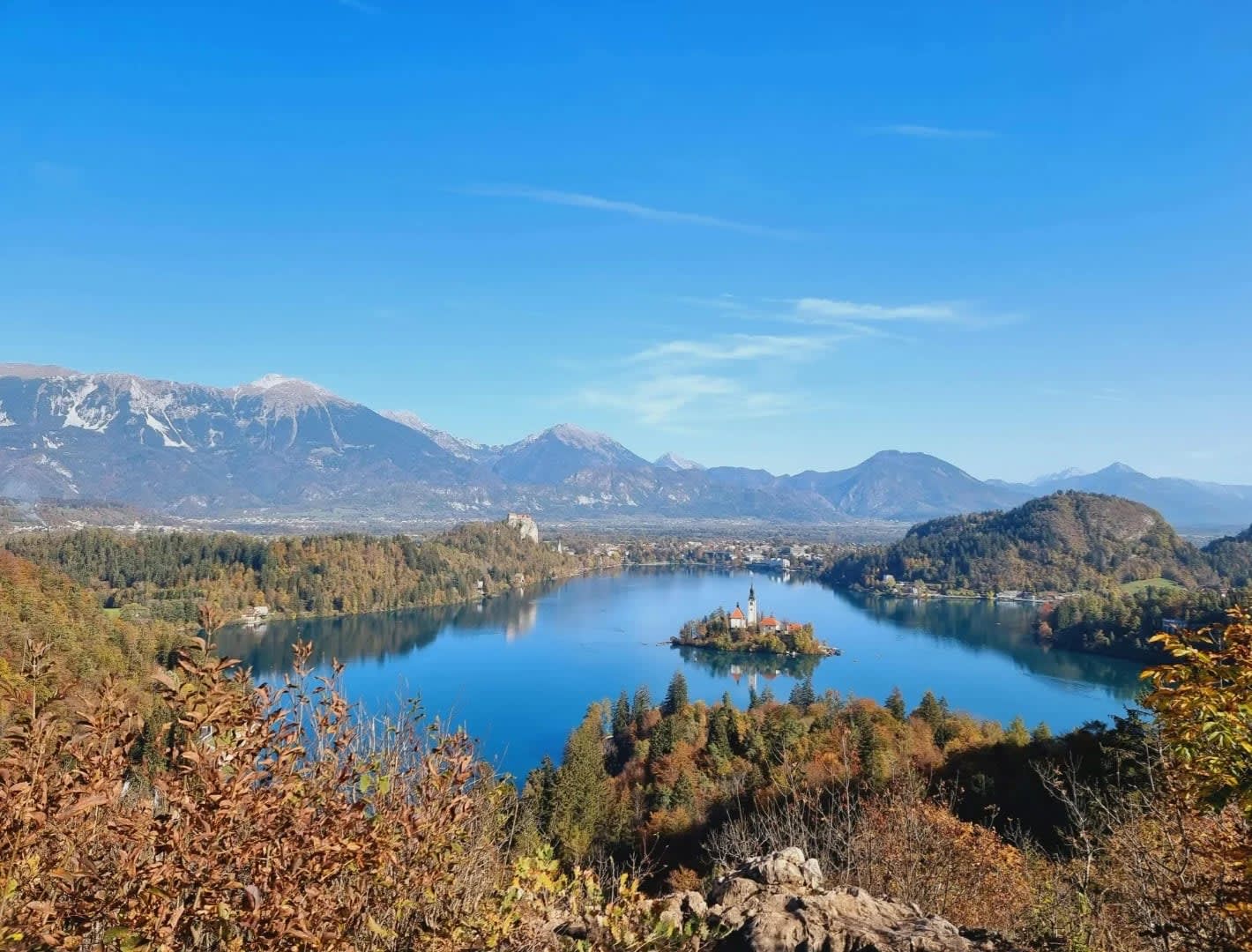
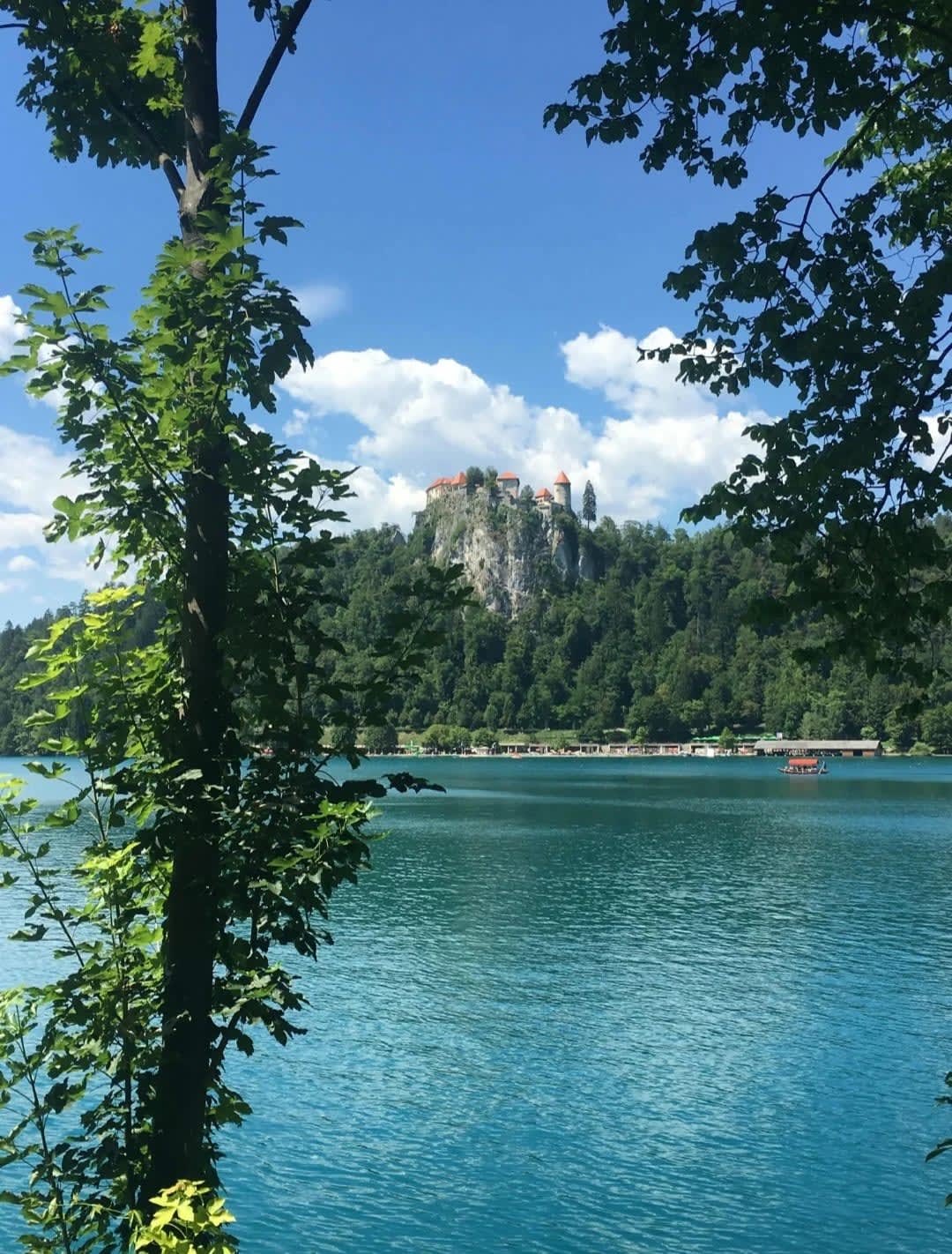
Chiloé Island, located off the coast of southern Chile, is one of the most culturally rich and ecologically diverse places in the country. Famous for its unique folklore, historical significance, and natural beauty, it attracts travelers seeking an off-the-beaten-path destination. The island offers a fascinating mix of lush forests, pristine coastlines, and colorful wooden churches, many of which are UNESCO World Heritage Sites. Chiloé’s distinct culture, shaped by a history of indigenous peoples and Spanish colonization, continues to thrive today. Visitors can enjoy local traditions, explore quaint fishing villages, and discover the island's mysterious landscapes.
🌍 Geography and Natural Features
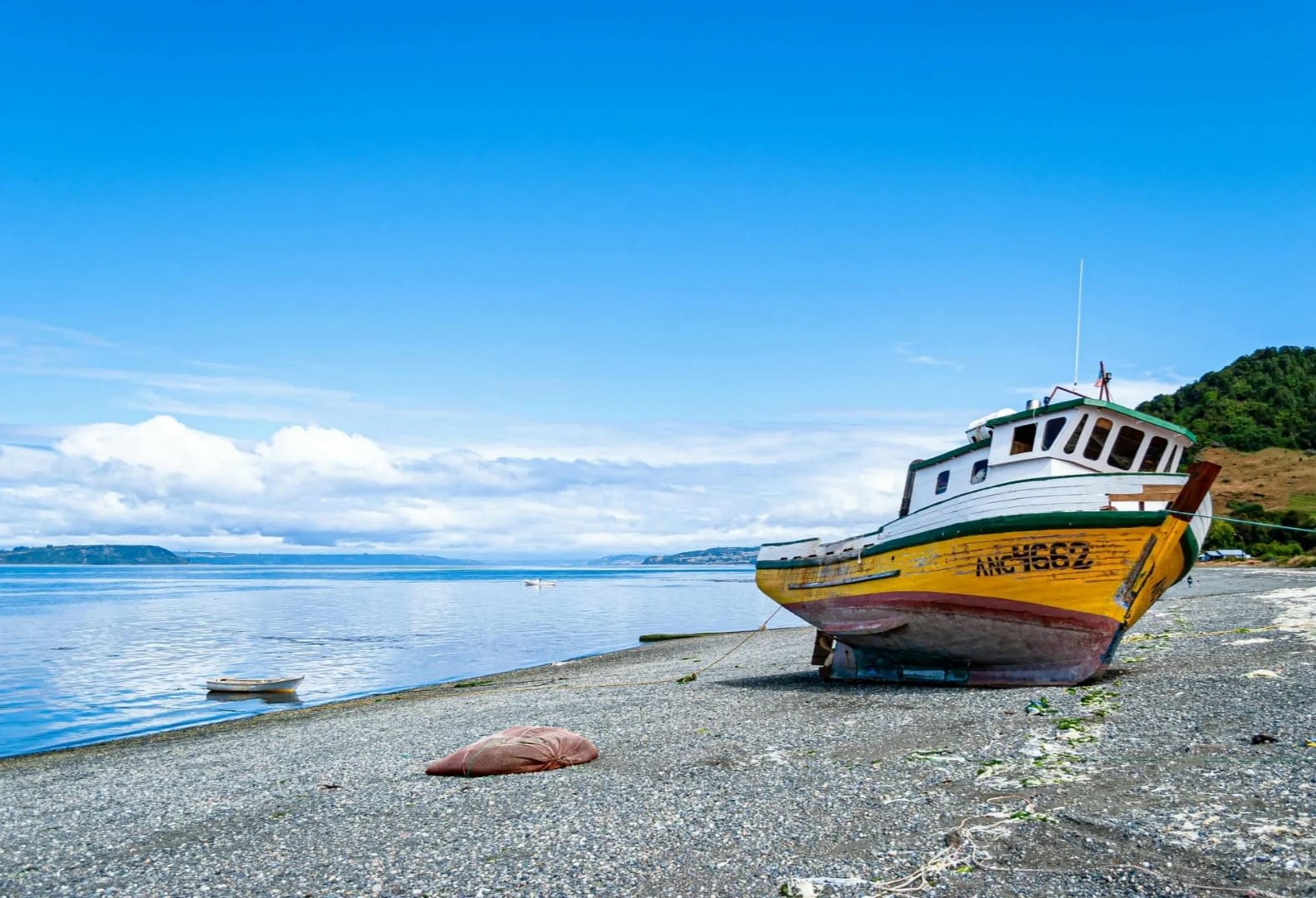
Chiloé Island is the largest island in the Chiloé Archipelago, located in the southern part of Chile. It is situated in the Los Lagos Region and is surrounded by the Pacific Ocean to the west and the Gulf of Ancud to the east. The island covers an area of approximately 8,394 square kilometers, making it one of the largest islands in Chile. Its geography is marked by rolling hills, dense temperate rainforests, fjords, and vast wetlands. The island’s landscapes offer a combination of dramatic coastal cliffs, pristine beaches, and lush green valleys, with a maritime climate that contributes to its verdant vegetation.
Key geographical features of Chiloé include:
Key geographical features of Chiloé include:
- Temperate Rainforests: The island's climate supports the growth of temperate rainforests, which are rich in biodiversity and home to various species of flora and fauna. These forests are filled with dense vegetation, towering trees, and moss-covered landscapes, creating an enchanting and mysterious atmosphere.
- Fjords and Coastlines: Chiloé's rugged coastline is characterized by dramatic fjords, rocky cliffs, and hidden coves. The fjords are not only breathtakingly beautiful but also serve as vital ecosystems for marine life, including dolphins, sea otters, and a variety of seabirds.
- Rivers and Wetlands: The island's many rivers and wetlands contribute to its rich ecosystems. The wetlands provide essential habitats for bird species, making Chiloé a haven for birdwatching enthusiasts.
- Volcanic Activity: Chiloé Island is part of the volcanic zone of southern Chile. While there are no active volcanoes on the island, the region is seismically active, and volcanic ash deposits have shaped much of the island’s landscape.
- Chiloé National Park: This national park, located on the island's western coast, protects a variety of ecosystems, including temperate forests, wetlands, and coastal cliffs. It is an essential conservation area for preserving the island’s biodiversity.
📜 History and Cultural Significance
Chiloé Island has a rich and complex history shaped by indigenous peoples, European colonization, and the development of a unique cultural identity. The island was originally inhabited by the Chono, Huilliche, and Mapuche peoples. These indigenous groups adapted to the harsh conditions of the southern fjords, developing a deep connection to the land and sea.
The Spanish arrived in Chiloé in the 16th century, and the island became part of the Spanish Empire’s colonial territory. Despite its relative isolation from the rest of Chile, Chiloé remained under Spanish rule for over three centuries, which helped shape its distinct cultural heritage. The island’s architecture, cuisine, and traditions reflect this fusion of indigenous and European influences.
In the 19th century, Chiloé played a crucial role in the expansion of Chilean territory as settlers moved to the island. The construction of wooden churches, known as the Chilota style, began during this period, creating a legacy that would later earn UNESCO World Heritage recognition.
Chiloé is also famous for its folklore, which features a wide range of mythical creatures and legends. Stories of witches, ghosts, and sea monsters have been passed down through generations, adding an air of mystery and intrigue to the island. Many of these myths are still celebrated today through festivals and cultural practices.
The Spanish arrived in Chiloé in the 16th century, and the island became part of the Spanish Empire’s colonial territory. Despite its relative isolation from the rest of Chile, Chiloé remained under Spanish rule for over three centuries, which helped shape its distinct cultural heritage. The island’s architecture, cuisine, and traditions reflect this fusion of indigenous and European influences.
In the 19th century, Chiloé played a crucial role in the expansion of Chilean territory as settlers moved to the island. The construction of wooden churches, known as the Chilota style, began during this period, creating a legacy that would later earn UNESCO World Heritage recognition.
Chiloé is also famous for its folklore, which features a wide range of mythical creatures and legends. Stories of witches, ghosts, and sea monsters have been passed down through generations, adding an air of mystery and intrigue to the island. Many of these myths are still celebrated today through festivals and cultural practices.
🏃 Activities and Attractions
Chiloé Island offers a wealth of activities for travelers, from cultural experiences to outdoor adventures. Visitors can explore the island’s quaint villages, discover its rich history, and enjoy its natural beauty. Popular activities include:
- Exploring the Wooden Churches: Chiloé is famous for its wooden churches, which represent a blend of indigenous and European architectural styles. Many of these churches have been recognized by UNESCO as World Heritage Sites and are must-see attractions for visitors interested in the island's history and culture.
- Birdwatching: Chiloé's diverse ecosystems provide an ideal setting for birdwatching. The island is home to a wide variety of bird species, including the famous Magellanic woodpecker, black-necked swans, and a variety of seabirds. Visitors can take guided tours to explore the wetlands, forests, and coastal areas.
- Fishing and Seafood Tasting: Chiloé is renowned for its rich marine life, and visitors can enjoy fresh seafood dishes such as curanto (a traditional seafood stew) and enjoy fishing tours in the surrounding waters.
- Hiking and Nature Walks: The island's lush forests, coastal cliffs, and national parks offer numerous hiking trails. One of the most popular is the trail in Chiloé National Park, where visitors can explore diverse ecosystems and enjoy spectacular views of the Pacific Ocean.
- Cultural Festivals: Chiloé is home to several festivals that celebrate its unique culture and traditions. The most famous is the Fiesta de la Virgen de Candelaria, which is held in the town of Dalcahue and features traditional music, dances, and religious processions.
💡 Travel Tips
When planning a trip to Chiloé Island, it’s essential to be prepared for the island’s distinct weather conditions and remote location. Here are some travel tips to help make the most of your visit:
1. Pack for All Weather: Chiloé has a temperate climate with frequent rain, so be sure to bring waterproof clothing, sturdy shoes, and layers to stay comfortable throughout the day.
2. Consider Renting a Car: The island is large, and public transportation can be limited. Renting a car gives you the flexibility to explore Chiloé at your own pace and reach some of the more remote areas.
3. Stay in Traditional Lodging: Chiloé is home to several charming guesthouses and “palafitos” (houses on stilts). Staying in one of these unique accommodations allows you to fully immerse yourself in the island’s culture.
4. Learn Some Local Folklore: Chiloé’s rich culture is steeped in myths and legends. Learning about the island’s folklore can add a deeper layer to your visit. Many local guides offer folklore tours that include stories about witches, spirits, and mythical creatures.
5. Respect Local Traditions: Chiloé has a unique cultural identity, and visitors are encouraged to respect local customs and traditions. Take time to learn about the island's history and culture to better appreciate its people and way of life.
1. Pack for All Weather: Chiloé has a temperate climate with frequent rain, so be sure to bring waterproof clothing, sturdy shoes, and layers to stay comfortable throughout the day.
2. Consider Renting a Car: The island is large, and public transportation can be limited. Renting a car gives you the flexibility to explore Chiloé at your own pace and reach some of the more remote areas.
3. Stay in Traditional Lodging: Chiloé is home to several charming guesthouses and “palafitos” (houses on stilts). Staying in one of these unique accommodations allows you to fully immerse yourself in the island’s culture.
4. Learn Some Local Folklore: Chiloé’s rich culture is steeped in myths and legends. Learning about the island’s folklore can add a deeper layer to your visit. Many local guides offer folklore tours that include stories about witches, spirits, and mythical creatures.
5. Respect Local Traditions: Chiloé has a unique cultural identity, and visitors are encouraged to respect local customs and traditions. Take time to learn about the island's history and culture to better appreciate its people and way of life.
🌱 Conservation Efforts
Chiloé Island is home to a variety of ecosystems, many of which are under threat due to climate change, logging, and development. The island has undertaken several initiatives to protect its natural resources and preserve its unique biodiversity.
1. Protected Areas: Chiloé National Park and other protected areas are essential for preserving the island's ecosystems. These areas provide safe havens for wildlife and ensure that the island's natural beauty remains intact for future generations.
2. Marine Conservation: Efforts are being made to protect the waters around Chiloé, which are home to various species of marine life. Sustainable fishing practices and marine conservation initiatives aim to protect these vital ecosystems.
3. Community-Led Conservation Projects: Local communities in Chiloé are actively involved in conservation efforts, such as reforestation projects and wildlife monitoring. These grassroots initiatives help to protect the island's flora and fauna while fostering a sense of environmental stewardship among locals.
1. Protected Areas: Chiloé National Park and other protected areas are essential for preserving the island's ecosystems. These areas provide safe havens for wildlife and ensure that the island's natural beauty remains intact for future generations.
2. Marine Conservation: Efforts are being made to protect the waters around Chiloé, which are home to various species of marine life. Sustainable fishing practices and marine conservation initiatives aim to protect these vital ecosystems.
3. Community-Led Conservation Projects: Local communities in Chiloé are actively involved in conservation efforts, such as reforestation projects and wildlife monitoring. These grassroots initiatives help to protect the island's flora and fauna while fostering a sense of environmental stewardship among locals.
✨ Conclusion
Chiloé Island is a fascinating destination that offers a blend of cultural heritage, natural beauty, and outdoor adventure. Its rich history, unique folklore, and breathtaking landscapes make it one of the most captivating places to visit in Chile. Whether you're exploring the island's lush forests, hiking its rugged coastlines, or immersing yourself in its vibrant culture, Chiloé promises an unforgettable experience for travelers seeking a truly distinctive and authentic destination.