Atacama Desert
The Atacama Desert, located in northern Chile, is one of the most fascinating and extreme environments on Earth. Known as the driest desert on the planet, it is home to landscapes that appear otherworldly, with salt flats, lunar valleys, and high-altitude plateaus. Despite its harsh conditions, the Atacama is teeming with life, from hardy plants to resilient wildlife. The desert’s stark beauty, unique ecosystems, and geological formations make it a must-visit destination for adventurers, photographers, and nature enthusiasts. From the salt flats of Uyuni to the Valle de la Luna, the Atacama offers a range of experiences that immerse visitors in the raw power of nature.
🌍 Geography and Natural Features
The Atacama Desert spans over 105,000 square kilometers and stretches along the northern part of Chile, bordered by the Andes Mountains to the east and the Pacific Ocean to the west. It is known for its extreme aridity, receiving less than 1 millimeter of rain annually in some areas. The desert is characterized by unique geological formations, salt flats, volcanoes, and high-altitude plateaus. It is also home to a variety of mineral deposits, including significant lithium reserves.
Some of the most remarkable geographical features include:
Some of the most remarkable geographical features include:
- Salt Flats: The Atacama is home to some of the world's largest salt flats, such as the Salar de Atacama. These vast, flat expanses are the remnants of ancient lakes that evaporated over millennia, leaving behind thick layers of salt.
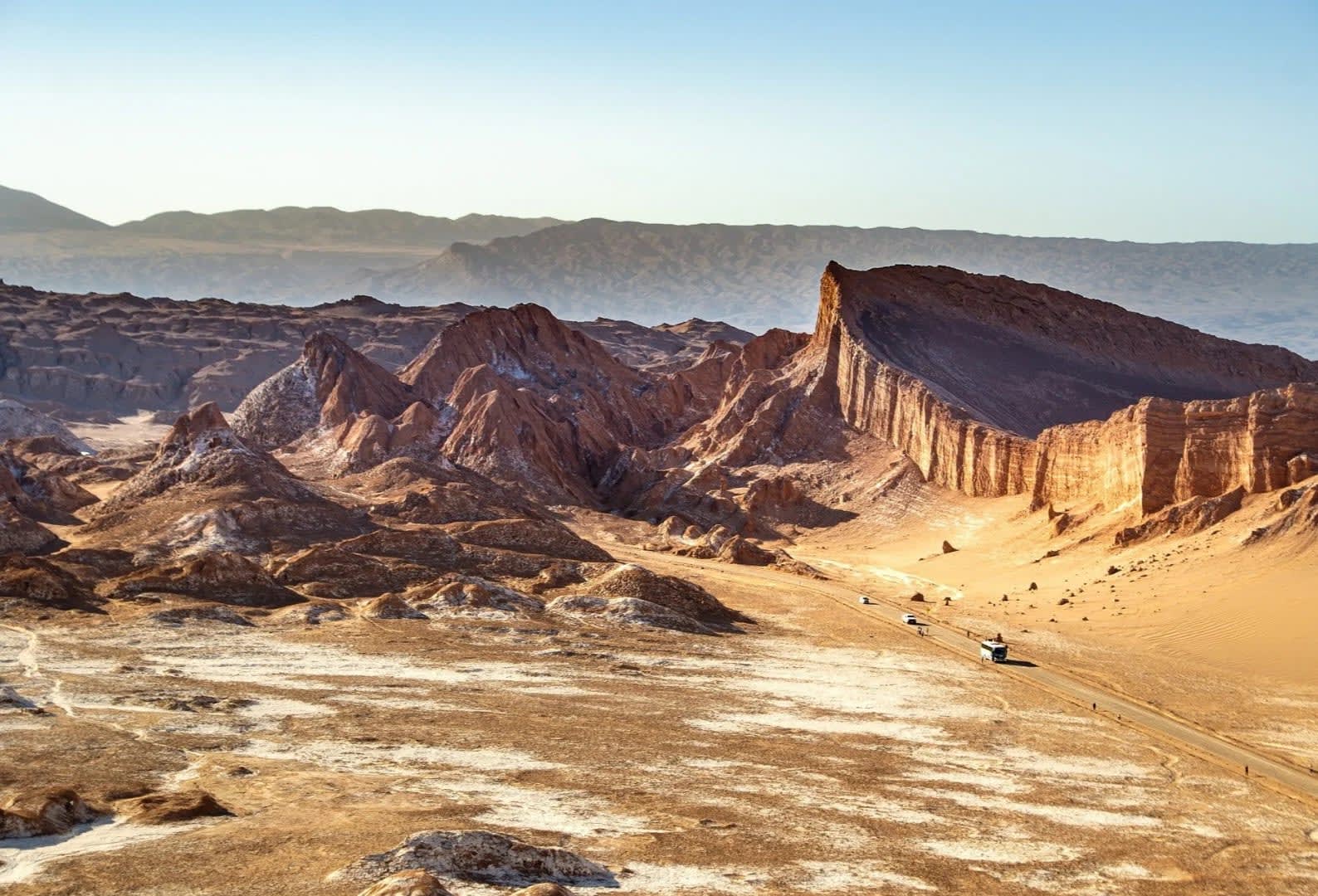
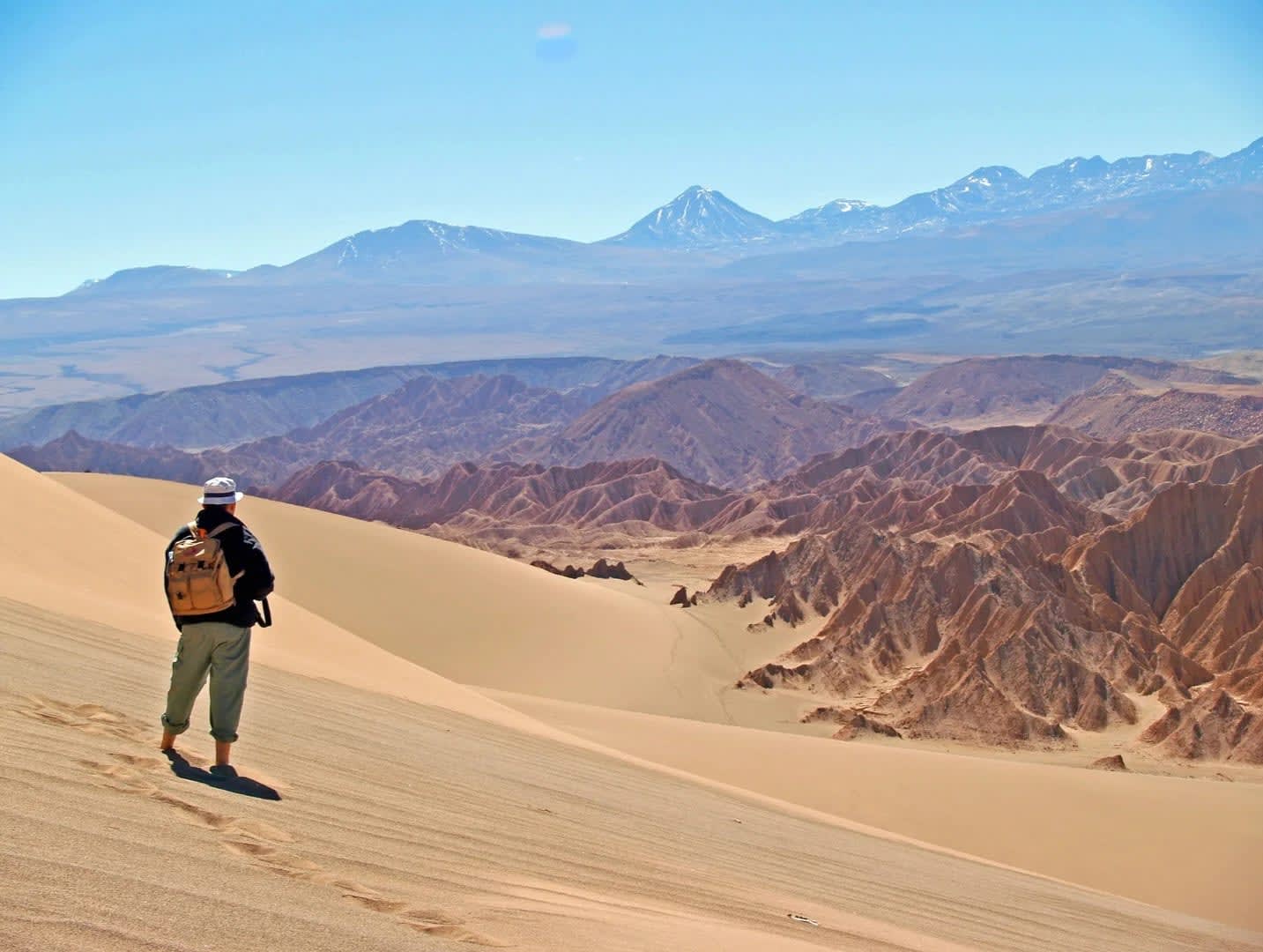
- Valle de la Luna (Valley of the Moon): A surreal landscape of sand dunes, salt formations, and rock formations that resemble a lunar surface. This region is particularly stunning during sunset, as the shifting light creates a mesmerizing effect on the desert's colors.
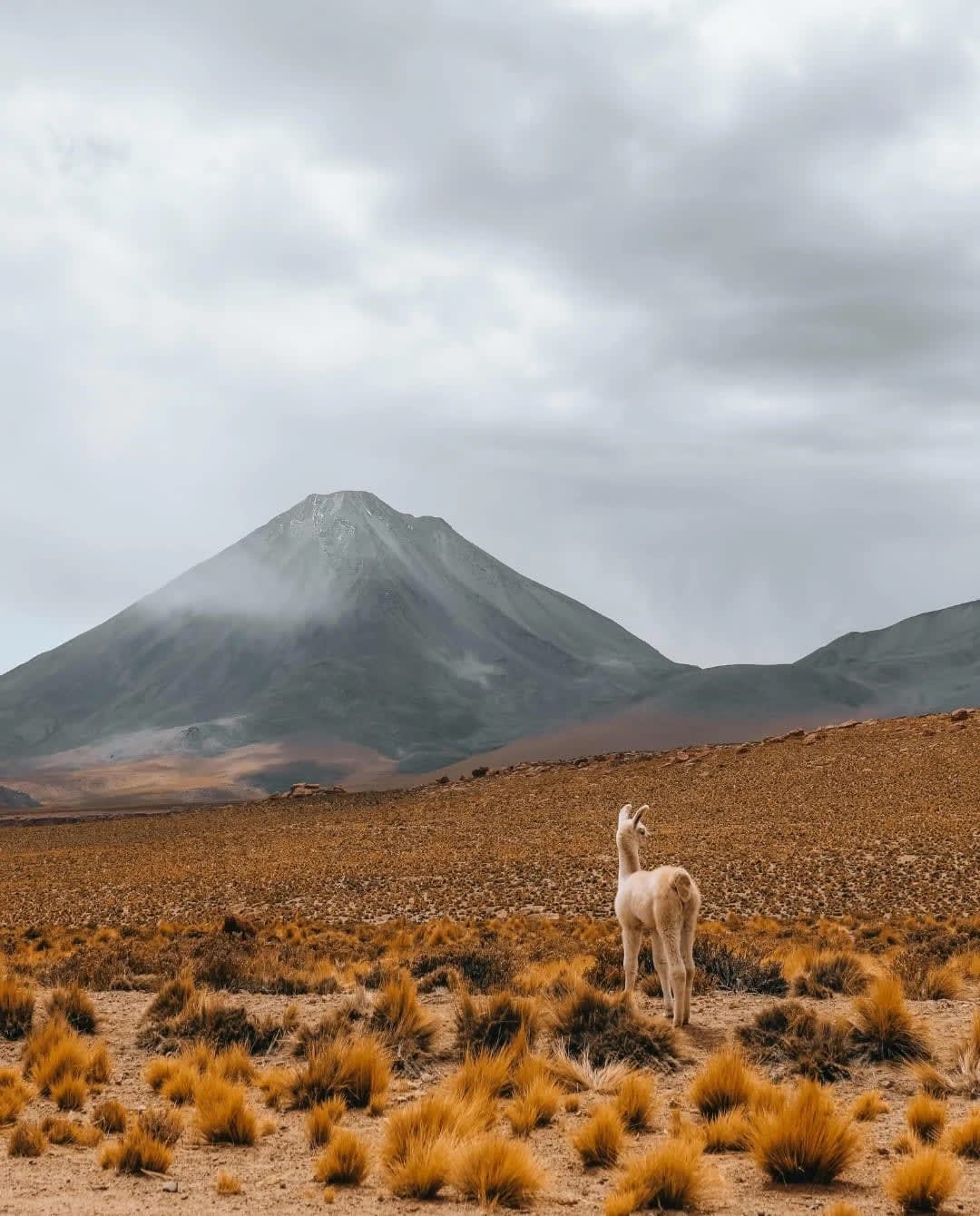
- Altiplano: The high-altitude plateau, known as the Altiplano, is located in the eastern part of the Atacama Desert. It is home to towering volcanoes, such as the Ojos del Salado, the highest active volcano in the world.
- Lagunas Altiplánicas: These high-altitude lakes, like Laguna Miscanti and Laguna Miñiques, are situated at over 4,000 meters above sea level and offer breathtaking views of the surrounding volcanic landscape.
- Geysers del Tatio: The Tatio Geysers, located at 4,320 meters above sea level, are one of the highest geothermal fields in the world. The site is particularly impressive during the early morning hours when steam rises from the ground against the backdrop of the Andes Mountains.
📜 History and Cultural Significance
The Atacama Desert has a rich history, shaped by ancient cultures and the harsh environment. It was once inhabited by indigenous groups, including the Atacama people, who developed agricultural techniques adapted to the arid conditions. They grew crops such as corn and quinoa in the desert, using sophisticated irrigation systems that harnessed the region's limited water resources.
In more recent history, the desert became a hub for mining activities, particularly for copper and lithium. The region's mining history has had a significant impact on the local economy and infrastructure, but it has also led to environmental challenges.
The Atacama Desert is culturally important to Chile and the world due to its history as a crossroads of indigenous culture and European colonization, as well as its modern-day role in mining and tourism. The Atacama remains a symbol of resilience, both in terms of the human ability to survive in extreme conditions and the endurance of life in the face of adversity.
In more recent history, the desert became a hub for mining activities, particularly for copper and lithium. The region's mining history has had a significant impact on the local economy and infrastructure, but it has also led to environmental challenges.
The Atacama Desert is culturally important to Chile and the world due to its history as a crossroads of indigenous culture and European colonization, as well as its modern-day role in mining and tourism. The Atacama remains a symbol of resilience, both in terms of the human ability to survive in extreme conditions and the endurance of life in the face of adversity.
🏃 Activities and Attractions
The Atacama Desert offers a wide array of activities, making it a popular destination for tourists seeking adventure, natural beauty, and a taste of the extraordinary. From hiking through lunar landscapes to stargazing in one of the clearest skies on Earth, visitors will find something to suit every interest. Some of the most popular activities include:
- Stargazing: The Atacama Desert is known for its crystal-clear skies and high-altitude location, making it one of the best places in the world for stargazing. The region hosts several observatories, such as the Paranal Observatory, where visitors can get a close look at the stars and planets.
- Sandboarding and Dune Adventures: The Atacama's vast sand dunes offer opportunities for thrilling sandboarding adventures. Visitors can ride down the dunes of Valle de la Muerte (Valley of Death) or other desert areas, enjoying the unique terrain and desert landscape.
- Hiking and Trekking: The desert is an excellent destination for outdoor enthusiasts. Popular treks include the Valle de la Luna, which features dramatic rock formations, and the high-altitude hikes to the Altiplano’s volcanic landscapes. Hiking in the Atacama offers unparalleled views of the desert’s geological wonders.
- Exploring Salt Flats and Lakes: Visitors can explore the Salar de Atacama, the largest salt flat in the region, or take a trip to the high-altitude lakes like Laguna Miscanti and Laguna Miñiques. These remote lakes offer peaceful experiences surrounded by the stark beauty of the desert.
- Visiting Geysers: The Geysers del Tatio provide an unforgettable experience. Visitors can watch steam shoot up from the earth at sunrise, with the surrounding mountains providing a stunning backdrop to the geothermal activity.
💡 Travel Tips
Visiting the Atacama Desert requires some preparation due to its extreme conditions. Here are some essential travel tips to help you make the most of your trip:
1. Prepare for Extreme Weather: The Atacama Desert can be incredibly hot during the day and freezing cold at night. Dress in layers, carry sunscreen, and ensure you have a warm jacket for the evenings.
2. Stay Hydrated: Despite its dry conditions, it's important to stay hydrated while exploring the desert. Always carry plenty of water, especially during long treks or when visiting remote areas.
3. Altitude Considerations: The Atacama is located at high altitudes, and visitors should take time to acclimatize to avoid altitude sickness. Drink plenty of water, avoid strenuous activities on the first day, and eat light meals.
4. Respect Local Communities: The Atacama Desert is home to indigenous communities. Be respectful of their culture and traditions and follow any local guidelines during your visit.
5. Book Tours in Advance: Due to the desert's popularity, it's a good idea to book tours and accommodations in advance, particularly during the high season (December to March). This will ensure you have access to the best experiences and avoid any last-minute issues.
1. Prepare for Extreme Weather: The Atacama Desert can be incredibly hot during the day and freezing cold at night. Dress in layers, carry sunscreen, and ensure you have a warm jacket for the evenings.
2. Stay Hydrated: Despite its dry conditions, it's important to stay hydrated while exploring the desert. Always carry plenty of water, especially during long treks or when visiting remote areas.
3. Altitude Considerations: The Atacama is located at high altitudes, and visitors should take time to acclimatize to avoid altitude sickness. Drink plenty of water, avoid strenuous activities on the first day, and eat light meals.
4. Respect Local Communities: The Atacama Desert is home to indigenous communities. Be respectful of their culture and traditions and follow any local guidelines during your visit.
5. Book Tours in Advance: Due to the desert's popularity, it's a good idea to book tours and accommodations in advance, particularly during the high season (December to March). This will ensure you have access to the best experiences and avoid any last-minute issues.
🌱 Conservation Efforts
Conservation in the Atacama Desert is a vital focus, given its delicate ecosystems and the impact of mining activities. Efforts are underway to protect the region's unique flora and fauna, as well as its geological and cultural heritage. Some conservation initiatives include:
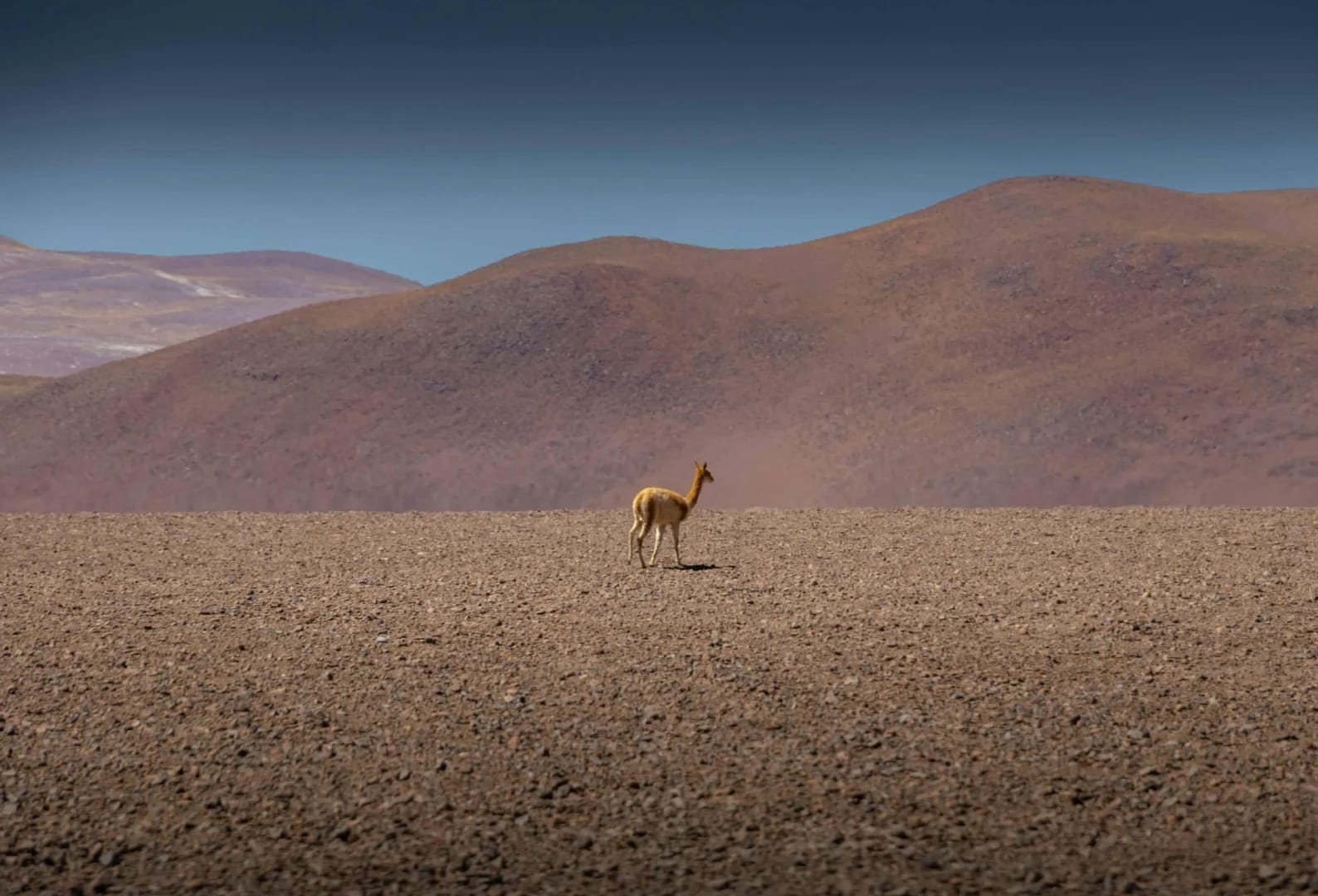
1. Protected Areas: Many areas within the desert, such as the Los Flamencos National Reserve, are protected to preserve the desert’s biodiversity. These reserves help to safeguard the habitats of wildlife, including flamingos, vicuñas, and desert foxes.
2. Water Conservation: Water is a precious resource in the Atacama, and conservation efforts focus on managing water supplies efficiently, especially in agricultural and mining activities.
3. Promoting Sustainable Tourism: Sustainable tourism initiatives are being implemented to minimize environmental impact. These include responsible travel practices, eco-friendly accommodations, and promoting education about the desert’s fragile ecosystems.
1. Protected Areas: Many areas within the desert, such as the Los Flamencos National Reserve, are protected to preserve the desert’s biodiversity. These reserves help to safeguard the habitats of wildlife, including flamingos, vicuñas, and desert foxes.
2. Water Conservation: Water is a precious resource in the Atacama, and conservation efforts focus on managing water supplies efficiently, especially in agricultural and mining activities.
3. Promoting Sustainable Tourism: Sustainable tourism initiatives are being implemented to minimize environmental impact. These include responsible travel practices, eco-friendly accommodations, and promoting education about the desert’s fragile ecosystems.
✨ Conclusion
The Atacama Desert is a unique and mesmerizing destination that offers visitors a glimpse into one of the harshest and most beautiful environments on Earth. From its salt flats and high-altitude lakes to its towering dunes and geysers, the Atacama Desert presents a variety of natural wonders. Whether you’re exploring its geological landscapes, observing the stars, or experiencing the desert’s ancient cultures, the Atacama offers an unforgettable experience. However, it is essential that future visitors approach the desert with respect for its delicate ecosystems, ensuring that this awe-inspiring region remains preserved for generations to come.