Easter Island
Easter Island, or Rapa Nui, is a remote Polynesian island in the southeastern Pacific Ocean. It is famous for its iconic Moai statues, colossal stone carvings that have captivated historians, archaeologists, and travelers alike for centuries. Located over 2,000 miles away from the nearest continental landmass, Easter Island is one of the most isolated inhabited places on Earth. Despite its remoteness, the island holds great significance in the realms of history, archaeology, and culture, making it an extraordinary destination for those who seek to understand its mysteries. Whether you're interested in its ancient history, its natural beauty, or its ongoing cultural significance, Easter Island offers an unforgettable experience.
🌍 Geography and Natural Features
Easter Island's geography is as unique as its history. The island, known locally as Rapa Nui, is a volcanic island located in the southeastern Pacific Ocean. It measures about 64.5 square miles (166 square kilometers) and is the easternmost point of the Polynesian Triangle. The island’s terrain is dominated by volcanic craters, lush hills, and stunning coastline. The dramatic landscapes provide a breathtaking backdrop for the ancient Moai statues that dot the island’s landscapes.
Here are some key geographical features of Easter Island:
Here are some key geographical features of Easter Island:
- Volcanic Craters and Mountains: Easter Island was formed by volcanic activity millions of years ago. The island features three main volcanoes: Terevaka, Poike, and Rano Kau. These dormant volcanoes shape the island's terrain, offering unique geological features such as craters, cliffs, and extinct volcanic lakes.
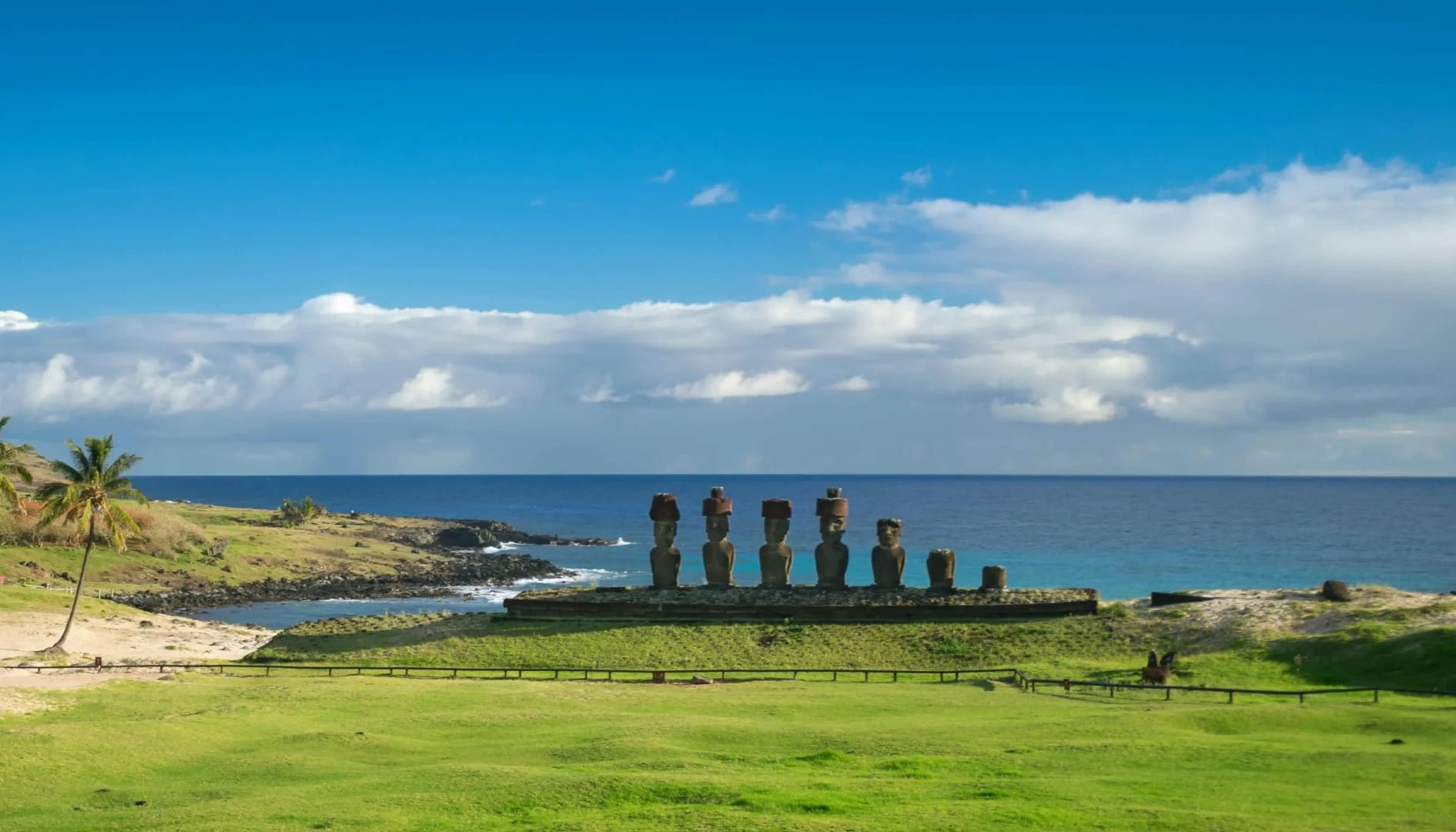
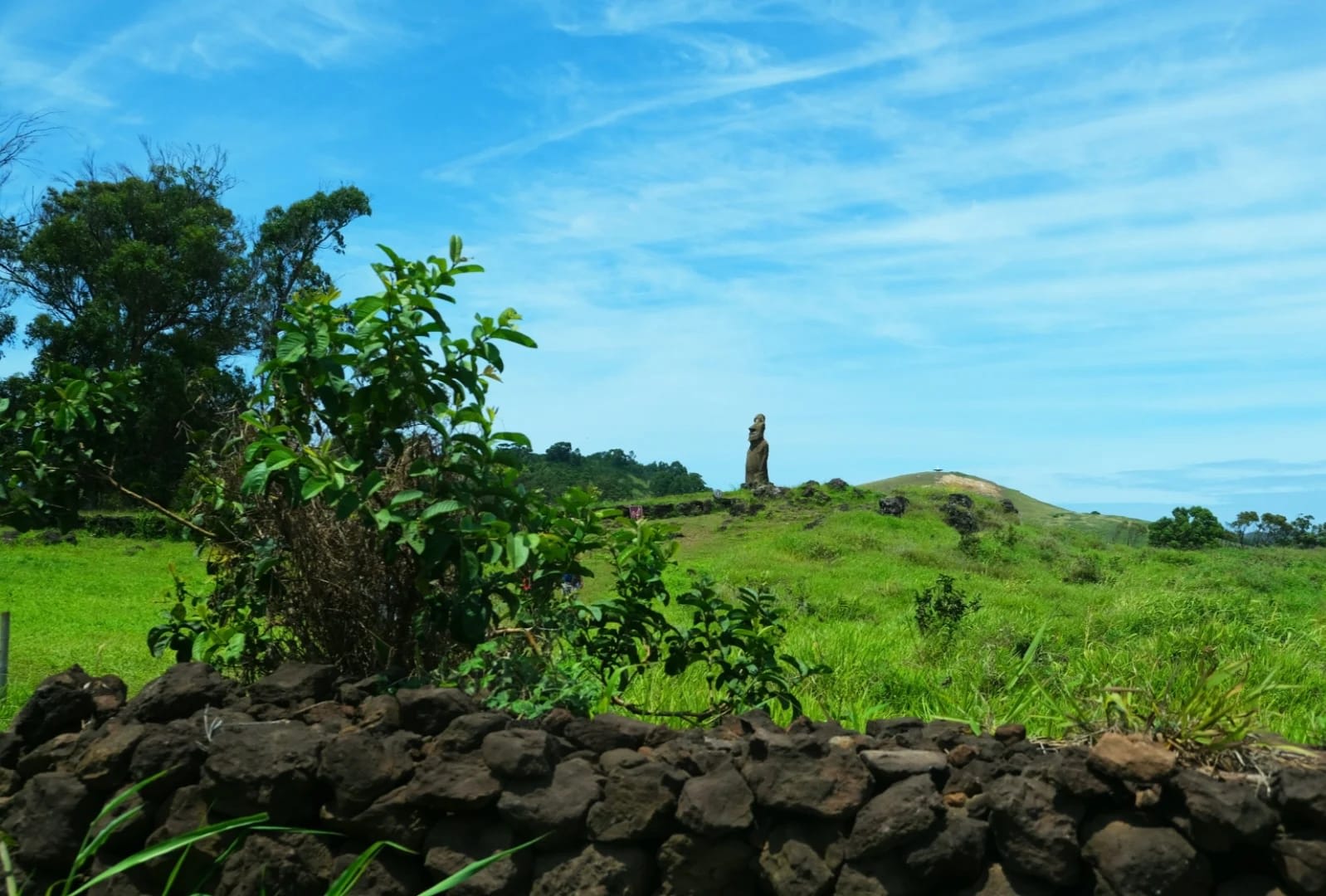
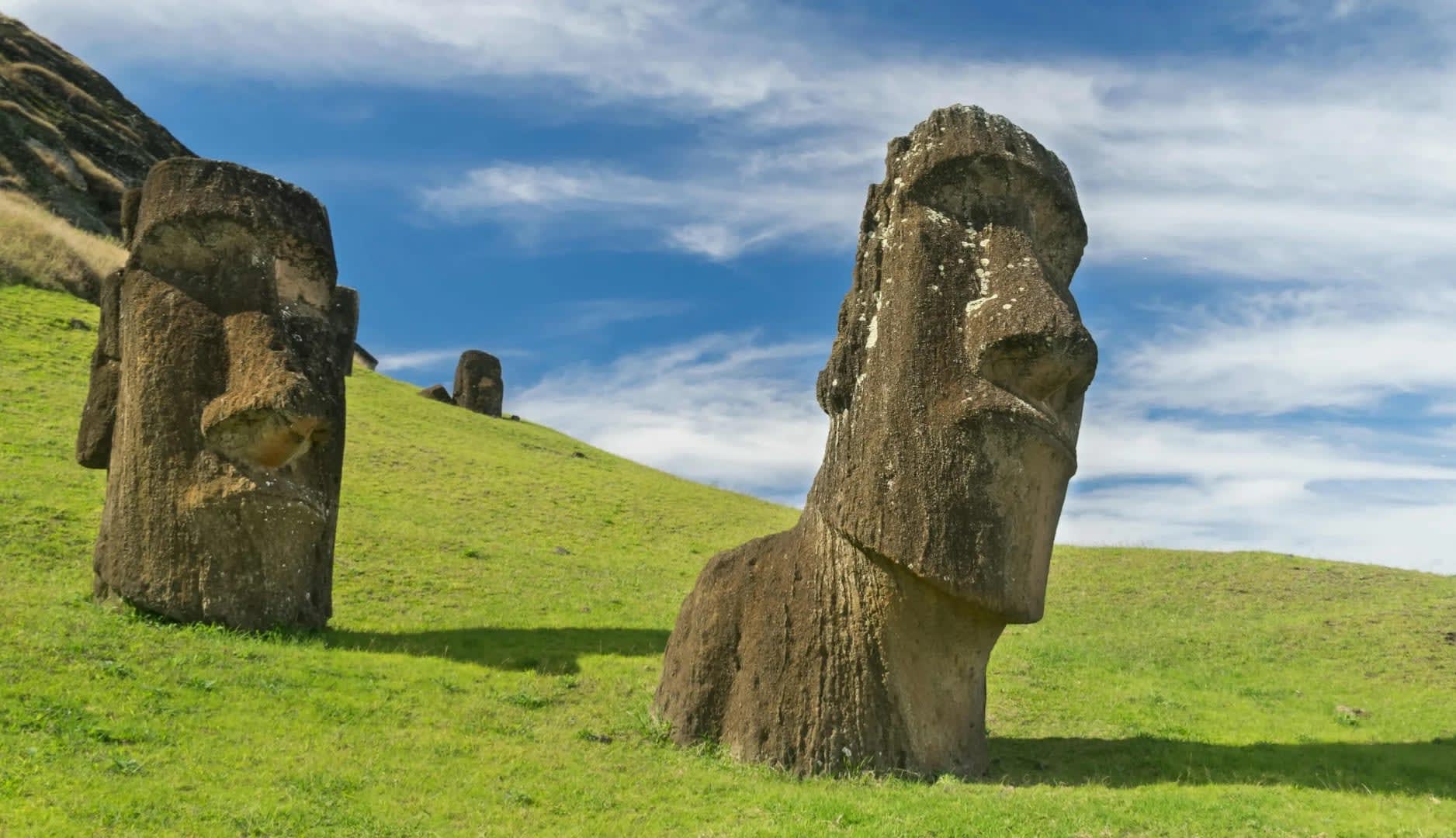
- Moai Statues and Ahu Platforms: The Moai statues are one of the island's most famous features. These massive stone figures are scattered across the island, with many placed on ceremonial platforms called Ahu. The Moai represent the island’s ancestral spirits and were carved from volcanic tuff.
- Rano Raraku Quarry: Rano Raraku is the site where the majority of Moai statues were carved. It is a volcanic crater with a fresh water lake in its center, surrounded by hundreds of unfinished statues.
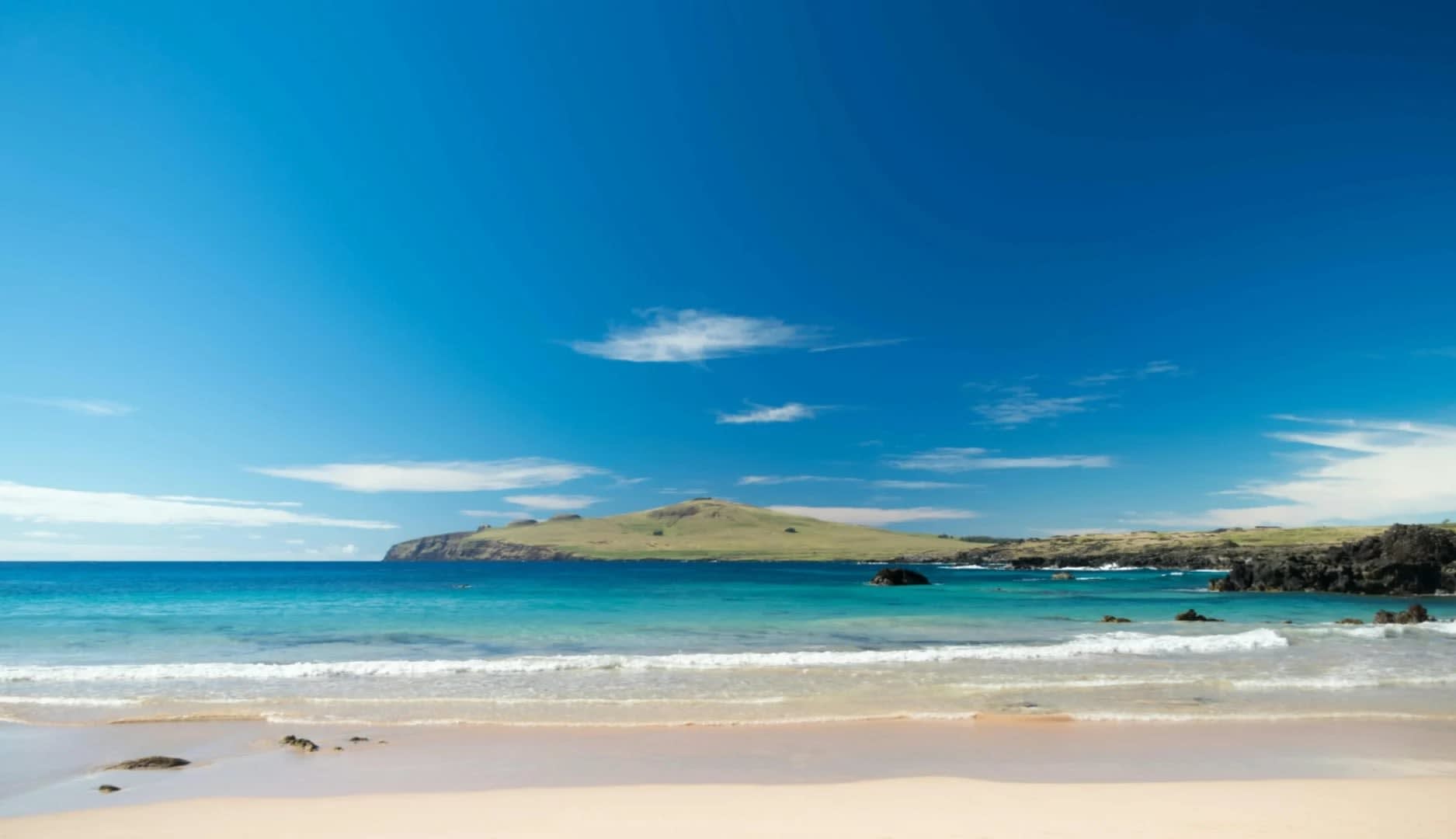
- Coastline and Beaches: Easter Island’s coastline features rugged cliffs and secluded beaches, providing a stunning contrast to the more arid, inland regions. The island is also home to the pristine Anakena Beach, known for its white sand and turquoise waters.
- Flora and Fauna: While the island’s natural vegetation is limited due to deforestation in the past, it still hosts a variety of native plant species and is home to numerous seabirds and marine life. The island is a vital part of marine biodiversity, including various species of fish and sea turtles.
📜 History and Cultural Significance
Easter Island has a rich and fascinating history that stretches back over a thousand years. The island was first settled by Polynesians, likely from the Marquesas Islands, around 800 AD. These early settlers developed a unique and advanced society that created the famous Moai statues and developed a complex culture centered around religious and social systems.
The construction of the Moai statues remains one of the island's greatest mysteries. Historians believe that the statues were carved to honor ancestors and were placed on Ahu platforms to create a physical representation of spiritual power. The construction of these statues required considerable human labor, and the creation of each Moai symbolized the islanders' dedication to their leaders and gods.
By the 18th century, European explorers arrived on Easter Island, which led to a series of disruptions to the island’s way of life. The arrival of Europeans brought diseases, and the island’s population suffered. The practice of Moai statue carving also declined, as social structures broke down and much of the island's culture was lost. Despite this, the island’s cultural heritage has been preserved through archaeological research and the efforts of the Rapa Nui people.
Today, Easter Island holds cultural significance both for the local Rapa Nui people and for the world. It was declared a UNESCO World Heritage Site in 1995, and efforts are continually made to protect and preserve its unique history and heritage.
The construction of the Moai statues remains one of the island's greatest mysteries. Historians believe that the statues were carved to honor ancestors and were placed on Ahu platforms to create a physical representation of spiritual power. The construction of these statues required considerable human labor, and the creation of each Moai symbolized the islanders' dedication to their leaders and gods.
By the 18th century, European explorers arrived on Easter Island, which led to a series of disruptions to the island’s way of life. The arrival of Europeans brought diseases, and the island’s population suffered. The practice of Moai statue carving also declined, as social structures broke down and much of the island's culture was lost. Despite this, the island’s cultural heritage has been preserved through archaeological research and the efforts of the Rapa Nui people.
Today, Easter Island holds cultural significance both for the local Rapa Nui people and for the world. It was declared a UNESCO World Heritage Site in 1995, and efforts are continually made to protect and preserve its unique history and heritage.
🏃 Activities and Attractions
Easter Island is a paradise for history buffs, nature lovers, and adventure seekers. With its vast array of historical sites, natural beauty, and cultural attractions, there is something for everyone. The island's activities include hiking, exploring ancient archaeological sites, and relaxing on its serene beaches. Here are some of the best activities and attractions on the island:
- Visiting the Moai Statues: The Moai statues are undoubtedly the most famous attraction on Easter Island. These massive stone figures are scattered across the island, with the most notable sites being Ahu Tongariki, Rano Raraku, and Ahu Akivi. A guided tour can provide deeper insights into their significance and the mystery surrounding their construction.
- Hiking to Rano Kau Crater: Rano Kau is one of the island’s largest volcanic craters and offers stunning panoramic views of the island’s coastline. Hiking to the crater is a popular activity, and visitors can enjoy the sight of the crater lake and the remains of the ancient Orongo village, known for its petroglyphs and ceremonial importance.
- Exploring Ahu Tongariki: This site features the largest and most impressive collection of Moai statues on the island, with 15 Moai arranged on a large Ahu platform. It is one of the most photographed locations on Easter Island.
- Relaxing at Anakena Beach: This idyllic beach is known for its white sand and crystal-clear waters. It is an ideal spot for swimming, sunbathing, and picnicking. The beach is also home to several Moai statues, adding an archaeological element to the relaxing atmosphere.
- Visiting the Easter Island Museum: The Museo Antropológico Padre Sebastián Englert is located in Hanga Roa and offers an in-depth look into the history and culture of Easter Island. The museum contains artifacts, exhibits on the island’s early settlers, and explanations about the famous Moai statues.
💡 Travel Tips
Visiting Easter Island requires careful planning, as it is a remote destination with limited infrastructure. Here are some essential tips to help you make the most of your trip to Rapa Nui:
1. Book Flights Early: Flights to Easter Island are limited, and it is recommended to book your flight well in advance, especially during the high season (December to March).
2. Respect the Local Culture: Easter Island has a rich cultural heritage, and it is important to respect the local traditions and practices of the Rapa Nui people. Always ask for permission before taking photos, especially at ceremonial sites.
3. Bring Sun Protection: The island’s climate can be intense, with strong sun and occasional rain. Pack sunblock, hats, and comfortable clothing to protect yourself from the elements.
4. Stay Hydrated: Due to the warm climate, it’s important to stay hydrated, especially during long hikes and outdoor activities.
5. Rent a Car or Bicycle: While there are taxis and guided tours, renting a car or bicycle offers more flexibility in exploring the island at your own pace.
1. Book Flights Early: Flights to Easter Island are limited, and it is recommended to book your flight well in advance, especially during the high season (December to March).
2. Respect the Local Culture: Easter Island has a rich cultural heritage, and it is important to respect the local traditions and practices of the Rapa Nui people. Always ask for permission before taking photos, especially at ceremonial sites.
3. Bring Sun Protection: The island’s climate can be intense, with strong sun and occasional rain. Pack sunblock, hats, and comfortable clothing to protect yourself from the elements.
4. Stay Hydrated: Due to the warm climate, it’s important to stay hydrated, especially during long hikes and outdoor activities.
5. Rent a Car or Bicycle: While there are taxis and guided tours, renting a car or bicycle offers more flexibility in exploring the island at your own pace.
🌱 Conservation Efforts
Easter Island faces several environmental challenges, including the preservation of its archaeological sites and the protection of its unique ecosystems. Various conservation efforts are underway to address these challenges and ensure that future generations can experience the island's rich cultural heritage.
1. UNESCO World Heritage Site: As a UNESCO World Heritage Site, Easter Island is protected under international conservation agreements. This designation helps ensure the preservation of its Moai statues, Ahu platforms, and other cultural landmarks.
2. Reforestation Projects: Due to deforestation in the past, Easter Island has seen a loss of its native flora. Reforestation efforts are underway to replant native trees and restore the island's biodiversity.
3. Community Involvement: The Rapa Nui people are actively involved in conservation efforts, working alongside local authorities and international organizations to protect the island's cultural and natural resources.
4. Marine Conservation: Efforts are also being made to protect the surrounding marine environment, including the establishment of marine protected areas to safeguard coral reefs and marine life.
1. UNESCO World Heritage Site: As a UNESCO World Heritage Site, Easter Island is protected under international conservation agreements. This designation helps ensure the preservation of its Moai statues, Ahu platforms, and other cultural landmarks.
2. Reforestation Projects: Due to deforestation in the past, Easter Island has seen a loss of its native flora. Reforestation efforts are underway to replant native trees and restore the island's biodiversity.
3. Community Involvement: The Rapa Nui people are actively involved in conservation efforts, working alongside local authorities and international organizations to protect the island's cultural and natural resources.
4. Marine Conservation: Efforts are also being made to protect the surrounding marine environment, including the establishment of marine protected areas to safeguard coral reefs and marine life.
✨ Conclusion
Easter Island is one of the most captivating destinations in the world, with its mysterious Moai statues, breathtaking landscapes, and rich cultural history. Whether you’re exploring its volcanic craters, relaxing on its pristine beaches, or uncovering the island’s secrets, Rapa Nui offers an unforgettable experience that will leave a lasting impression. By respecting its unique culture and environment, travelers can help ensure that Easter Island continues to inspire awe and wonder for generations to come.