
Tsodilo Hills
Tsodilo Hills, located in northwestern Botswana, is a UNESCO World Heritage Site celebrated for its deep cultural and historical significance. Known as the ‘Louvre of the Desert,’ Tsodilo is home to one of the world’s most significant collections of ancient rock art, with over 4,500 paintings scattered across its rugged cliffs and caves. Beyond its archaeological importance, the hills hold spiritual significance for the San people, who regard the area as sacred. With its stunning landscapes, rich history, and cultural heritage, Tsodilo Hills is a must-visit destination for those seeking a profound connection to Africa’s past.
🌍 Geography and Natural Features
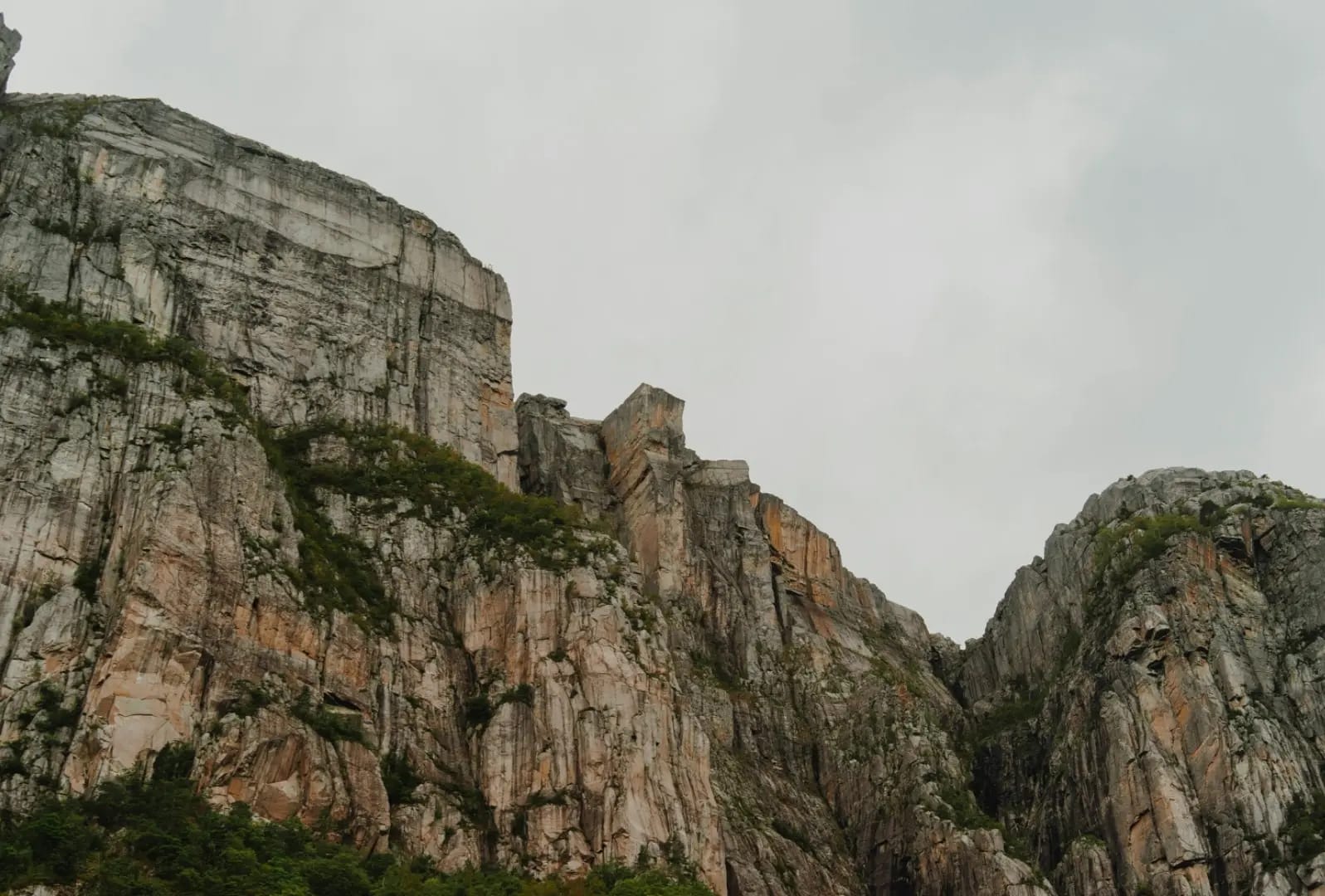
Tsodilo Hills is a striking geographic feature rising abruptly from the flat Kalahari landscape. The area comprises four main hills, each with unique characteristics and cultural significance.br>
- The Male Hill : The tallest of the four hills, reaching 1,400 meters above sea level, symbolizes strength and protection.
- The Female Hill : Slightly smaller, this hill is associated with fertility and nurturing by the local San communities.
- The Child Hill : A smaller hill located near the Female Hill, completing the symbolic family structure.
- The North Hill : Known for its extensive rock art, this hill is a focal point for archaeologists and historians.
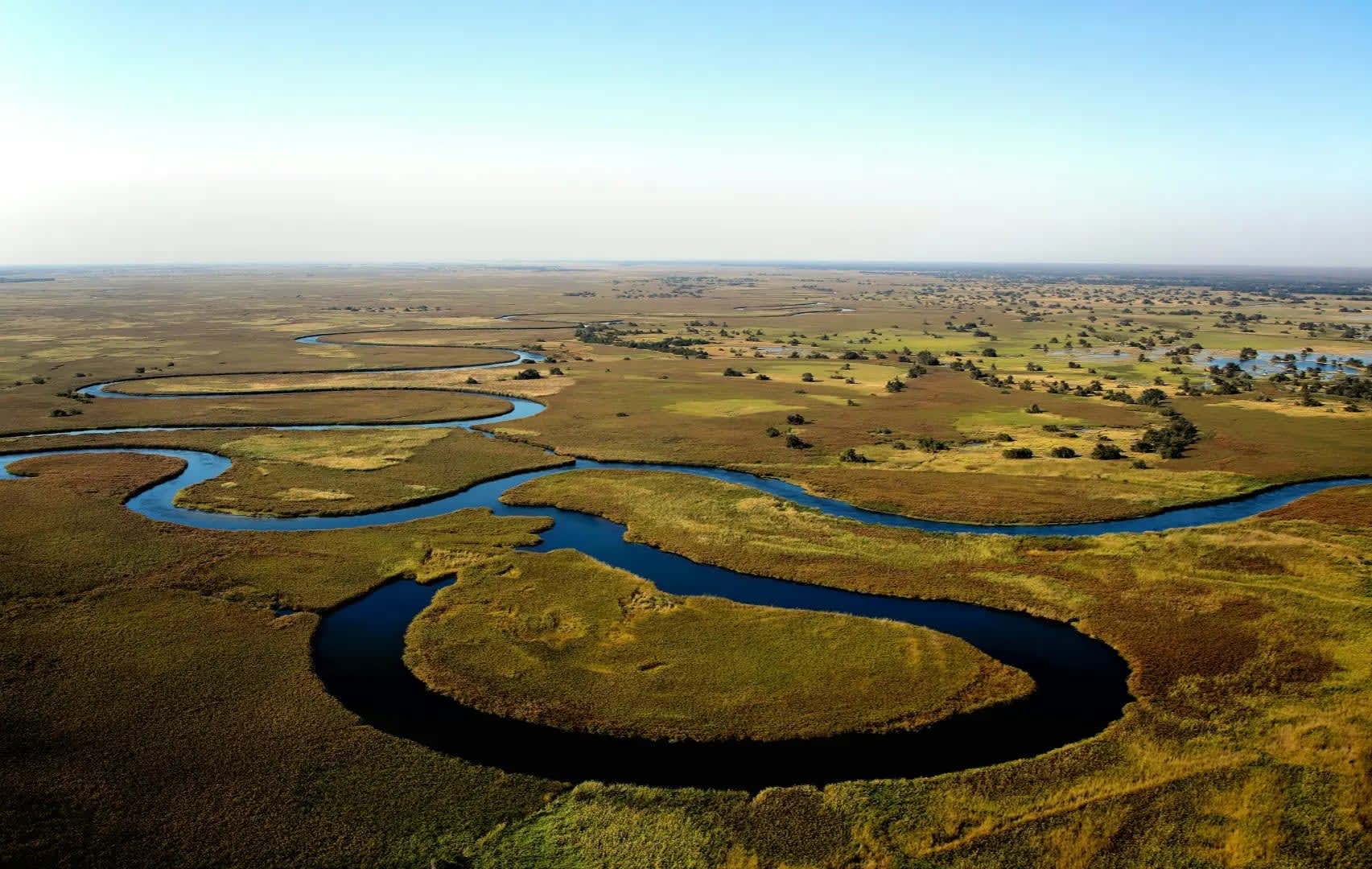
- Surrounding Plains : The surrounding area is semi-arid, dotted with resilient vegetation like acacias and wild sage, and inhabited by diverse wildlife.
📜 History and Cultural Significance
Tsodilo Hills is one of the most historically and culturally rich sites in Africa. Archaeological findings indicate that humans have lived in or around the hills for over 100,000 years, making it a critical site for understanding early human history.
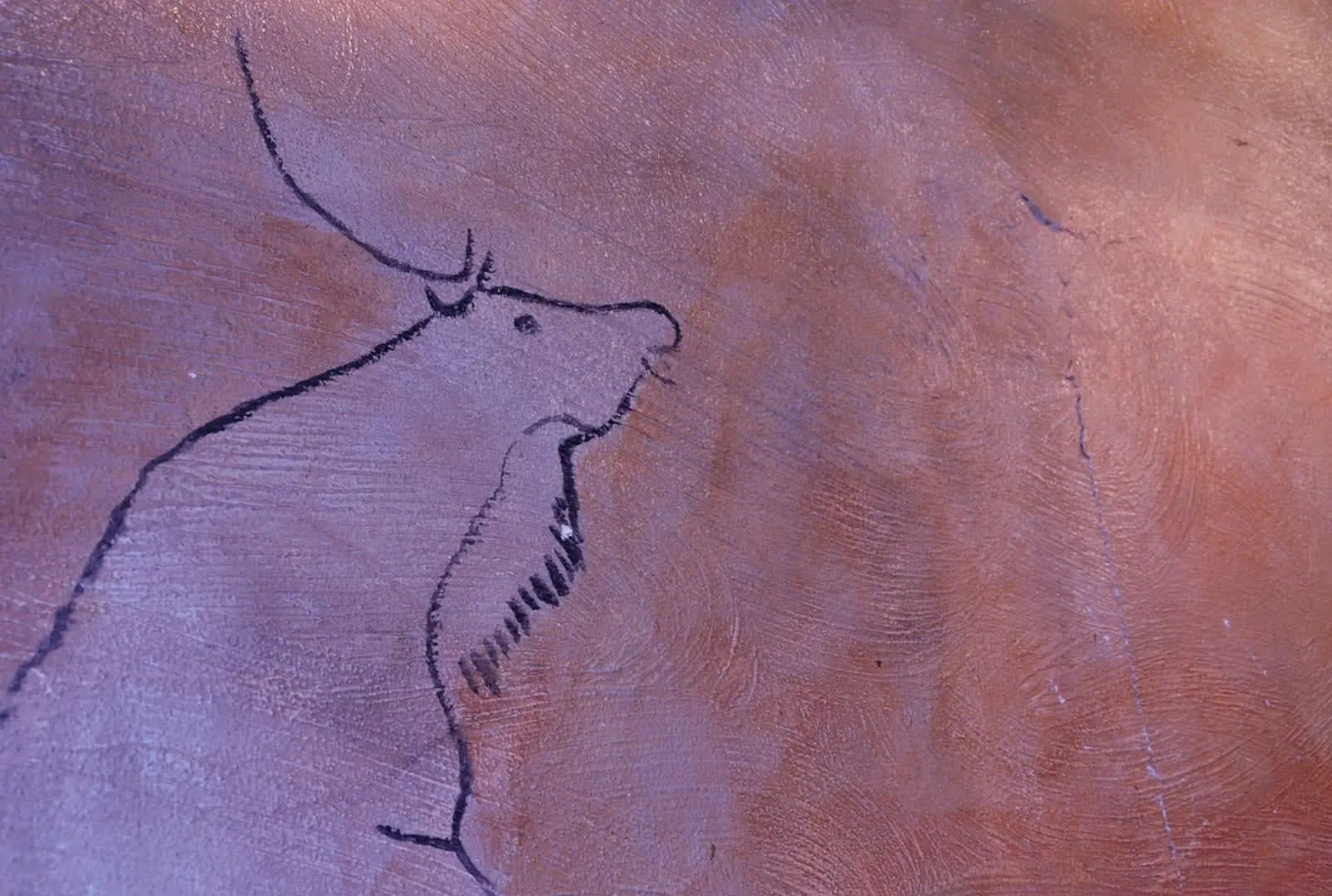
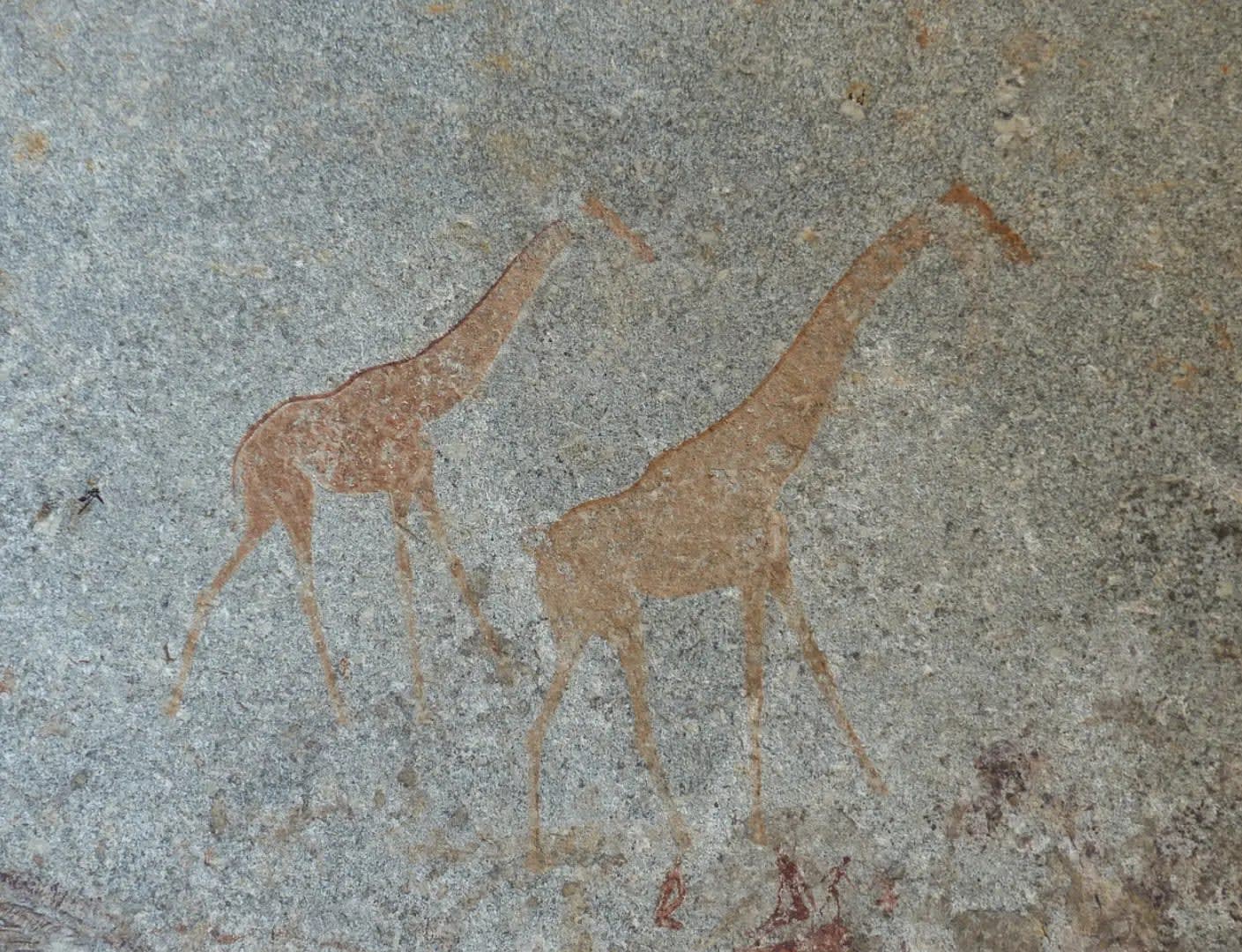
The rock art at Tsodilo, created by the San people and their ancestors, offers a glimpse into the beliefs, rituals, and daily lives of ancient communities. These paintings depict animals, hunting scenes, and spiritual symbols, reflecting the deep connection between humans and nature.
For the San people, Tsodilo is more than an archaeological site—it is a sacred place. They believe the hills are home to spirits and are the site where the world was created. Rituals, prayers, and traditional ceremonies are still conducted here, preserving its spiritual significance.
Tsodilo’s designation as a UNESCO World Heritage Site in 2001 underscores its global importance as a cultural and historical treasure.
The rock art at Tsodilo, created by the San people and their ancestors, offers a glimpse into the beliefs, rituals, and daily lives of ancient communities. These paintings depict animals, hunting scenes, and spiritual symbols, reflecting the deep connection between humans and nature.
For the San people, Tsodilo is more than an archaeological site—it is a sacred place. They believe the hills are home to spirits and are the site where the world was created. Rituals, prayers, and traditional ceremonies are still conducted here, preserving its spiritual significance.
Tsodilo’s designation as a UNESCO World Heritage Site in 2001 underscores its global importance as a cultural and historical treasure.
🏃 Activities and Attractions
Visitors to Tsodilo Hills can engage in a range of activities that highlight its unique cultural and natural features.
- Rock Art Exploration : Discover thousands of ancient rock paintings, each telling a story of Africa’s distant past.
- Guided Cultural Tours : Learn about the San people’s traditions, beliefs, and relationship with Tsodilo through guided visits.
- Hiking Trails : Explore the hills on foot with well-marked trails leading to key sites and panoramic viewpoints.
- Wildlife Viewing : Spot wildlife such as kudu, springbok, and diverse bird species that inhabit the area.
- Photography : Capture the dramatic landscapes and intricate rock art, creating memories of this extraordinary destination.
💡 Travel Tips
To make the most of your visit to Tsodilo Hills, consider these practical tips :
Hire a Local Guide : Knowledgeable guides can provide invaluable insights into the history and cultural significance of the hills.
Wear Comfortable Shoes : The terrain can be rocky and uneven, so sturdy footwear is essential for hiking.
Visit Early in the Day : Morning visits are ideal to avoid the midday heat and enjoy optimal lighting for photography.
Respect the Site : Tsodilo is a sacred place ; follow local customs and avoid touching or damaging the rock art.
Bring Essentials : Pack sunscreen, a hat, water, and snacks to stay comfortable during your exploration.
Hire a Local Guide : Knowledgeable guides can provide invaluable insights into the history and cultural significance of the hills.
Wear Comfortable Shoes : The terrain can be rocky and uneven, so sturdy footwear is essential for hiking.
Visit Early in the Day : Morning visits are ideal to avoid the midday heat and enjoy optimal lighting for photography.
Respect the Site : Tsodilo is a sacred place ; follow local customs and avoid touching or damaging the rock art.
Bring Essentials : Pack sunscreen, a hat, water, and snacks to stay comfortable during your exploration.
🌱 Conservation Efforts
Conservation efforts at Tsodilo Hills aim to preserve its unique cultural and natural heritage for future generations. The site is managed by Botswana’s Department of National Museum and Monuments in collaboration with local communities.
Initiatives include protecting the fragile rock art from natural erosion and human impact, promoting sustainable tourism practices, and educating visitors about the importance of the site. Local San communities are actively involved in these efforts, ensuring that their traditions and knowledge are integrated into conservation plans.
Visitors can contribute to these efforts by respecting the rules of the site, supporting local guides, and choosing eco-friendly travel options.
Initiatives include protecting the fragile rock art from natural erosion and human impact, promoting sustainable tourism practices, and educating visitors about the importance of the site. Local San communities are actively involved in these efforts, ensuring that their traditions and knowledge are integrated into conservation plans.
Visitors can contribute to these efforts by respecting the rules of the site, supporting local guides, and choosing eco-friendly travel options.
✨ Conclusion
Tsodilo Hills is a destination that transcends time, offering a profound connection to Africa’s cultural and natural heritage. Whether you’re exploring its ancient rock art, hiking its dramatic landscapes, or learning about its spiritual significance, Tsodilo promises a transformative experience.
As a UNESCO World Heritage Site, it stands as a testament to the enduring legacy of the San people and the timeless beauty of Botswana’s wilderness. By visiting Tsodilo Hills, you’re not only discovering a unique destination but also supporting its preservation for generations to come.
As a UNESCO World Heritage Site, it stands as a testament to the enduring legacy of the San people and the timeless beauty of Botswana’s wilderness. By visiting Tsodilo Hills, you’re not only discovering a unique destination but also supporting its preservation for generations to come.