


Chobe National Park
Chobe National Park, established in 1968, is Botswana’s first national park and remains one of its most treasured. Known for its remarkable diversity of ecosystems and dense wildlife populations, it spans over 4,500 square miles and is home to one of the largest elephant populations in Africa. The Chobe River, which flows along the park’s northern border, draws an incredible variety of animals year-round, creating some of the best wildlife viewing opportunities on the continent. The park is a sanctuary for those seeking adventure and a close connection with Africa’s wild landscapes and extraordinary creatures.
🌍 Geography and Natural Features
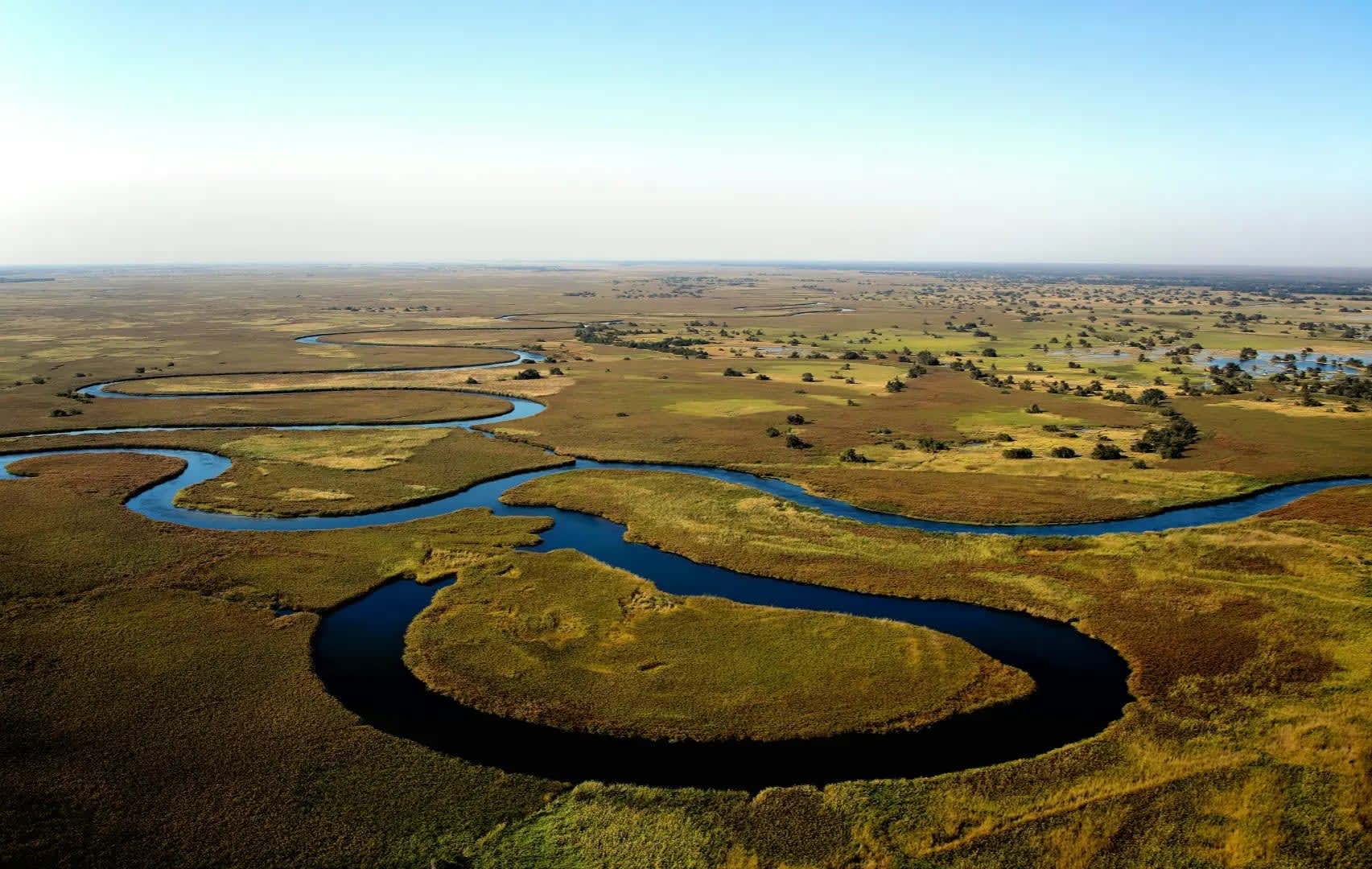
Chobe National Park’s varied landscapes include riverfronts, floodplains, woodlands, and grasslands. This diversity supports a wide range of plant and animal species, each adapting to the unique features of their habitats within the park.
- The Chobe Riverfront : The riverfront is the heart of Chobe, attracting large herds of elephants, buffalo, and other wildlife, especially during the dry season. The river is also home to hippos and crocodiles and draws countless bird species, making it ideal for boat safaris.
- Savuti Marsh : The Savuti area is known for its unpredictable Savuti Channel, which experiences seasonal flooding. This fertile area attracts predators like lions, hyenas, and leopards and is famous for its intense predator-prey interactions.
- Linyanti Marsh : The Linyanti region is a remote area known for its rivers, wetlands, and woodlands, with lush vegetation that supports wildlife even during dry months. It’s a prime spot for viewing rare species, such as African wild dogs and roan antelope.
- Woodland and Grassland Habitats : The park’s woodlands, particularly in the Nogatsaa region, are home to giraffes, antelope, and an array of birdlife. These areas add to the diversity of landscapes that make Chobe unique.
- Floodplains : The Chobe floodplains serve as important grazing grounds for herbivores and a hunting ground for predators, creating dynamic wildlife scenes that attract visitors and photographers alike.
📜 History and Cultural Significance
The area now known as Chobe National Park has a rich cultural history. Indigenous tribes, such as the Basubiya, have inhabited the region for centuries, relying on the Chobe River and its resources for survival. In more recent history, European explorers and traders traveled through the region, and conservationists worked to preserve its landscapes and wildlife. Today, Chobe’s focus on sustainable tourism supports local communities, providing employment while fostering cultural pride and ecological awareness.
Indigenous Connection : The Basubiya and other groups have long depended on the region’s resources, and their traditional knowledge of the land has contributed to local conservation efforts.
Ecotourism Development : Sustainable tourism in Chobe has allowed the park to thrive while benefiting local communities through employment and revenue from conservation fees.
Conservation Milestones : The creation of Chobe National Park marked Botswana’s commitment to protecting its natural heritage, with the park being one of the earliest protected areas in the country.
Indigenous Connection : The Basubiya and other groups have long depended on the region’s resources, and their traditional knowledge of the land has contributed to local conservation efforts.
Ecotourism Development : Sustainable tourism in Chobe has allowed the park to thrive while benefiting local communities through employment and revenue from conservation fees.
Conservation Milestones : The creation of Chobe National Park marked Botswana’s commitment to protecting its natural heritage, with the park being one of the earliest protected areas in the country.
🏃 Activities and Attractions
Chobe National Park offers a range of activities that allow visitors to experience the park’s unique landscapes and abundant wildlife, from traditional game drives to boat safaris along the Chobe River.
Game Drives : Game drives are a popular way to explore Chobe’s wildlife, especially in the Savuti and Linyanti areas, where sightings of lions, leopards, and elephants are common. The park’s varied landscapes provide unique scenery for each drive.
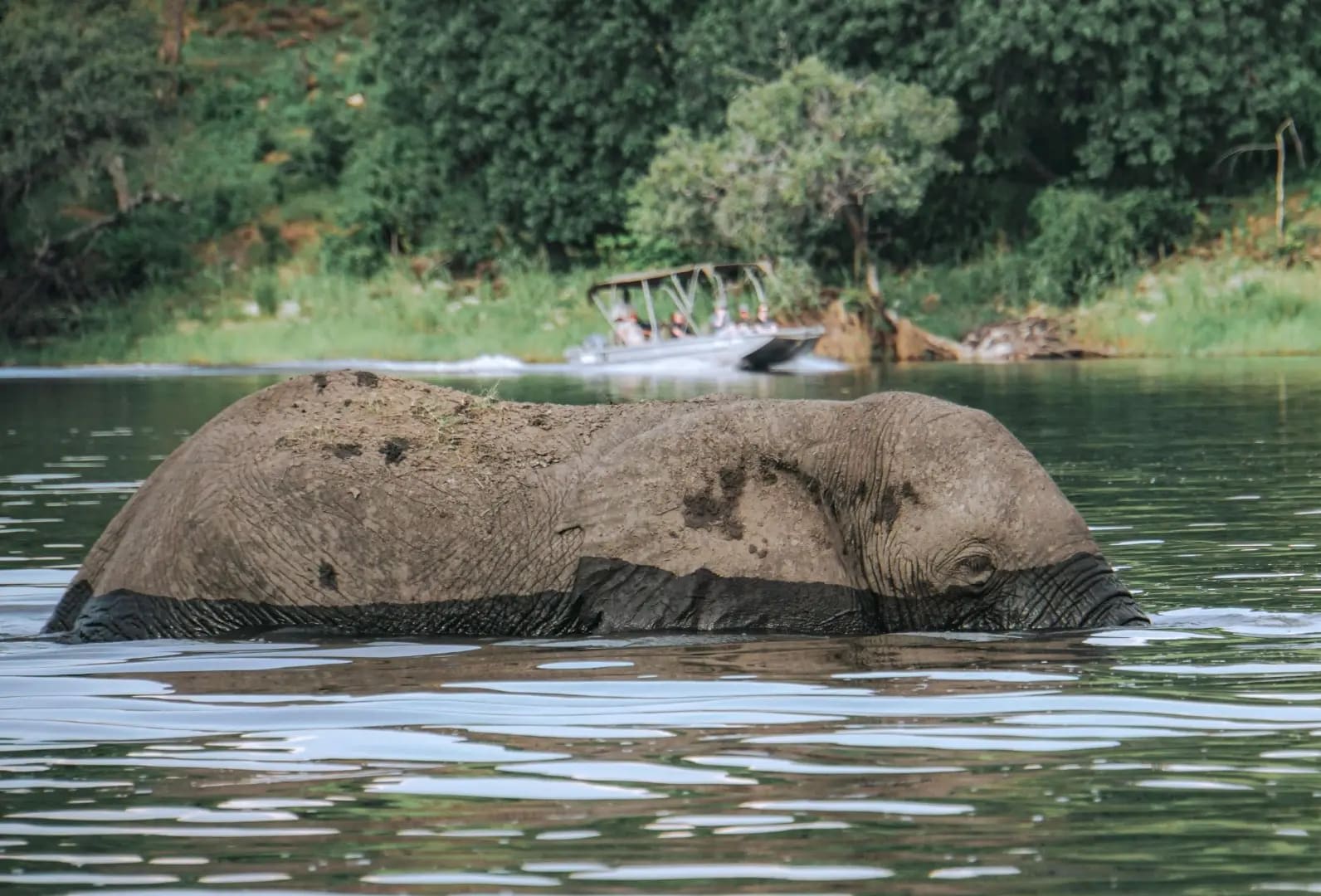
Boat Safaris : A boat safari along the Chobe River is a must, especially during sunset. This experience provides close views of hippos, crocodiles, and elephants cooling off in the water, as well as diverse birdlife along the riverbanks.
Birdwatching : Chobe is home to over 450 bird species, making it a paradise for birdwatchers. The riverfront and floodplains are particularly good for spotting species like African fish eagles, kingfishers, and storks.
Photography : With dramatic landscapes and abundant wildlife, Chobe offers exceptional opportunities for photography. The river’s reflective waters and the park’s vibrant sunsets create ideal lighting for capturing wildlife and scenery.
Walking Safaris : Guided walking safaris are available in some areas of Chobe, offering an intimate and immersive way to experience the bush and learn about the region’s flora and fauna from skilled guides.
Game Drives : Game drives are a popular way to explore Chobe’s wildlife, especially in the Savuti and Linyanti areas, where sightings of lions, leopards, and elephants are common. The park’s varied landscapes provide unique scenery for each drive.
Boat Safaris : A boat safari along the Chobe River is a must, especially during sunset. This experience provides close views of hippos, crocodiles, and elephants cooling off in the water, as well as diverse birdlife along the riverbanks.
Birdwatching : Chobe is home to over 450 bird species, making it a paradise for birdwatchers. The riverfront and floodplains are particularly good for spotting species like African fish eagles, kingfishers, and storks.
Photography : With dramatic landscapes and abundant wildlife, Chobe offers exceptional opportunities for photography. The river’s reflective waters and the park’s vibrant sunsets create ideal lighting for capturing wildlife and scenery.
Walking Safaris : Guided walking safaris are available in some areas of Chobe, offering an intimate and immersive way to experience the bush and learn about the region’s flora and fauna from skilled guides.
💡 Travel Tips
How to Get There : Chobe is accessible from the town of Kasane, located near Botswana’s borders with Zimbabwe, Zambia, and Namibia. Kasane has a regional airport with flights from major African cities. Coordinates : 17.8239° S, 25.1523° E.
Best Time to Visit : The dry season, from May to October, is ideal for wildlife viewing as animals gather at the Chobe River. The wet season, from November to April, offers lush landscapes, migratory birds, and fewer crowds.
What to Bring : Lightweight, neutral clothing, binoculars, a camera with extra batteries, sunscreen, and a hat. A reusable water bottle and insect repellent are also recommended.
Accommodation : Chobe has a range of accommodation options, from luxury lodges to tented camps. Kasane offers budget-friendly options, and many lodges along the Chobe River include all-inclusive packages with guided safaris.
Best Time to Visit : The dry season, from May to October, is ideal for wildlife viewing as animals gather at the Chobe River. The wet season, from November to April, offers lush landscapes, migratory birds, and fewer crowds.
What to Bring : Lightweight, neutral clothing, binoculars, a camera with extra batteries, sunscreen, and a hat. A reusable water bottle and insect repellent are also recommended.
Accommodation : Chobe has a range of accommodation options, from luxury lodges to tented camps. Kasane offers budget-friendly options, and many lodges along the Chobe River include all-inclusive packages with guided safaris.
🌱 Conservation Efforts
Chobe National Park is at the forefront of Botswana’s conservation efforts, with projects focused on protecting its rich ecosystems and addressing challenges like human-wildlife conflict and poaching. Conservation strategies include anti-poaching patrols, wildlife monitoring, and community engagement. Collaborative efforts with neighboring countries also help preserve wildlife corridors. Visitors are encouraged to follow eco-friendly practices, respect wildlife, and support local conservation initiatives.
Anti-Poaching Measures : Chobe employs anti-poaching units to protect elephants, rhinos, and other vulnerable species from illegal hunting.
Human-Wildlife Conflict Mitigation : Programs are in place to reduce conflicts between wildlife and local communities, including educating residents on sustainable farming practices.
Wildlife Monitoring : Monitoring efforts help track animal populations and migration patterns, ensuring that conservation strategies are adaptive and effective.
Anti-Poaching Measures : Chobe employs anti-poaching units to protect elephants, rhinos, and other vulnerable species from illegal hunting.
Human-Wildlife Conflict Mitigation : Programs are in place to reduce conflicts between wildlife and local communities, including educating residents on sustainable farming practices.
Wildlife Monitoring : Monitoring efforts help track animal populations and migration patterns, ensuring that conservation strategies are adaptive and effective.
✨ Conclusion
Chobe National Park is a magnificent destination, offering unparalleled wildlife encounters and breathtaking natural beauty. Its diverse ecosystems, from the riverfront to the savannahs, create a dynamic landscape that captivates visitors. As a pioneer in conservation, Chobe demonstrates Botswana’s dedication to protecting its wildlife and ecosystems. A visit to Chobe provides not only a memorable safari experience but also a deeper appreciation for the importance of preserving Africa’s wild spaces for future generations.