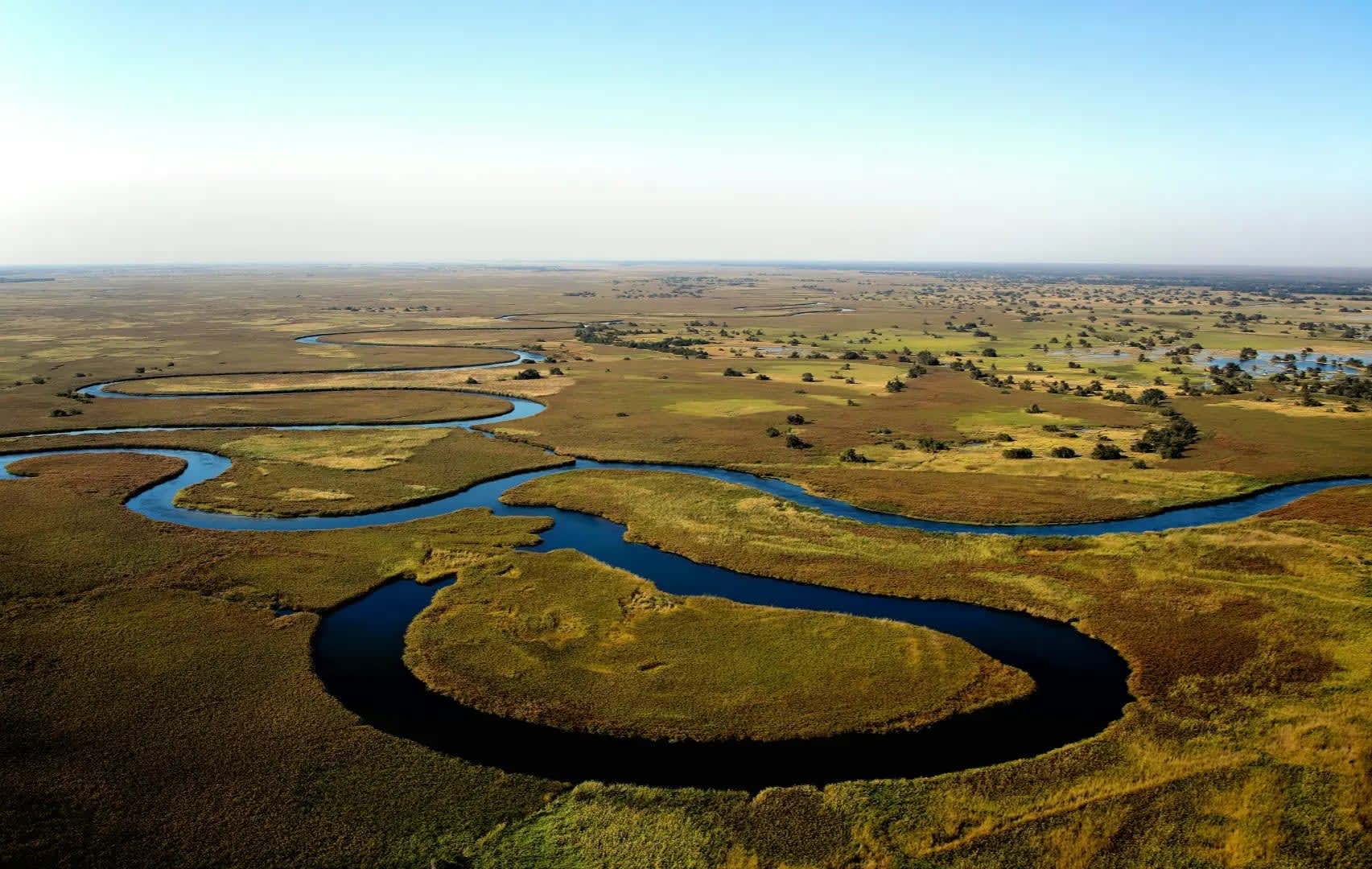
The Okavango Delta
The Okavango Delta, a UNESCO World Heritage Site, is one of Africa’s largest inland deltas, located in the arid expanse of northern Botswana. Formed by the seasonal flooding of the Okavango River, this extraordinary wetland transforms into a lush haven for wildlife during the flood season. The delta’s intricate waterways, lagoons, and islands create a diverse ecosystem that draws travelers, adventurers, and wildlife enthusiasts from around the globe. Known as the ‘Jewel of the Kalahari,’ the Okavango Delta offers a unique opportunity to witness one of nature’s most remarkable transformations and encounter some of Africa’s most iconic wildlife in an untouched, remote setting.
🌍 Geography and Natural Features
The Okavango Delta spans over 5,800 square miles at its peak flood, characterized by winding rivers, seasonal floodplains, and dense vegetation. Its annual flooding, caused by seasonal rains in the highlands of Angola, creates a fertile oasis that attracts an astonishing array of species.
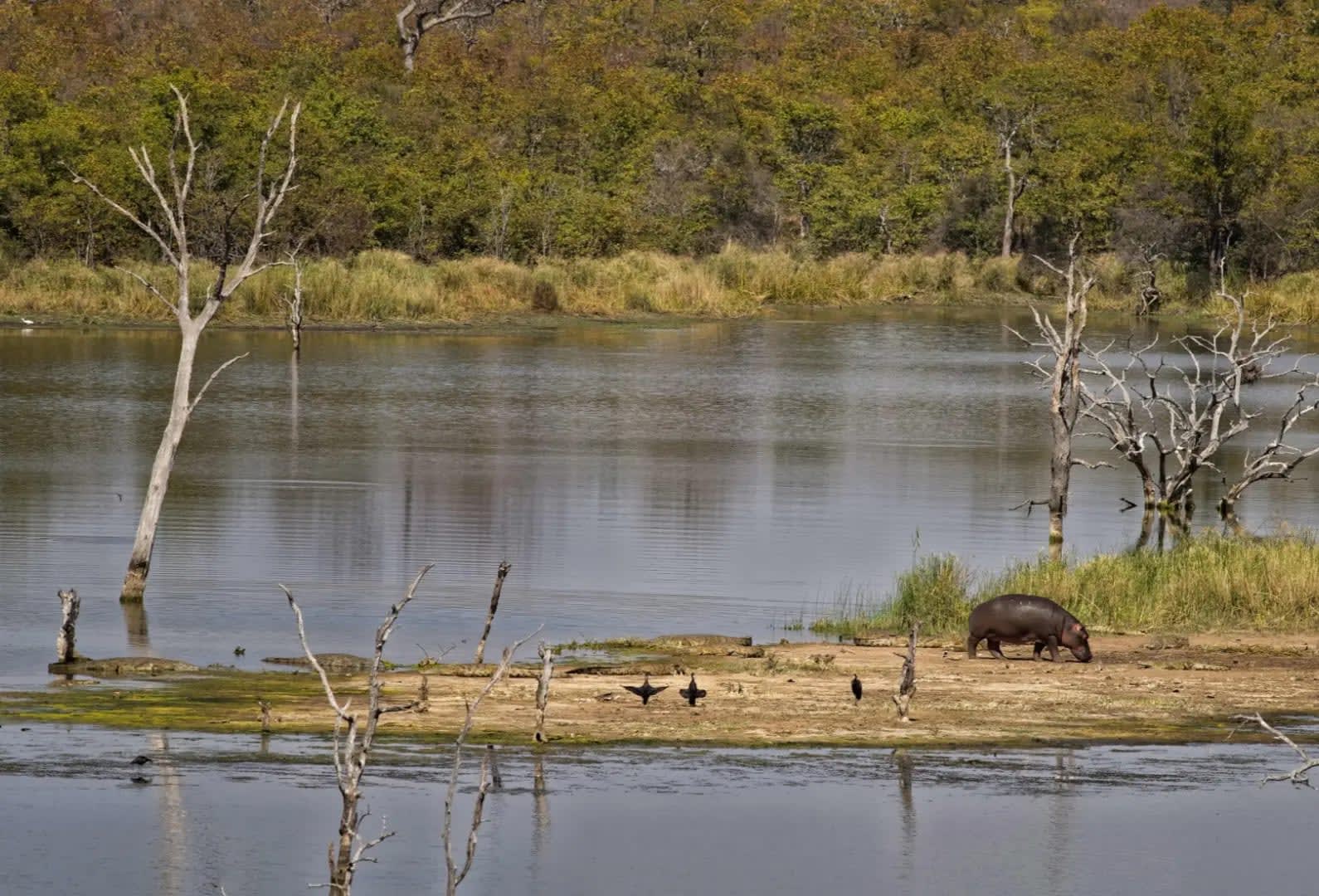
- Water Channels and Lagoons : The delta is composed of countless channels, lagoons, and backwaters, forming a maze of interconnected waterways. These water networks provide habitat for fish, amphibians, and aquatic birds, while hippos and crocodiles are frequently sighted.
- Islands and Floodplains : The delta is dotted with islands of varying sizes, created by termite mounds and dense vegetation. Some islands, like Chief’s Island, remain dry during floods, attracting large herbivores like elephants, buffalo, and antelope.
- Seasonal Flooding : Unlike most rivers, the Okavango doesn’t empty into a sea or ocean. Instead, its waters spread across the Kalahari Desert, creating a lush wetland that peaks between May and August. This seasonal flooding supports both migratory and resident species, making the delta a year-round wildlife destination.
- Flora Diversity : Papyrus reeds, water lilies, and acacia trees are common plants, providing shelter and food for various species. The delta’s vegetation is crucial for supporting its ecological balance and creating habitats for countless organisms.
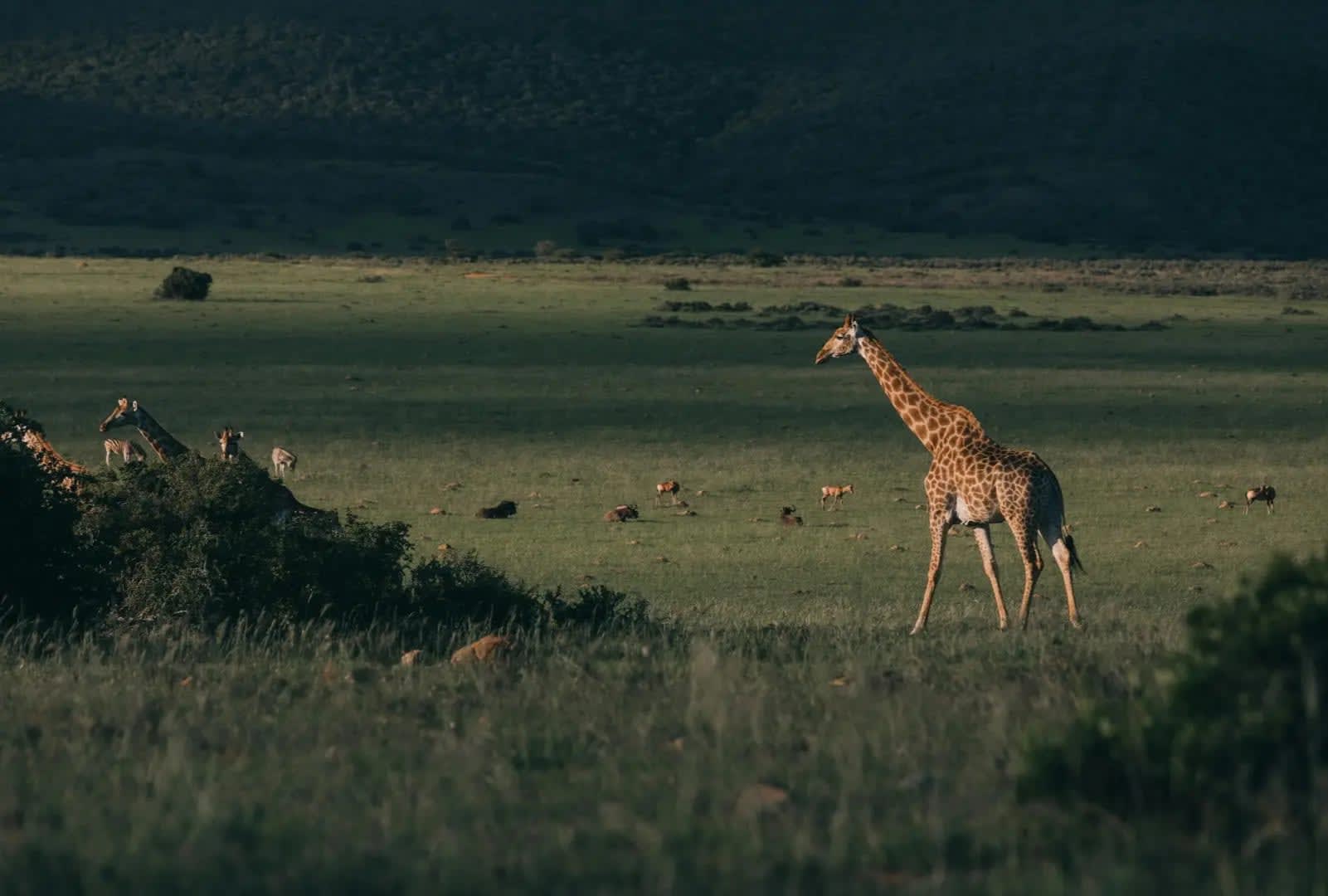
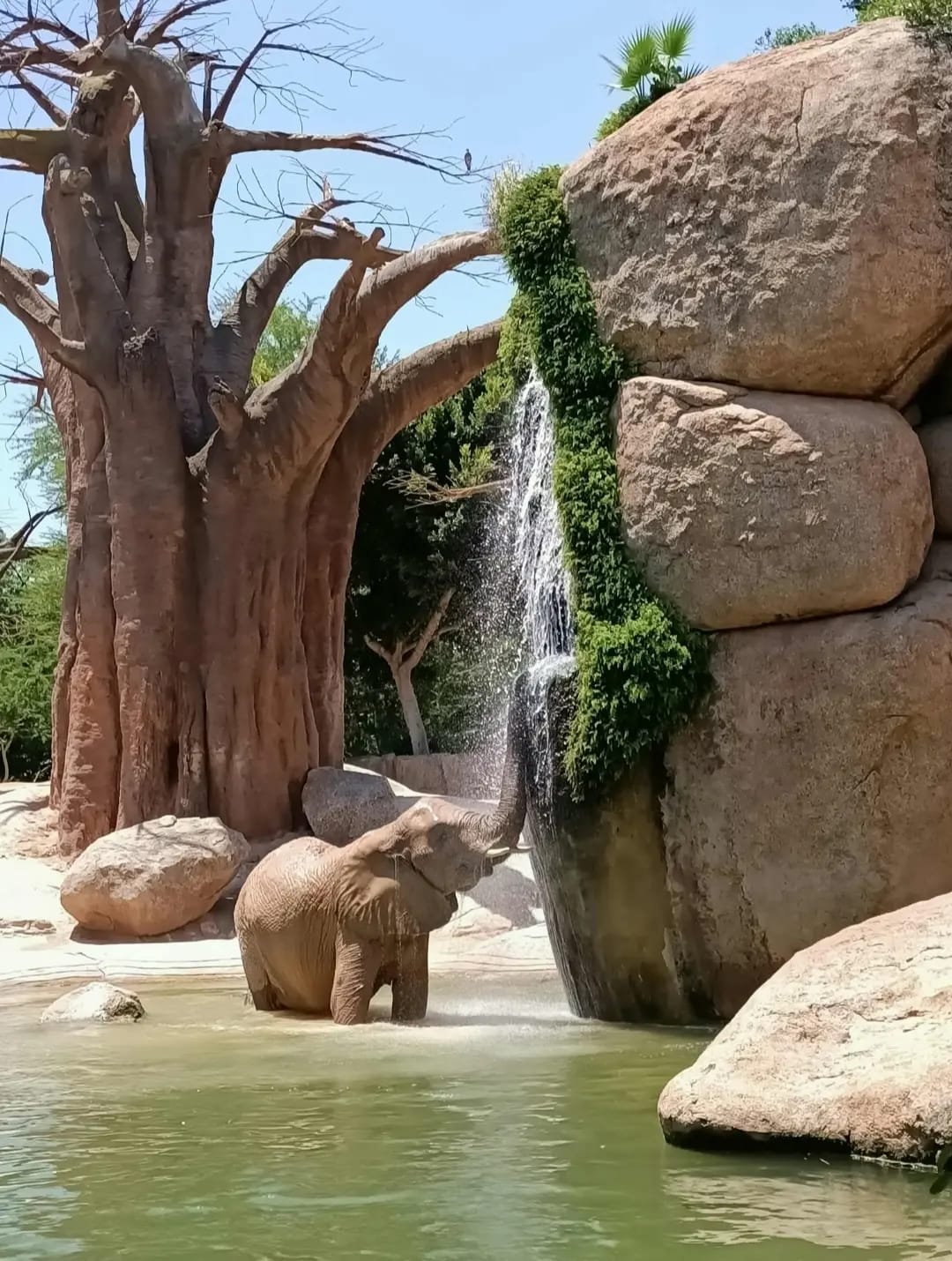
- Wildlife Abundance : The Okavango Delta is renowned for its rich biodiversity, with large populations of elephants, hippos, giraffes, and antelope. Predators like lions, leopards, cheetahs, and African wild dogs roam the area, making it a prime spot for big game sightings.
📜 History and Cultural Significance
The Okavango Delta holds great cultural and historical importance for the indigenous peoples of Botswana. The BaYei and Hambukushu communities have traditionally lived in harmony with the delta, relying on its resources for fishing, hunting, and gathering. Over centuries, these communities developed deep knowledge of the delta’s rhythms and wildlife patterns. In modern times, sustainable tourism has become an essential part of the delta’s economy, providing livelihoods for locals while helping protect this unique environment from the impacts of modernization.
Traditional Fishing Techniques : The BaYei people are known for their traditional fishing methods, using dugout canoes, or mokoros, to navigate the delta’s channels. This sustainable practice remains a central part of local culture.
Role of Ecotourism : Sustainable tourism initiatives have helped preserve the Okavango Delta, supporting conservation efforts and providing income for local communities. Many lodges and camps employ eco-friendly practices to minimize environmental impact.
UNESCO Recognition : In 2014, the Okavango Delta was designated as a UNESCO World Heritage Site in recognition of its ecological significance and cultural value. This status has bolstered conservation efforts and global awareness of the delta’s unique environment.
Traditional Fishing Techniques : The BaYei people are known for their traditional fishing methods, using dugout canoes, or mokoros, to navigate the delta’s channels. This sustainable practice remains a central part of local culture.
Role of Ecotourism : Sustainable tourism initiatives have helped preserve the Okavango Delta, supporting conservation efforts and providing income for local communities. Many lodges and camps employ eco-friendly practices to minimize environmental impact.
UNESCO Recognition : In 2014, the Okavango Delta was designated as a UNESCO World Heritage Site in recognition of its ecological significance and cultural value. This status has bolstered conservation efforts and global awareness of the delta’s unique environment.
🏃 Activities and Attractions
The Okavango Delta offers a wealth of activities for visitors seeking adventure and tranquility. From mokoro excursions to walking safaris, the delta’s attractions allow for an intimate experience with nature in one of Africa’s most pristine landscapes.
Mokoro Excursions : A mokoro (dugout canoe) ride is a quintessential Okavango experience. Gliding through the quiet channels, visitors can observe aquatic life, birds, and occasionally larger animals near the water’s edge.
Walking Safaris : Accompanied by knowledgeable guides, walking safaris offer a thrilling way to experience the delta’s flora and fauna on foot. These guided treks provide insight into animal behavior, plant uses, and tracking techniques.
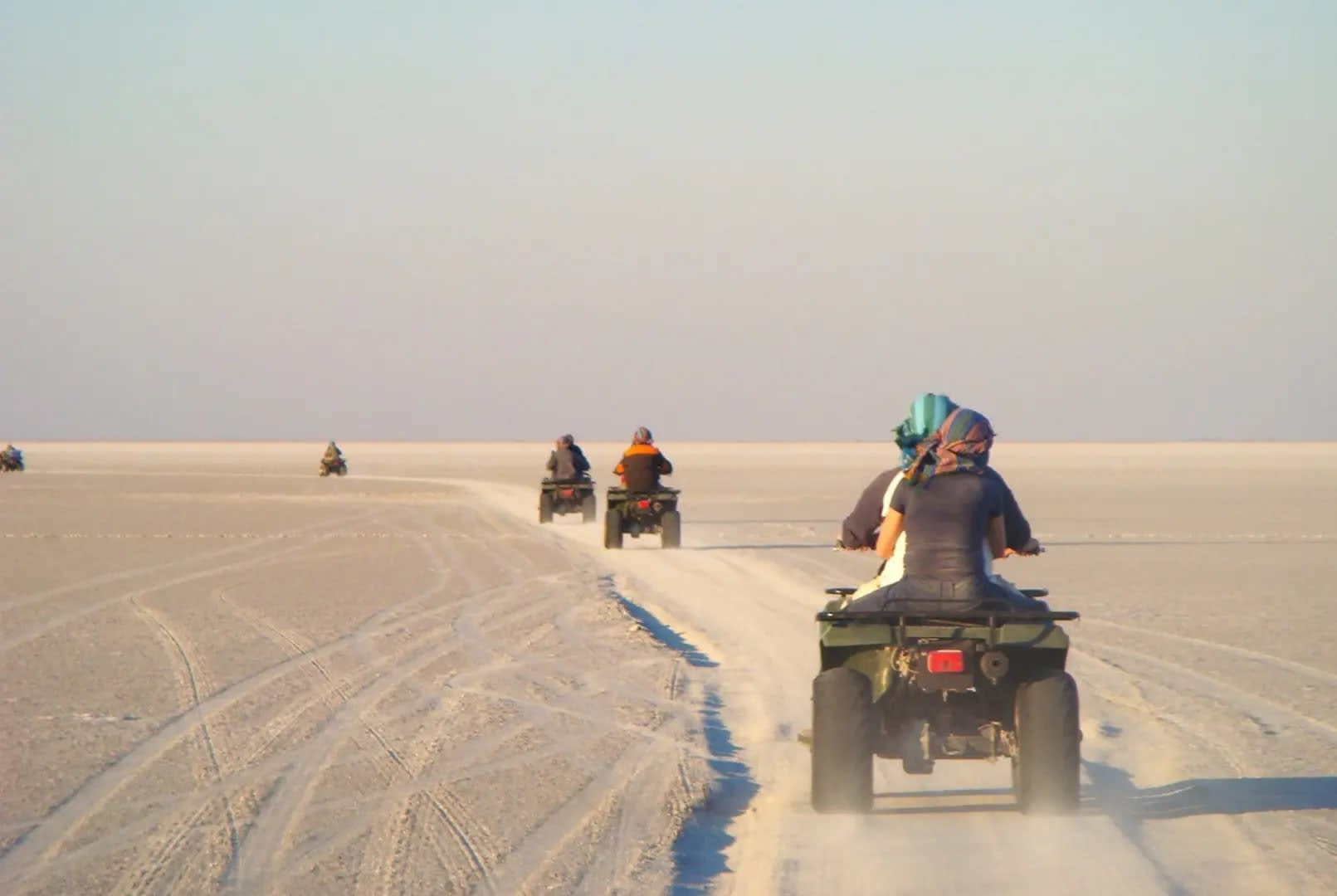
areas like Chief’s Island, where big game is abundant. Drives at dawn and dusk maximize chances of spotting predators and other elusive species.
Birdwatching : The delta is a paradise for birdwatchers, home to over 400 species, including African fish eagles, malachite kingfishers, and Pel’s fishing owl. The birdlife is especially vibrant during the flood season.
Helicopter Tours : Aerial tours provide a breathtaking perspective of the delta’s vast, intricate landscape. Helicopter rides allow for spectacular photo opportunities and the chance to appreciate the scale of this extraordinary ecosystem.
Mokoro Excursions : A mokoro (dugout canoe) ride is a quintessential Okavango experience. Gliding through the quiet channels, visitors can observe aquatic life, birds, and occasionally larger animals near the water’s edge.
Walking Safaris : Accompanied by knowledgeable guides, walking safaris offer a thrilling way to experience the delta’s flora and fauna on foot. These guided treks provide insight into animal behavior, plant uses, and tracking techniques.
areas like Chief’s Island, where big game is abundant. Drives at dawn and dusk maximize chances of spotting predators and other elusive species.
Birdwatching : The delta is a paradise for birdwatchers, home to over 400 species, including African fish eagles, malachite kingfishers, and Pel’s fishing owl. The birdlife is especially vibrant during the flood season.
Helicopter Tours : Aerial tours provide a breathtaking perspective of the delta’s vast, intricate landscape. Helicopter rides allow for spectacular photo opportunities and the chance to appreciate the scale of this extraordinary ecosystem.
💡 Travel Tips
How to Get There : The delta is accessible via Maun, the nearest town with an airport, with charter flights and 4x4 vehicles providing access to remote camps. Coordinates : 19.0277° S, 23.3952° E.
Best Time to Visit : The best time to visit is during the flood season from May to October, when wildlife viewing is at its peak. However, the delta offers unique experiences year-round, with the rainy season from November to April attracting migratory birds.
What to Bring : Lightweight, neutral-colored clothing, binoculars for wildlife viewing, and sun protection are essential. A good camera and insect repellent are also recommended, as well as a hat and water bottle.
Accommodation : The delta features a range of luxury camps and lodges, many of which are eco-friendly and offer all-inclusive packages. For a more budget-friendly experience, Maun has guesthouses and smaller lodges with guided day trips into the delta.
Best Time to Visit : The best time to visit is during the flood season from May to October, when wildlife viewing is at its peak. However, the delta offers unique experiences year-round, with the rainy season from November to April attracting migratory birds.
What to Bring : Lightweight, neutral-colored clothing, binoculars for wildlife viewing, and sun protection are essential. A good camera and insect repellent are also recommended, as well as a hat and water bottle.
Accommodation : The delta features a range of luxury camps and lodges, many of which are eco-friendly and offer all-inclusive packages. For a more budget-friendly experience, Maun has guesthouses and smaller lodges with guided day trips into the delta.
🌱 Conservation Efforts
The Okavango Delta is a protected area under Botswana’s conservation policies, with ecotourism and wildlife protection at its core. Conservation programs focus on preserving water quality, monitoring wildlife populations, and mitigating the impacts of climate change. Initiatives like the Okavango Kopano Mokoro Community Trust involve local communities in managing the delta’s resources. Visitors are encouraged to follow eco-friendly guidelines, minimize waste, and respect wildlife. These collective efforts help ensure the delta’s unique ecosystem remains intact for future generations.
Community Conservation Programs : Local communities are active participants in conservation, with organizations like the Okavango Kopano Mokoro Community Trust providing training and resources for sustainable land use and ecotourism.
Wildlife Monitoring : Regular monitoring of species like elephants and African wild dogs ensures that conservation strategies are responsive to population changes and environmental pressures.
Water Preservation : Maintaining water quality is essential for the delta’s ecosystem. Conservationists work to prevent pollution and manage water usage, as the delta’s survival relies on the seasonal flow from the Okavango River.
Community Conservation Programs : Local communities are active participants in conservation, with organizations like the Okavango Kopano Mokoro Community Trust providing training and resources for sustainable land use and ecotourism.
Wildlife Monitoring : Regular monitoring of species like elephants and African wild dogs ensures that conservation strategies are responsive to population changes and environmental pressures.
Water Preservation : Maintaining water quality is essential for the delta’s ecosystem. Conservationists work to prevent pollution and manage water usage, as the delta’s survival relies on the seasonal flow from the Okavango River.
✨ Conclusion
The Okavango Delta is a natural marvel, where seasonal flooding transforms an arid landscape into a vibrant oasis. Its rich biodiversity, scenic beauty, and cultural heritage make it a truly special destination. From gliding through water channels on a mokoro to spotting wildlife in their natural habitat, the Okavango offers unforgettable encounters with nature. Conservation and sustainable tourism are essential to preserving this unique environment, ensuring that future generations can experience the delta’s wonders and continue the legacy of Botswana’s commitment to protecting its natural heritage.