
Nxai Pan
Nxai Pan National Park, located in northeastern Botswana, is a breathtaking destination that combines stunning landscapes, abundant wildlife, and rich history. Part of the greater Makgadikgadi Salt Pans ecosystem, Nxai Pan offers a unique safari experience in a relatively untouched environment. Known for its vast grasslands, iconic baobab trees, and seasonal waterholes, the park is a haven for nature lovers and adventurers alike. Whether you’re marveling at the famous Baines’ Baobabs or witnessing zebras during their great migration, Nxai Pan is a destination that showcases the beauty of Botswana’s wilderness.
🌍 Geography and Natural Features
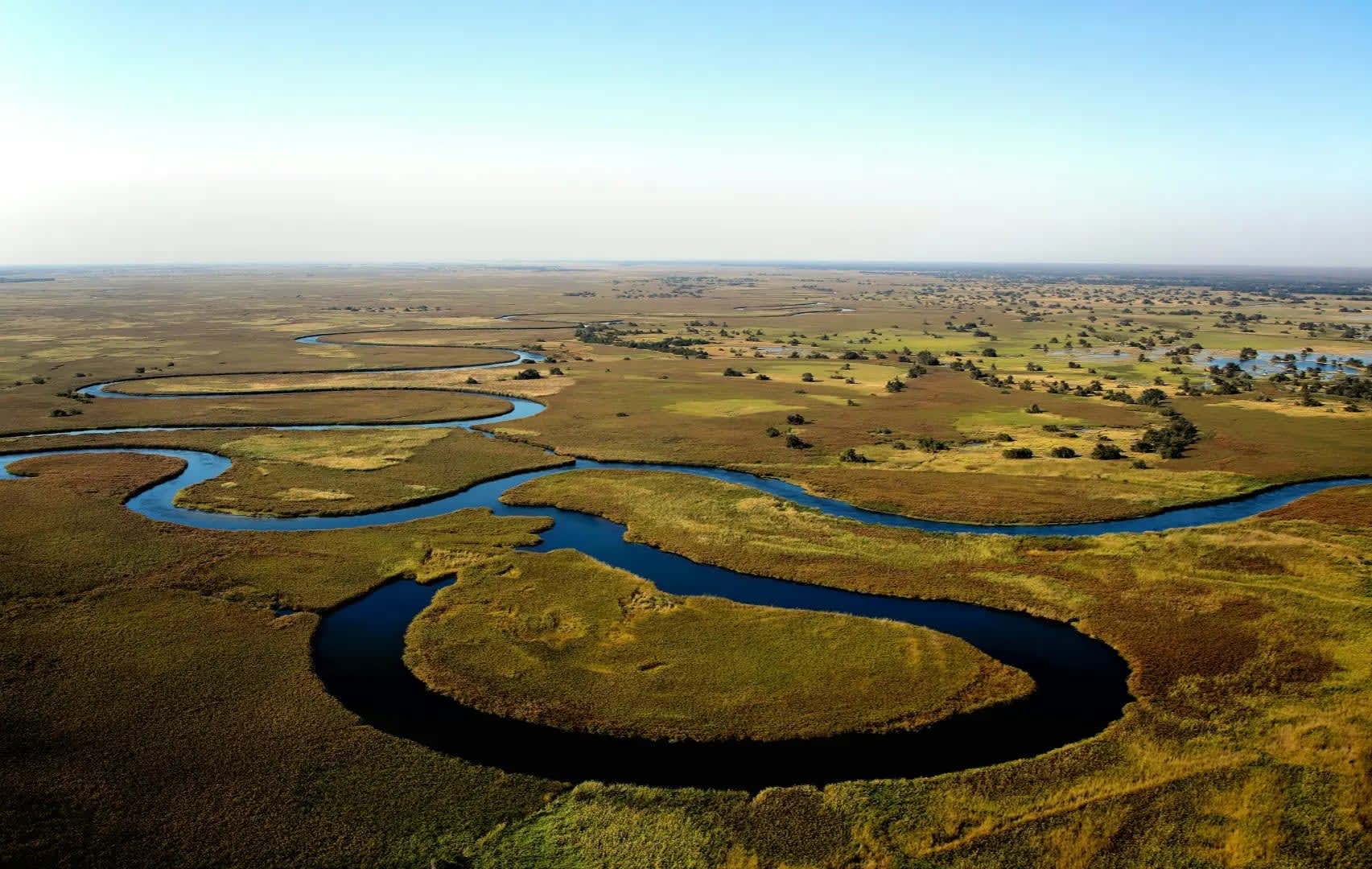
Nxai Pan National Park is part of the ancient Makgadikgadi Basin, a region shaped by the remnants of a prehistoric super lake. Its unique geography and diverse habitats make it a fascinating destination for both ecologists and travelers.
- Open Grasslands : The park is characterized by expansive grasslands that attract grazing herbivores and their predators.
- Salt Pans : The Nxai Pan itself is a fossil lakebed, now a flat, salty expanse that supports seasonal wildlife.
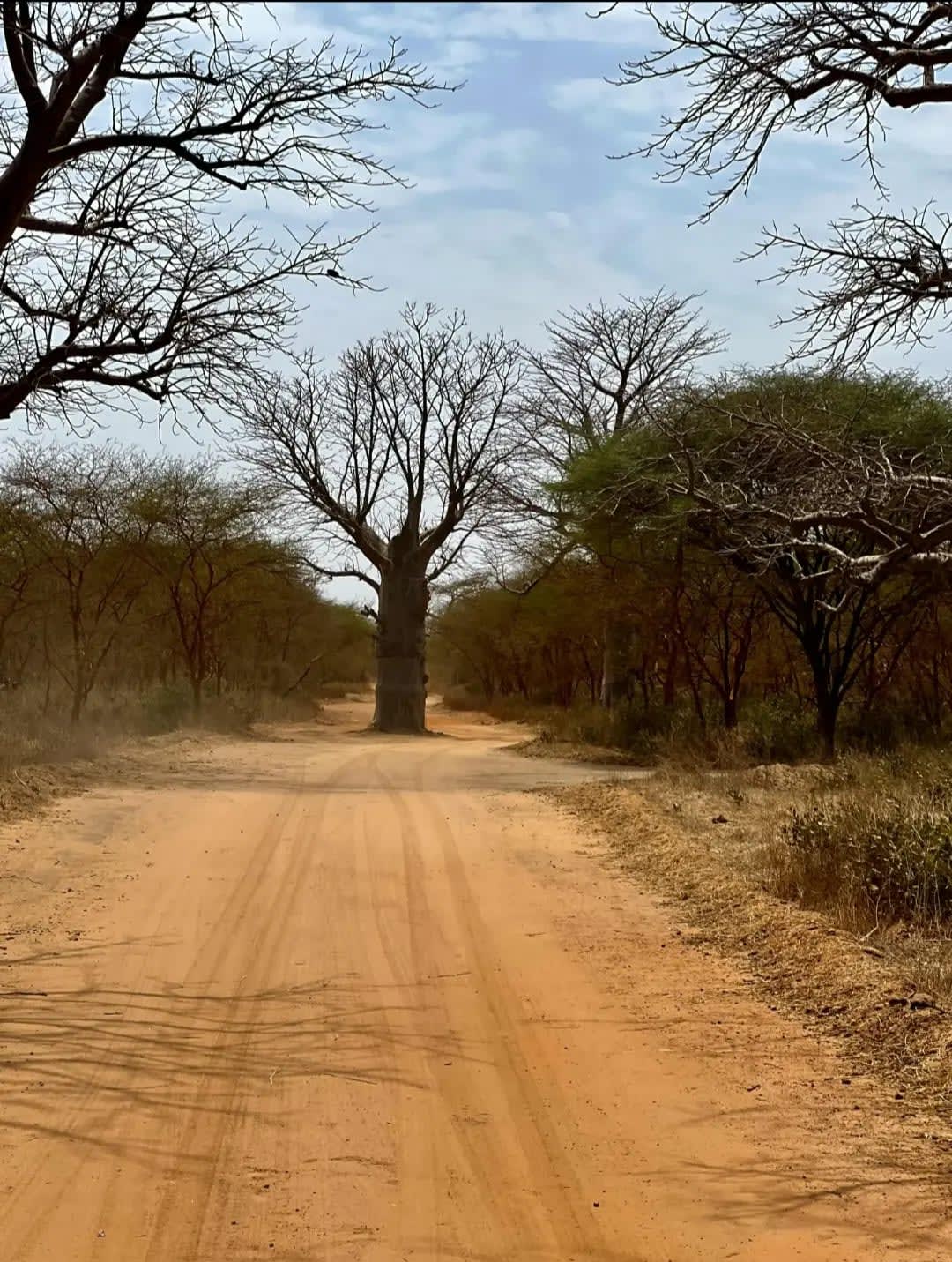
- Baines’ Baobabs : This iconic cluster of ancient baobab trees, named after explorer Thomas Baines, is one of the park’s most famous landmarks.
- Seasonal Waterholes : Waterholes provide essential hydration for animals and are excellent spots for wildlife viewing.
- Unique Flora : Grasslands dominate the landscape, interspersed with shrubs and hardy trees adapted to the semi-arid climate.
📜 History and Cultural Significance
Nxai Pan National Park holds historical and cultural significance as part of Botswana’s rich heritage. The park and its surroundings have been inhabited by humans for thousands of years, with the San people being among the earliest inhabitants.
Artifacts such as stone tools and remnants of ancient campsites reveal the area’s long history of human settlement. The San people, renowned for their deep knowledge of the land and its ecosystems, have passed down stories and traditions that enrich our understanding of this unique region.
In the 19th century, explorer Thomas Baines documented the famous baobab trees that now bear his name. Today, these trees are a testament to the region’s natural and cultural history, drawing visitors from around the world.
Artifacts such as stone tools and remnants of ancient campsites reveal the area’s long history of human settlement. The San people, renowned for their deep knowledge of the land and its ecosystems, have passed down stories and traditions that enrich our understanding of this unique region.
In the 19th century, explorer Thomas Baines documented the famous baobab trees that now bear his name. Today, these trees are a testament to the region’s natural and cultural history, drawing visitors from around the world.
🏃 Activities and Attractions
Nxai Pan National Park offers an array of activities and attractions that allow visitors to experience its natural beauty and wildlife up close.
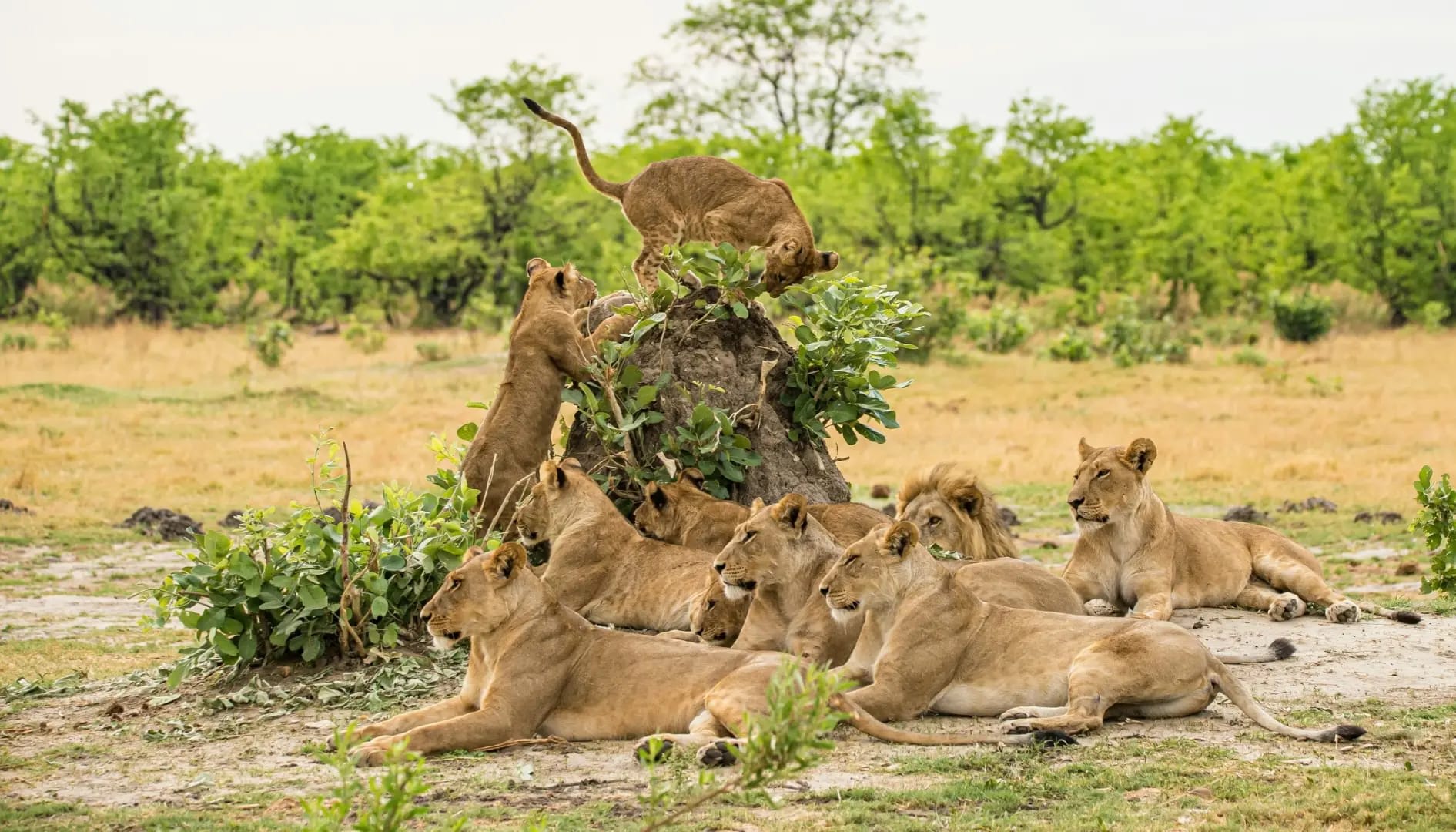
- Game Drives : Explore the park’s grasslands and waterholes to spot elephants, lions, cheetahs, and zebras.
- Baines’ Baobabs : Visit this iconic landmark for stunning photography opportunities and a sense of history.
- Birdwatching : The park is home to a variety of bird species, including kori bustards and migratory flamingos during the wet season.
- Night Safaris : Experience the park after dark to observe nocturnal animals like aardvarks and porcupines.
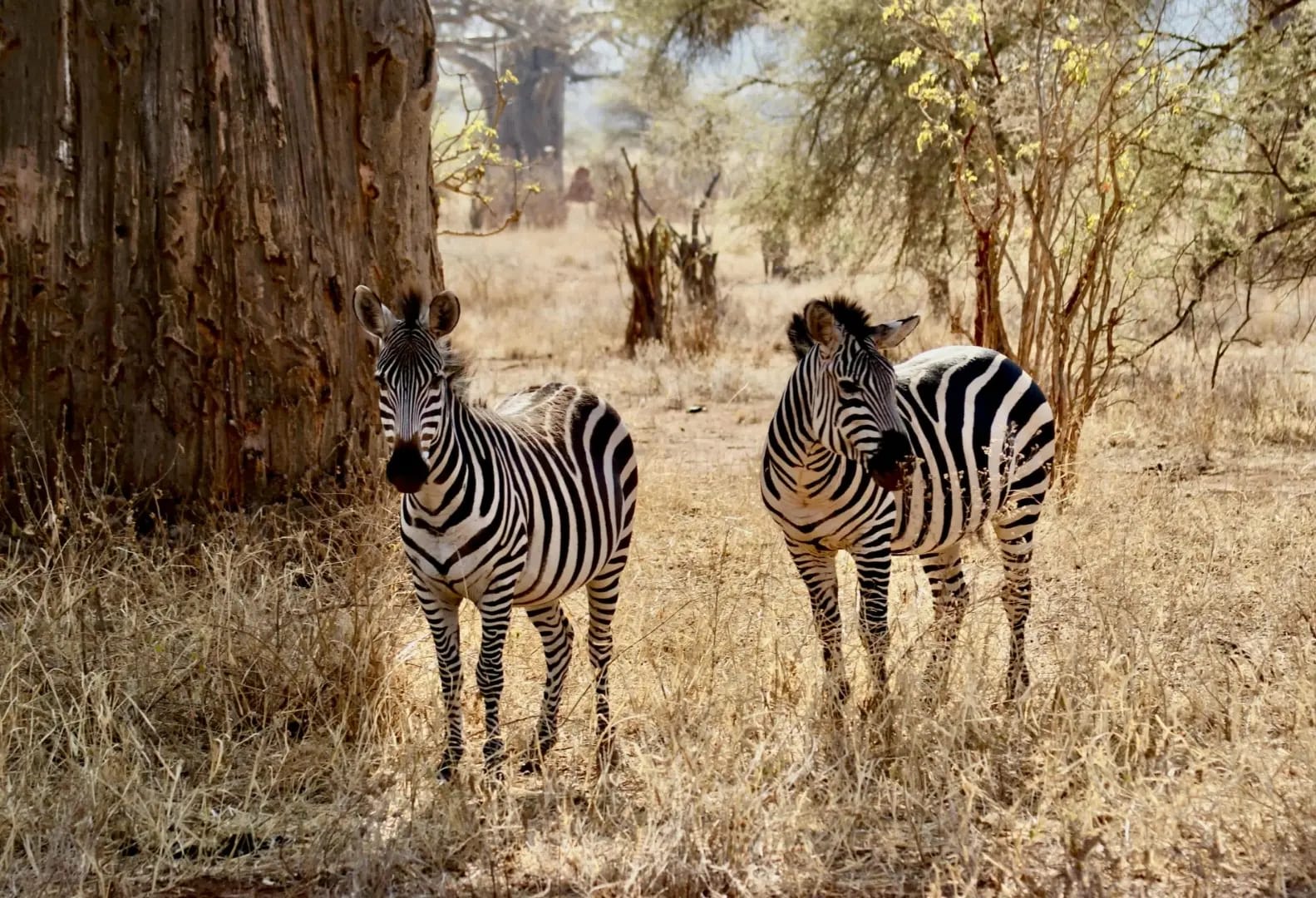
- Zebra Migration : Witness one of Africa’s largest wildlife migrations as thousands of zebras traverse the park during the rainy season.
💡 Travel Tips
To ensure a safe and enjoyable visit to Nxai Pan National Park, keep these tips in mind :
Seasonal Planning : Visit during the wet season (November to March) for lush scenery and the zebra migration, or in the dry season (April to October) for easier wildlife spotting.
Pack Essentials : Bring sunscreen, hats, binoculars, and insect repellent to enhance your safari experience.
Choose a Guided Tour : Local guides can provide insights into the park’s ecology, history, and wildlife behavior.
Respect Wildlife : Maintain a safe distance from animals and avoid loud noises or sudden movements.
Prepare for Remote Conditions : The park is relatively remote, so carry enough water, food, and fuel if you’re traveling independently.
Seasonal Planning : Visit during the wet season (November to March) for lush scenery and the zebra migration, or in the dry season (April to October) for easier wildlife spotting.
Pack Essentials : Bring sunscreen, hats, binoculars, and insect repellent to enhance your safari experience.
Choose a Guided Tour : Local guides can provide insights into the park’s ecology, history, and wildlife behavior.
Respect Wildlife : Maintain a safe distance from animals and avoid loud noises or sudden movements.
Prepare for Remote Conditions : The park is relatively remote, so carry enough water, food, and fuel if you’re traveling independently.
🌱 Conservation Efforts
Conservation is at the heart of Nxai Pan National Park. The park is part of Botswana’s broader efforts to protect its natural heritage and support sustainable tourism. Initiatives include anti-poaching patrols, wildlife monitoring, and habitat restoration.
The park also plays a vital role in preserving the zebra migration, one of Africa’s most important ecological events. Collaborative efforts between conservation organizations and local communities ensure that the park’s biodiversity remains intact.
By choosing eco-friendly tours and lodges, visitors can contribute to the park’s conservation while enjoying its natural beauty responsibly.
The park also plays a vital role in preserving the zebra migration, one of Africa’s most important ecological events. Collaborative efforts between conservation organizations and local communities ensure that the park’s biodiversity remains intact.
By choosing eco-friendly tours and lodges, visitors can contribute to the park’s conservation while enjoying its natural beauty responsibly.
✨ Conclusion
Nxai Pan National Park is a destination that combines natural beauty, abundant wildlife, and cultural history into a single unforgettable experience. From the iconic Baines’ Baobabs to the thrilling zebra migration, the park offers something for every traveler.
By visiting Nxai Pan, you’re not just exploring one of Botswana’s hidden gems—you’re also supporting efforts to protect its unique ecosystems and heritage. Whether you’re embarking on a game drive, marveling at the landscapes, or learning about its history, Nxai Pan National Park promises memories that will last a lifetime.
By visiting Nxai Pan, you’re not just exploring one of Botswana’s hidden gems—you’re also supporting efforts to protect its unique ecosystems and heritage. Whether you’re embarking on a game drive, marveling at the landscapes, or learning about its history, Nxai Pan National Park promises memories that will last a lifetime.