
Kalahari Desert
The Kalahari Desert, one of Africa’s most iconic landscapes, spans across Botswana, Namibia, and South Africa. Known for its arid beauty and diverse wildlife, this semi-arid desert captivates visitors with its red dunes, ancient rivers, and star-studded night skies. Despite its dry conditions, the Kalahari supports life in remarkable ways, from resilient plant species to unique animals and human cultures. Its name, derived from the Tswana word ‘Kgala’ meaning ‘the great thirst,’ reflects the profound interplay of survival and adaptation in this extraordinary ecosystem.
🌍 Geography and Natural Features
The Kalahari Desert is a sprawling expanse covering over 900,000 square kilometers. It’s not a traditional desert with endless sand dunes but a semi-arid savanna defined by sandy soil, sparse vegetation, and remarkable geographic features.
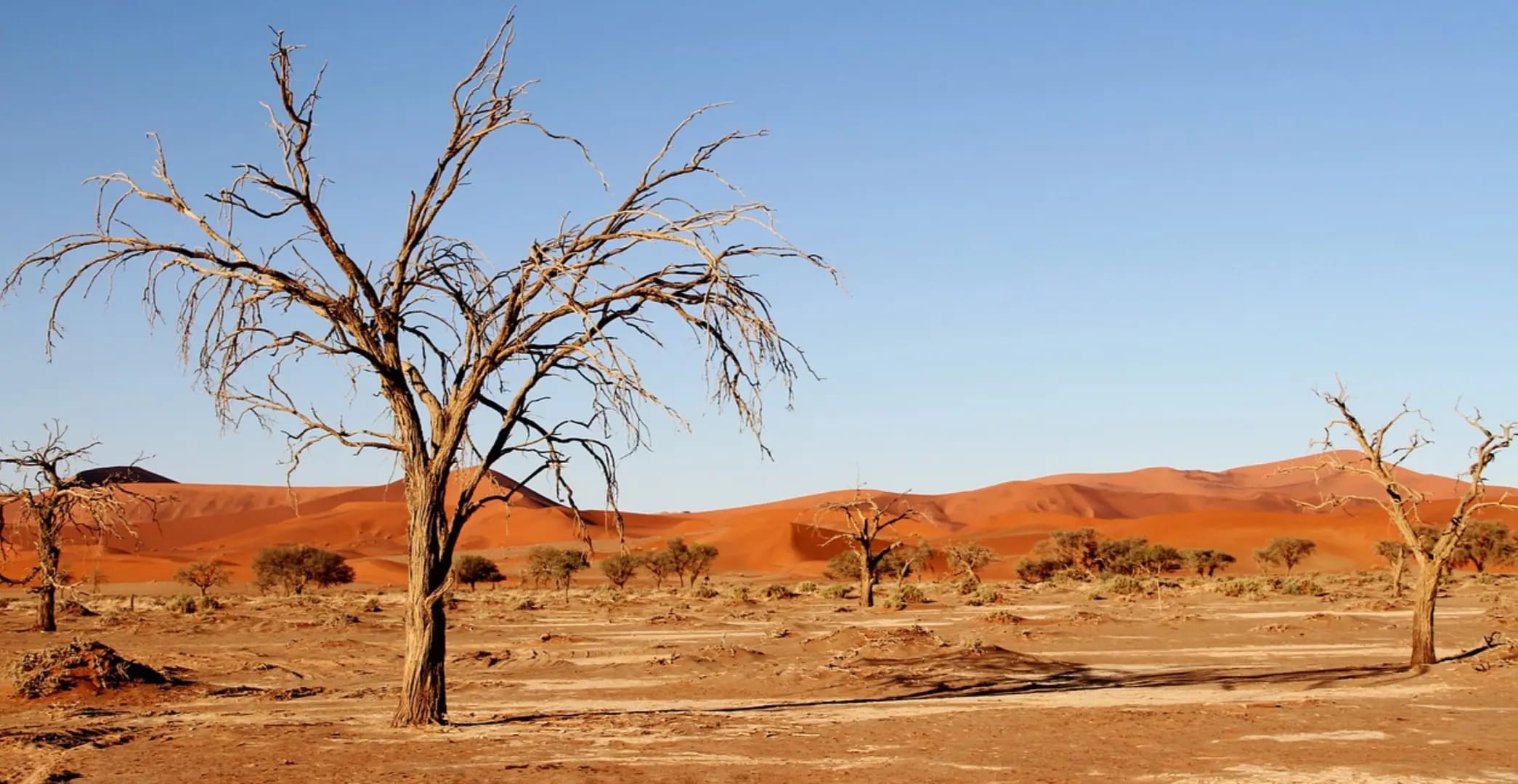
- Expansive Sand Dunes : The striking red dunes of the Kalahari are among its most recognizable features, especially in the southern and central regions.
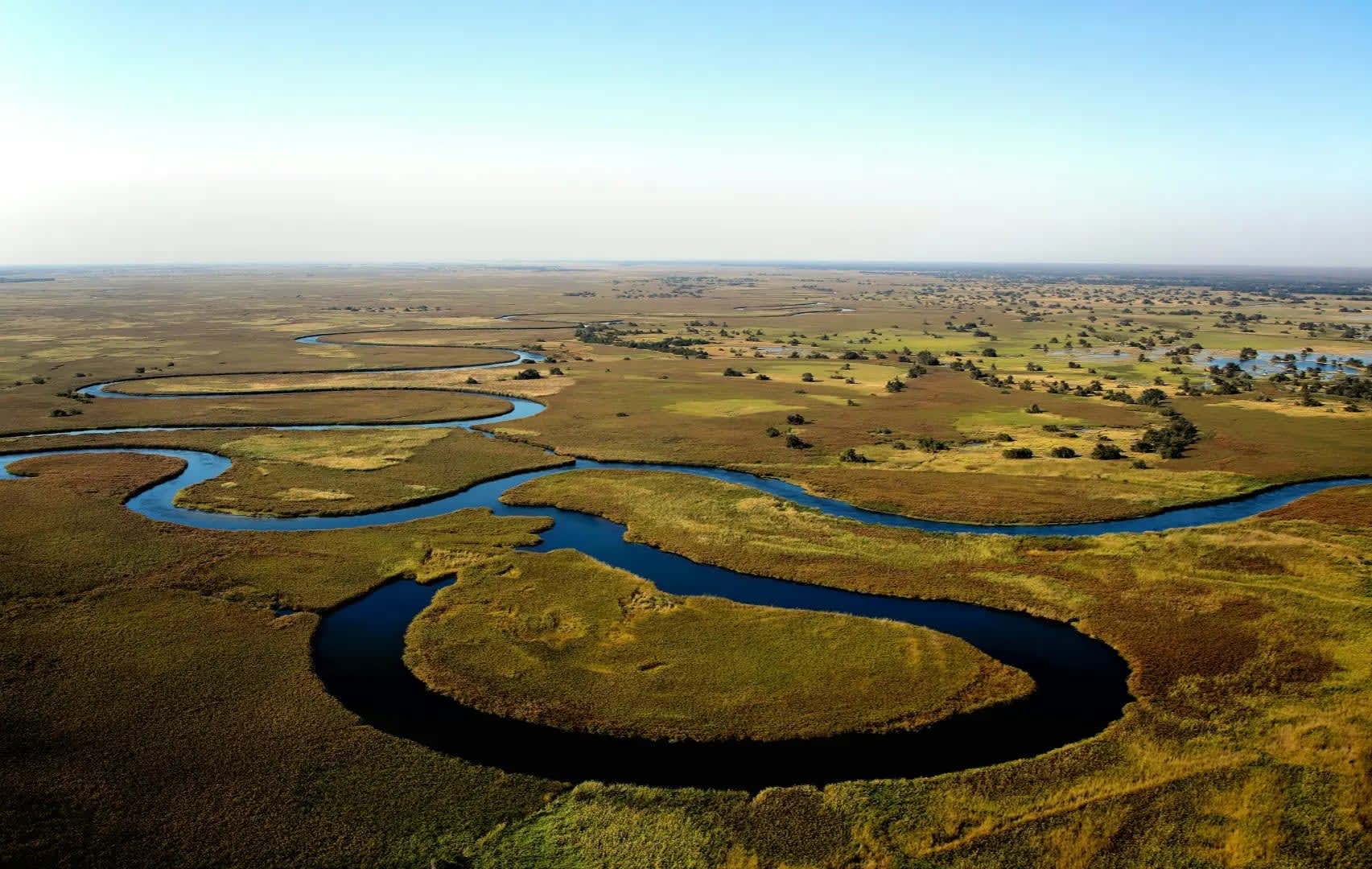
- Fossil Rivers : The Okavango River and other ancient waterways trace their paths across the desert, providing pockets of life-sustaining water.
- Salt Pans : The Makgadikgadi Salt Pans, located within the Kalahari, are remnants of a vast prehistoric lake.
- Unique Flora : Adaptive plants such as acacias, camel thorns, and grasses thrive in the arid climate.
- Climate Variability : The Kalahari experiences extreme temperatures, from scorching days to freezing nights, and a brief rainy season that transforms the landscape.
📜 History and Cultural Significance
The Kalahari Desert has been home to humans for tens of thousands of years, with the indigenous San people, also known as the Bushmen, being its most notable inhabitants. Their unique way of life reflects an intimate understanding of the harsh desert environment.
Archaeological evidence, such as stone tools and ancient rock art, reveals the Kalahari’s rich human history. The San people’s storytelling traditions and spiritual beliefs are deeply tied to the desert’s landscapes, animals, and celestial patterns. Their harmonious coexistence with the environment serves as a powerful testament to human resilience and adaptability.
In more recent history, explorers and conservationists have recognized the Kalahari as a vital ecological and cultural treasure, leading to efforts to protect its unique heritage.
Archaeological evidence, such as stone tools and ancient rock art, reveals the Kalahari’s rich human history. The San people’s storytelling traditions and spiritual beliefs are deeply tied to the desert’s landscapes, animals, and celestial patterns. Their harmonious coexistence with the environment serves as a powerful testament to human resilience and adaptability.
In more recent history, explorers and conservationists have recognized the Kalahari as a vital ecological and cultural treasure, leading to efforts to protect its unique heritage.
🏃 Activities and Attractions
Visitors to the Kalahari Desert are treated to a variety of unique experiences that highlight its natural beauty and cultural richness.
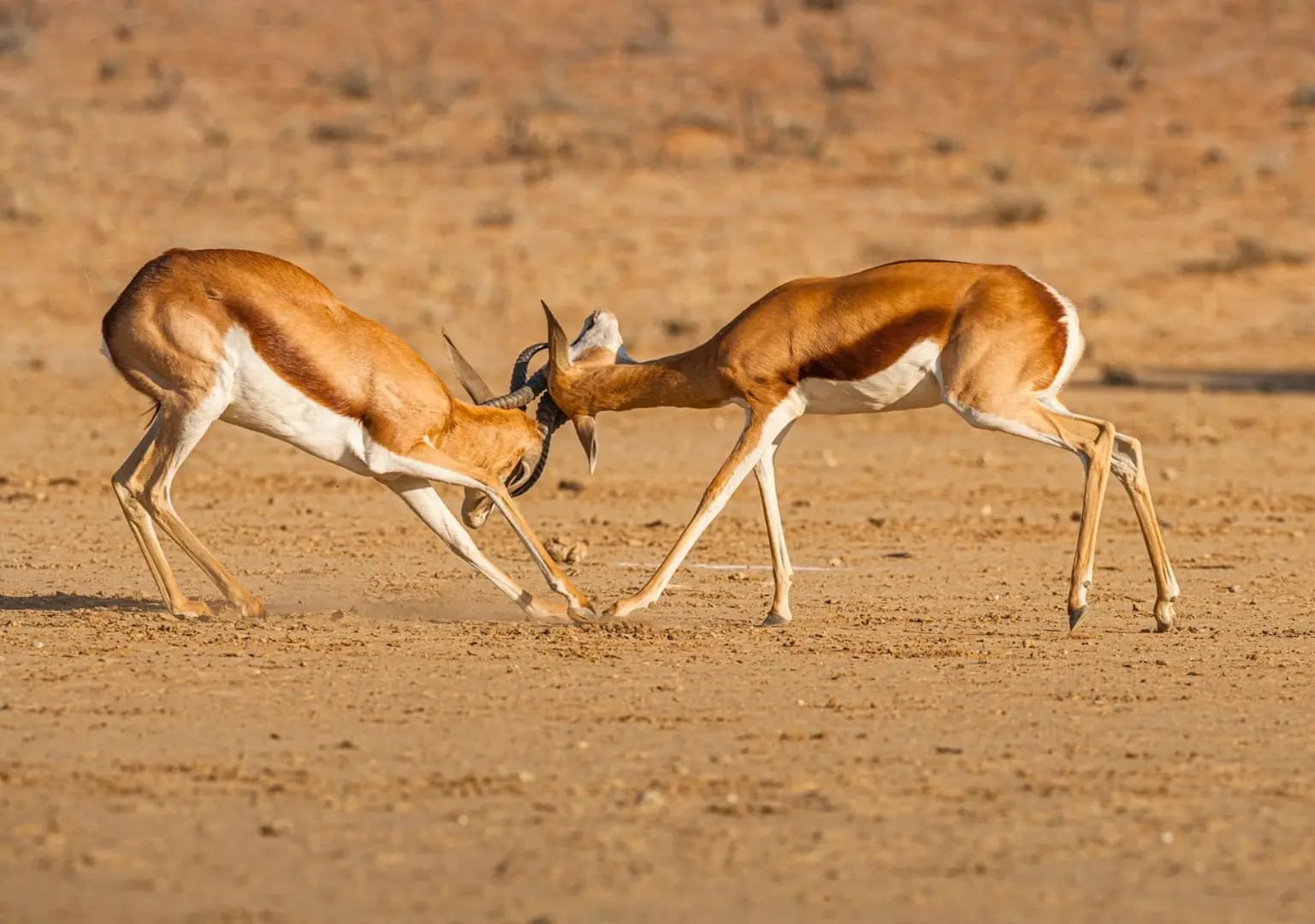
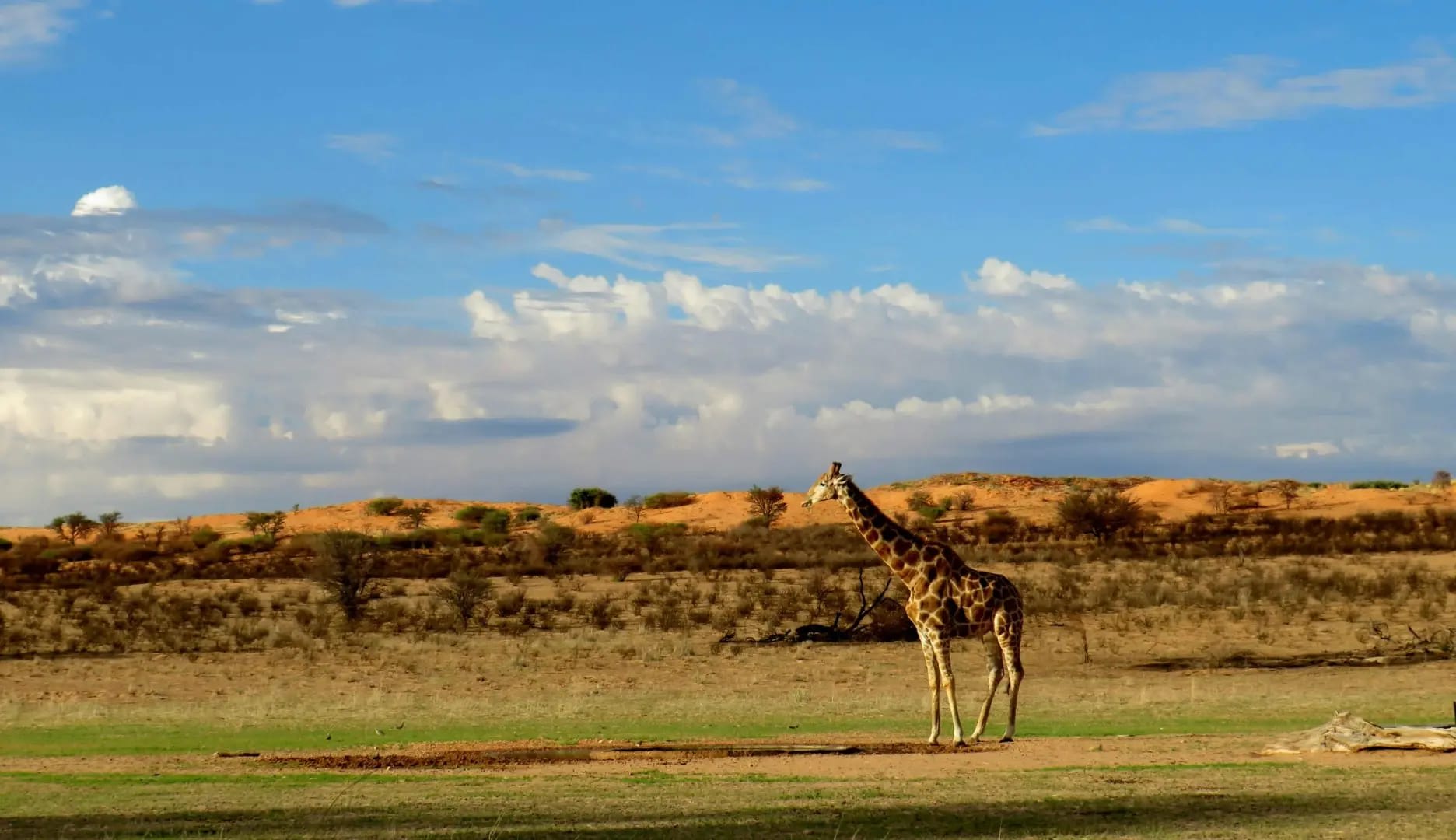
- Game Drives : Explore the Central Kalahari Game Reserve to spot wildlife like lions, cheetahs, and springboks.
- Stargazing : The desert’s remote location offers unparalleled views of the night sky, with countless stars and clear constellations.
- Cultural Experiences : Spend time with the San people to learn about their traditional knowledge, survival skills, and folklore.
- Walking Safaris : Discover the desert on foot, guided by experts who reveal its hidden wonders and adaptations.
- Birdwatching : Spot species like ostriches and secretary birds, especially near water sources during the rainy season.
💡 Travel Tips
To enjoy a safe and rewarding visit to the Kalahari Desert, consider these practical tips :
Plan Around Seasons : Visit between May and September for cooler weather or in the wet season (November to March) to witness the transformation of the landscape.
Dress Accordingly : Wear light clothing for daytime heat, but pack warm layers for the cold nights.
Hydrate and Protect : Stay hydrated, use sunscreen, and bring a hat and sunglasses to guard against the sun.
Hire Guides : Local guides can enhance your experience with insights into the desert’s ecology and culture.
Respect Wildlife : Observe animals from a safe distance and avoid disturbing their natural behavior.
Plan Around Seasons : Visit between May and September for cooler weather or in the wet season (November to March) to witness the transformation of the landscape.
Dress Accordingly : Wear light clothing for daytime heat, but pack warm layers for the cold nights.
Hydrate and Protect : Stay hydrated, use sunscreen, and bring a hat and sunglasses to guard against the sun.
Hire Guides : Local guides can enhance your experience with insights into the desert’s ecology and culture.
Respect Wildlife : Observe animals from a safe distance and avoid disturbing their natural behavior.
🌱 Conservation Efforts
Conservation efforts in the Kalahari Desert focus on protecting its delicate ecosystems and the cultural heritage of its indigenous communities. The Central Kalahari Game Reserve, one of the largest protected areas in the world, serves as a refuge for wildlife and a space for sustainable tourism.
Organizations work to combat threats like poaching, climate change, and habitat loss. Community-driven initiatives empower local populations, especially the San people, to participate in conservation while preserving their traditional way of life. Visitors can support these efforts by choosing eco-friendly accommodations and tours, ensuring the Kalahari’s wonders endure for generations to come.
Organizations work to combat threats like poaching, climate change, and habitat loss. Community-driven initiatives empower local populations, especially the San people, to participate in conservation while preserving their traditional way of life. Visitors can support these efforts by choosing eco-friendly accommodations and tours, ensuring the Kalahari’s wonders endure for generations to come.
✨ Conclusion
The Kalahari Desert is more than just a vast expanse of sand ; it is a living, breathing ecosystem filled with extraordinary beauty, resilience, and history. From its unique wildlife and ancient cultures to its awe-inspiring landscapes, the Kalahari offers a profound connection to nature and humanity’s roots.
By visiting this incredible region, you’re not only embarking on an unforgettable adventure but also supporting the preservation of one of the world’s most precious environments. Whether it’s watching the sun set over the dunes or listening to the stories of the San people, the Kalahari Desert promises a transformative journey unlike any other.
By visiting this incredible region, you’re not only embarking on an unforgettable adventure but also supporting the preservation of one of the world’s most precious environments. Whether it’s watching the sun set over the dunes or listening to the stories of the San people, the Kalahari Desert promises a transformative journey unlike any other.