


Kakadu
Kakadu National Park, located in Australia's Northern Territory, is a vast expanse of natural wonder encompassing diverse ecosystems, Aboriginal rock art sites, and stunning landscapes. Covering almost 20,000 square kilometers, Kakadu is a UNESCO World Heritage site that showcases the rich biodiversity and cultural heritage of the region.
🌍 Geography and Ecosystem
Geographic and Natural Features:
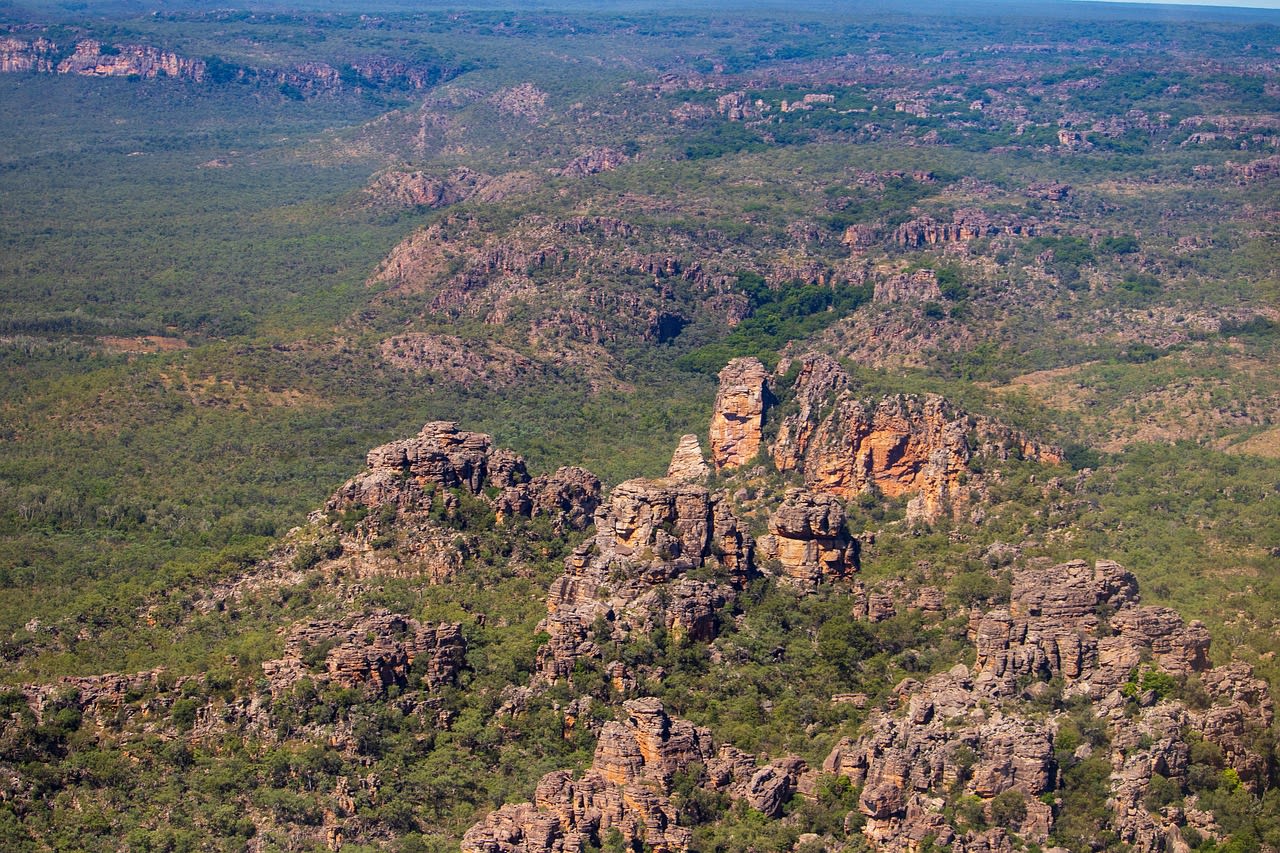
- - Kakadu National Park is known for its diverse geography, including ancient rock formations, wetlands, floodplains, and monsoon forests. The park is home to a wide variety of wildlife, such as saltwater crocodiles, kangaroos, and over 280 bird species. Five key points about Kakadu's natural features are:
- - The park's renowned wetlands, like the Yellow Water Billabong, provide a habitat for a significant population of migratory birds.
- - Kakadu's rugged escarpment includes dramatic waterfalls such as Jim Jim Falls and Twin Falls, which cascade down imposing cliffs during the wet season.
- - The sandstone plateau in the southern part of the park features ancient Aboriginal rock art sites, some of which are over 20,000 years old.
- - The Alligator Rivers run through Kakadu, supporting a diverse range of aquatic life and providing vital water sources for both animals and plants.
- - Kakadu's landscape changes dramatically during the wet and dry seasons, showcasing the adaptability of its flora and fauna to the extreme climate fluctuations.
📜 History and Cultural Significance
Kakadu National Park holds profound cultural significance for the Aboriginal people who have inhabited the region for thousands of years. The park's rock art sites represent some of the oldest and most extensive collections of Aboriginal art in the world, depicting stories of creation, hunting, and daily life. These sites provide invaluable insights into the traditional practices and spiritual connections of the Indigenous people of the area.
🏃 Activities and Attractions
- - Visitors to Kakadu National Park can immerse themselves in a range of activities that showcase the park's natural beauty and cultural heritage. Popular activities include:
- - Cruising on the Yellow Water Billabong to spot wildlife such as crocodiles, eagles, and buffalo.
- - Exploring the ancient rock art sites at Ubirr and Nourlangie, guided by knowledgeable Indigenous rangers.
- - Hiking along the escarpment to witness breathtaking views of the surrounding landscape from vantage points like Gunlom Falls and Maguk Gorge.
- - Joining cultural tours to learn about the traditions, Dreamtime stories, and survival skills of the local Aboriginal tribes.
- - Camping under the starlit skies at designated campgrounds to fully experience the tranquility and beauty of the Australian outback.
💡 Travel Tips
When visiting Kakadu National Park, it is essential to be well-prepared for the unique challenges of the remote wilderness. Some travel tips to consider include:
Bring plenty of water, sunscreen, and insect repellent, as temperatures can be extreme, especially during the dry season.
Check road conditions and seasonal closures before setting out on any journeys within the park, as some areas may be inaccessible during the wet season.
Respect the cultural heritage of the land by following designated walking tracks and not disturbing rock art sites or sacred areas.
- Engage with local Indigenous guides and rangers to gain a deeper understanding of the landscape and its significance to the traditional owners.
Book accommodation and tours in advance, especially during peak tourist seasons, to ensure availability and avoid disappointment.
Bring plenty of water, sunscreen, and insect repellent, as temperatures can be extreme, especially during the dry season.
Check road conditions and seasonal closures before setting out on any journeys within the park, as some areas may be inaccessible during the wet season.
Respect the cultural heritage of the land by following designated walking tracks and not disturbing rock art sites or sacred areas.
- Engage with local Indigenous guides and rangers to gain a deeper understanding of the landscape and its significance to the traditional owners.
Book accommodation and tours in advance, especially during peak tourist seasons, to ensure availability and avoid disappointment.
🌱 Conservation
Kakadu National Park is dedicated to preserving its unique ecosystems and cultural heritage for future generations. Conservation efforts within the park focus on mitigating the impact of invasive species, managing fire regimes, and promoting sustainable tourism practices. The park works closely with traditional landowners to incorporate Indigenous knowledge and practices into its conservation strategies, ensuring a holistic approach to protecting Kakadu's natural and cultural values.
✨ Conclusion
In conclusion, Kakadu National Park stands as a testament to the ancient connection between nature and humanity, where the landscape tells stories of resilience, adaptation, and harmony. From the vibrant wetlands to the timeless rock art sites, Kakadu invites visitors to embark on a journey of discovery and appreciation for the beauty and significance of this extraordinary wilderness.