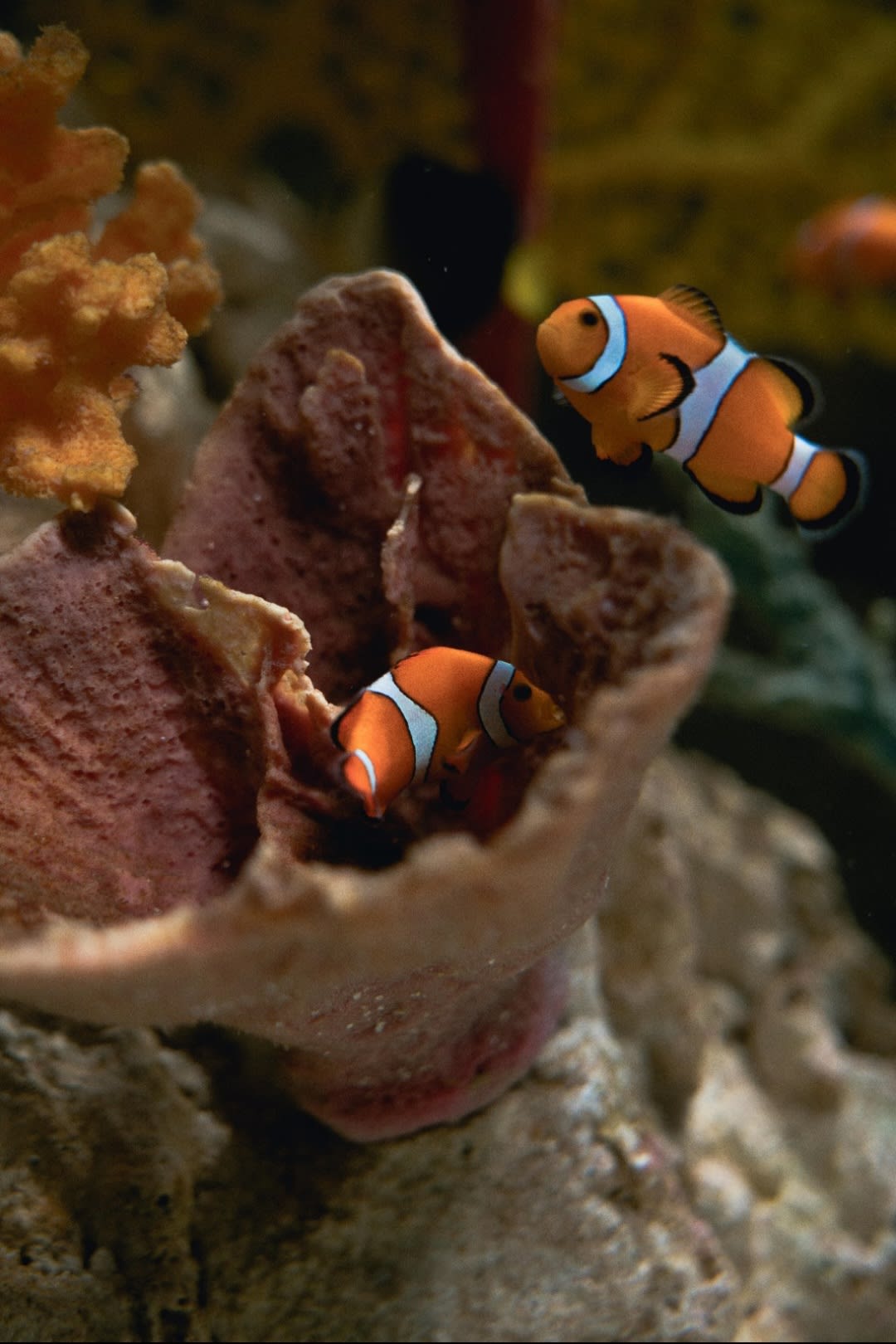
Great Barrier Reef
The Great Barrier Reef is a dazzling underwater treasure trove that captures the imagination with its immense scale and astonishing biodiversity. Stretching across the northeastern coast of Australia, this iconic marine wonder offers an unparalleled glimpse into the beauty and complexity of ocean life. Whether you're seeking adventure, tranquility, or deeper scientific insight into one of the planet's richest marine ecosystems, this natural marvel never fails to amaze.
🌍 <strong>Geography and Ecosystem</strong>
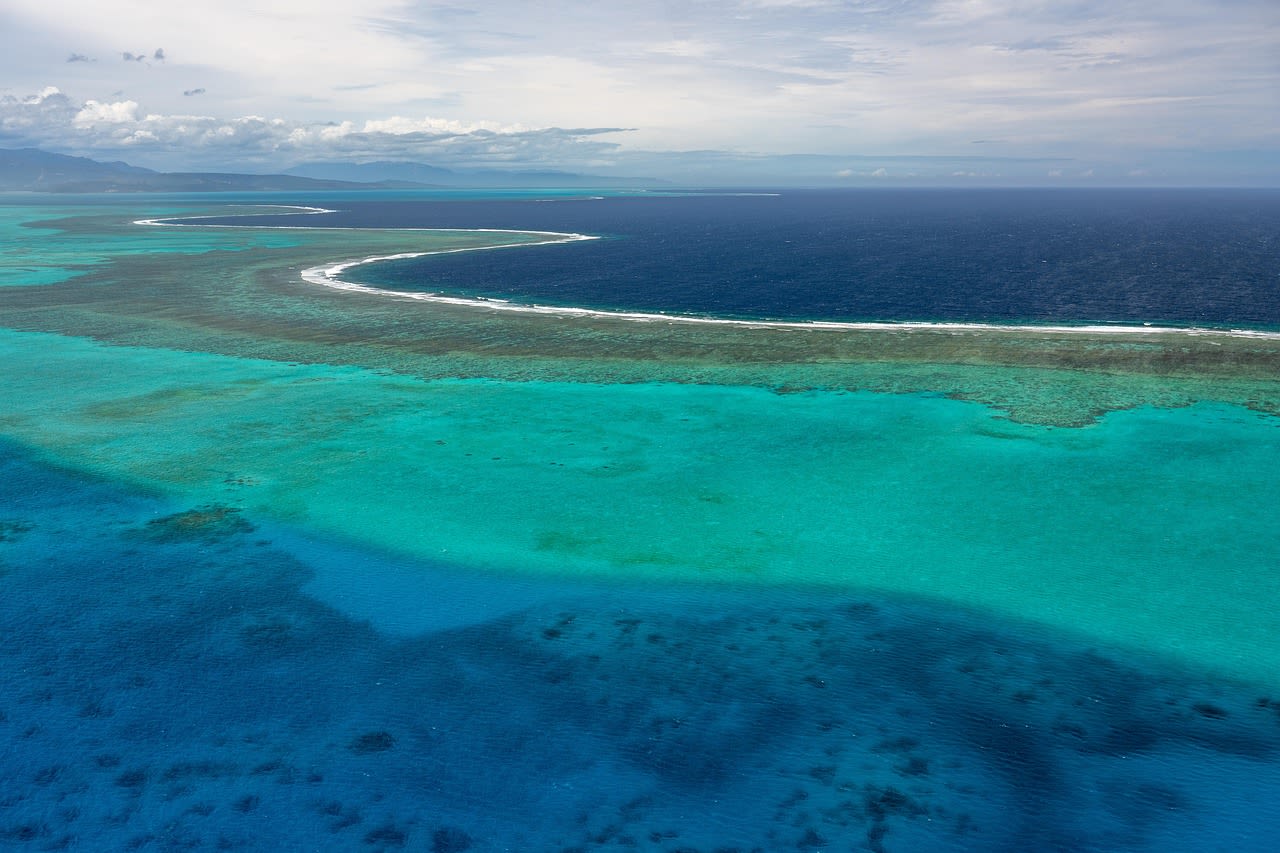
Located in the Coral Sea, off Queensland’s coast, the Great Barrier Reef spans over 2,300 kilometers and is so vast it can be seen from space. It is composed of thousands of individual reefs, coral cays, and hundreds of islands that together form a living mosaic of marine habitats.
- - The largest coral reef system in the world, covering an area of approximately 344,400 square kilometers.
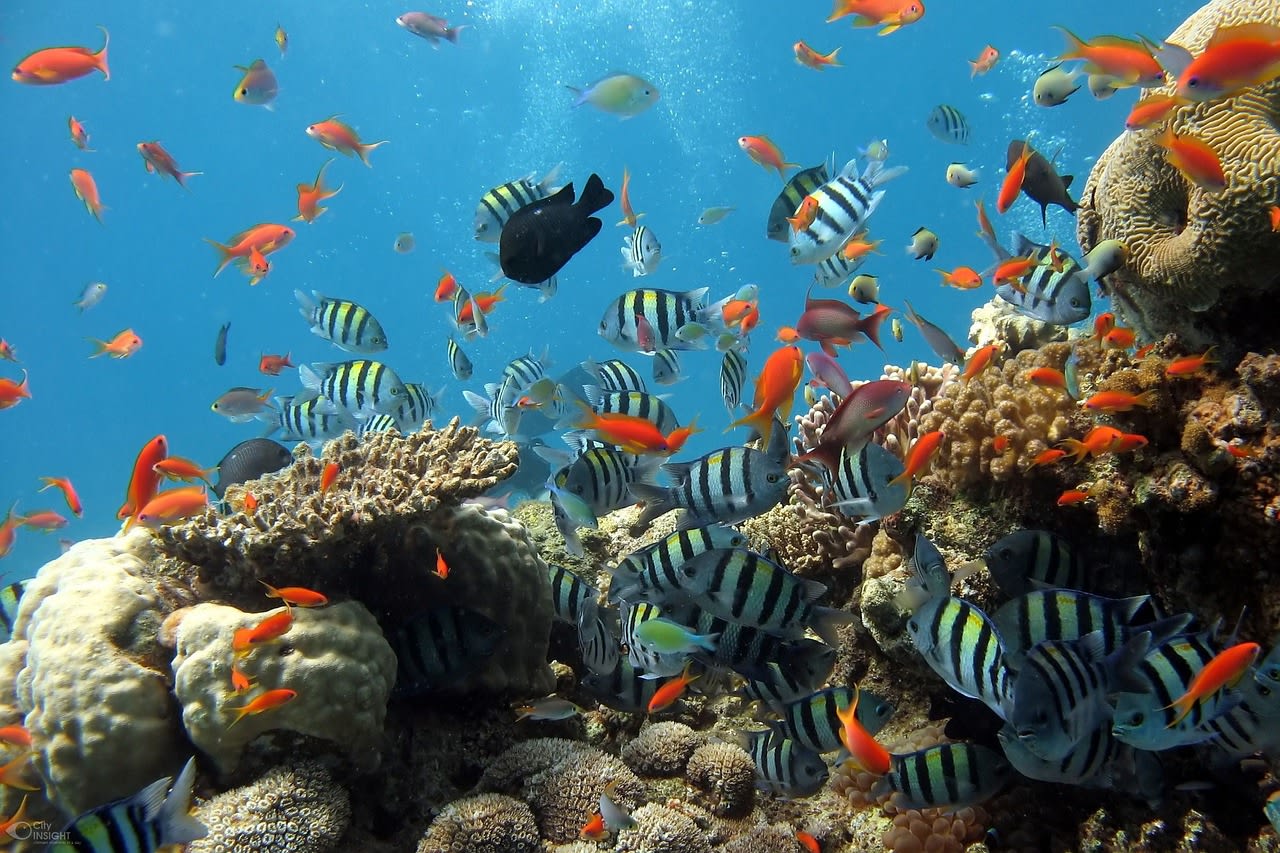
- - Home to over 1,500 species of fish, 400 types of coral, and countless marine creatures such as sea turtles, rays, dolphins, giant clams, and reef sharks.
- - Supports a wide variety of ecosystems including mangroves, seagrass meadows, lagoons, and deep ocean trenches, making it one of the most biologically complex environments on Earth.
📜 <strong>History and Cultural Significance</strong>
For more than 60,000 years, Indigenous Australian peoples — particularly the Aboriginal and Torres Strait Islander communities — have maintained a profound spiritual, cultural, and economic relationship with the Great Barrier Reef. The reef features prominently in their Dreamtime stories, traditions, and stewardship practices. In modern history, it gained international recognition when it was declared a UNESCO World Heritage Site in 1981, becoming a powerful global symbol of marine conservation and climate awareness.
🏃 <strong>Activities and Attractions</strong>
There is no shortage of unforgettable experiences awaiting visitors to the Great Barrier Reef, whether above or below the water’s surface.
- - Snorkeling through crystal-clear waters and vibrant coral gardens teeming with tropical fish.
- - Scuba diving at world-renowned locations such as the Cod Hole, Osprey Reef, and the Ribbon Reefs.
- - Sailing and island hopping among pristine tropical islands like the Whitsundays.
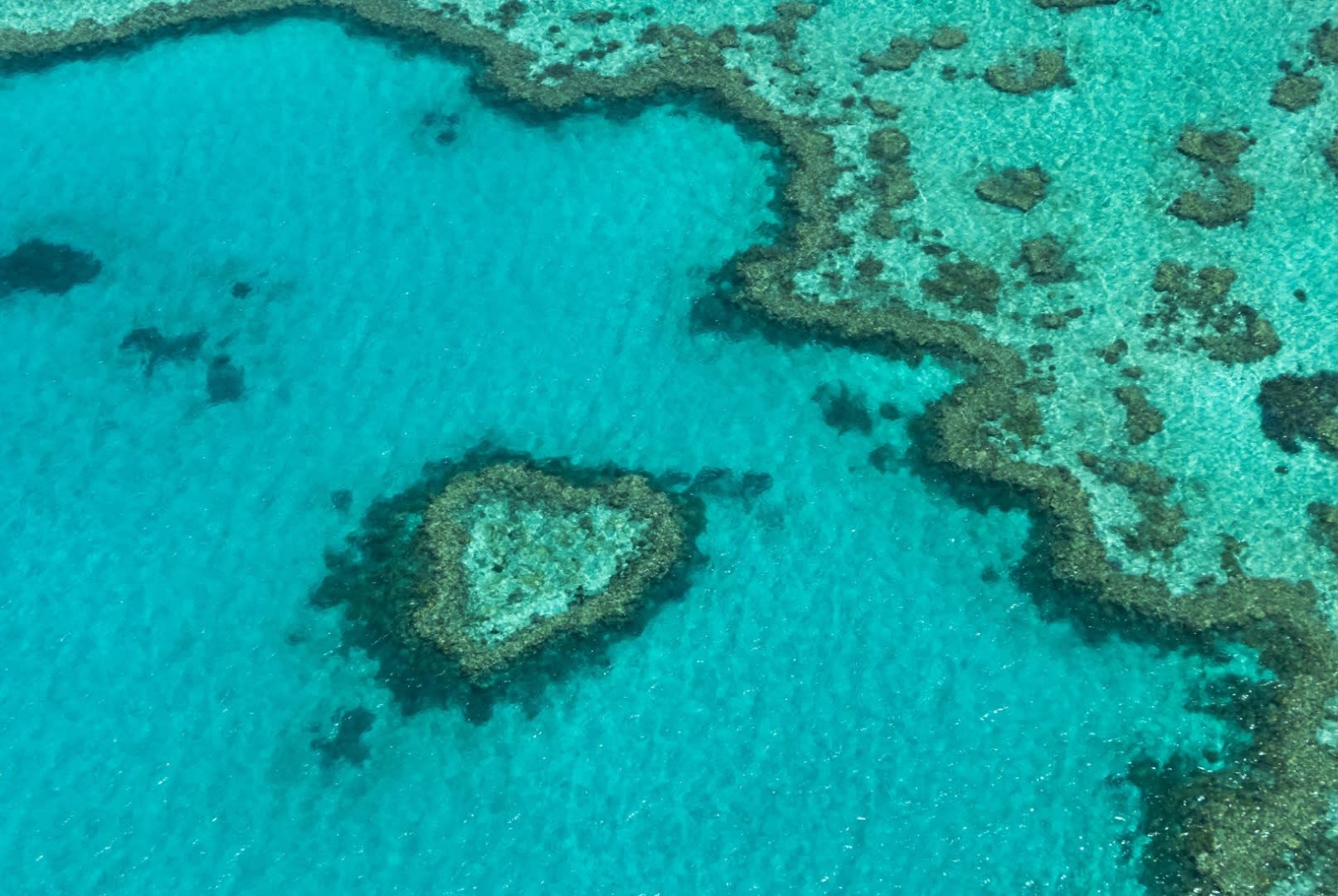
- - Helicopter and seaplane tours offering breathtaking aerial views of reef formations and Heart Reef.
- - Glass-bottom boat tours and semi-submersibles for a dry yet immersive marine experience.
💡 <strong>Travel Tips</strong>
To make the most of your journey, plan carefully. The best months to visit are from June to October, when temperatures are mild, waters are calm, and visibility is excellent. Always use reef-safe sunscreen, avoid touching corals or marine animals, and follow local guidelines. Choosing eco-certified tour operators helps ensure your visit contributes positively to reef protection.
🌱 <strong>Conservation and Environmental Challenges</strong>
Despite its beauty, the Great Barrier Reef faces serious threats from climate change, coral bleaching, water pollution, and overfishing. Rising sea temperatures have caused repeated bleaching events, placing immense stress on coral ecosystems. Organizations such as the Great Barrier Reef Marine Park Authority, scientists, and global conservation groups work tirelessly to protect and restore the reef through research, regulation, and public education. Visitors play a crucial role by practicing sustainable tourism and supporting conservation initiatives.
✨ <strong>Conclusion</strong>
Whether you're a first-time visitor or a returning explorer, the Great Barrier Reef offers a rare opportunity to connect with one of the most magnificent living systems on Earth. From its vibrant coral landscapes to unforgettable marine encounters and deep cultural roots, this natural wonder is more than a destination — it is a reminder of the beauty and fragility of our planet.