
Ross Ice Shelf
Ross Ice Shelf, located in Antarctica, is the largest floating ice shelf on Earth, covering an area of approximately 487,000 square kilometers. It is a massive glacier extending from the continent out into the Ross Sea, serving as a critical part of the Antarctic ecosystem.
🌍 Geography and Ecosystem
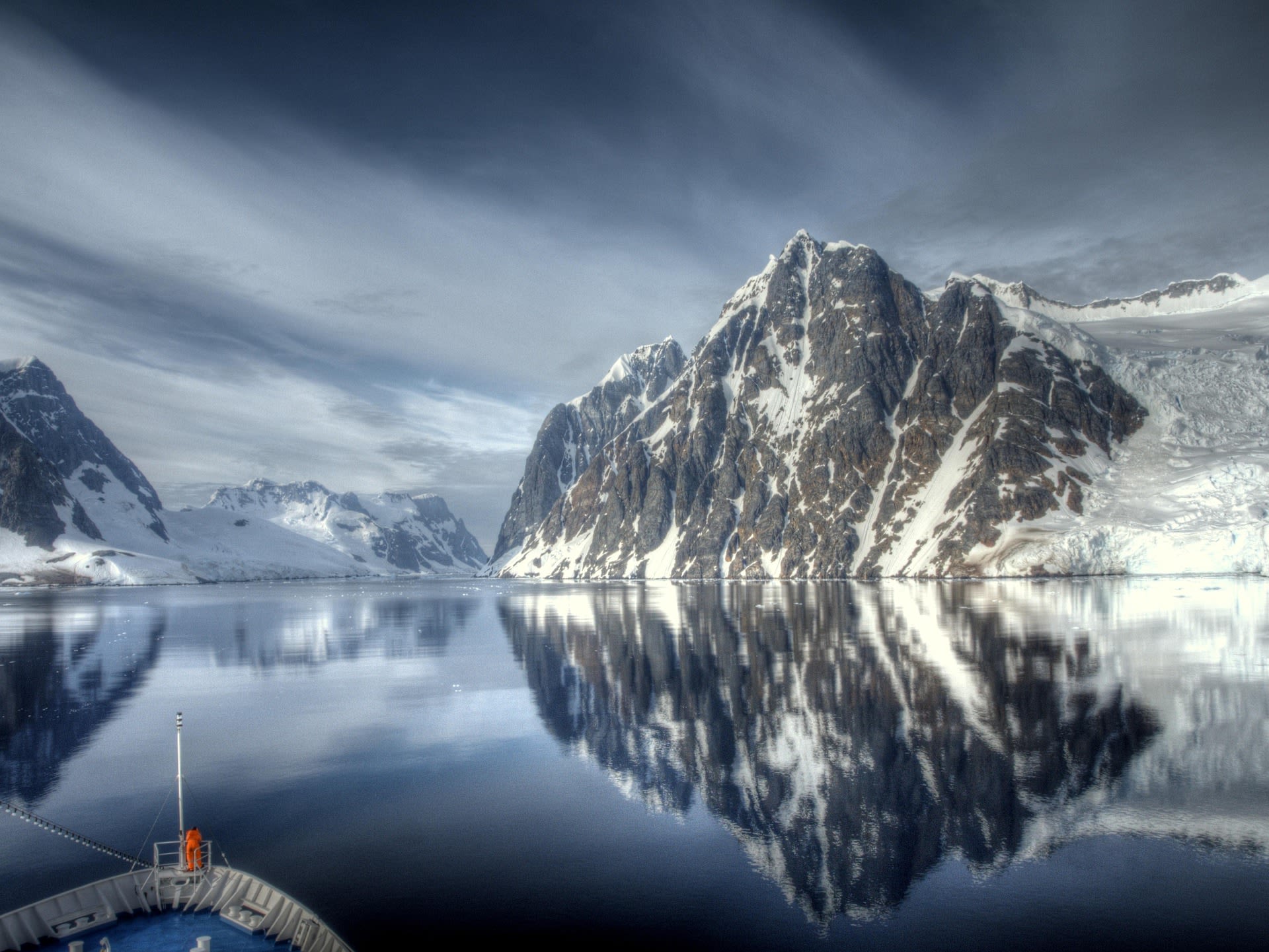
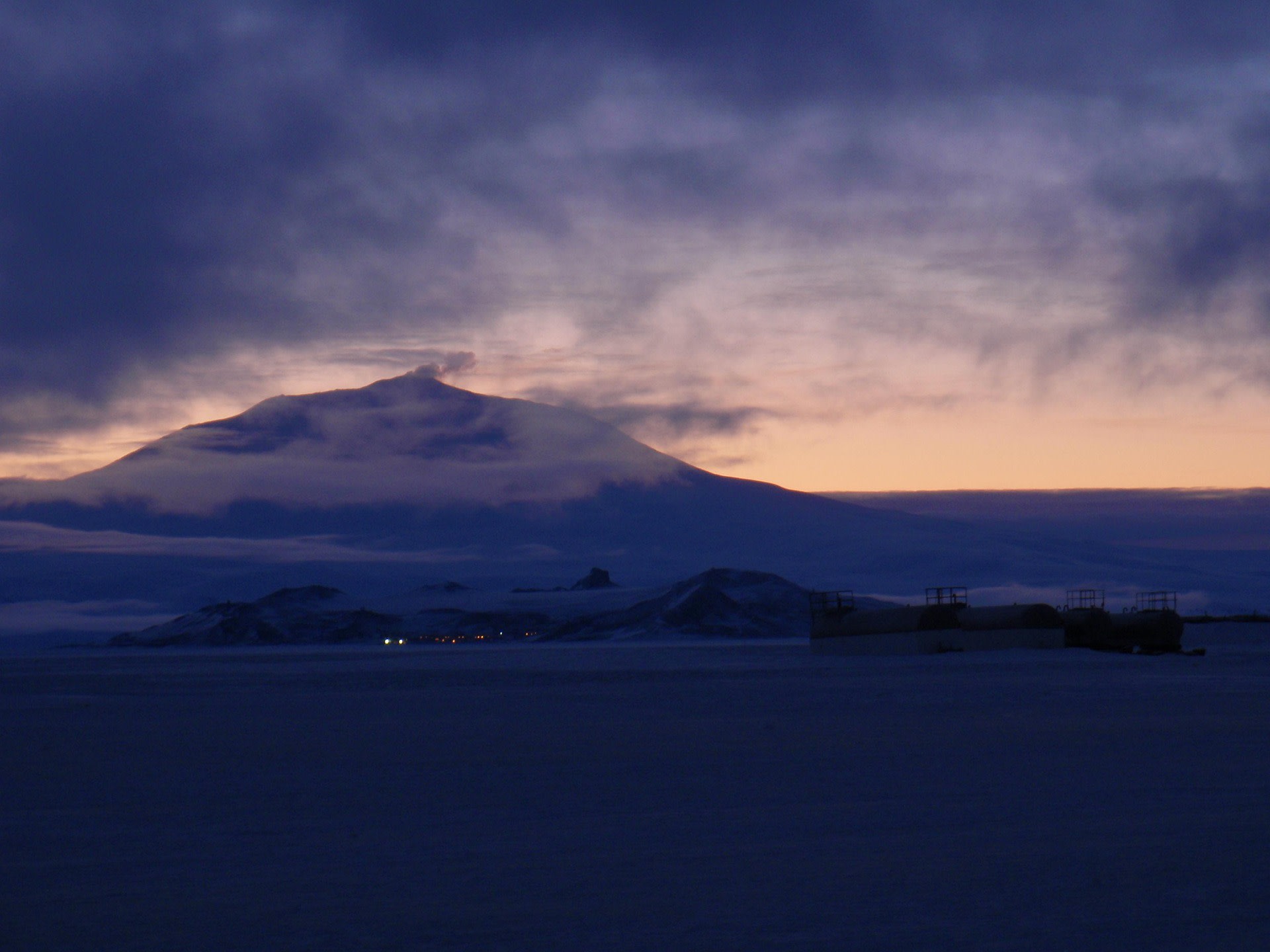
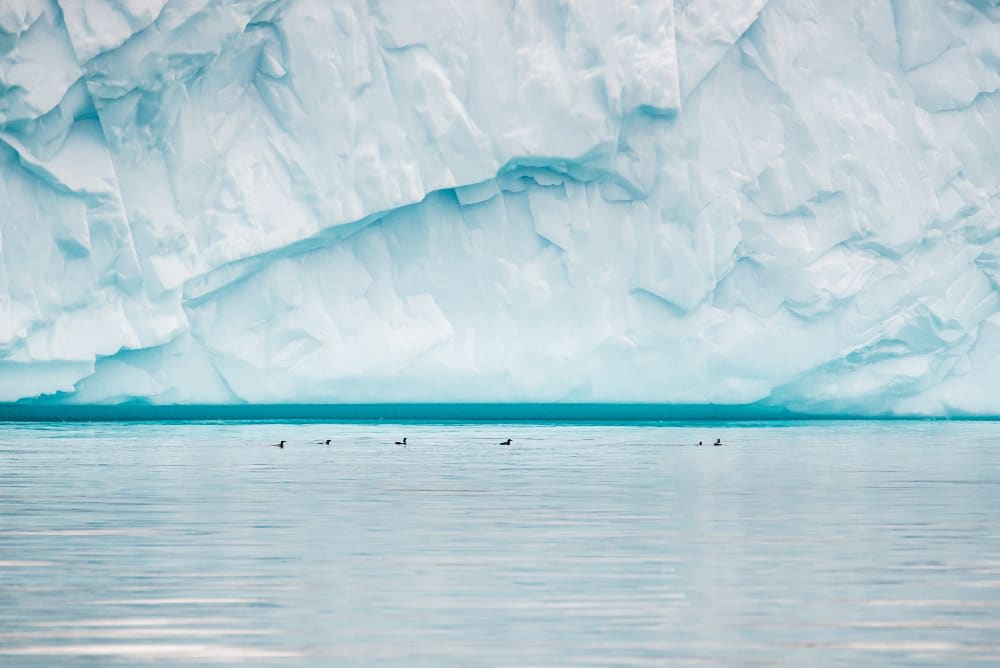
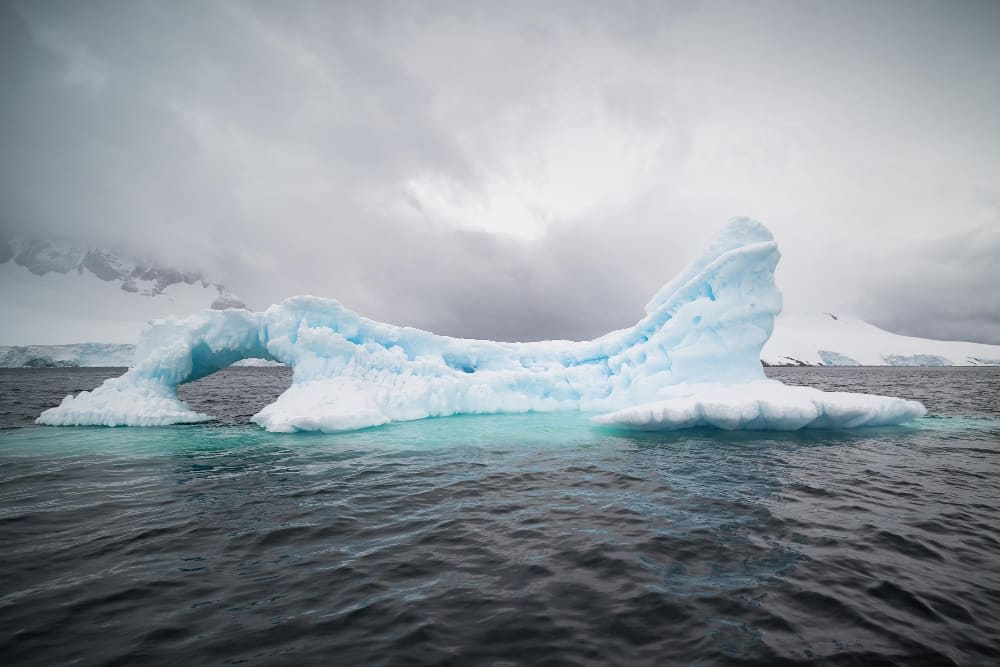
The Ross Ice Shelf is one of Antarctica’s most iconic and massive features, extending approximately 800 kilometers across and forming a natural barrier along the continent's coast. It functions as a floating extension of the Antarctic ice sheet and plays a vital role in maintaining the stability of glaciers that flow into it from the Transantarctic Mountains. The shelf acts as a buffer, significantly slowing the seaward movement of ice and helping regulate global sea levels. Its sheer size and structural complexity have made it a central subject of climate research. Despite the harsh environment—marked by freezing winds and average summer temperatures of -15°C—the shelf supports life, hosting hardy wildlife like seals and seabirds that thrive along its icy edges. This breathtaking expanse of floating ice is not only a geographical marvel but also a critical component of Earth's climate system.
- - The Ross Ice Shelf is about 800 km across and up to 800 meters thick, with an average thickness of 200 meters.
- - It is fed by glaciers from the Transantarctic Mountains and acts as a buffer, slowing down the flow of these glaciers into the sea.
- - The ice shelf plays a crucial role in stabilizing the Antarctic ice sheet and regulating sea levels worldwide.
- - The region experiences extreme cold temperatures, with the average summer temperature hovering around -15 degrees Celsius.
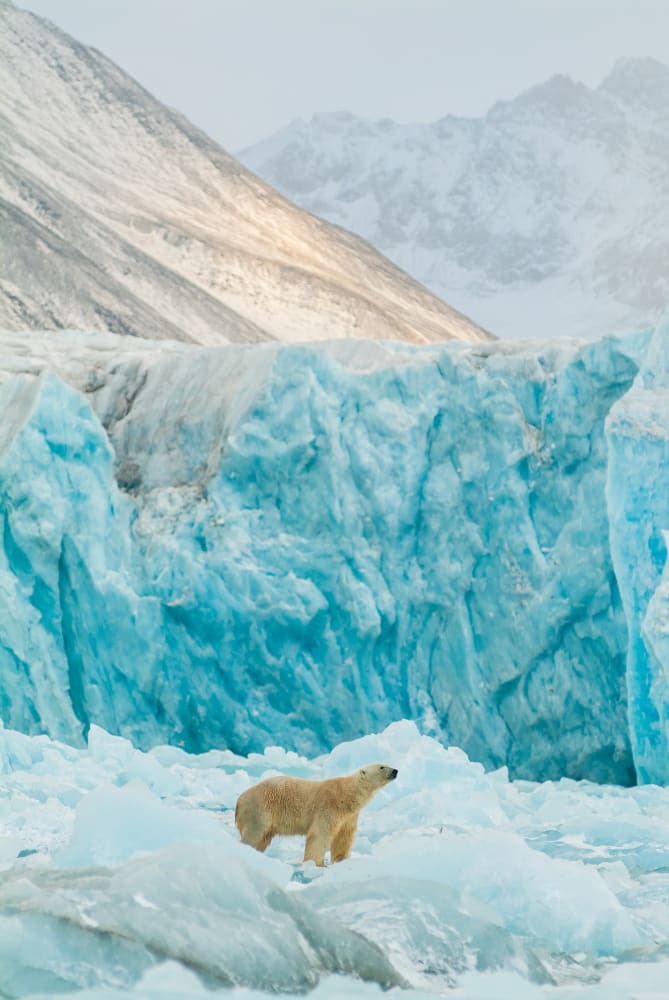
- - Wildlife such as seals and various species of seabirds can be spotted on the ice shelf, adding to its unique natural charm.
📜 History and Cultural Significance
The Ross Ice Shelf has been a cornerstone in the history of Antarctic exploration. Discovered in 1841 by British naval officer and explorer Captain James Clark Ross, it was originally named the 'Great Ice Barrier' for its imposing presence along the coastline. Over time, it became a key entry point for legendary expeditions, including those of Robert Falcon Scott and Ernest Shackleton during the Heroic Age of Antarctic Exploration. These early journeys laid the foundation for modern polar research and inspired a legacy of scientific discovery. Today, the Ross Ice Shelf continues to be a major area of study, particularly for understanding ice dynamics, climate change, and sea-level rise. Its historical significance is deeply entwined with humanity's quest to understand the most remote and extreme environments on Earth.
🏃 Activities and Attractions
Although access to the Ross Ice Shelf is restricted and primarily limited to research missions, it offers a rare and awe-inspiring adventure for those able to visit through special guided expeditions. The vast, frozen landscape creates a surreal experience where travelers can witness the raw power and stillness of nature. Visitors can observe thriving polar wildlife, explore the icy terrain on foot or by snowmobile, and visit research stations to gain firsthand insights into scientific work being conducted in extreme conditions. Scenic helicopter tours offer a unique aerial view of this majestic expanse, revealing its sheer scale and beauty from above. Whether you're an adventurer, nature lover, or science enthusiast, the Ross Ice Shelf promises an unforgettable journey into the heart of Antarctica.
- Traveling to the remote Ross Ice Shelf offers a truly once-in-a-lifetime experience for adventurous tourists seeking to explore the pristine beauty of Antarctica. Popular activities include:
- - Ice hiking and climbing
- - Observing wildlife such as seals, penguins, and seabirds
- - Snowmobiling across the vast expanse of ice
- - Visiting scientific research stations to learn about ongoing studies
- - Taking scenic helicopter flights over the spectacular landscape
💡 Travel Tips
When planning a visit to the Ross Ice Shelf, it is crucial to prepare for the extreme cold weather conditions and pack appropriate gear such as insulated clothing, sturdy boots, and sunglasses to protect against glare from the ice. Due to its remote location, accessing the ice shelf typically requires joining specialized Antarctic tours that provide logistical support and guidance.
🌱 Conservation
Conserving the Ross Ice Shelf and its surrounding environment is of paramount importance in preserving the delicate Antarctic ecosystem. Efforts to combat climate change and reduce carbon emissions globally are crucial in ensuring the long-term stability of the ice shelf and mitigating its potential impacts on sea level rise.
✨ Conclusion
In conclusion, the Ross Ice Shelf stands as a majestic natural wonder of Antarctica, captivating visitors with its sheer size, beauty, and ecological significance. Its role in regulating global climate patterns and supporting unique wildlife habitats make it a destination of unparalleled scientific and environmental importance. Visiting the Ross Ice Shelf offers a profound opportunity to witness the awe-inspiring beauty of the southernmost continent while gaining a deeper appreciation for the fragility of our planet's polar regions.